
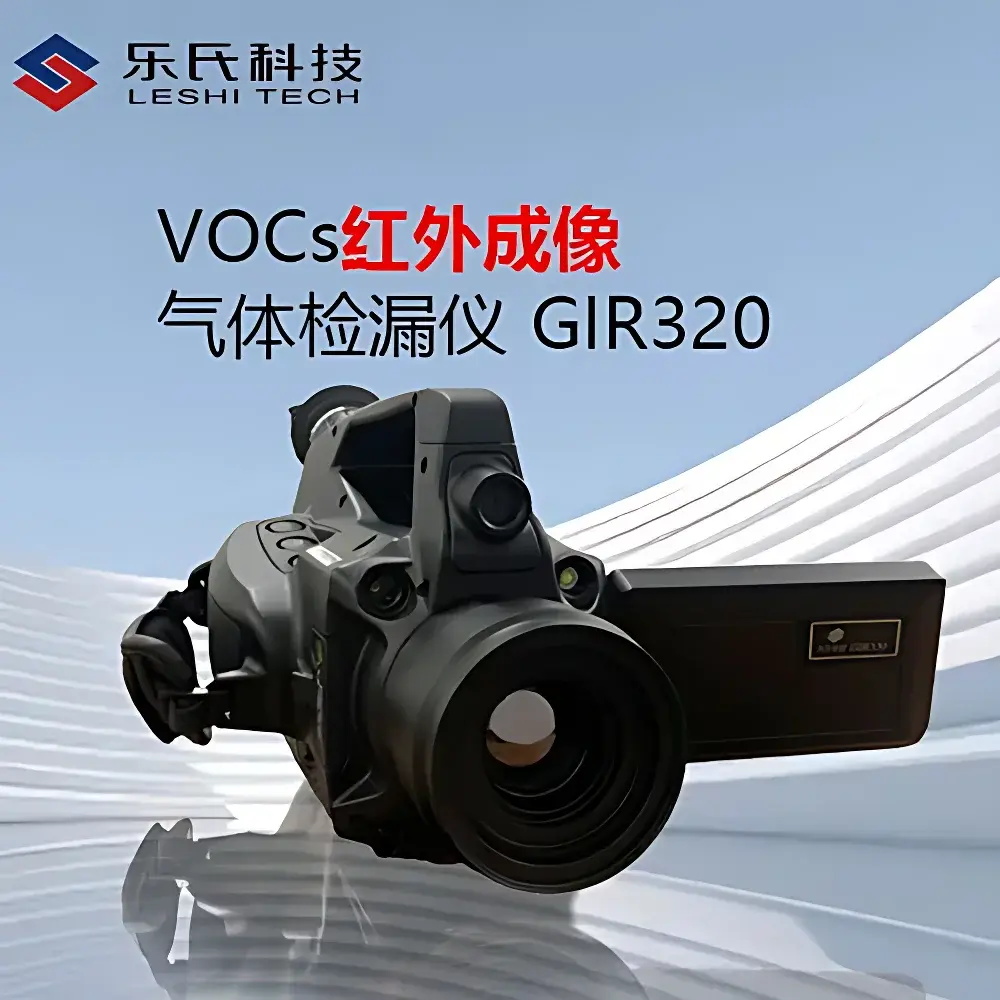
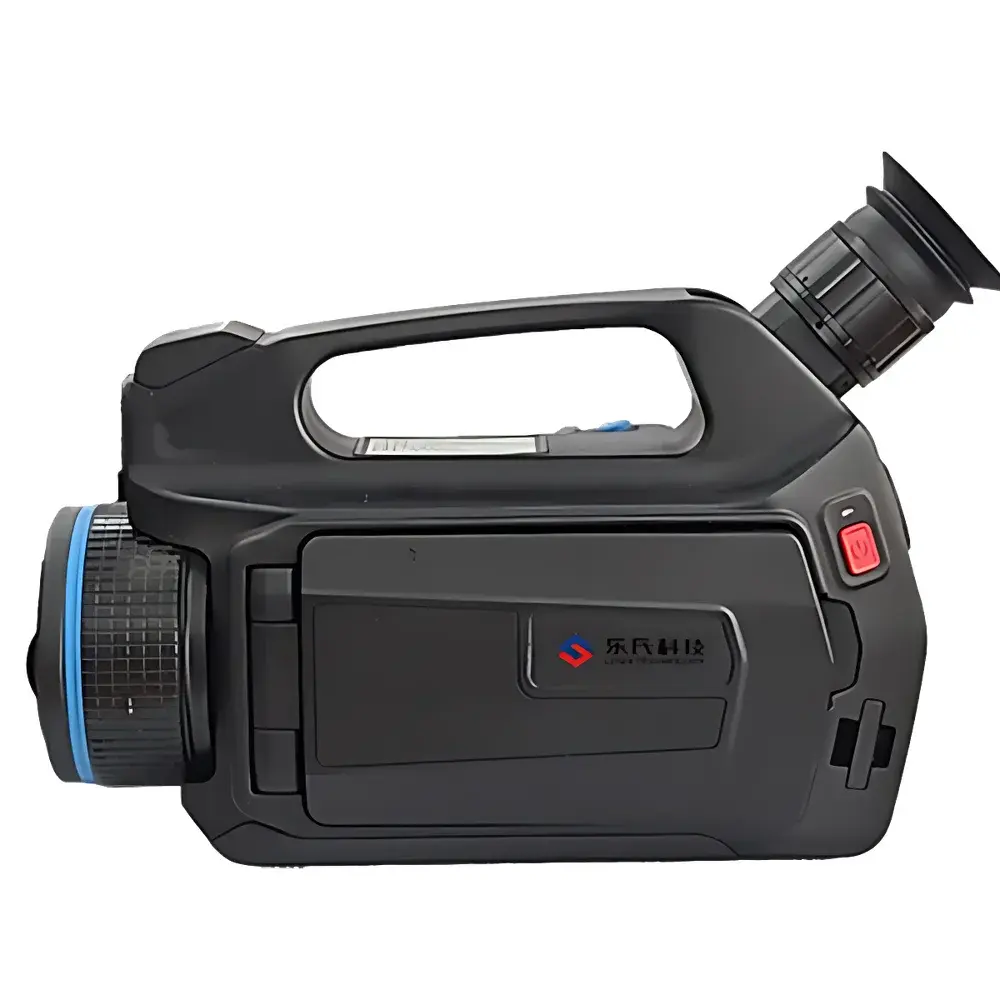
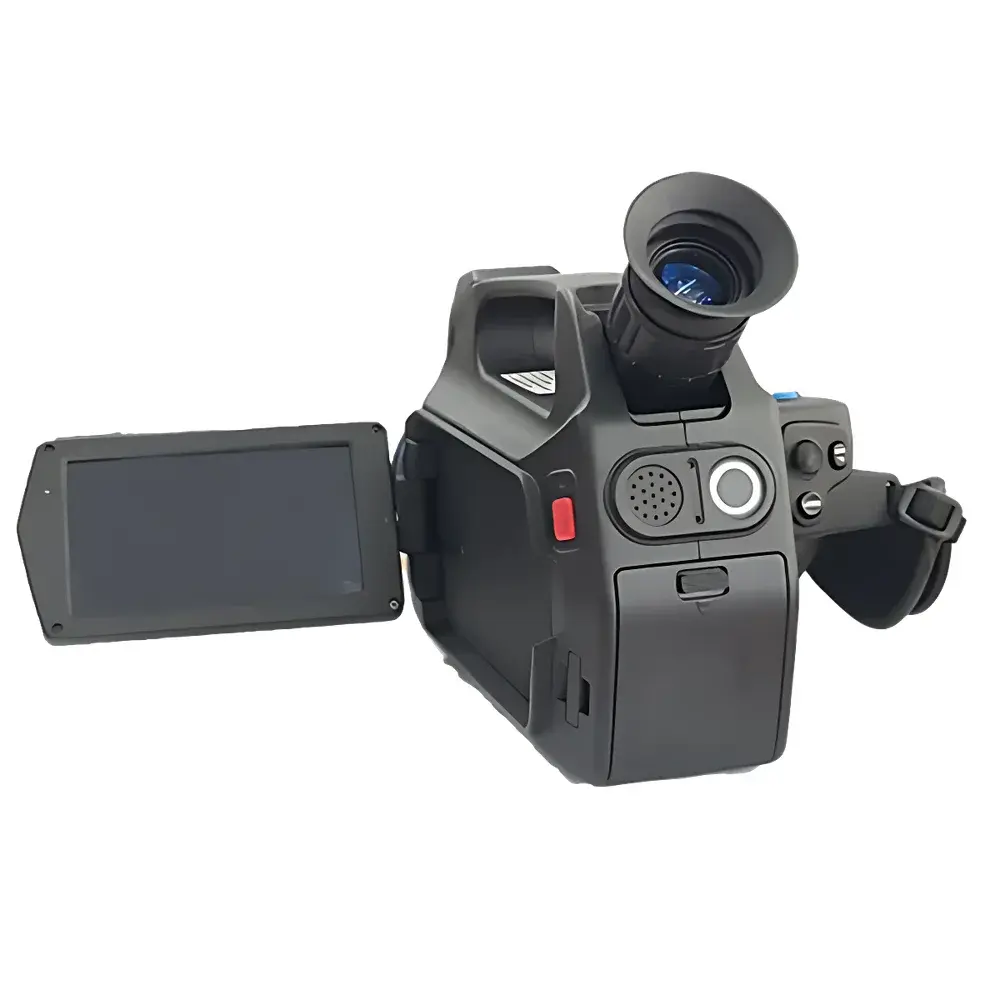
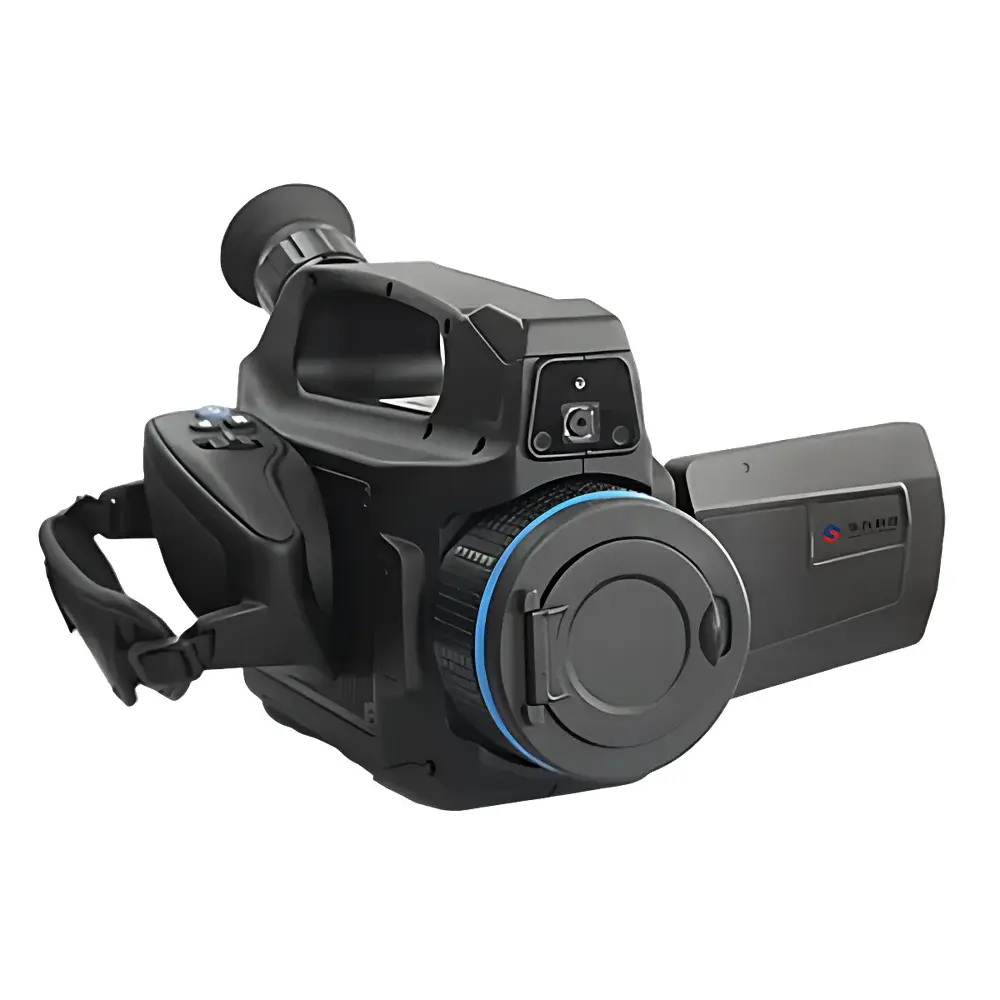
LESHI GIR320 Portable Optical Gas Imaging (OGI) Camera for VOC Leak Detection
| Brand | Leshi |
|---|---|
| Origin | Beijing, China |
| Manufacturer Type | Authorized Distributor |
| Product Category | Domestic |
| Model | GIR320 (VOC-Specific) |
| Detection Principle | Passive Mid-Wave Infrared (MWIR) Absorption Imaging |
| Instrument Type | Portable |
| Configuration | Integrated VOC-Specific OGI System |
| Temperature Range | −40 °C to 350 °C |
| Resolution | Adjustable (User-Selectable Spatial & Thermal Resolution) |
| Accuracy | Temperature-Dependent (Calibrated per ASTM E1934 & ISO 18434-1) |
| Response Time | <60 s (Initial Detection), 1–60 min (Quantitative Stabilization) |
Overview
The LESHI GIR320 is a portable, passive optical gas imaging (OGI) camera engineered specifically for the visual detection and localization of volatile organic compound (VOC) emissions—including methane, benzene, toluene, xylene, ethylene, propylene, and over 400 other hydrocarbons—in industrial and environmental settings. Unlike active laser-based or point-sensor gas detectors, the GIR320 operates on passive mid-wave infrared (MWIR) absorption imaging, leveraging the intrinsic vibrational absorption bands of VOC molecules in the 3.2–3.5 µm spectral window. Equipped with a cooled indium antimonide (InSb) focal plane array detector, it captures real-time thermal contrast between background radiation and gas plumes—enabling non-contact, stand-off detection at distances up to 30 meters. Its core function is not quantitative concentration measurement but rapid, intuitive spatial identification of fugitive emissions—making it compliant with EPA OOOOa, LDAR program requirements, and ISO 50001 energy management audits.
Key Features
- Passive MWIR OGI technology—no external illumination or laser source required; fully compliant with ATEX/IECEx Zone 1 intrinsic safety standards (certification documentation available upon request)
- Ergonomic magnesium-aluminum alloy housing, weighing under 2.8 kg with integrated battery; optimized for single-hand operation and extended field use
- High-contrast 1024 × 768 OLED viewfinder with 180° rotation and sunlight-readable 5.5″ full-color LCD display
- Dual-mode imaging engine: Standard IR mode for thermal surveying and enhanced gas visualization mode—applying real-time spectral filtering and dynamic background suppression to increase gas plume conspicuity
- Onboard image annotation, timestamped video recording (H.264), and customizable color palettes (Ironbow, Arctic, High Contrast) for field reporting
- Internal storage capacity: 128 GB SSD + expandable microSD slot; battery life ≥4.5 hours (standard Li-ion), hot-swappable
- User-configurable detection sensitivity thresholds and alarm triggers aligned with ISO 13732-1 ergonomic guidelines for operator workload reduction
Sample Compatibility & Compliance
The GIR320 is validated for qualitative visualization of gaseous VOCs across diverse industrial matrices—including vapor-phase releases from flanges, valves, pumps, compressors, loading arms, and storage tank hatches. It does not require sample extraction or pre-concentration. The system meets the functional performance criteria outlined in EPA Method 21 (for leak screening) and aligns with the observational methodology referenced in ASTM D7907 (Standard Guide for Optical Gas Imaging Surveys). While not a certified quantitative analyzer, its imaging output supports root-cause analysis within GLP-compliant maintenance workflows and satisfies Tier II reporting requirements under the EU Industrial Emissions Directive (IED 2010/75/EU). Device firmware includes audit-trail logging (user ID, timestamp, GPS metadata) compatible with 21 CFR Part 11–enabled data management platforms.
Software & Data Management
The GIR320 ships with LESHI OGI Studio v3.2—a Windows-based desktop application supporting post-capture analysis, side-by-side image comparison, geotagged report generation (PDF/CSV), and integration with CMMS systems via API. All recordings embed EXIF metadata including ambient temperature, humidity, wind speed (via optional Bluetooth anemometer pairing), and instrument calibration status. Raw thermal sequences are stored in standardized Radiometric JPEG2000 format, ensuring traceability and third-party interoperability. Firmware updates are delivered via secure HTTPS portal with SHA-256 signature verification; no cloud dependency is required for core functionality.
Applications
- Refineries & petrochemical plants: Routine LDAR surveys of process units, flare stacks, and vapor recovery systems
- Natural gas transmission & LNG facilities: Monitoring compressor stations, metering skids, and cryogenic piping joints
- Chemical manufacturing sites: Screening reactors, distillation columns, and solvent handling areas for fugitive emissions
- Biogas upgrading plants: Detecting siloxane and VOC slip in upgraded biomethane streams prior to grid injection
- Power generation: Assessing seal integrity in turbine lube oil systems and hydrogen-cooled generators
- Environmental compliance contractors: Supporting EPA 40 CFR Part 60 Subpart VV and EU ETS monitoring obligations
FAQ
Does the GIR320 provide quantitative concentration values (e.g., ppm-m)?
No. It is a qualitative optical gas imaging tool designed for leak localization—not concentration measurement. Quantification requires complementary techniques such as FTIR or GC-MS.
Can the GIR320 detect gases other than VOCs?
It is optimized for hydrocarbons absorbing in the 3.2–3.5 µm band. Non-VOC gases (e.g., CO₂, NH₃, SO₂) fall outside its primary spectral response and are not reliably visualized.
Is calibration required before each use?
A non-uniformity correction (NUC) is performed automatically on startup; annual factory recalibration against blackbody references is recommended per ISO/IEC 17025 guidelines.
What environmental conditions limit detection sensitivity?
Detection range degrades significantly in high-humidity (>85% RH) or heavy rain/fog conditions due to MWIR atmospheric attenuation. Wind speeds >5 m/s may disperse plumes below visual threshold.
Is training provided for regulatory reporting compliance?
Yes—LESHI offers IECEx-certified OGI operator training aligned with QAL1 competency frameworks and includes EPA OOOOa field assessment protocols.
Related Products







