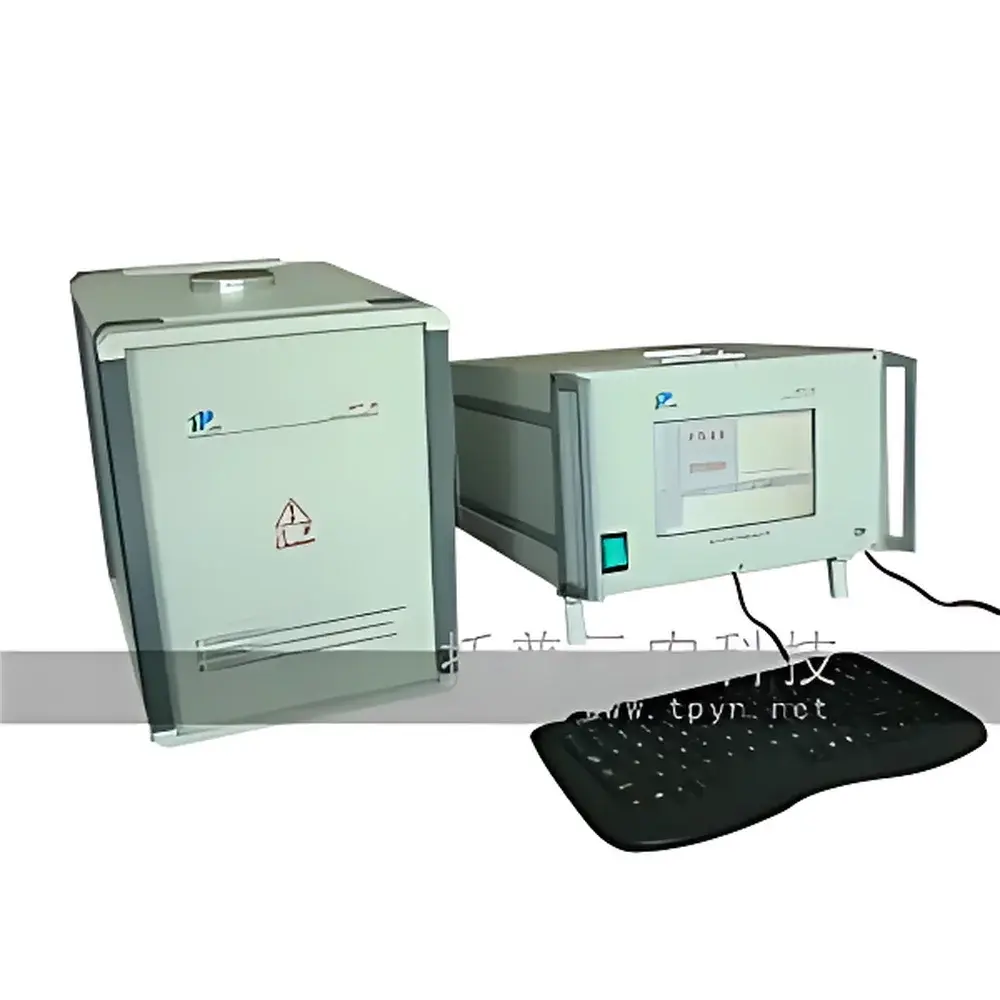
Top Cloud-agri HCY-20 Benchtop Nuclear Magnetic Resonance (NMR) Oil Content Analyzer
| Brand | Top Cloud-agri |
|---|---|
| Origin | Zhejiang, China |
| Manufacturer Type | OEM Manufacturer |
| Country of Origin | China |
| Model | HCY-20 |
| Sample Volume | 40 mL |
| Oil Content Range | 0.1%–100% (w/w) |
| Measurement Accuracy | ±0.2% |
| Measurement Stability | ±0.1% |
| Power Supply | 220 V, 50 Hz |
| Rated Power | ≤40 W |
Overview
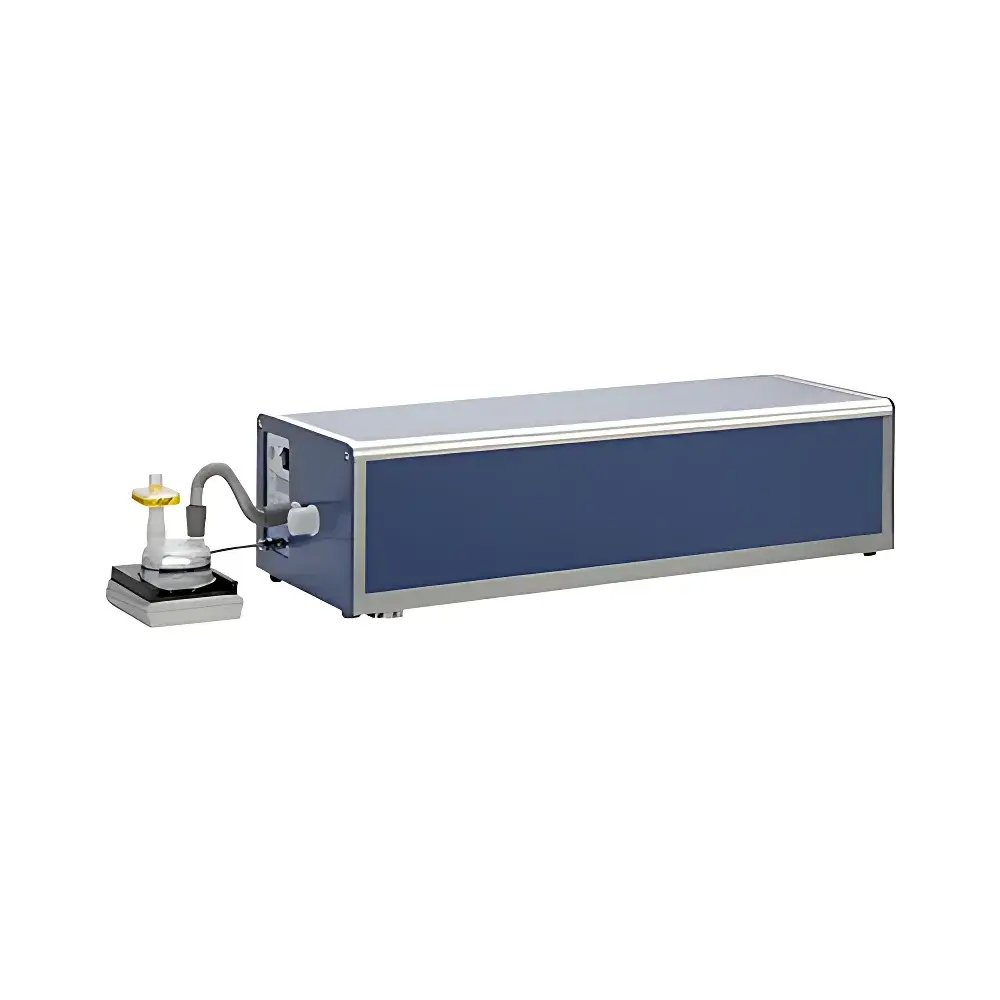
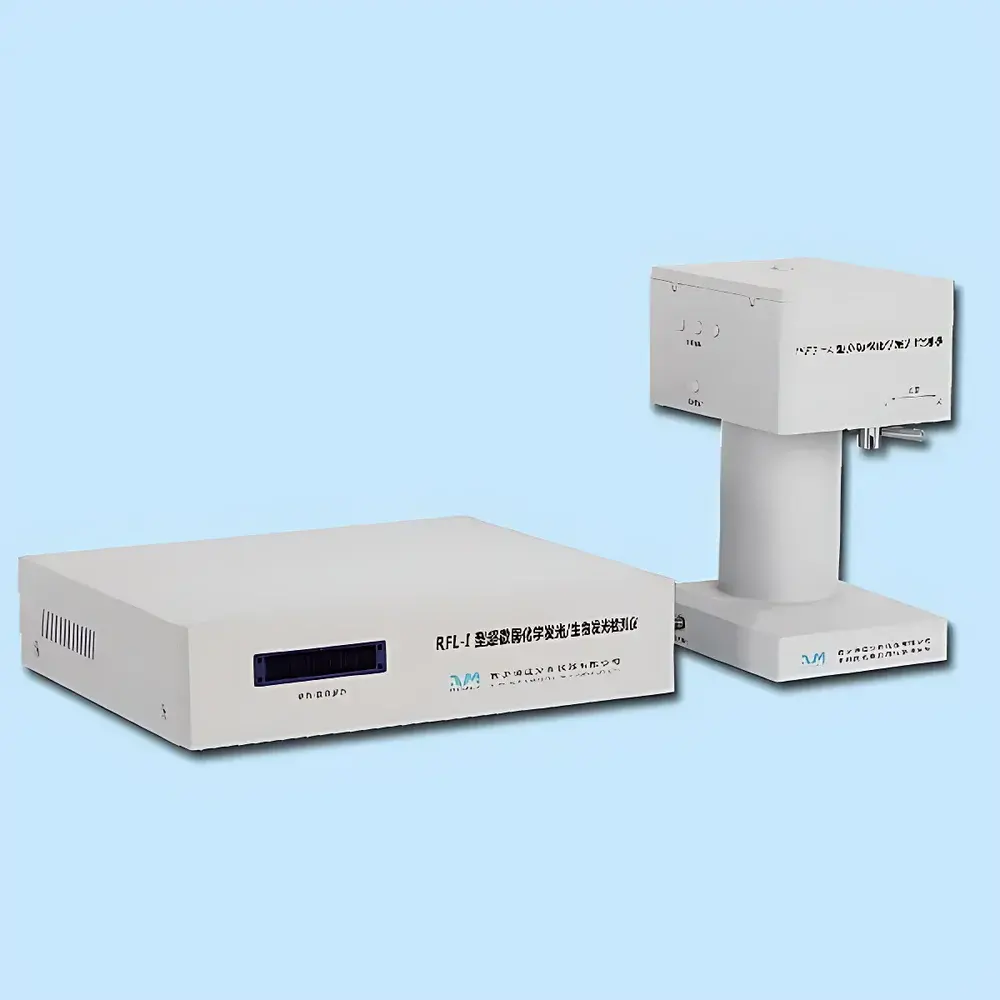
The Top Cloud-agri HCY-20 Benchtop Nuclear Magnetic Resonance (NMR) Oil Content Analyzer is a dedicated quantitative instrument engineered for rapid, non-destructive determination of total oil content in oilseed crops and their processed by-products—including meals, cakes, and flours. It operates on the fundamental principle of pulsed NMR spectroscopy, specifically exploiting the transverse relaxation behavior (T2) of hydrogen protons in triglyceride molecules under a static magnetic field. Unlike solvent-based extraction methods (e.g., Soxhlet), this instrument measures the mobile proton signal intensity directly correlated to oil concentration—eliminating chemical reagents, thermal degradation, and sample preparation artifacts. Designed in strict compliance with GB/T 15690–1995 (“Determination of Oil Content in Oilseeds by Nuclear Magnetic Resonance”), the HCY-20 delivers traceable, repeatable results suitable for routine quality control, breeding programs, and feed formulation validation in agricultural research laboratories and processing facilities.
Key Features
- Single-sample measurement completed in ≤30 seconds—enabling high-throughput screening of batches without compromising analytical integrity.
- True non-invasive analysis: no grinding, drying, or solvent extraction required; samples remain intact and recoverable post-measurement.
- Energy-efficient operation: rated power consumption ≤40 W—comparable to standard LED lighting—supporting low-operational-cost deployment in resource-constrained environments.
- Automated frequency tuning and real-time field homogeneity compensation via built-in lock-loop circuitry, minimizing operator dependency and reducing inter-user variability.
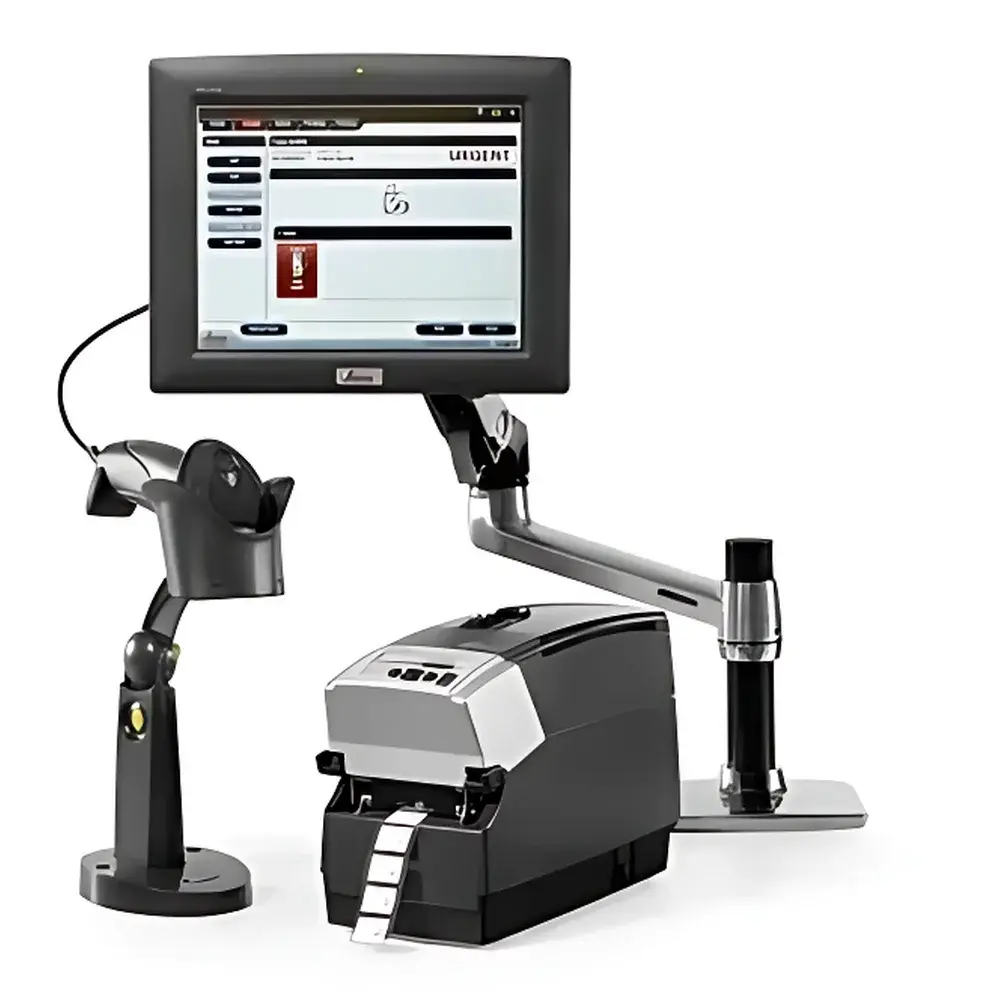
- Integrated 7-inch color LCD touchscreen interface with keyboard/mouse support, enabling standalone operation without external PC connection during routine measurements.
- Firmware and calibration updates delivered via USB flash drive—ensuring long-term adaptability to evolving method requirements and regulatory expectations.
Sample Compatibility & Compliance
The HCY-20 is validated for use with a broad spectrum of oil-bearing materials, including but not limited to soybean, rapeseed, sesame, sunflower seed, peanut, cottonseed, corn germ, wheat germ, and tung nut—as well as defatted meals and expeller cakes derived therefrom. Its measurement range (0.1–100% w/w oil) accommodates both low-oil cereals and high-oil oilseeds without dilution or pre-concentration. Method performance meets the repeatability and accuracy criteria specified in GB/T 15690–1995. While not certified to ISO/IEC 17025, the instrument’s design supports GLP-aligned documentation practices—including user-defined sample IDs, timestamped result logs, and audit-ready data export formats. Optional configuration allows alignment with internal SOPs referencing AOAC Official Method 991.36 (NMR-based oil quantification) where applicable.
Software & Data Management
The embedded operating system provides intuitive workflow navigation, step-by-step procedural guidance, and real-time spectral feedback during measurement acquisition. All results—including raw T2 decay curves, fitted amplitude values, and final oil percentage—are stored locally in CSV format. Data export is performed via USB interface to standard FAT32-formatted drives, enabling seamless integration with LIMS platforms or statistical analysis tools (e.g., JMP, Minitab). The software architecture supports user-level access control (administrator/operator roles), electronic signature logging for critical actions, and configurable report templates compliant with internal QA documentation standards. Audit trail functionality records all parameter modifications, calibration events, and firmware updates—facilitating FDA 21 CFR Part 11 readiness when deployed in regulated environments.
Applications
- Quality assurance in oilseed receiving and storage—rapid verification of contractual oil specifications prior to crushing.
- Plant breeding programs requiring high-fidelity phenotypic screening of oil yield across thousands of genotypes per season.
- Feed mill formulation—real-time adjustment of oil supplementation based on incoming ingredient composition.
- Academic research in lipid biochemistry, where preservation of native sample matrix integrity is essential for downstream GC-FID or FTIR analysis.
- Regulatory compliance testing for national grain grading standards where NMR is an accepted alternative to reference gravimetric methods.
FAQ
Does the HCY-20 require cryogens or permanent magnet maintenance?
No. It employs a permanent NdFeB magnet with passive temperature stabilization; no liquid helium, nitrogen, or active shimming is required.
Can the instrument be calibrated using certified reference materials?
Yes. Calibration is performed using traceable oil-in-solid matrix standards (e.g., soybean meal with certified oil content), following a multi-point linear regression protocol embedded in the software.
Is moisture content interference corrected automatically?
The algorithm applies empirically derived correction factors for typical moisture ranges (5–15% w/w) observed in air-dried oilseeds; for samples outside this range, optional moisture-specific calibration models may be developed.
What is the expected service life of the RF probe and magnet assembly?
Under normal laboratory conditions and adherence to recommended operating temperature limits (15–30°C), the probe and magnet subsystem are rated for ≥10 years of continuous operation with periodic verification checks.
Does the system support network connectivity for centralized data aggregation?
Not natively—but exported CSV files are compatible with common industrial data gateways (e.g., OPC UA servers) for integration into enterprise MES or ERP systems via third-party middleware.