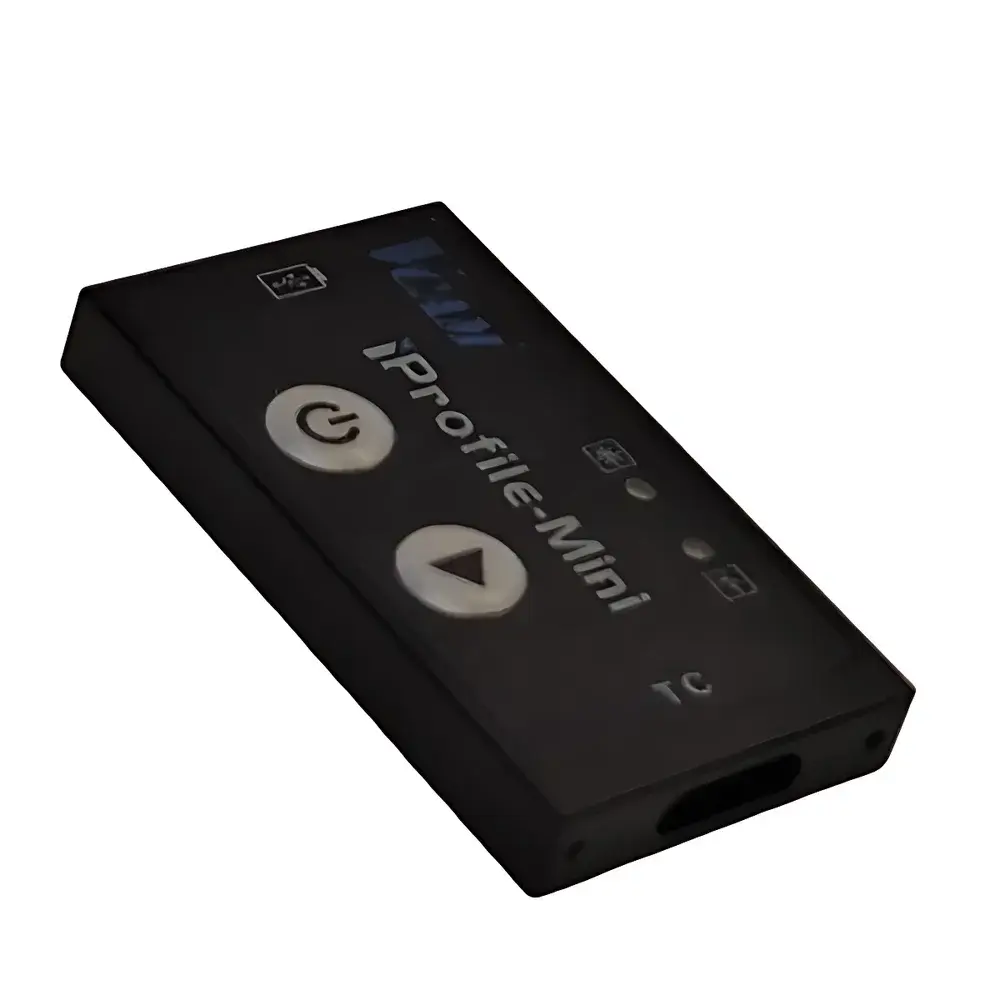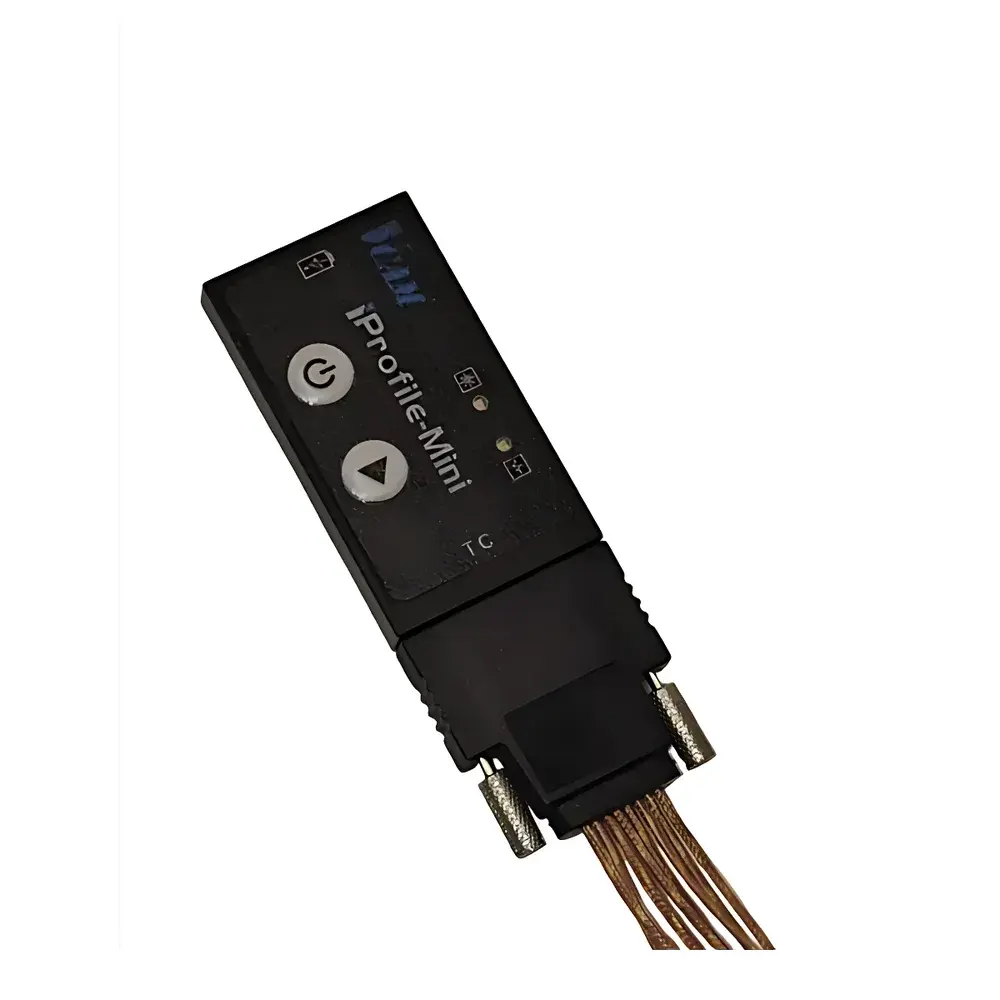
Top Cloud-agri TPZJ-2010 Digital Fruit Diameter & Radius Measuring Instrument
| Brand | Top Cloud-agri |
|---|---|
| Origin | Zhejiang, China |
| Manufacturer Type | OEM/ODM Producer |
| Model | TPZJ-2010 |
| Measurement Range (Diameter) | 450–2500 mm (Outer), 0–12.7 mm (Displacement) |
| Radius Range | 5–9999.9 mm |
| Resolution | 0.005 mm / 0.0005 in |
| Accuracy (Displacement) | ≤ ±0.02 mm |
| Radius Measurement Error | ΔR ≤ 0.01 × R/S |
| Repeatability | < 1% of measured radius |
| Operating Temperature | 0–40 °C |
| Relative Humidity | ≤80% RH (non-condensing) |
| Power Supply | 3 V CR2032 lithium coin cell |
| Max. Measurement Speed | >1.5 m/s |
| Probe Span (Large Radius Gauge) | 200 mm |
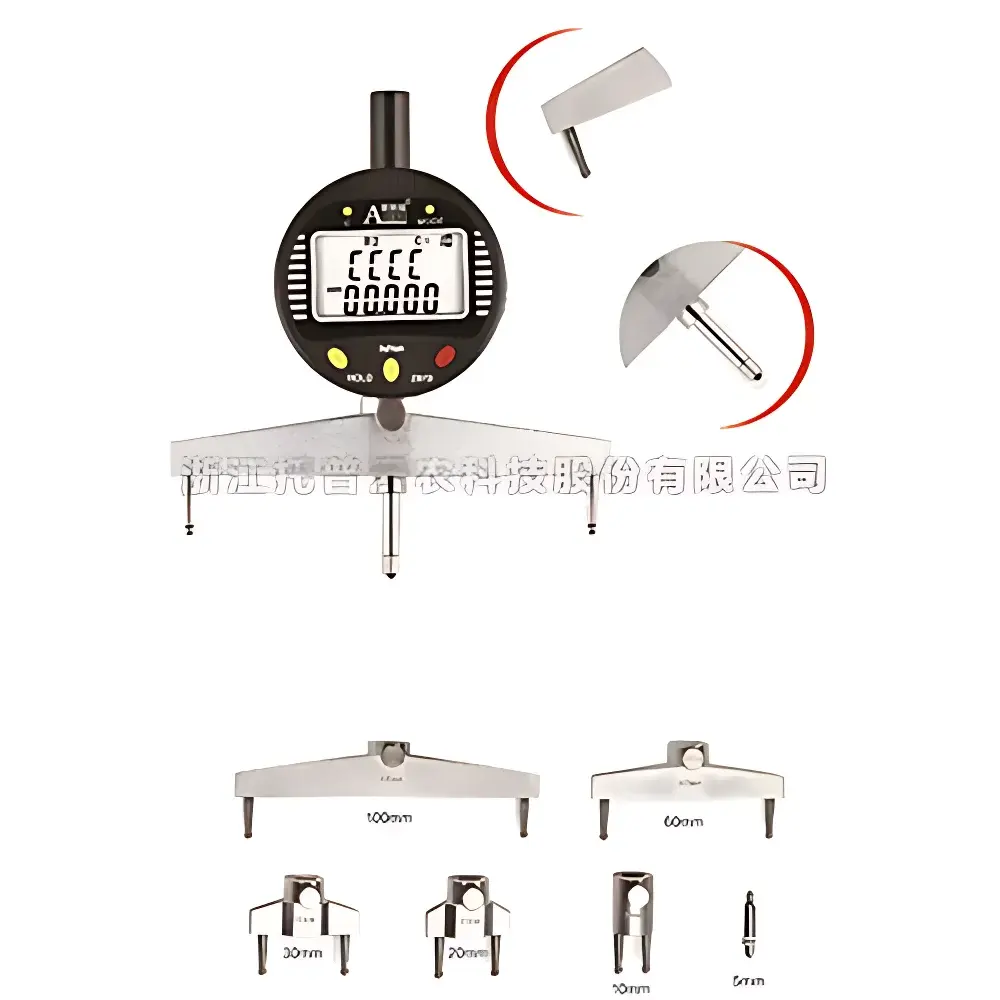
| Standard Probe Sets | Five radius-specific jaw kits (10/20/30/60/100 mm spans) |
| Display | LCD with dual-unit (mm/in) toggle, data hold, zero reset, auto/manual power-off |
| Interface | RS232 & USB output (optional), metric/imperial conversion |
Overview
The Top Cloud-agri TPZJ-2010 Digital Fruit Diameter & Radius Measuring Instrument is a handheld, precision metrology tool engineered for non-destructive dimensional analysis of horticultural produce in post-harvest quality control, breeding trials, and grading operations. Unlike optical or laser-based systems, the TPZJ-2010 employs a calibrated mechanical displacement transduction principle—leveraging high-stability linear variable differential transformer (LVDT)-equivalent digital micrometric sensing—to convert radial deformation into quantifiable linear displacement. This enables direct derivation of curvature radius (R) from measured chordal span (S) and sagitta (h), following the geometric relation R = (S² + 4h²)/(8h). The instrument is optimized for rapid, field-deployable assessment of fruit morphology—including apple, pear, citrus, kiwifruit, and stone fruits—where consistent diameter classification directly correlates with market grade standards (e.g., USDA Size Standards, UNECE FFV-26, or ISO 8751-1 for fruit sizing).
Key Features
- Modular multi-jaw probe system: Five interchangeable radius-specific jaw sets (10 mm, 20 mm, 30 mm, 60 mm, and 100 mm spans) allow selective optimization of contact geometry and measurement sensitivity across varying surface curvatures—from small berries to large melons.
- Dual-mode operation: Seamless switching between outer diameter, inner diameter, and high-precision dial indicator (0–12.7 mm displacement) functions via front-panel controls.
- High-fidelity digital readout: 0.005 mm (0.0005 in) resolution LCD display with real-time unit conversion, data hold, and programmable auto-zero calibration prior to each measurement cycle.
- Robust mechanical architecture: Stainless steel jaws and hardened anodized aluminum housing ensure long-term dimensional stability under repeated agricultural handling conditions (IP54-rated ingress protection).
- Traceable measurement workflow: Built-in data logging interface supports RS232 and USB serial output (optional cables) for integration with LIMS or Excel-based QC databases; compatible with GLP-compliant audit trail generation when paired with validated software drivers.
- Energy-efficient operation: CR2032 battery provides ≥12 months of typical field use (based on 50 measurements/day); automatic shutdown after 5 minutes of inactivity conserves power without compromising startup readiness.
Sample Compatibility & Compliance
The TPZJ-2010 accommodates intact, uncut fruit specimens ranging from 45 mm (small plum) to 2500 mm (large watermelon cross-sections), with minimal surface pressure (<0.3 N per jaw tip) to prevent bruising or deformation artifacts. Its jaw geometry conforms to ISO 1101:2017 tolerancing principles for radius measurement of convex and concave cylindrical surfaces. While not certified to ISO/IEC 17025 as a standalone calibration standard, the device is supplied with NIST-traceable calibration certificates for displacement sensor linearity (per ISO 10360-2) and includes reference gauge blocks for daily verification. It meets electromagnetic compatibility requirements per EN 61326-1:2013 and operates within Class II safety limits under IEC 61010-1:2010 for portable laboratory instruments.
Software & Data Management
The TPZJ-2010 operates independently without host software but supports bidirectional ASCII data streaming via its serial interface. When connected to a Windows/Linux PC using optional RS232-to-USB or native USB cables, raw displacement (h) and calculated radius (R) values are transmitted at 9600 baud in comma-separated format (e.g., “2024-06-15T14:22:08,R,84.62,mm”). Third-party tools—including Python pandas scripts, LabVIEW VIs, or custom SQL ingestion modules—can parse timestamps, units, and mode identifiers for automated report generation. For regulated environments (e.g., FDA-regulated packing houses), the instrument’s deterministic output protocol enables 21 CFR Part 11 compliance when deployed with electronic signature-capable middleware that logs operator ID, timestamp, and measurement context.
Applications
- Post-harvest sorting: Real-time diameter binning aligned with commercial grade specifications (e.g., US #1, Extra Fancy, or EU Class I).
- Horticultural phenotyping: Quantitative tracking of fruit growth kinetics during cultivar evaluation trials.
- Packinghouse QA/QC: In-line verification of calibrator ring accuracy and consistency of mechanical grader settings.
- Research laboratories: Validation of imaging-based morphometric algorithms (e.g., machine vision diameter estimation) against tactile ground-truth references.
- Extension services: Field training on objective size assessment for smallholder cooperatives adhering to GlobalG.A.P. or GRASP benchmarks.
FAQ
Does the TPZJ-2010 require periodic recalibration by an accredited lab?
No mandatory annual recalibration is specified; however, users must perform daily verification using included gauge blocks per Section 7.2 of the operator manual. Full traceable recalibration is recommended every 12 months or after 10,000 measurement cycles.
Can the instrument measure irregularly shaped fruits like mangoes or papayas?
Yes—it measures local radius of curvature at point-of-contact; multiple readings across equatorial and polar axes provide representative sphericity indices per ISO 8751-2.
Is the data output compatible with common agricultural ERP platforms?
Yes—ASCII-formatted serial output integrates natively with AgriSuite, FarmLogs, and SAP S/4HANA via standard COM port drivers; no proprietary middleware required.
What environmental conditions affect measurement repeatability?
Relative humidity >80% RH may cause minor hysteresis in plastic components; temperature gradients >5°C/min induce transient thermal expansion errors—both are mitigated by acclimatizing the unit for 15 minutes prior to use.
Are replacement jaws and batteries commercially available?
Yes—all five jaw sets, CR2032 cells, and optional RS232/USB interface cables are stocked globally through authorized Top Cloud-agri distribution partners and listed in the spare parts catalog (P/N: TPZJ-SP-2024).