
Top Cloud-agri TZS-ECW-IG Portable Soil Salinity, Moisture & Temperature Analyzer
| Brand | Top Cloud-agri |
|---|---|
| Origin | Zhejiang, China |
| Manufacturer Type | Direct Manufacturer |
| Country of Origin | China |
| Model | TZS-ECW-IG |
| Instrument Category | Soil Moisture / Water Potential Meter |
| Soil Parameter Range | 0–23 mS/cm (EC), –40–100 °C (Temp), 0–100% VWC (Moisture) |
| Accuracy | ±2% (EC), ±0.5 °C (Temp), ≤3% (VWC) |
| Resolution | 0.01 mS/cm, 0.1 °C, 0.1% VWC |
| Data Storage | 30,000 records (internal Flash), unlimited with optional 4GB microSD |
| Connectivity | 5G/4G cellular, USB, GPS geotagging |
| Power | 7.4 V / 2.8 Ah Li-ion battery (with low-voltage alert and charging protection), 8.4 V DC external input |
Overview
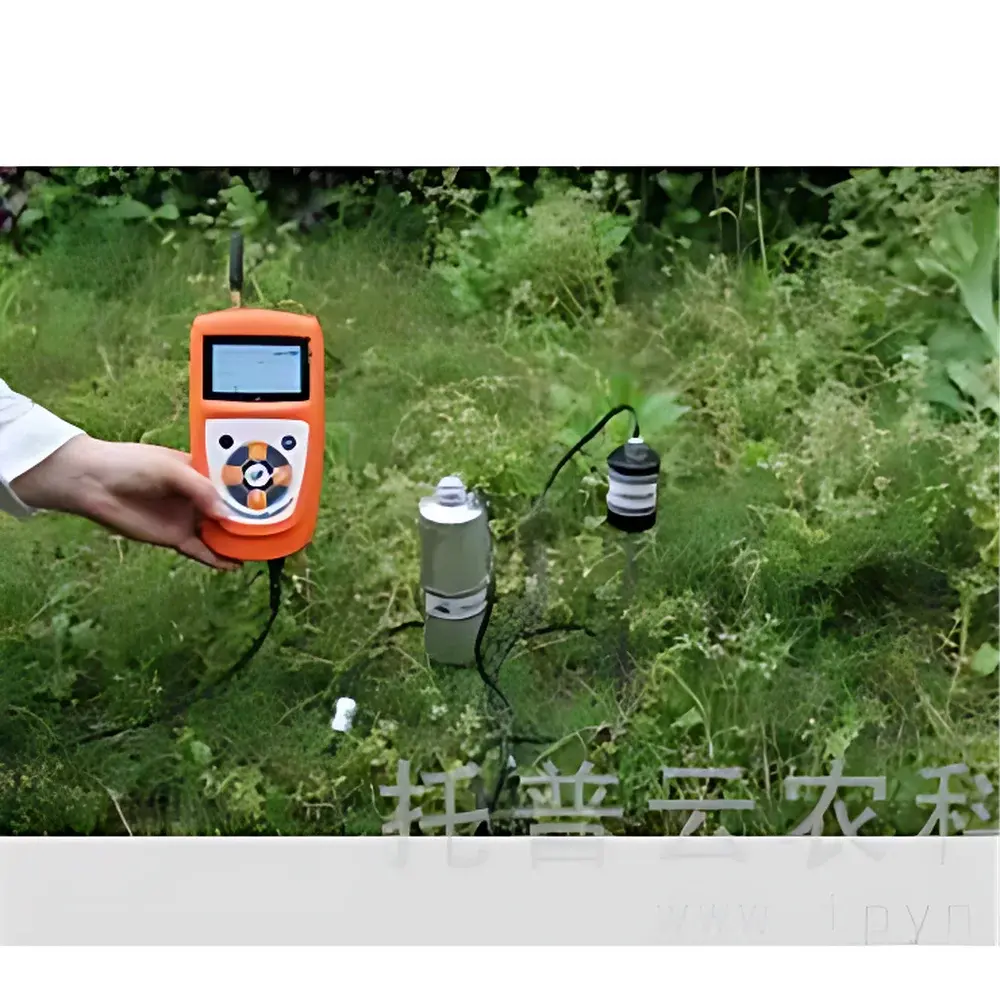
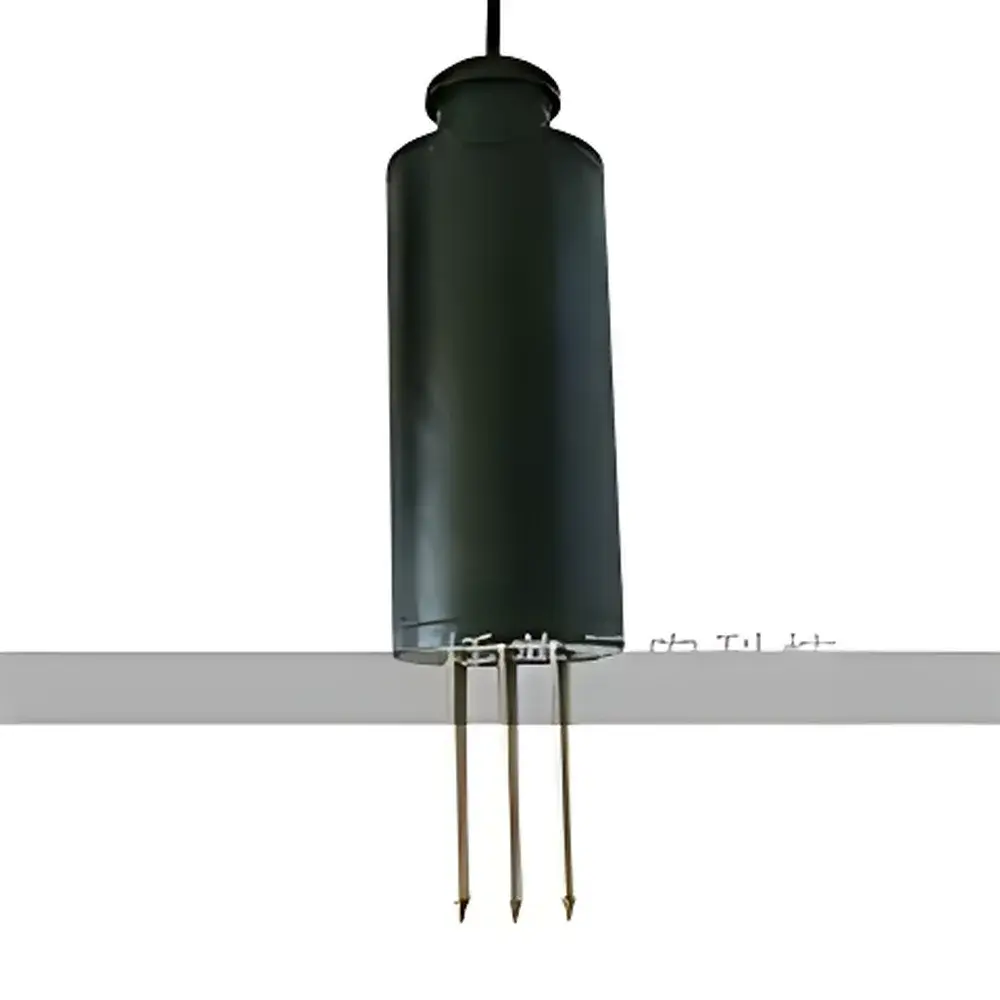
The Top Cloud-agri TZS-ECW-IG Portable Soil Salinity, Moisture & Temperature Analyzer is a field-deployable, multi-parameter soil sensor system engineered for precision agronomic monitoring and environmental assessment. It employs calibrated solid-state electrodes and capacitance-based dielectric sensing to simultaneously measure electrical conductivity (EC), volumetric water content (VWC), and soil temperature — three interdependent parameters critical for salinity stress evaluation, irrigation scheduling, and soil health diagnostics. Unlike laboratory-based EC extraction methods (e.g., saturated paste extract per ASTM D4292 or ISO 11265), the TZS-ECW-IG delivers in situ, real-time measurements without sample disturbance or extraction delay. Its probe design conforms to ISO 10390:2022 for direct insertion into undisturbed soil profiles, enabling rapid deployment across heterogeneous fields, greenhouse substrates, and remediation sites. The instrument is designed for continuous unattended operation in outdoor environments, meeting IP67-rated ingress protection for dust and temporary immersion — a requirement for long-term deployment in rain-prone or irrigated agricultural zones.
Key Features
- Triple-parameter simultaneous acquisition: EC (0–23 mS/cm), VWC (0–100% vol.), and temperature (–40 to +100 °C) via integrated, co-located sensors — minimizing spatial variability error.
- Embedded 5G/4G LTE modem with configurable transmission intervals (5 min to 99 h), supporting automatic data upload to cloud infrastructure without manual intervention.
- Dual storage architecture: 30,000 records retained in industrial-grade internal Flash memory; expandable to unlimited capacity via removable 4 GB microSD card (FAT32 formatted).
- On-device LCD interface with Chinese-language UI, displaying real-time readings, timestamp, GPS coordinates, battery status, and storage utilization.
- GPS-assisted georeferencing: Each measurement record includes WGS84 latitude/longitude metadata, essential for GIS integration and spatial interpolation (e.g., kriging or IDW mapping in QGIS or ArcGIS).
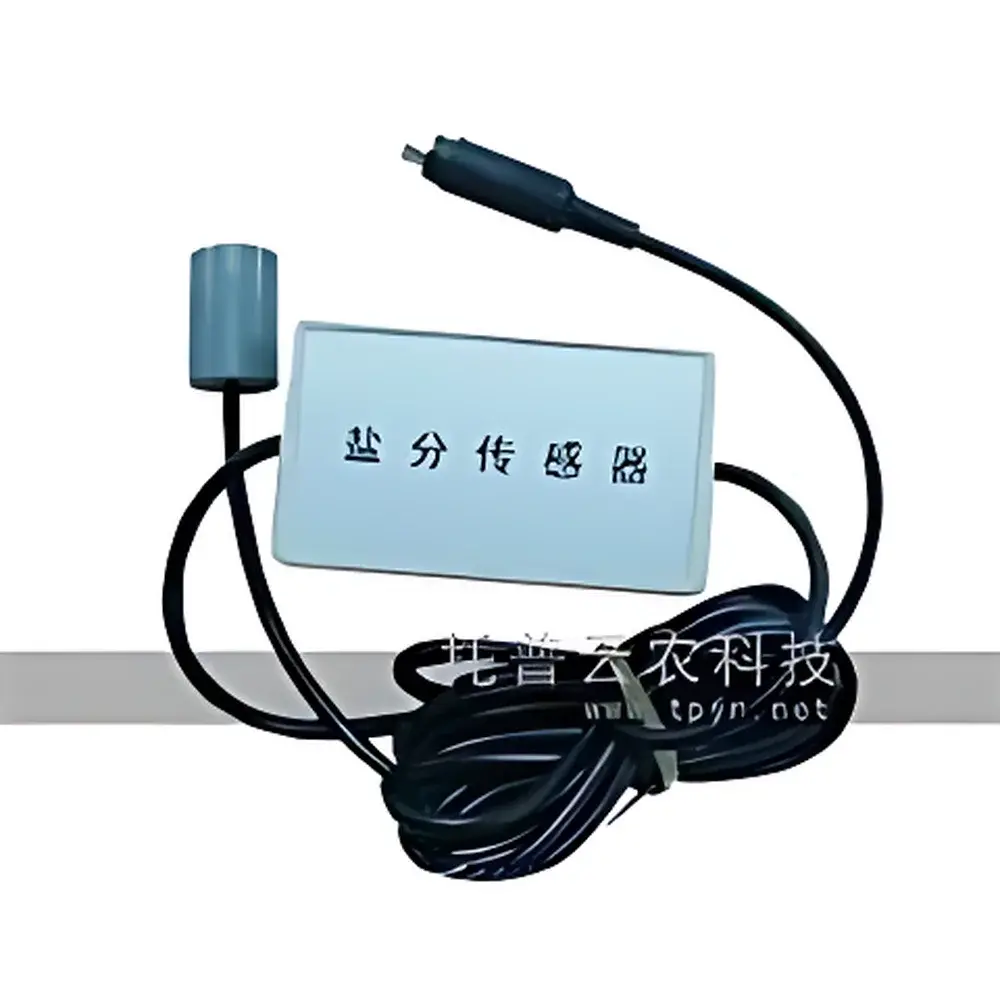
- Modular sensor expansion capability: Up to 32 additional analog or digital sensors (e.g., pH, NPK, CO₂) can be daisy-chained via IP67-rated junction box — maintaining individual calibration traceability.
- Low-power embedded architecture: Average standby current 7 days on full charge under typical 15-min sampling intervals.
- Voice-enabled alerting: Configurable Mandarin voice feedback for threshold exceedance (e.g., “Soil EC exceeds 4 mS/cm”), supporting remote decision-making in low-literacy or hands-busy scenarios.
Sample Compatibility & Compliance
The TZS-ECW-IG is validated for use in mineral soils (sand to clay loam), organic substrates (peat, coco coir), and hydroponic growing media. Its stainless-steel EC probe and capacitive moisture sensor are chemically inert to common agrochemical residues and resistant to corrosion from saline irrigation water (up to 23 mS/cm). Calibration protocols align with ISO 11260 (soil EC measurement) and ISO 11274 (soil water retention characterization). While not certified for GLP or FDA 21 CFR Part 11 compliance out-of-the-box, raw data export (CSV/Excel) supports traceable audit trails required for regulatory reporting under national soil monitoring frameworks (e.g., China’s National Soil Pollution Survey or EU CAP conditionality checks). Device firmware and cloud platform adhere to TLS 1.2+ encrypted data transmission standards.
Software & Data Management
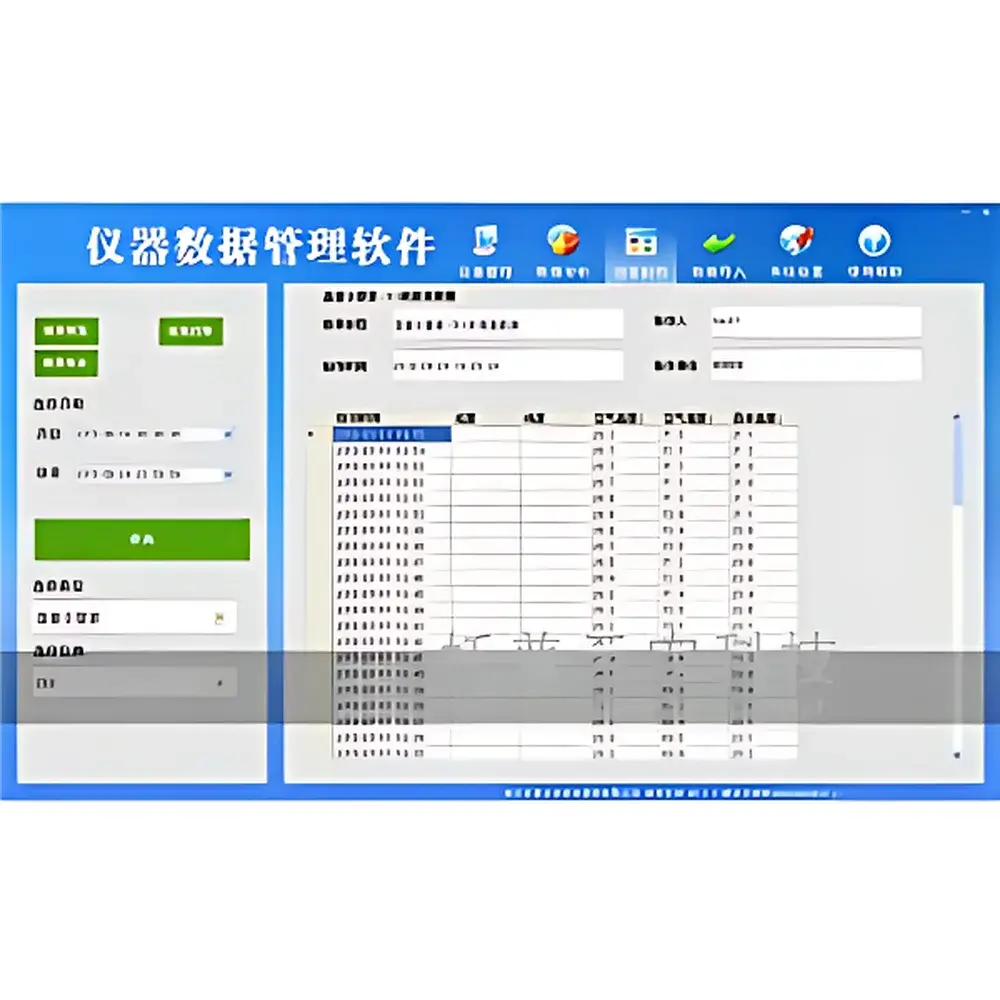
The proprietary Top Cloud-agri Instrument Management Platform operates on a hybrid C/S architecture, accessible via web browser (Chrome/Firefox/Edge) and native iOS/Android applications. All uploaded records include timestamps, GPS coordinates, sensor IDs, and environmental context tags. Data visualization tools support time-series trend analysis, scatter plots (e.g., EC vs. VWC), and custom report generation compliant with FAO-UNESCO soil classification templates. Export formats include CSV, PDF, and Excel — compatible with statistical packages (R, Python pandas) and farm management software (e.g., Granular, Climate FieldView). Firmware updates are delivered over-the-air (OTA), ensuring consistent feature parity across device fleets. Role-based user permissions (admin/operator/viewer) enable collaborative access control across research teams or extension service networks.
Applications
- Agronomic salinity screening: Rapid identification of salt-affected zones in rice paddies, orchards, and vegetable greenhouses — supporting targeted leaching or gypsum amendment decisions.
- Irrigation optimization: Correlating real-time VWC and EC trends to schedule deficit irrigation while avoiding osmotic stress thresholds (e.g., EC > 4 mS/cm for sensitive crops like strawberries).
- Soil health monitoring: Long-term tracking of salinization trends in reclaimed coastal farmland or arid-zone drip-irrigated systems.
- Environmental impact assessment: Baseline and post-intervention EC/VWC profiling for landfill leachate plume studies or wastewater irrigation projects.
- Educational fieldwork: Undergraduate soil science labs utilizing geotagged, timestamped datasets for spatial statistics coursework.
FAQ
What calibration standards are supported for the EC sensor?
The EC module is factory-calibrated using certified KCl standard solutions (1.413 mS/cm and 12.88 mS/cm at 25 °C) traceable to NIM (China National Institute of Metrology). Field recalibration is performed via two-point adjustment using portable EC standards.
Can the device operate continuously in flooded conditions?
The probe meets IP67 rating (1 m submersion for 30 min), but prolonged submersion beyond 72 hours may affect long-term electrode stability. For permanent installation in paddy fields, optional stainless-steel protective sleeves are recommended.
Is raw sensor data accessible for third-party integration?
Yes — the cloud API (RESTful JSON) provides authenticated access to time-series data, metadata, and device status. Documentation and sandbox credentials are available to registered institutional users.
How is temperature compensation applied to EC readings?
Automatic linear compensation (β = 2.0 %/°C) is applied per ISO 11265, referencing the measured soil temperature at the sensor tip — eliminating manual correction steps.
Does the platform support automated alerts via SMS or email?
Email notifications are configurable per user-defined thresholds; SMS integration requires local telecom gateway configuration and is available upon enterprise licensing.
Related Products







