
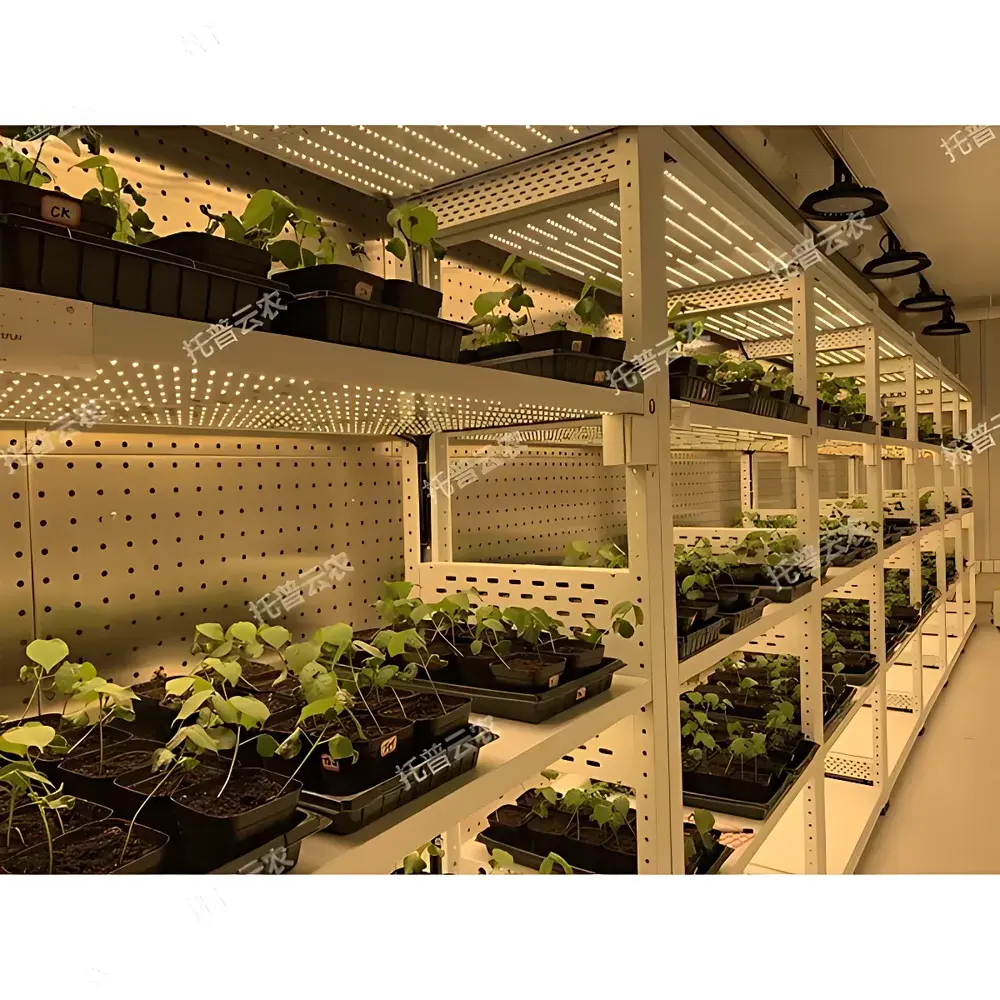
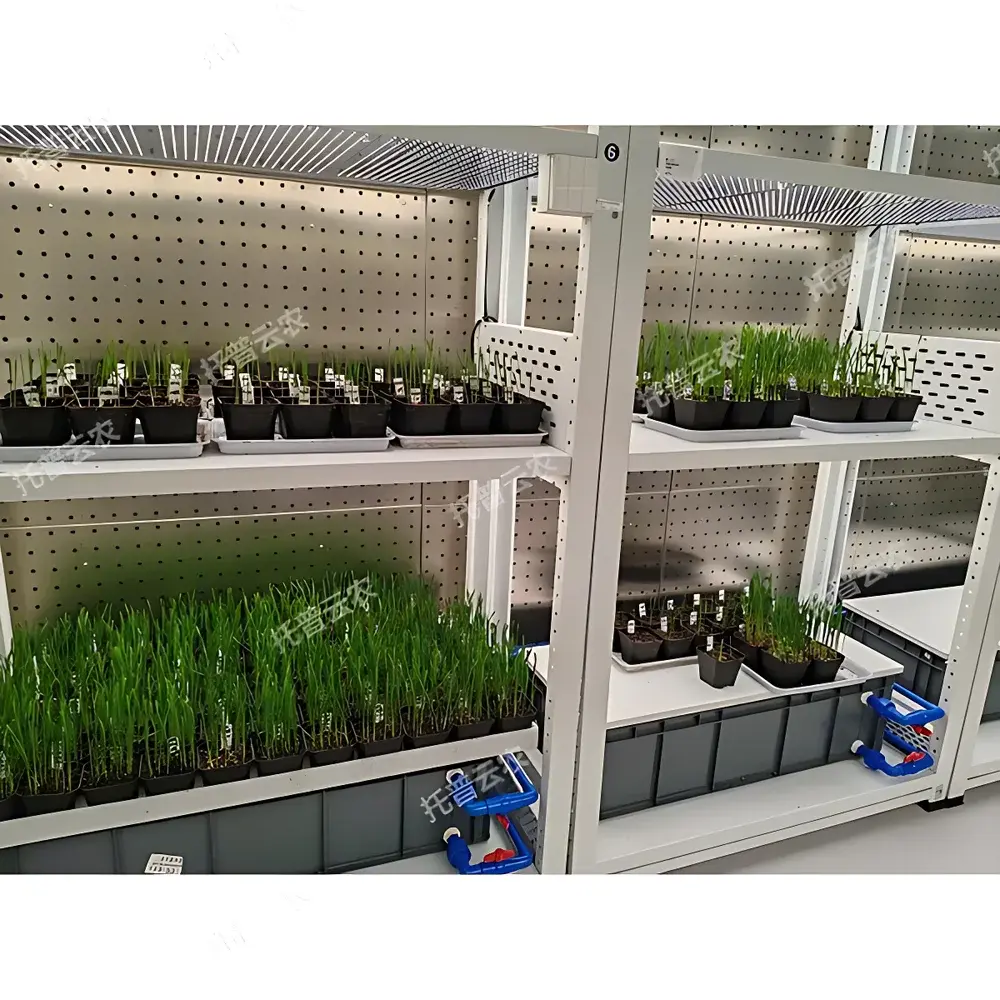
Top Cloud-agri TP-ZWC-1 Walk-in Plant Growth Chamber with Intelligent Environmental Control System
| Brand | Top Cloud-agri |
|---|---|
| Origin | Zhejiang, China |
| Manufacturer Type | Direct Manufacturer |
| Country of Origin | China |
| Model | TP-ZWC-1 |
| Pricing | Available Upon Request |
Overview
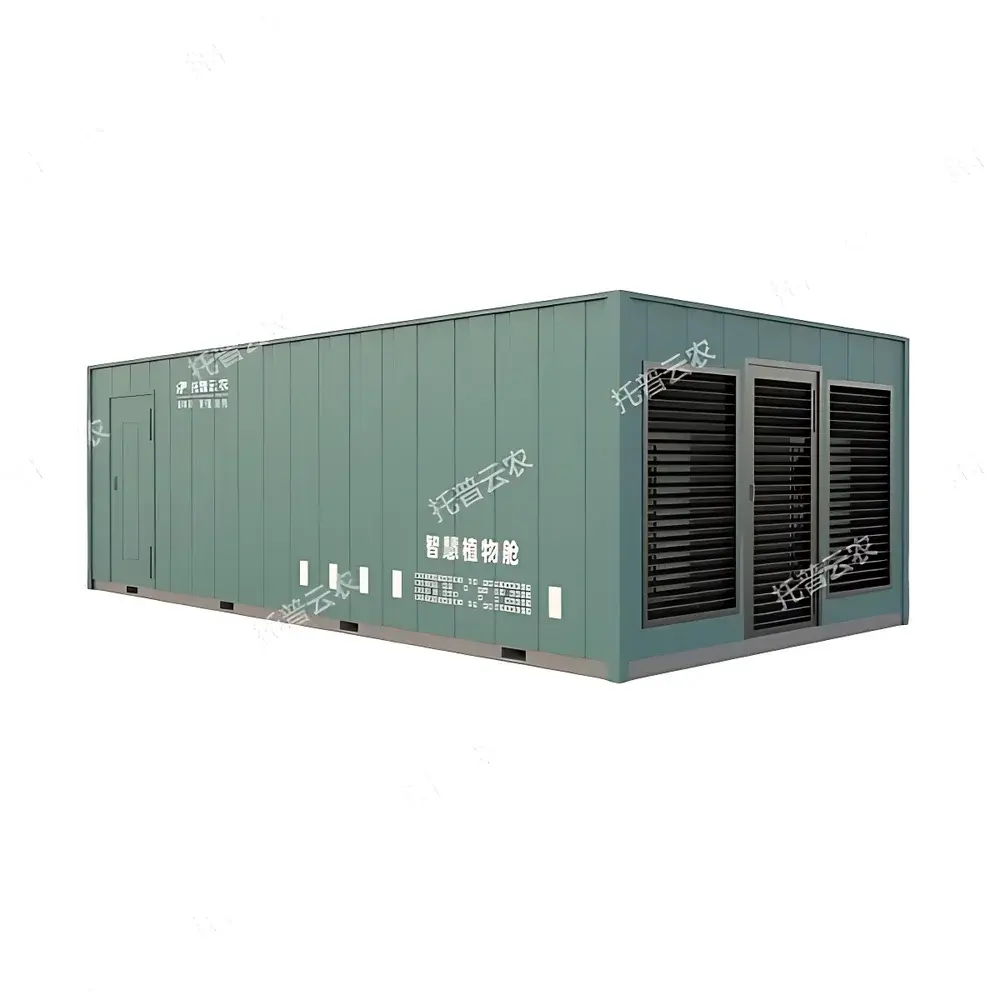
The Top Cloud-agri TP-ZWC-1 Walk-in Plant Growth Chamber is an engineered environmental simulation platform designed for controlled-environment plant science. Built upon a modular, containerized structural framework, it integrates precision climate control subsystems—including refrigeration, humidification, ventilation, CO₂ regulation, and full-spectrum LED lighting—to replicate terrestrial atmospheric conditions with high fidelity. Its operational principle centers on closed-loop feedback control of thermodynamic and gaseous parameters using industrial-grade sensors (PT100 temperature, capacitive humidity, NDIR CO₂, and photodiode-based PAR/LUX monitoring) coupled with PID-regulated actuators. This architecture enables reproducible simulation of diurnal cycles, seasonal transitions, and stress-condition environments—critical for phenotyping, germplasm evaluation, abiotic stress response studies, and pre-commercial crop acclimatization under GLP-aligned experimental protocols.
Key Features
- 24/7 programmable environmental emulation with up to 48 independent parameter sets—each defining time-synchronized profiles for temperature, relative humidity, light intensity, photoperiod, and CO₂ concentration.
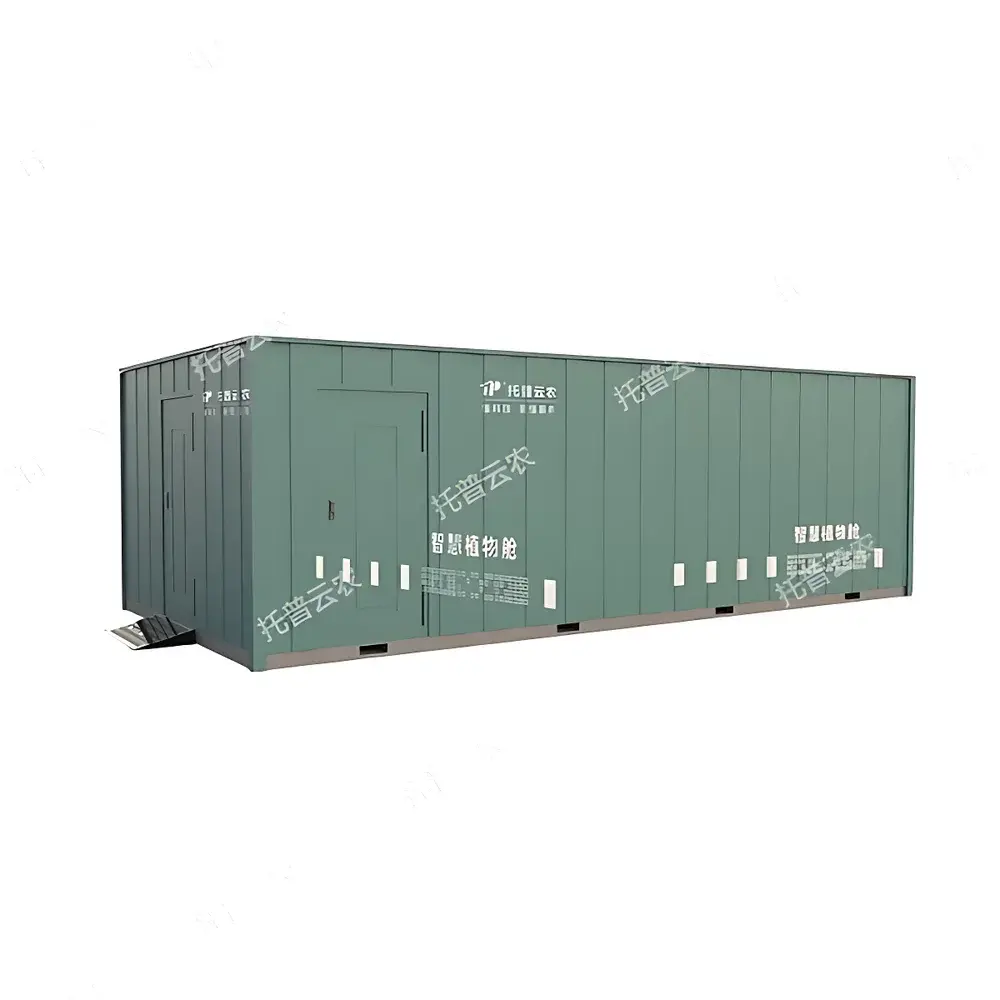
- Robust structural envelope: cold-rolled carbon steel outer shell with anti-corrosive epoxy coating; double-walled insulation using stainless-steel-faced polyurethane panels (fire-retardant grade B1 per GB 8624), ensuring thermal stability and mechanical integrity in remote deployment sites.
- Dual-layer tempered glass observation window with integrated blackout curtain for non-intrusive visual monitoring without thermal or photic disturbance.
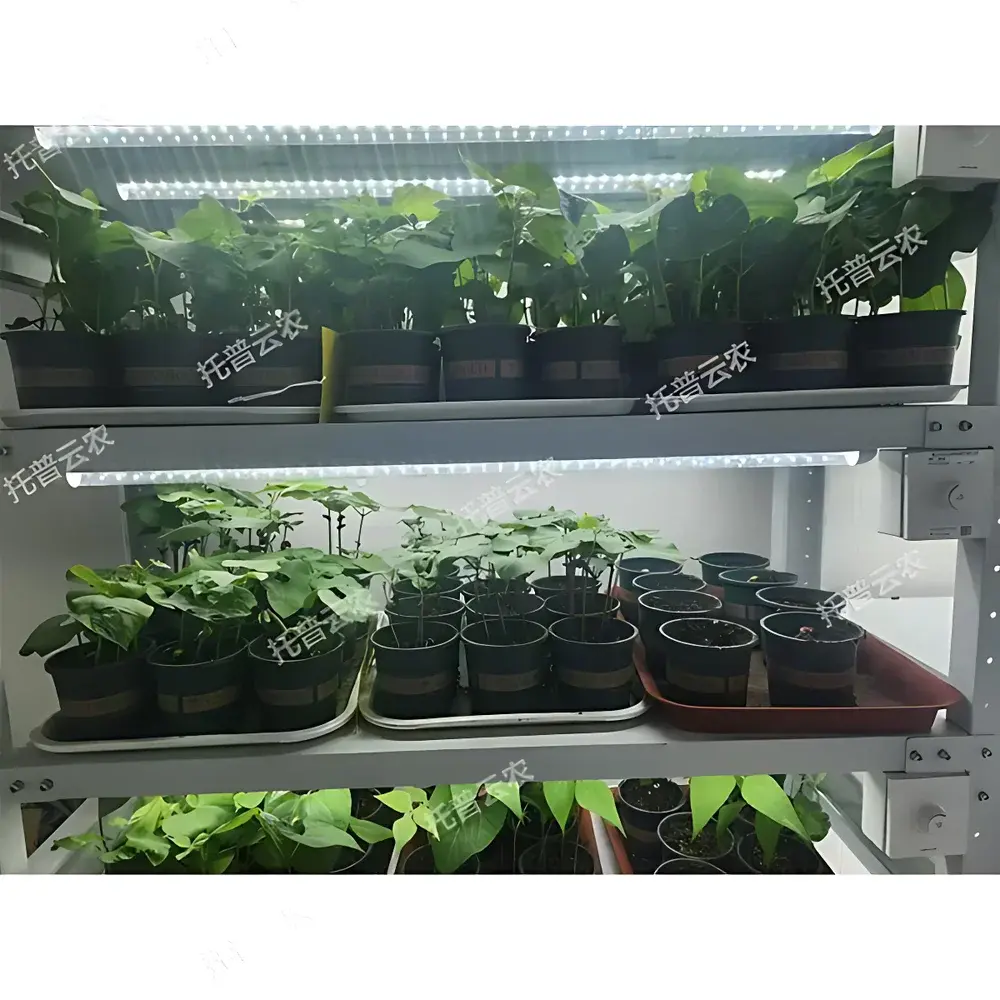
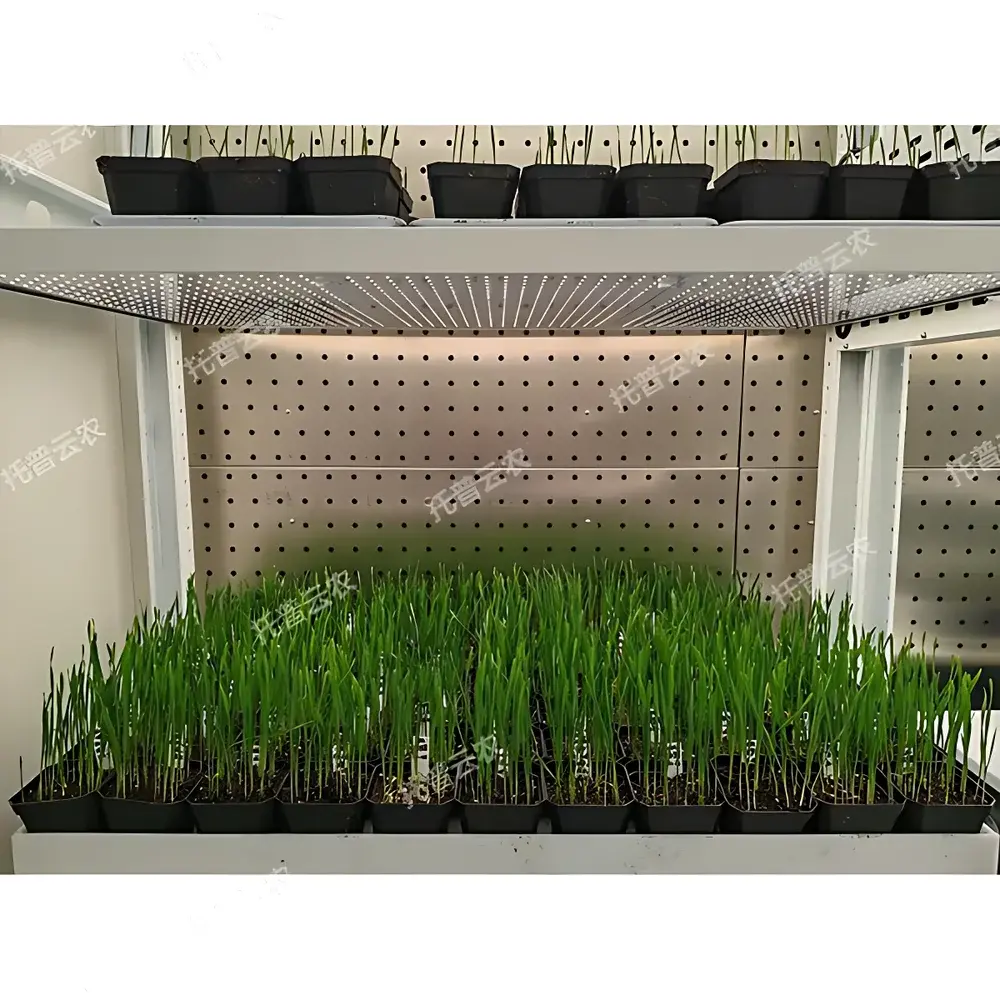
- Full-spectrum, dimmable LED lighting system with customizable spectral output (380–780 nm), adjustable irradiance (0–2000 µmol/m²/s PAR equivalent), and configurable photoperiod scheduling—compatible with light recipe libraries for species-specific growth optimization.
- Ultrasonic humidification system paired with a balanced air distribution network and total-heat recovery ventilation unit, achieving ≤±0.8°C temperature uniformity (at 25°C setpoint, 1m³ test volume) and ≤±5% RH spatial consistency across the chamber interior.
- Multi-modal sterilization suite: UV-C germicidal lamps (254 nm) plus ozone generation (O₃ concentration controllable within 0.01–0.1 ppm range), activated during unoccupied maintenance cycles to meet ISO 14644-1 Class 8 cleanroom-equivalent bio-containment requirements.
- Modular, height-adjustable cultivation racks fabricated from electropolished 304 stainless steel or anodized aluminum alloy—designed for load-bearing stability, corrosion resistance, and compatibility with automated irrigation add-ons.
Sample Compatibility & Compliance
The TP-ZWC-1 accommodates whole-plant specimens (seedlings to mature vegetative or reproductive-stage crops), tissue culture vessels, hydroponic modules, and microcosm-scale soil columns. Its internal dimensions support standard ISO 11784-compliant tray configurations and allow integration with third-party sensor nodes (e.g., soil moisture, root-zone O₂). The system complies with IEC 61000-6-2 (EMC immunity) and IEC 61000-6-4 (EMC emission) standards. While not certified to UL 61010-1 or EN 61010-1 out-of-the-box, its electrical architecture adheres to fundamental safety principles required for laboratory-grade equipment. Optional validation packages support IQ/OQ documentation aligned with ASTM E145-22 (Standard Specification for Gravity-Convection and Forced-Ventilation Ovens) and ISO 17025 traceability frameworks.
Software & Data Management
A 10-inch industrial touchscreen HMI provides localized operation with intuitive Chinese/English bilingual menus. All environmental parameters—including real-time temperature (±0.1°C resolution), humidity (±1% RH), CO₂ (±50 ppm), and light intensity—are logged at user-configurable intervals (1 sec–60 min) into embedded non-volatile memory (≥12 months at 1-min sampling). The integrated IoT communication module supports Modbus TCP, MQTT, and HTTP(S) APIs for seamless integration into enterprise LIMS or SCADA platforms. Remote access via web browser or mobile application enables live curve visualization, historical trend analysis, alarm event review (with timestamped audit trail), and secure firmware updates—all compliant with FDA 21 CFR Part 11 requirements when deployed with optional electronic signature and role-based access control (RBAC) configuration.
Applications
- Controlled-environment phenotyping for drought, heat, cold, and elevated CO₂ tolerance screening.
- Pre-breeding nursery operations supporting accelerated generation advancement (AGA) in cereals, legumes, and horticultural species.
- Ecophysiology research on plant–atmosphere interactions under simulated climate change scenarios.
- Quarantine-compliant germplasm holding and pathogen-free seedling production for island, offshore, or polar field stations.
- Bioregenerative life support system (BLSS) prototyping for space agriculture R&D programs.
- Validation of agronomic practices (e.g., fertigation schedules, pruning regimes) prior to open-field trials.
FAQ
What is the maximum internal operating temperature and humidity range?
The chamber maintains stable conditions between 0°C and 45°C at 35–95% RH (non-condensing); extended ambient operation is supported from –40°C to +52°C external temperature.
Can the lighting spectrum be customized for specific plant species?
Yes—spectral composition (blue/red/far-red/white ratios), intensity, and photoperiod are fully programmable via the HMI or remote API.
Is the system compatible with automated irrigation or nutrient delivery systems?
It supports third-party integration through dry-contact relay outputs and analog 4–20 mA inputs for pump control, EC/pH monitoring, and drip scheduling.
Does the chamber meet international regulatory requirements for GxP-compliant research?
With optional validation documentation and audit-trail-enabled software configuration, it supports GLP/GMP-aligned workflows per ISO/IEC 17025 and OECD GLP Principles.
What remote connectivity options are available?
Ethernet (RJ45), Wi-Fi 5 (802.11ac), and optional 4G LTE cellular backup—enabling cloud-based data synchronization and multi-user role management.



