
Top Cloud-agri TP-GP-YC Plant Phenotyping System for Traditional Chinese Medicine (TCM) Quality Assessment
| Brand | Top Cloud-agri |
|---|---|
| Origin | Zhejiang, China |
| Manufacturer Type | Direct Manufacturer |
| Country of Origin | China |
| Model | TP-GP-YC |
| Pricing | Upon Request |
| Visible Light Imaging | 26 MP industrial RGB camera with uniform diffused LED illumination |
| Hyperspectral Imaging | 400–1000 nm spectral range |
| Background Plate | 450 mm × 450 mm |
| Weighing Module | Integrated load cell, 0.1 g resolution, 3 kg max capacity, auto-tare & zero |
| Power Supply | AC 220 V, 50 Hz |
| Max Power Consumption | <100 W |
| Operating Temperature | 0–40 °C |
| Relative Humidity | ≤90% RH |
Overview
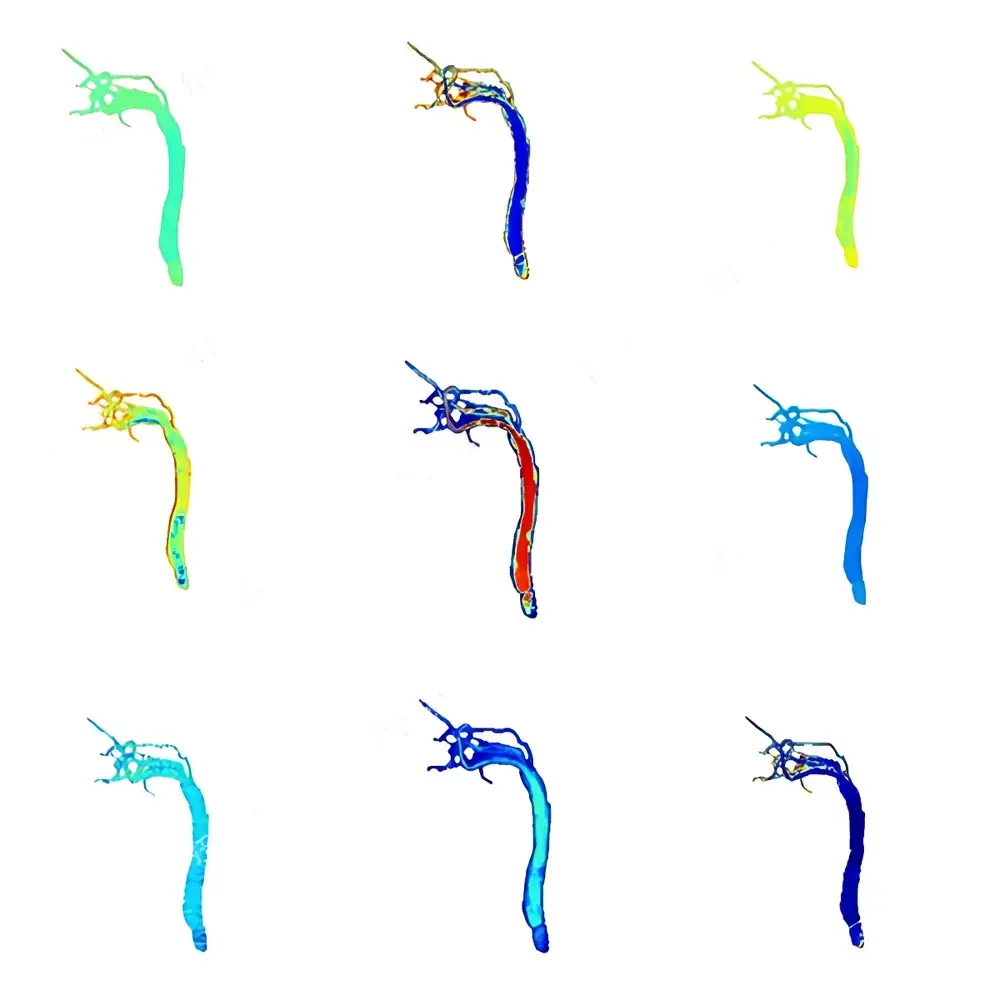
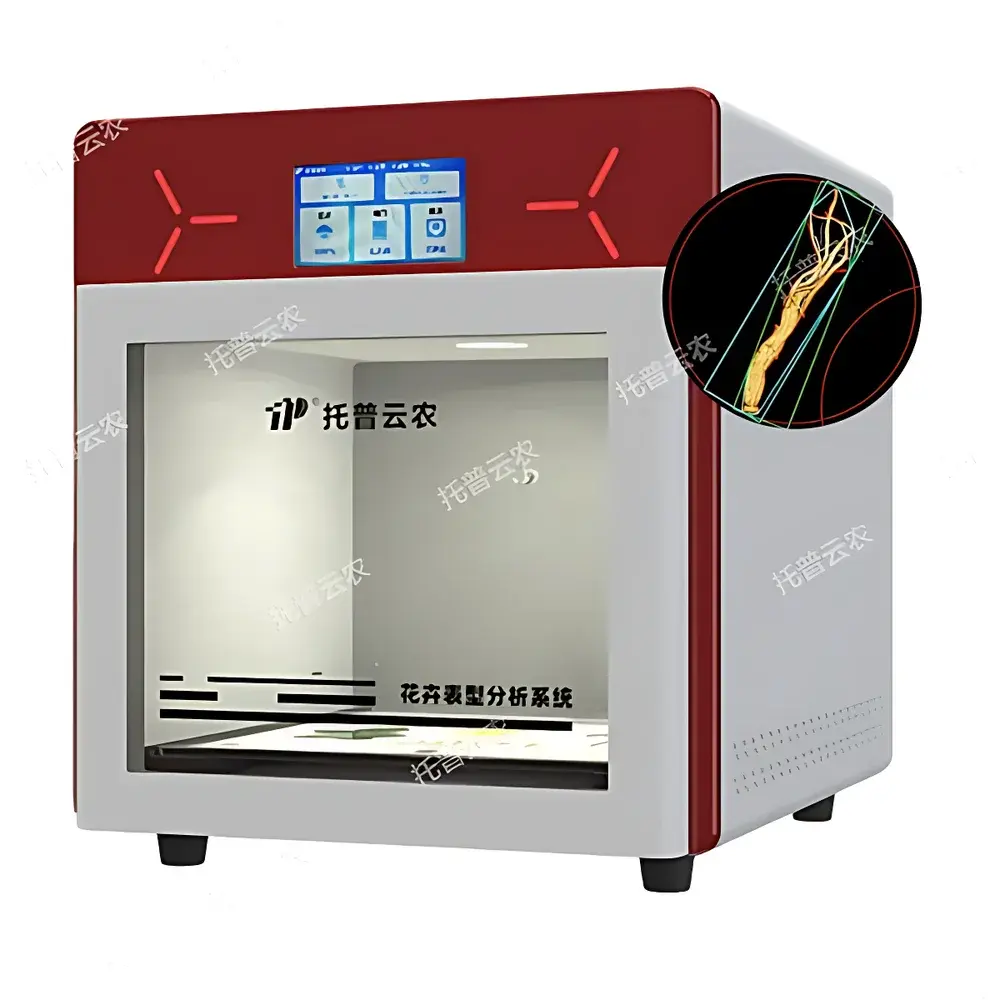
The Top Cloud-agri TP-GP-YC Plant Phenotyping System for Traditional Chinese Medicine (TCM) Quality Assessment is a purpose-built, non-destructive analytical platform engineered for standardized, high-throughput phenotypic characterization of raw medicinal plant materials. It integrates visible-light imaging, hyperspectral reflectance spectroscopy (400–1000 nm), and precision mass metrology within a single, enclosed dark-room architecture—eliminating ambient light interference and ensuring measurement repeatability across operational environments. The system operates on the principle of multi-modal optical phenotyping: visible imaging quantifies macroscopic morphological traits (e.g., size, shape, color distribution), while hyperspectral data enables chemometric modeling of internal quality attributes—including moisture content, active compound concentration (e.g., alkaloids, flavonoids, glycosides), ash content, and spectral signatures associated with insect infestation or fungal degradation. Designed specifically for TCM supply chain stakeholders—including herbal procurement centers, decoction piece manufacturers, and QC laboratories—the TP-GP-YC delivers traceable, digitized phenotypic metrics aligned with pharmacopoeial evaluation frameworks and Good Manufacturing Practice (GMP) documentation requirements.
Key Features
- Multi-spectral acquisition synchronized with real-time mass measurement: All imaging and weighing events are timestamped and co-registered to ensure data integrity and audit readiness.
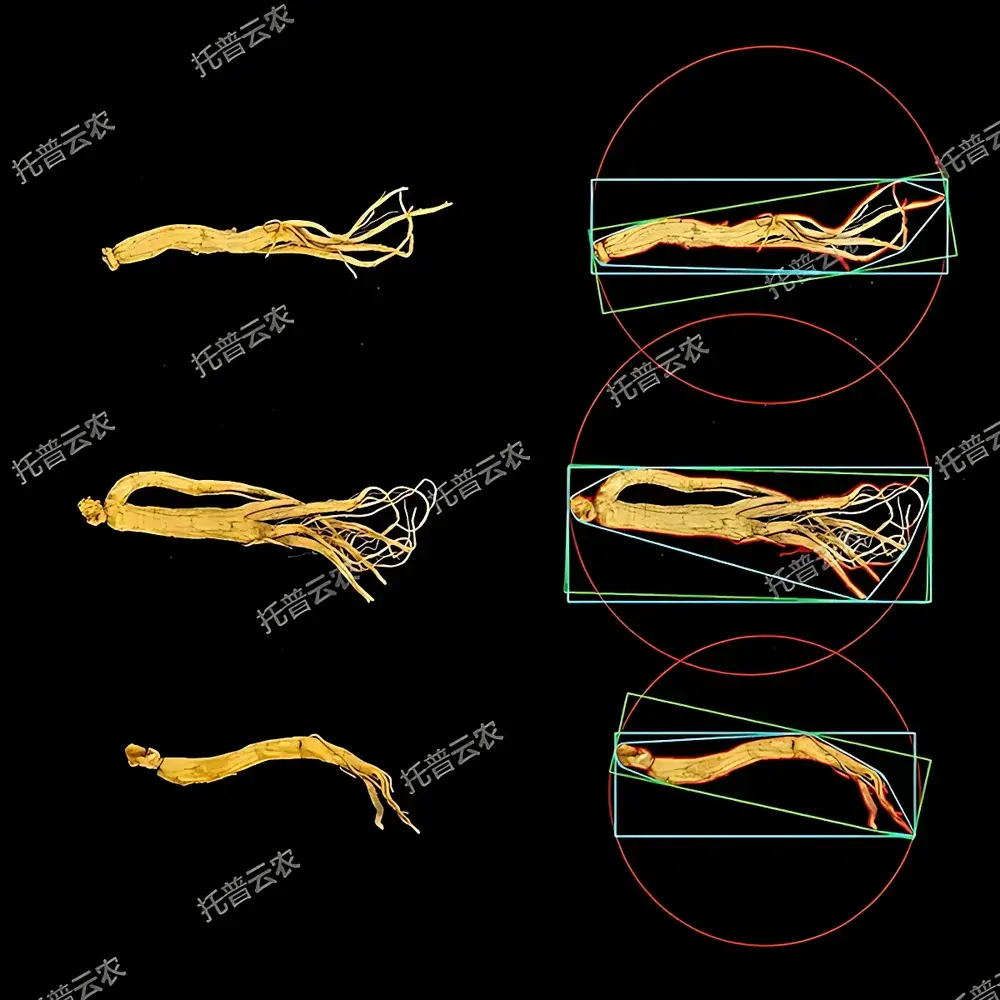
- Automated morphological trait extraction: Proprietary computer vision algorithms perform sub-3-second segmentation and geometric analysis—computing length, width, perimeter, area, circularity, aspect ratio, and CIELAB color space coordinates (L*, a*, b*) for each sample.
- Modular sample handling: A motor-assisted pull-out tray with standardized positioning guides ensures consistent sample placement relative to both imaging planes and the load cell, minimizing operator-induced variability.
- Embedded calibration traceability: Onboard reference tiles (spectral and geometric) enable routine verification of radiometric stability and spatial accuracy—supporting ISO/IEC 17025-compliant instrument qualification protocols.
- Zero-crossing weight stabilization logic: The integrated 0.1 g resolution load cell employs dynamic filtering to suppress vibration artifacts, delivering stable mass readings even during rapid sequential sample loading.
Sample Compatibility & Compliance
The TP-GP-YC accommodates dried whole herbs, sliced rhizomes, roots, fruits, seeds, and bark fragments ranging from 5 mm to 200 mm in longest dimension. Its 450 mm × 450 mm imaging stage supports batch analysis of up to 12 medium-sized samples per cycle without repositioning. The system conforms to electromagnetic compatibility (EMC) standards IEC 61326-1 and safety standard IEC 61010-1. While not certified as medical device hardware, its data output structure aligns with FDA 21 CFR Part 11 requirements for electronic records—featuring user-authenticated sessions, immutable audit trails, and exportable metadata logs containing image EXIF tags, spectral cube headers, and weight timestamps. All exported datasets retain full provenance linkage between raw images, processed features, and physical measurements—enabling retrospective review under GLP or GMP audit conditions.
Software & Data Management
The proprietary PhenotypeStudio™ software provides a validated workflow environment supporting method development, batch processing, and report generation. Users define custom analysis templates—including region-of-interest (ROI) masks for localized spectral analysis—and save them as reusable protocols. Image archives are stored in DICOM-compatible hierarchical folders, with automatic filename generation (e.g., “TPGPYC_20240522_143218_SampleID07_RGB.tiff”). Hyperspectral cubes are saved in ENVI .hdr/.dat format, preserving wavelength calibration and radiometric gain settings. Data exports include CSV files with trait matrices, annotated PNG overlays, and Word (.docx) reports embedding original images, statistical summaries, and pass/fail flags against user-defined specification limits (e.g., moisture ≤12.5%, L* ≥42.0). Cloud synchronization uses TLS 1.2-encrypted HTTPS endpoints; no raw data is processed or retained on remote servers.
Applications
- Procurement grading: Objective classification of raw herbs by morphometric uniformity and spectral similarity to reference standards.
- Decoction piece QC: Verification of slice thickness consistency and detection of surface discoloration indicative of oxidation or improper drying.
- Stability monitoring: Longitudinal tracking of spectral shifts (e.g., chlorophyll degradation at 680 nm, polyphenol oxidation bands near 450 nm) during storage trials.
- Adulterant screening: Discriminant analysis of hyperspectral fingerprints to identify substitution with non-pharmacopeial species or fillers.
- Process validation: Correlation of imaging-derived metrics (e.g., surface roughness, color homogeneity) with extract yield and HPLC-UV assay results.
FAQ
Does the system require external calibration standards for daily use?
No—built-in spectral and geometric references allow automated daily verification. However, annual third-party calibration of the load cell and radiometric response is recommended for GMP-regulated environments.
Can hyperspectral models be transferred between instruments?
Yes—models trained on one TP-GP-YC unit can be deployed on others after cross-instrument spectral normalization using factory-acquired white/dark reference spectra.
Is the software compatible with LIMS integration?
Yes—PhenotypeStudio™ supports ASTM E1482-compliant XML export and ODBC connectivity for direct ingestion into major laboratory information management systems.
What is the minimum sample mass required for reliable moisture estimation?
For robust chemometric prediction, ≥5 g of homogenized material is advised; however, the system can acquire spectral data from single intact roots or leaves as small as 0.5 g.
How is data security managed during cloud upload?
All uploads are encrypted in transit (AES-256) and at rest; users retain full ownership and may revoke access or delete cloud copies at any time via the web portal.




