
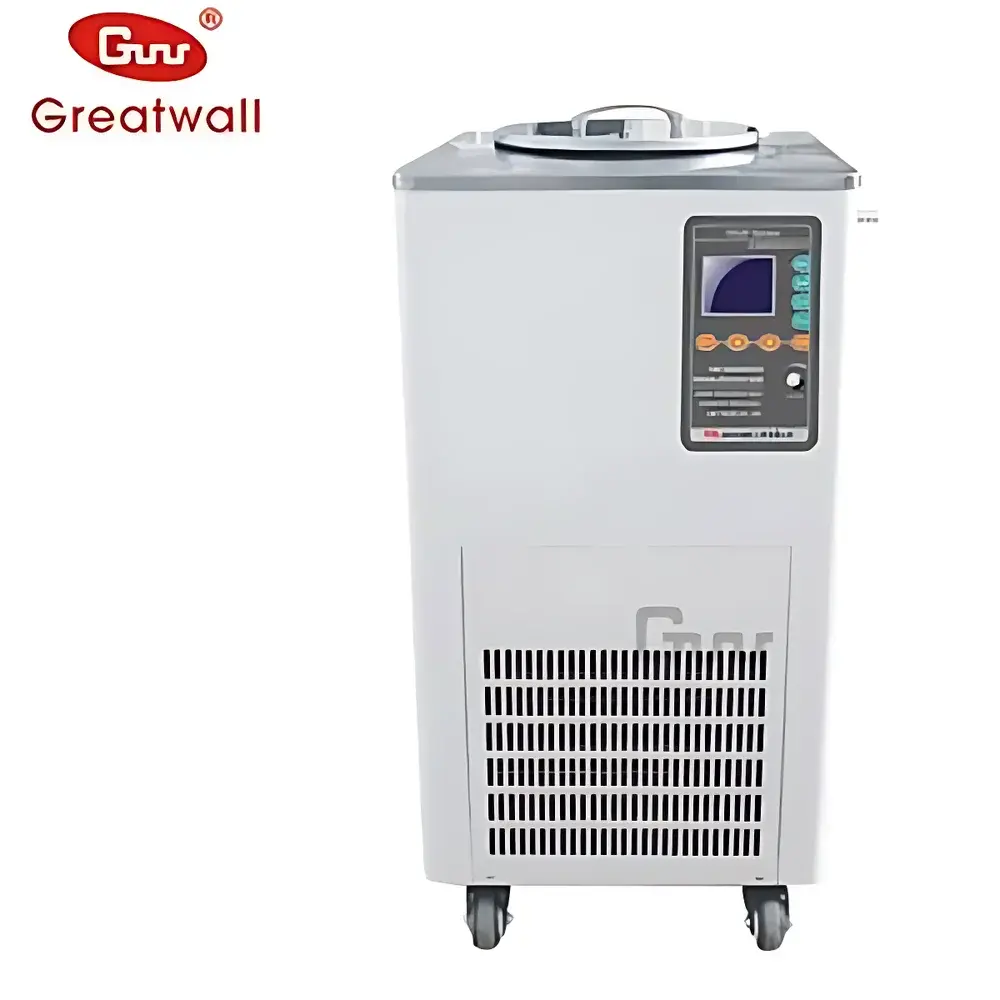
The Great Wall DHJF-4020 Cryogenic Circulating Thermostatic Bath with Magnetic Stirring
| Brand | The Great Wall |
|---|---|
| Origin | Henan, China |
| Manufacturer Type | Direct Manufacturer |
| Country of Origin | China |
| Model | DHJF-4020 |
| Price Range | USD 1,400–7,200 |
| Temperature Range | −40 °C to +99 °C |
| Temperature Stability | ±0.5 °C |
| Bath Volume | 20 L |
| Bath Dimensions (Ø × H) | 300 mm × 300 mm |
| Opening Diameter | 280 mm |
| Max Flask Capacity | 5000 mL |
| Heating Power | 1500 W |
| Refrigeration Capacity | 50–2480 W (at −40 °C to +20 °C ambient) |
| Pump Flow Rate | 20 L/min |
| Pump Pressure | 0.4 bar |
| Ambient Operating Temperature | 5–25 °C |
| Power Supply | 220 V, 50 Hz, Single-Phase |
| Total Power Consumption | 2870 W |
| Housing Material | Cold-Rolled Steel with Electrostatic Powder Coating |
| External Dimensions (L×W×H) | 595 × 535 × 1010 mm |
| Net Weight | 95 kg |
Overview
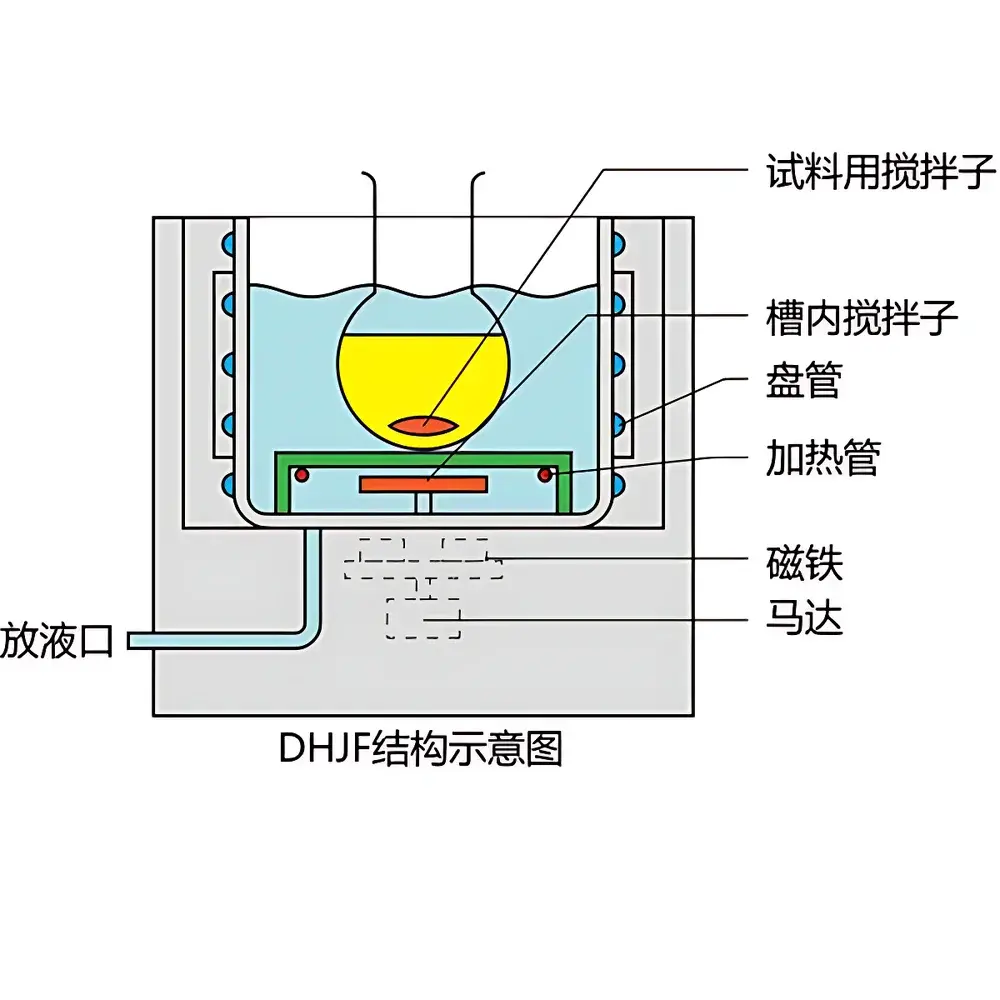
The Great Wall DHJF-4020 Cryogenic Circulating Thermostatic Bath with Magnetic Stirring is an integrated laboratory temperature control system engineered for precise, stable, and reproducible thermal management of reaction vessels under dynamic conditions. Unlike conventional dry ice or liquid nitrogen baths—which introduce thermal gradients, handling hazards, and operational inconsistency—the DHJF-4020 employs a closed-loop refrigeration circuit based on a high-efficiency hermetic compressor (from a globally recognized OEM supplier), combined with electric resistance heating and PID-controlled digital regulation. This architecture enables continuous operation across a wide thermal envelope of −40 °C to +99 °C, with a certified stability of ±0.5 °C at setpoint—critical for kinetic studies, enzymatic assays, low-temperature catalysis, and controlled crystallization protocols. Its 20 L stainless-steel-lined bath accommodates standard laboratory glassware up to 5 L capacity (e.g., 5000 mL three-neck flasks), while the built-in magnetic stirrer ensures homogeneous temperature distribution without mechanical seal leakage or contamination risk.
Key Features
- Digitally controlled temperature interface with real-time LED display and intuitive keypad navigation—enabling rapid setpoint entry, ramp programming, and deviation monitoring.
- Sealed permanent-magnet stirring mechanism rated for continuous operation at speeds up to 1200 rpm, compatible with PTFE-coated stir bars up to 80 mm length.
- Optional secondary internal circulation stirrer (available as factory-configured option) enhances thermal uniformity in high-viscosity or layered reaction mixtures.
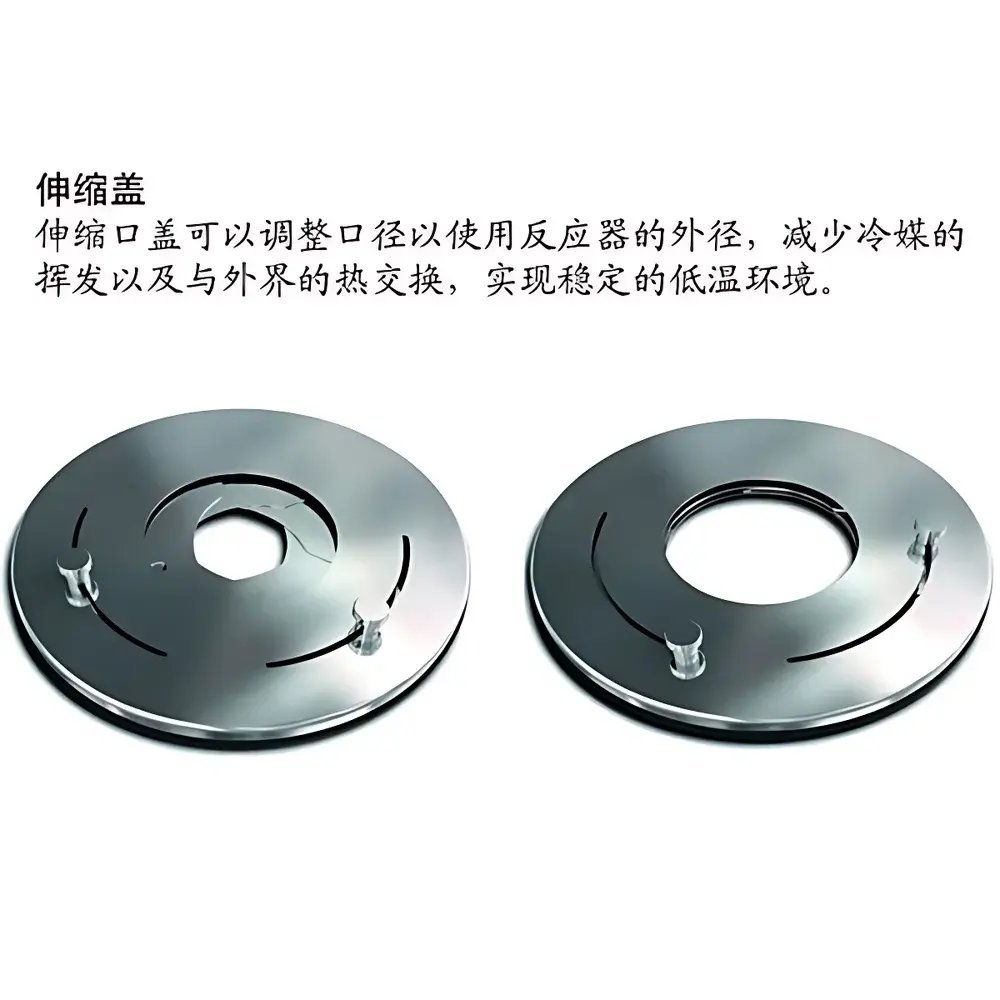
- Adjustable insulated bath cover with variable aperture (200–280 mm diameter) minimizes cryogen evaporation and ambient heat ingress during prolonged sub-zero operation.
- Dedicated vertical support rod (M12 thread, 600 mm height) allows secure mounting of pH electrodes, temperature probes, burettes, condensers, or reflux adapters—eliminating need for external clamps.
- Front-mounted drain valve with quick-connect fitting enables safe, residue-free bath fluid replacement—compatible with water, ethanol/water mixtures, silicone oils, and low-toxicity synthetic heat-transfer fluids (e.g., Dowtherm J).
- Industrial-grade compressor unit with copper-aluminum microchannel condenser and R404A/R134a dual-refrigerant capability ensures reliable performance under sustained load at −40 °C ambient minimum.
Sample Compatibility & Compliance
The DHJF-4020 is routinely deployed in GLP-compliant environments for applications requiring strict thermal traceability—including enzyme activity profiling (per ISO 11352), polymerization onset temperature determination (ASTM D3895), and pharmaceutical stability testing (ICH Q1A). Its temperature controller logs setpoint history with timestamp resolution of 1 second and supports optional RS485/Modbus RTU output for integration into centralized LIMS or SCADA systems. While not intrinsically rated for Class I Div 1 hazardous locations, the unit complies with IEC 61010-1:2010 for electrical safety in laboratory equipment and meets CE marking requirements for EMC (EN 61326-1) and low-voltage directive (2014/35/EU). All wetted components—including bath liner, pump head, and tubing—are chemically resistant to common organic solvents and aqueous buffers within the specified operating range.
Software & Data Management
Standard configuration includes standalone digital PID control with non-volatile memory retention for up to 10 user-defined temperature profiles. Optional PC connectivity via USB-to-RS485 adapter enables remote parameter adjustment and real-time data acquisition using The Great Wall’s proprietary ThermostatLink™ software (Windows 10/11 compatible). The software supports CSV export of time-stamped temperature, power draw, and error code logs—facilitating audit-ready documentation per FDA 21 CFR Part 11 when paired with user authentication and electronic signature modules (sold separately). No cloud dependency or subscription model is required for core functionality.
Applications
- Low-temperature organic synthesis (e.g., Grignard additions, lithiation, Diels–Alder cycloadditions)
- Enzyme kinetics and protein folding studies requiring precise thermal ramps (−20 °C to +45 °C)
- Calibration of thermocouples, RTDs, and infrared pyrometers against NIST-traceable references
- Viscosity measurements of shear-thinning fluids under controlled thermal conditions
- Photoreaction control in UV-Vis spectroscopy cells and flow-through cuvettes
- Pre-cooling of GC injectors, HPLC columns, and mass spectrometer ion sources
FAQ
Can the DHJF-4020 maintain −40 °C continuously with a 5 L flask immersed?
Yes—provided ambient temperature remains ≤25 °C and the bath fluid is a low-freezing-point mixture (e.g., 30% ethylene glycol/water). Full-load cooling capacity at −40 °C is 50 W; thermal load must remain within this limit for sustained stability.
Is the magnetic stirrer speed independently adjustable from temperature control?
Yes. Stirring speed is controlled via a dedicated rotary encoder with 10-step increment resolution (0–1200 rpm), decoupled from thermal regulation logic.
What maintenance intervals are recommended for long-term reliability?
Compressor oil level and refrigerant pressure should be verified annually by certified technician. Bath fluid must be replaced every 6 months if used below 0 °C, or every 12 months under ambient cycling conditions.
Does the unit support external temperature feedback from a probe placed inside the reaction vessel?
No—standard configuration uses only internal bath sensor feedback. An external PT100 input port is available as a factory-installed option (Model DHJF-4020-EXT) for jacketed reactor or inline process control.



