
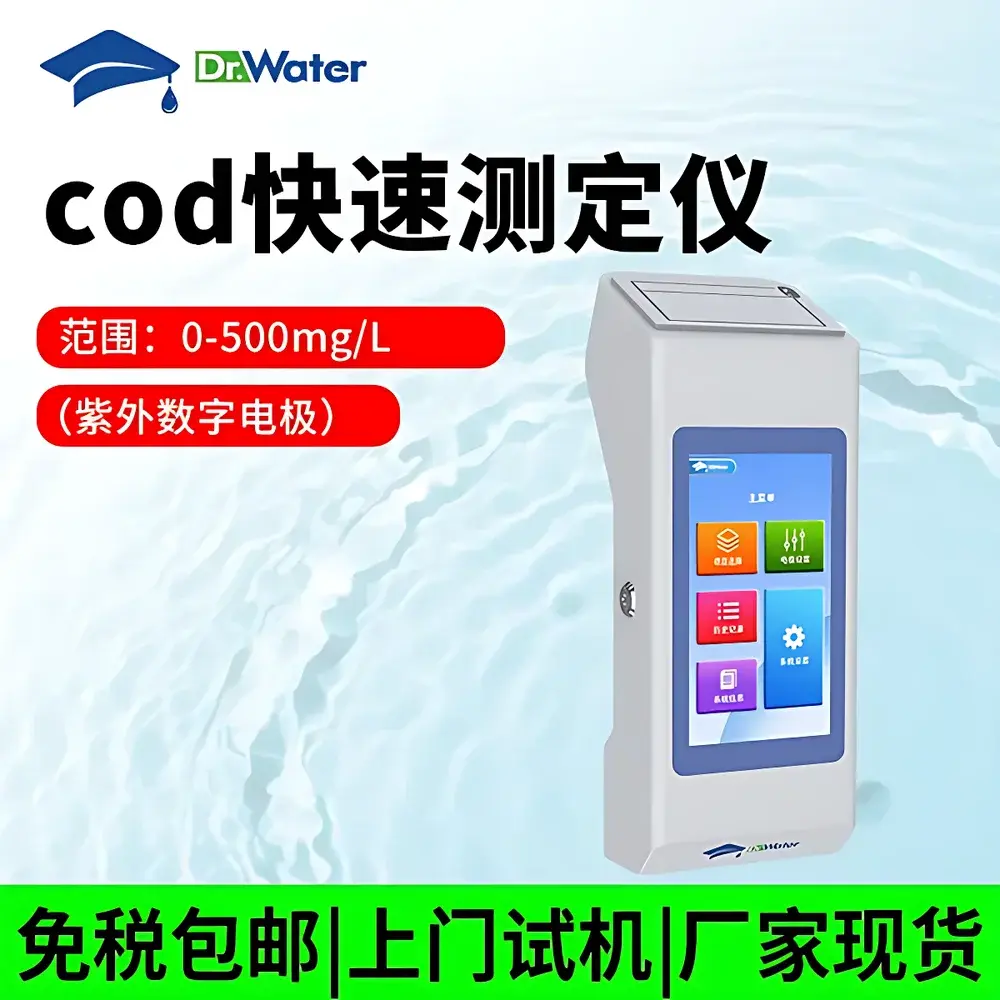
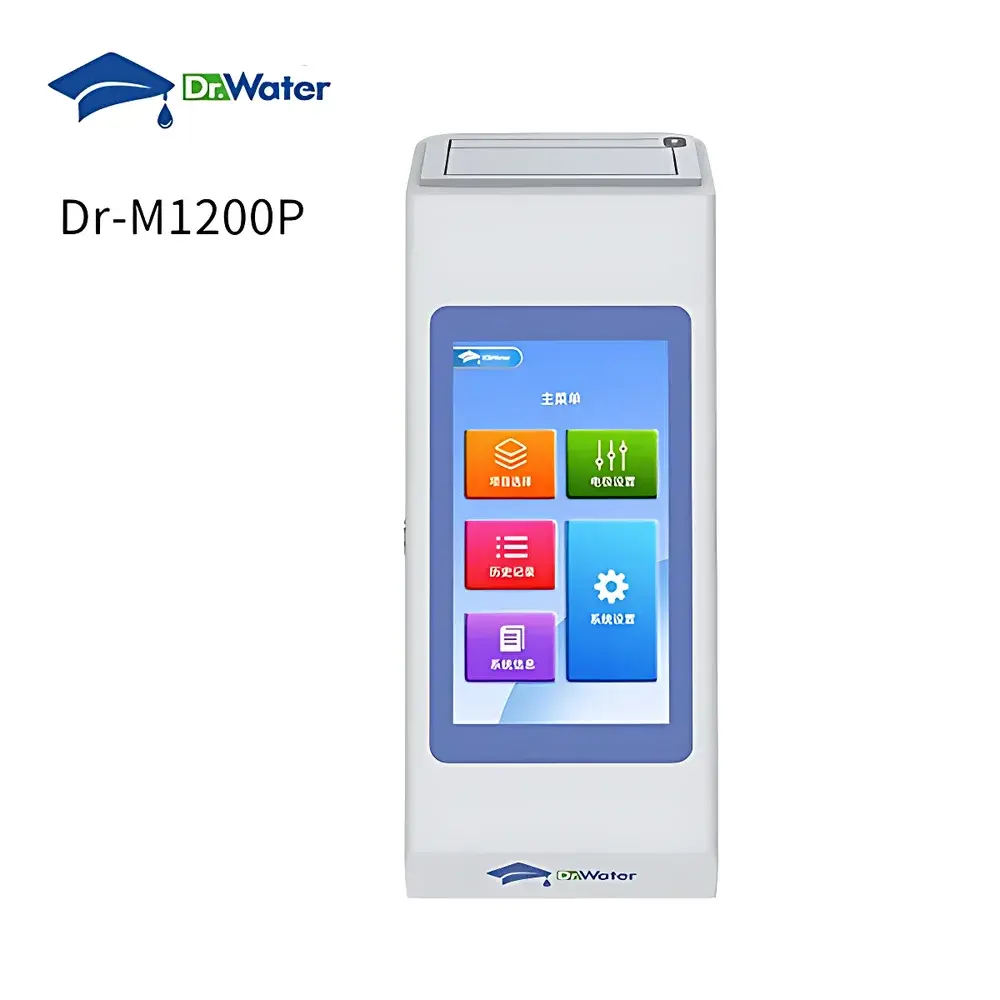
Dr-M1201P Portable Multi-Parameter Water Quality Analyzer (COD, NH₃-N, pH, DO, EC, Turbidity, ORP, TDS, Chlorophyll-a, etc.) by DoctorWater
| Brand | DoctorWater |
|---|---|
| Origin | Hunan, China |
| Model | Dr-M1201P |
| Instrument Type | Portable |
| Measurement Principle | Electrochemical Sensing (Reagent-Free) |
| COD Range | 0–500 mg/L |
| Accuracy | ≤ ±5% FS |
| Detection Limit | Not Applicable (Reagent-Free Electrochemical Estimation) |
| Measurement Time | < 60 s |
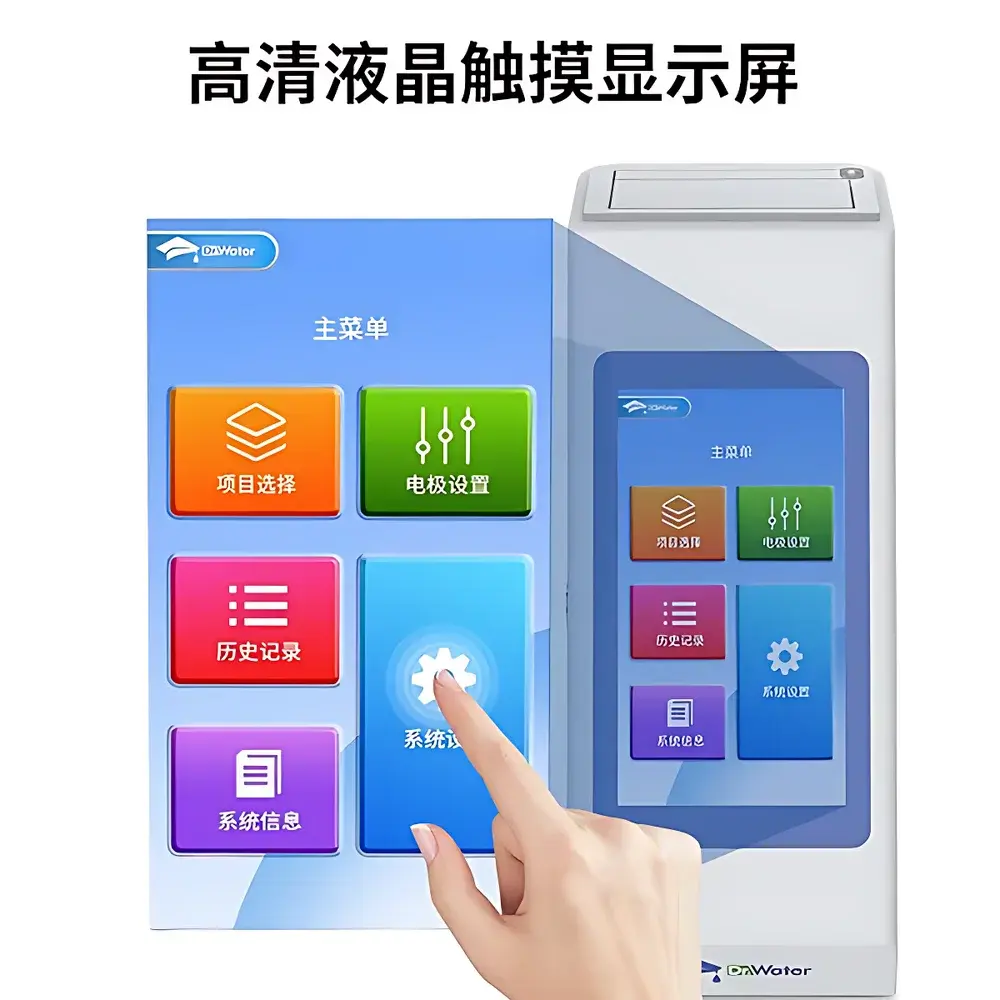
| Display | 5-inch HD Color Touchscreen |
| Data Storage | 1,000,000 Records |
| Power Supply | Rechargeable Li-ion Battery + USB-C AC Adapter |
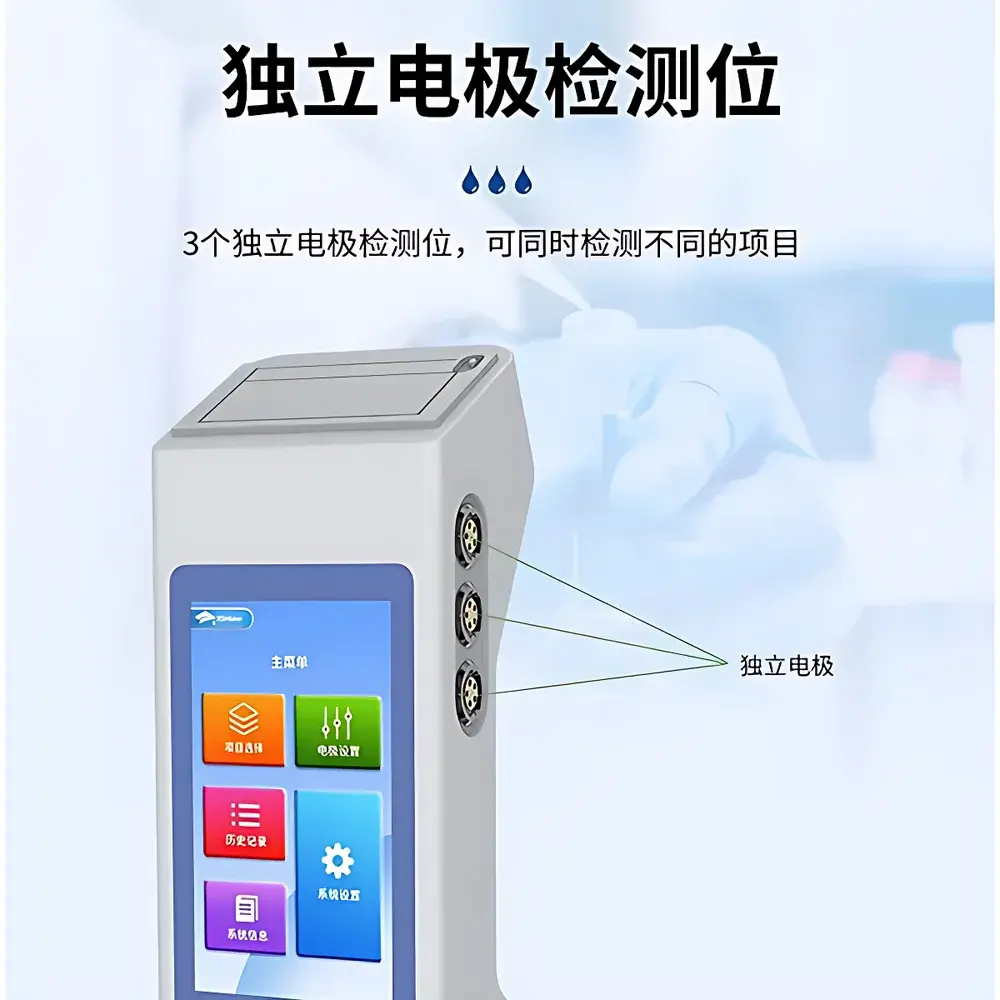
| Electrode Interface | 3 Independent Digital Sensor Ports |
| Electrode Protection Rating | IP68 |
| Operating Environment | 0–50 °C, ≤85% RH (non-condensing) |
| Compliance | Designed for Field & Lab Use per ISO 5814 (DO), ISO 7888 (EC), ISO 7027 (Turbidity), ASTM D1293 (pH), USP <643> (TOC/COD Correlation Context) |
Overview
The Dr-M1201P Portable Multi-Parameter Water Quality Analyzer is an integrated electrochemical sensing platform engineered for rapid, reagent-free estimation of chemical oxygen demand (COD) and up to 14 additional water quality parameters—including ammonia nitrogen (NH₃-N), pH, dissolved oxygen (DO), electrical conductivity (EC), turbidity, oxidation-reduction potential (ORP), total dissolved solids (TDS), chlorophyll-a, phycocyanin (blue-green algae), suspended solids (SS), residual chlorine, hydrocarbon content (oil-in-water), and salinity. Unlike conventional dichromate-based or spectrophotometric COD methods requiring hazardous reagents and digestion, the Dr-M1201P employs calibrated electrochemical sensor arrays with embedded multivariate correlation algorithms to deliver field-deployable COD estimates in under 60 seconds. Its architecture conforms to fundamental principles of amperometric and potentiometric transduction, where electrode surface reactions generate current or potential shifts proportional to analyte concentration. This approach eliminates sample preparation, acid digestion, mercury sulfate masking, and post-analysis waste disposal—aligning with green analytical chemistry guidelines (IUPAC Green Analytical Chemistry Principles) and reducing operational risk in regulatory sampling workflows.
Key Features
- Triple independent digital sensor ports enable simultaneous, auto-recognized measurement of COD, NH₃-N, and one additional parameter (e.g., pH + DO + EC) without manual calibration mapping.
- Auto-temperature compensation (ATC) algorithm applies Nernstian and Arrhenius-based corrections across full operating range (0–50 °C), minimizing thermal drift in pH, ORP, and conductivity readings.
- Reagent-free electrochemical sensing eliminates consumables, reduces cost-per-test, and avoids regulatory constraints associated with hazardous chemical handling (e.g., Cr⁶⁺, Hg²⁺, Ag⁺).
- Dual-power architecture integrates a high-capacity lithium-ion battery (rated for ≥12 h continuous operation at 25 °C) and universal USB-C input (5 V/2 A), supporting uninterrupted use in remote field sites and benchtop lab environments.
- Three intelligent reading modes—real-time (continuous streaming), timed endpoint (user-defined duration), and interval logging (programmable from 1 s to 24 h)—support compliance with EPA Method 1600-series monitoring protocols and ISO 5667-3 sampling frequency requirements.
- IP68-rated digital electrodes (3–5 m cable length, customizable) withstand submersion, abrasion, and exposure to acidic/alkaline matrices common in wastewater influent, industrial effluent, and aquaculture systems.
Sample Compatibility & Compliance
The Dr-M1201P is validated for use with raw surface water, treated drinking water, municipal wastewater (primary through tertiary), industrial process streams (e.g., petrochemical cooling water, pharmaceutical rinse water), aquaculture ponds, and stormwater runoff. It meets functional equivalence criteria for screening-level COD assessment under ISO 15705:2002 (water quality — determination of COD — small-scale sealed-tube method) when correlated against reference laboratory results. While not a replacement for certified laboratory COD analysis per ISO 6060 or ASTM D1253, its rapid output supports Tier-1 decision-making in emergency response, routine surveillance, and process control. Device firmware supports audit-ready data logging compliant with GLP principles: each record includes timestamp (RTC), GPS coordinates (when paired with external GNSS module), operator ID, sensor serial numbers, and environmental metadata (temperature, pressure). Data export formats include CSV and XML, compatible with LIMS integration and FDA 21 CFR Part 11-compliant validation packages (when deployed with electronic signature add-ons).
Software & Data Management
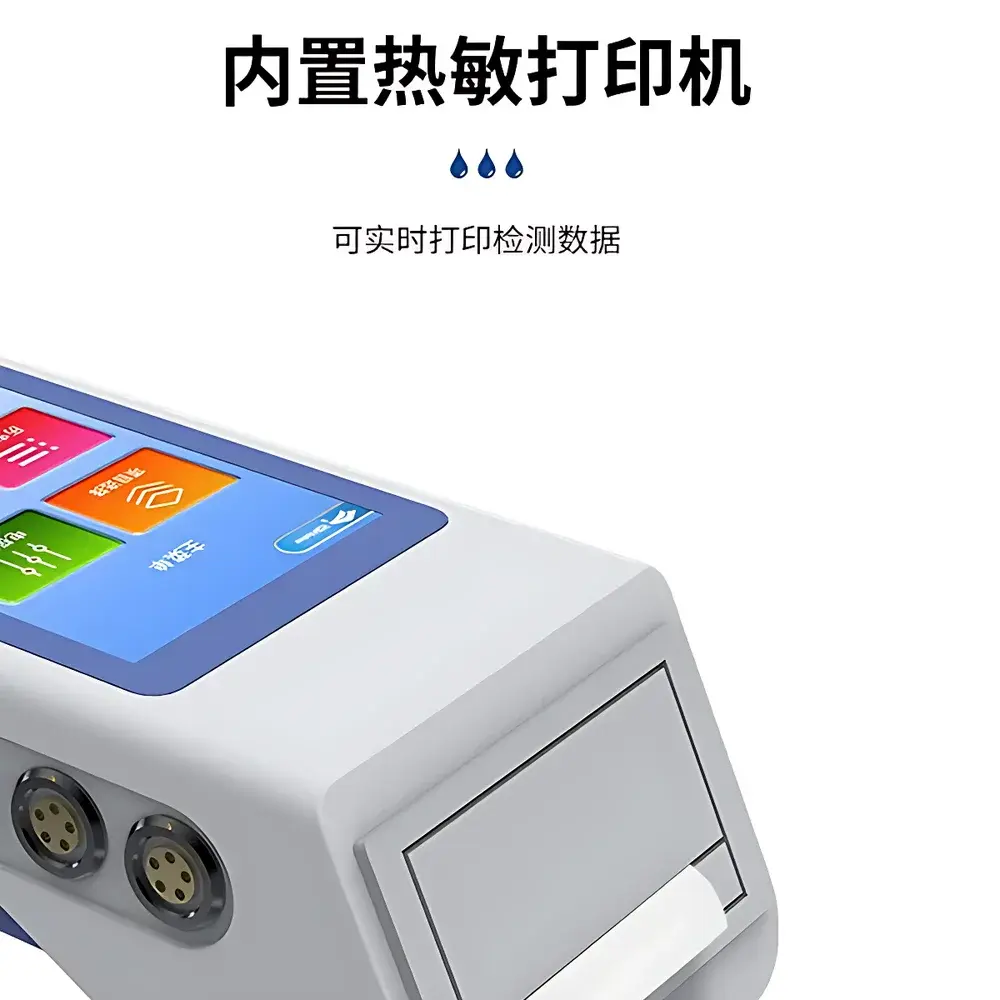
Embedded firmware provides full local instrument control via a 5-inch capacitive touchscreen interface with bilingual (English/Chinese) UI. All measurements are timestamped and stored internally (1 million records, non-volatile flash memory). Data can be exported via USB-C to PC or mobile device; no proprietary drivers required. The system supports direct thermal printing of on-site reports (including calibration history, QC checks, and pass/fail flags). Firmware updates are delivered via signed .bin files over USB-C, ensuring integrity verification. Optional cloud synchronization (via third-party MQTT-enabled gateways) enables centralized dashboard visualization for multi-site environmental monitoring networks. Raw sensor voltage outputs and algorithm-derived values are separately logged, enabling retrospective model refinement and traceability per ISO/IEC 17025 Clause 7.7.
Applications
- Field-based regulatory compliance monitoring for municipal wastewater treatment plants (WWTPs) performing daily influent/effluent screening per EU Urban Wastewater Treatment Directive Annex I.
- Rapid assessment of eutrophication indicators (chlorophyll-a, phycocyanin, turbidity, NH₃-N) in lakes and reservoirs during algal bloom events.
- Process water quality verification in semiconductor fabs (ultrapure water feed lines), biopharmaceutical clean-in-place (CIP) rinse validation, and solar panel manufacturing rinse tanks.
- Real-time aquaculture health monitoring—tracking DO saturation, NH₃-N accumulation, and SS load in recirculating aquaculture systems (RAS).
- Emergency spill response: immediate quantification of organic loading (COD proxy) and oxidant residuals (free chlorine) in contaminated surface water following industrial accidents.
- Academic and research applications in environmental engineering labs conducting sensor validation studies, multivariate water quality modeling, and low-cost monitoring network development.
FAQ
Does the Dr-M1201P provide laboratory-grade COD values traceable to ISO 6060?
No. It delivers rapid, reagent-free electrochemical estimates intended for screening and trend analysis—not definitive certification. For regulatory reporting, confirmatory testing using closed-reflux titrimetric or spectrophotometric methods remains required.
Can the COD measurement be calibrated against standard potassium hydrogen phthalate (KHP) solutions?
Not directly. Calibration uses factory-established multivariate regression models trained on heterogeneous real-world samples. Users perform 2-point field verification using certified reference standards for pH, DO, and EC; COD correlation is maintained via periodic cross-validation with lab-analyzed samples.
Is the device suitable for seawater or high-salinity brines?
Yes—salinity compensation is applied across all conductivity-coupled parameters. However, COD estimation accuracy may decrease above 35 g/kg due to ionic strength effects on electrochemical kinetics; users should establish site-specific correction factors.
How is data integrity ensured during extended field deployments?
Each measurement includes cryptographic hash tagging, RTC-synchronized timestamps, and immutable storage. Battery-backed RAM preserves data during unexpected power loss, and firmware enforces write-protection after 100,000 cycles to prevent NAND wear-out corruption.
What maintenance is required for the digital electrodes?
Electrodes require quarterly cleaning with mild detergent and deionized water, followed by storage in manufacturer-supplied hydration solution. No recalibration is needed between cleanings unless physical damage or signal drift (>5% deviation from baseline) is observed.







