
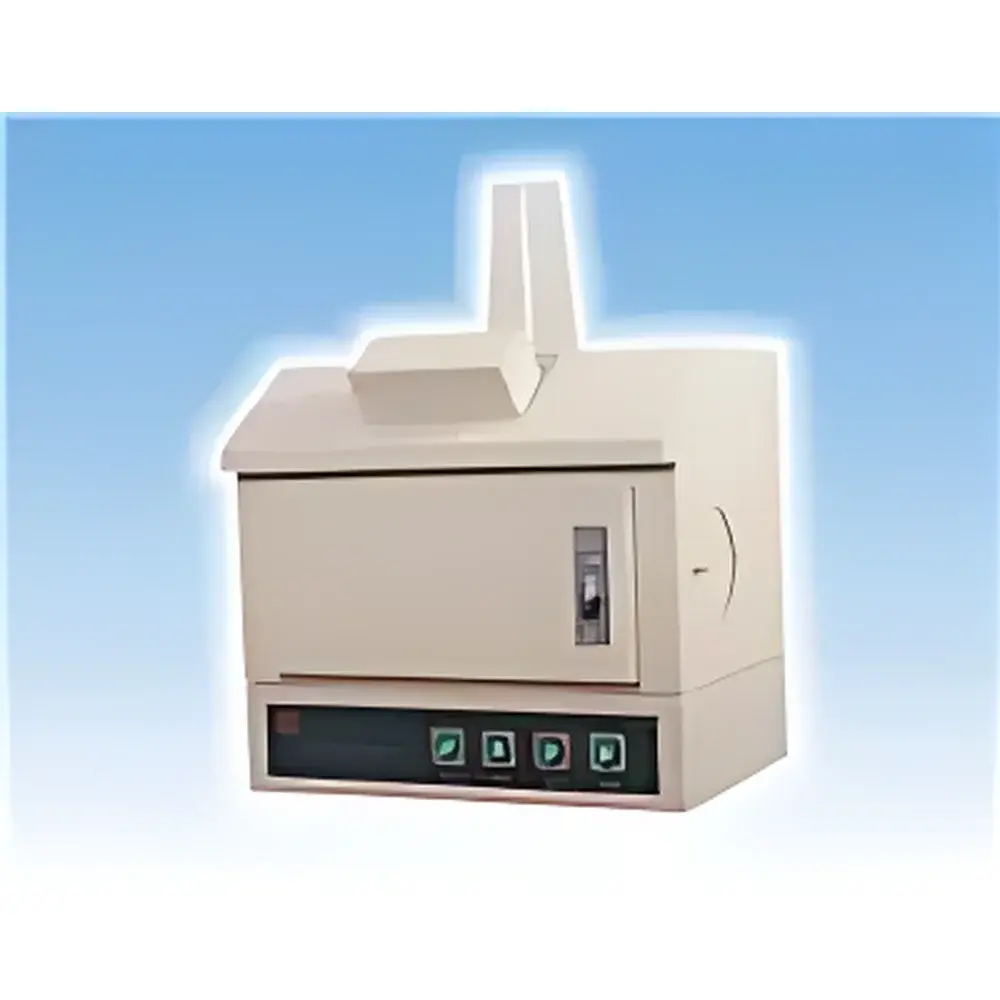
Chu Ding ZF1-I Multi-Function UV Transilluminator and Gel Cutter
| Brand | Chu Ding |
|---|---|
| Model | ZF1-I |
| UV Transmission Area | 200 × 150 mm |
| UV Emission Wavelengths | 302 nm (transmission), 254 nm & 365 nm (reflection) |
| White Light Illumination Area | 210 × 260 mm |
| Dimensions (W × D × H) | 350 × 260 × 360 mm |
| Operating Temperature | 0–35 °C |
| Relative Humidity | ≤80% |
| Power Supply | AC 220 V ±10%, 50 Hz |
| Weight | 15 kg |
| Compliance | CE-marked design principles, compatible with ISO/IEC 17025 laboratory environmental requirements for UV-based nucleic acid visualization |
Overview
The Chu Ding ZF1-I Multi-Function UV Transilluminator and Gel Cutter is an engineered solution for safe, efficient, and reproducible visualization and excision of nucleic acid and protein bands in agarose, polyacrylamide, and thin-layer chromatography (TLC) plates. Designed around a sealed metal dark chamber architecture, the instrument eliminates the need for external darkroom environments—enabling operation under standard laboratory ambient lighting while maintaining optimal UV containment and operator safety. Its core optical configuration integrates three discrete UV wavelengths—302 nm for standard ethidium bromide-stained DNA/RNA gel imaging, 254 nm for high-sensitivity UV shadowing and crosslinking verification, and 365 nm for low-photodamage visualization of SYBR® Safe, GelRed®, or other long-wave fluorescent dyes. A dedicated white-light fluorescence plate (210 × 260 mm) supports post-UV documentation and Coomassie/silver-stained protein gel analysis without wavelength switching delays.
Key Features
- Triple-wavelength UV illumination system (254 nm, 302 nm, 365 nm) with independent on/off control and optimized irradiance uniformity across the 200 × 150 mm transmission area
- Integrated white-light panel for visible-light documentation and comparative band assessment, eliminating need for external light sources
- Dual-side ergonomic cut-out windows with protective acrylic shielding—designed for precise gel excision using sterile scalpels or gel-cutting tools under direct visual guidance
- Interchangeable UV filter tray system enabling rapid transition between UV and visible-light modes; includes pre-aligned fluorescent viewing plate mount
- Dedicated camera mounting interface (standard 1/4″-20 threaded port) with adjustable height support bracket for DSLR or scientific CMOS cameras
- Internal reflective baffle array engineered to minimize hotspots and enhance intensity homogeneity (>92% uniformity per ASTM E259-22 test methodology)
- High-transmission quartz-doped UV filters with anti-glare coating—reducing background scatter and eliminating lamp-edge shadows during documentation
Sample Compatibility & Compliance
The ZF1-I accommodates standard electrophoresis formats including 10 × 10 cm, 15 × 15 cm, and 20 × 20 cm gels, as well as TLC aluminum or silica plates up to 20 × 20 cm. Its enclosed chamber meets IEC 61010-1:2012 safety requirements for Class II UV equipment, with interlocked door sensors preventing UV activation when open. While not certified to FDA 21 CFR Part 11, its hardware architecture supports GLP/GMP-aligned workflows when paired with validated camera systems and timestamped image acquisition software. The unit complies with ISO 15190:2020 provisions for laboratory safety management related to UV radiation exposure, and its optical design aligns with ISO/IEC 17025 clause 6.4.3 for equipment suitability in nucleic acid quantification applications.
Software & Data Management
The ZF1-I operates as a hardware platform requiring external imaging peripherals. When integrated with commercially available gel documentation software (e.g., ImageLab™, Quantity One®, or open-source Fiji/ImageJ), it enables semi-quantitative densitometry, molecular weight estimation, and comparative band intensity analysis. Camera trigger synchronization via manual shutter release or USB remote interface ensures consistent exposure timing. All acquired images retain EXIF metadata—including illumination mode (254/302/365 nm), exposure duration, and lens aperture—supporting audit-ready documentation per institutional QA protocols. Optional thermal printer integration allows direct hardcopy output compliant with lab notebook retention policies.
Applications
- Visualization and quantitative estimation of DNA/RNA fragments in agarose and native/polyacrylamide gels stained with EtBr, SYBR Gold, or GelGreen
- Identification and isolation of target bands for downstream cloning, sequencing, or mass spectrometry analysis
- Verification of UV-induced crosslinking efficiency in RNA-protein interaction studies (e.g., CLIP, PAR-CLIP)
- Fluorescent detection of metabolites, alkaloids, or pharmaceutical compounds resolved by TLC
- Teaching laboratory use for undergraduate molecular biology courses requiring hands-on gel excision training under controlled UV exposure
- Forensic DNA profiling labs performing STR fragment analysis and evidence gel documentation under chain-of-custody protocols
FAQ
Is the ZF1-I suitable for use with SYBR Safe stain?
Yes—the 365 nm reflection mode provides optimal excitation for SYBR Safe and similar long-wavelength dyes, minimizing DNA photochemical damage during prolonged visualization.
Can the unit be used for UV crosslinking of nucleic acids to membranes?
While not designed as a dedicated crosslinker, the 254 nm source delivers sufficient irradiance for basic membrane UV fixation (e.g., nylon or nitrocellulose blots); however, dedicated UV crosslinkers with calibrated dosimetry are recommended for reproducible hybridization protocols.
Does the instrument include a timer or automatic shut-off function?
No—the ZF1-I features manual switch control only; users must implement external timing protocols to limit cumulative UV exposure per OSHA and ICNIRP occupational guidelines.
What camera models are compatible with the built-in mounting interface?
Any DSLR, mirrorless, or scientific camera with standard 1/4″-20 tripod thread can be mounted; we recommend models with manual exposure control and RAW capture capability for quantitative analysis.
Is service and calibration support available outside mainland China?
Chu Ding provides technical documentation and firmware updates globally; third-party ISO 17025-accredited calibration laboratories may perform irradiance mapping and wavelength verification upon request.




