
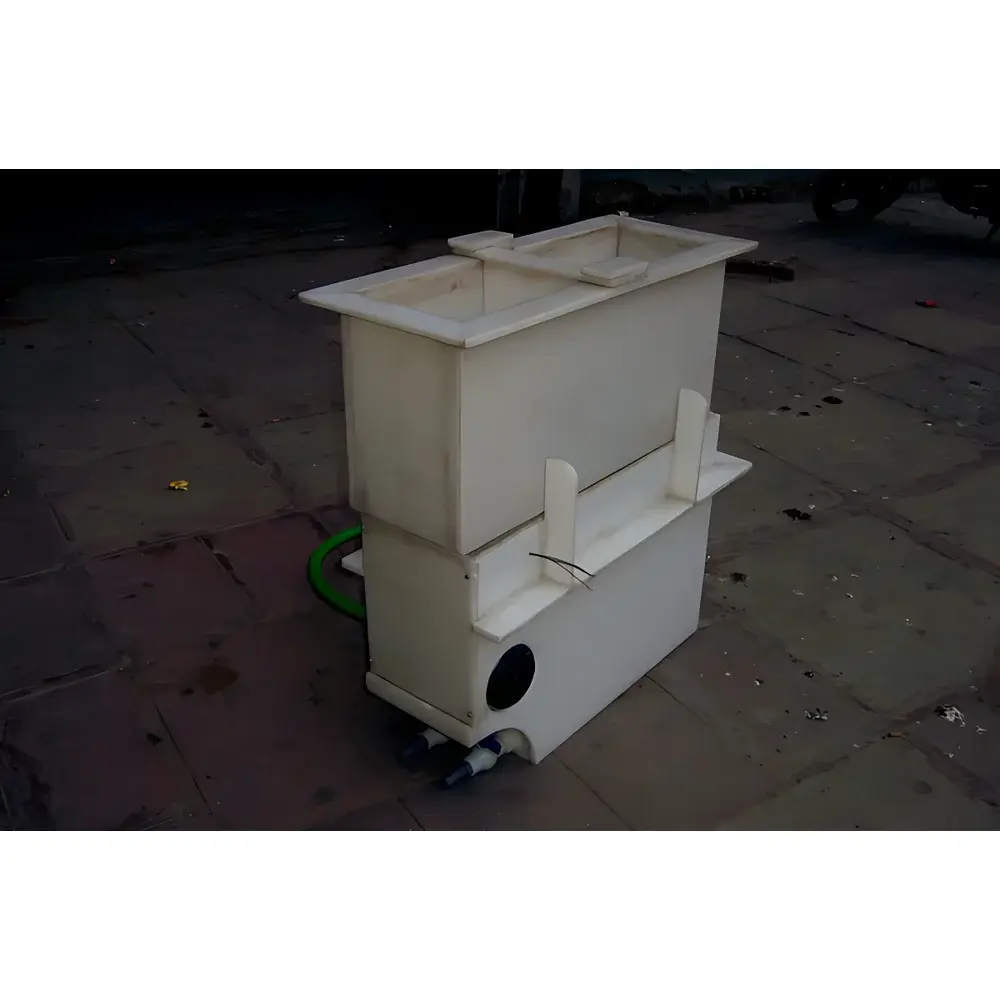
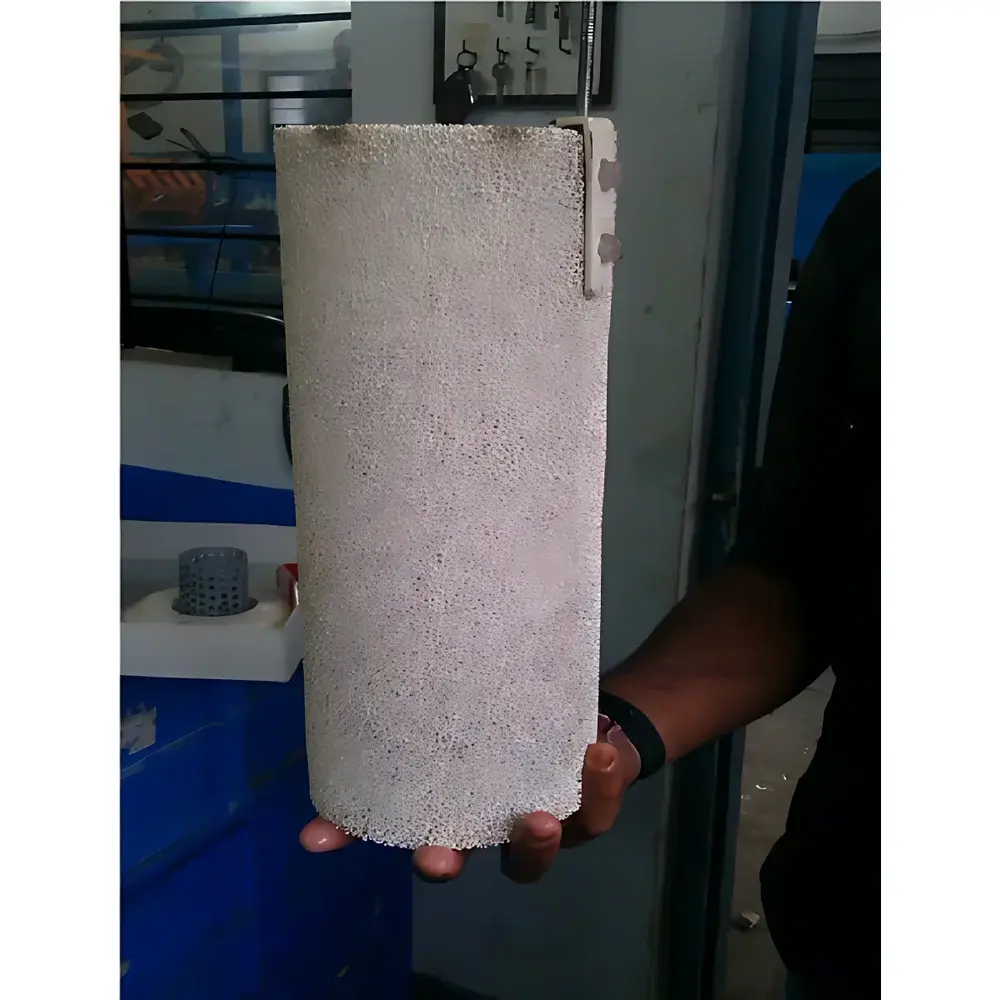
FSTAR REGO-BUG® Electrolytic Precious Metal Recovery System
| Brand | FSTAR |
|---|---|
| Origin | Liaoning, China |
| Manufacturer Type | Authorized Distributor |
| Country of Origin | China |
| Model | REGO-BUG® |
| Price Range | USD $14,000 – $72,000 (FOB) |
| Sample Processing | Wastewater Treatment |
| Principle | Electrowinning via High-Surface-Area Cathode Electrolysis |
| Target Metals | Au, Ag, Rh, Pt, Pd |
| Applicable Solutions | Cyanide-based plating drag-out solutions, gold strike baths, cyanide strip solutions, rinse waters from electroplating lines |
Overview
The FSTAR REGO-BUG® Electrolytic Precious Metal Recovery System is an engineered electrowinning device designed for continuous, on-site recovery of precious metals—including gold, silver, rhodium, platinum, and palladium—from low-concentration industrial wastewater streams. It operates on the principle of controlled direct-current electrolysis, utilizing a proprietary high-surface-area cathode to maximize current efficiency and deposition kinetics under dilute conditions (as low as 1–5 ppm total metal content). Unlike batch-type recovery cells or chemical precipitation units, the REGO-BUG® integrates directly into existing plating line infrastructure—typically installed within small drag-out tanks or rinse sumps—enabling real-time metal capture without process interruption. Its compact footprint (<0.1 m²) and modular design make it suitable for PCB manufacturing facilities, jewelry finishing workshops, and precision electroplating operations where space, regulatory compliance, and material accountability are critical constraints.
Key Features
- Integrated electrowinning cell with corrosion-resistant titanium anode and disposable stainless-steel or copper-based high-surface-area cathode
- Adjustable DC power supply (0–12 V / 0–30 A) with digital current/voltage monitoring and programmable duty cycles
- Self-contained, tank-mounted configuration requiring no external pumps or piping—installed directly into existing rinse or drag-out tanks
- Real-time metal mass estimation via cathode weighing, sampling, or in-house melting—supporting traceability and inventory reconciliation
- Passive thermal management and sealed electronics rated for humid, chemically aggressive environments (IP54 enclosure)
- No consumable reagents required; operation relies solely on electrical energy input and cathode replacement
Sample Compatibility & Compliance
The REGO-BUG® is validated for use with aqueous effluents derived from cyanide-based electroplating processes, including gold strike solutions, cyanide-based gold and silver strippers, and post-plating rinse waters containing residual Au(CN)₂⁻, Ag(CN)₂⁻, or [Pd(CN)₄]²⁻ complexes. It is compatible with pH ranges of 10–13 and temperatures up to 55 °C. While not certified to ISO/IEC 17025 or ASTM D1193, the system supports GLP-aligned operational records when paired with calibrated analytical balances and documented cathode handling procedures. For facilities subject to EPA 40 CFR Part 413 (Electroplating Effluent Guidelines) or EU ELV Directive requirements, the REGO-BUG® contributes to upstream metal load reduction—lowering downstream treatment costs and enabling compliance with discharge limits for Ag (<5 mg/L) and Au (<0.1 mg/L) per local permitting authorities.
Software & Data Management
The REGO-BUG® operates as a standalone analog-digital hybrid unit with no embedded firmware or cloud connectivity. All operational parameters (voltage, current, runtime) are displayed on a front-panel LED interface. Data integrity is maintained through manual logbook entries or integration with facility SCADA systems via 4–20 mA analog output (optional add-on). Cathode recovery weight, date/time stamp, and solution batch ID can be recorded manually to support internal audit trails. For laboratories operating under FDA 21 CFR Part 11 or ISO 9001 quality management systems, third-party calibration certificates for weighing instruments and documented cathode change logs fulfill traceability requirements for recovered metal mass reporting.
Applications
- Recovery of elemental gold from cyanide-containing rinse waters following Au plating baths
- Extraction of metallic silver from spent AgCN drag-out solutions in jewelry polishing lines
- On-line electrowinning from low-volume, high-value gold strike bath overflows
- Cyanide destruction adjunct: partial oxidation of free cyanide occurs at the anode during extended operation, reducing downstream CN⁻ load prior to alkaline chlorination
- Pre-treatment for zero-liquid-discharge (ZLD) systems by lowering dissolved metal concentrations below ion-exchange or reverse osmosis feed thresholds
- Resource stewardship in R&D labs conducting precious-metal-catalyzed reactions or thin-film deposition studies
FAQ
What is the typical metal recovery efficiency for dilute rinse waters?
Under optimized conditions (pH >11, 25–40 °C, 8–12 h/day operation), recovery efficiency exceeds 92% for Au and 88% for Ag from solutions containing 2–10 ppm total metal. Efficiency declines below 0.5 ppm due to mass-transfer limitations.
Can the REGO-BUG® handle non-cyanide plating solutions?
It is not recommended for acidic sulfate or chloride-based baths (e.g., acid gold or nickel strike), as hydrogen evolution dominates at low pH, reducing current efficiency and risking cathode passivation.
How often must the cathode be replaced or harvested?
Cathode harvesting frequency depends on metal loading rate; typical intervals range from 24–72 hours in high-flow rinse applications to weekly in low-volume drag-out tanks. Visual inspection for dendritic growth or blackening indicates optimal harvest timing.
Is operator training required for safe operation?
Yes—personnel must receive instruction on electrical safety in wet environments, proper cathode handling (to avoid skin contact with cyanide-contaminated deposits), and routine visual inspection of electrode integrity per OSHA 1910.1200 (Hazard Communication Standard).
Does the system comply with RoHS or REACH substance restrictions?
The unit itself contains no SVHCs listed under REACH Annex XIV; however, recovered cathodes may contain regulated metals above threshold concentrations and must be managed as hazardous waste per local regulations until refined.



