
Endecotts Standard Test Sieves (200 mm & 300 mm Diameter)
| Brand | Endecotts |
|---|---|
| Origin | United Kingdom |
| Model | 200 mm / 300 mm |
| Compliance | ISO 3310-1, ISO 3310-2, BS 410-1, BS 410-2, ASTM E11 |
| Certification | UKAS-accredited BSI Kitemark™ |
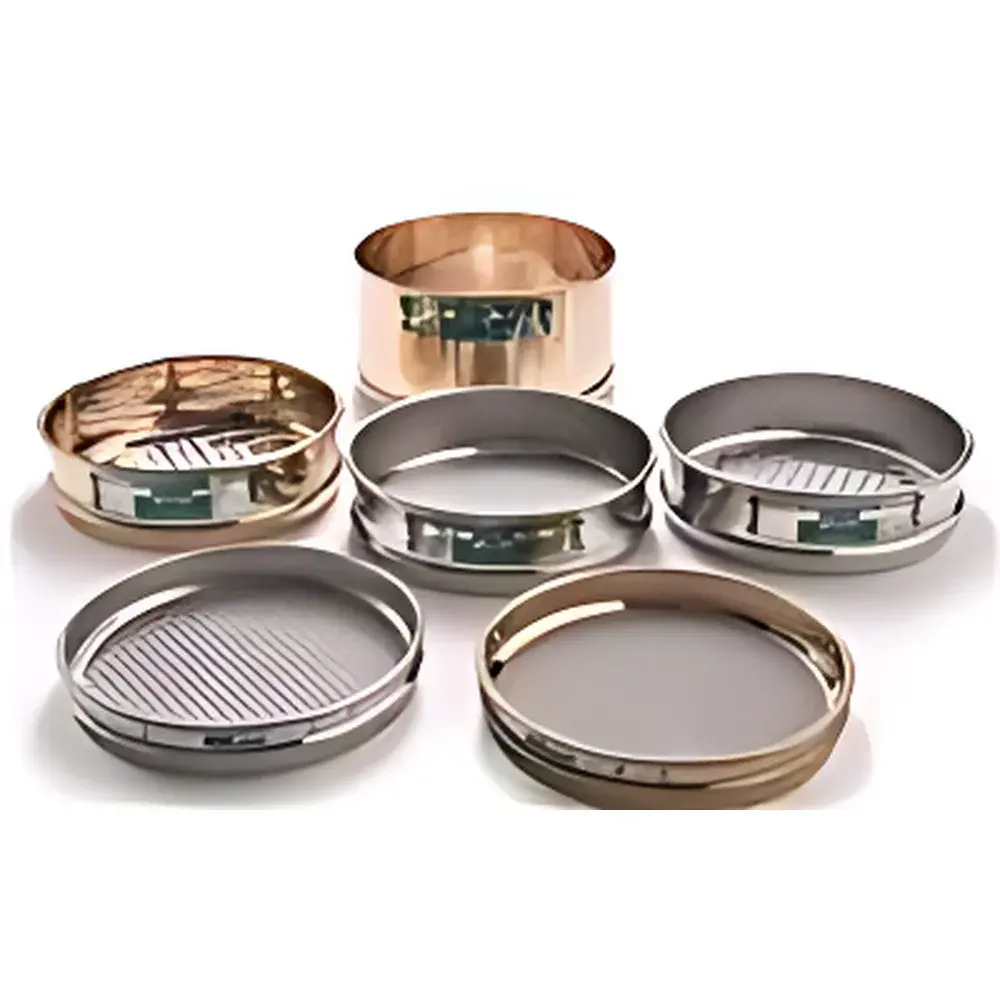
| Construction | Woven wire mesh (ISO 3310-1) and perforated plate (ISO 3310-2) |
| Frame Material | Brass or stainless steel |
| Available Aperture Ranges | 125 mm – 1 µm (woven), 125 mm – 1 mm (perforated), including full metric, imperial, and Tyler mesh equivalents |
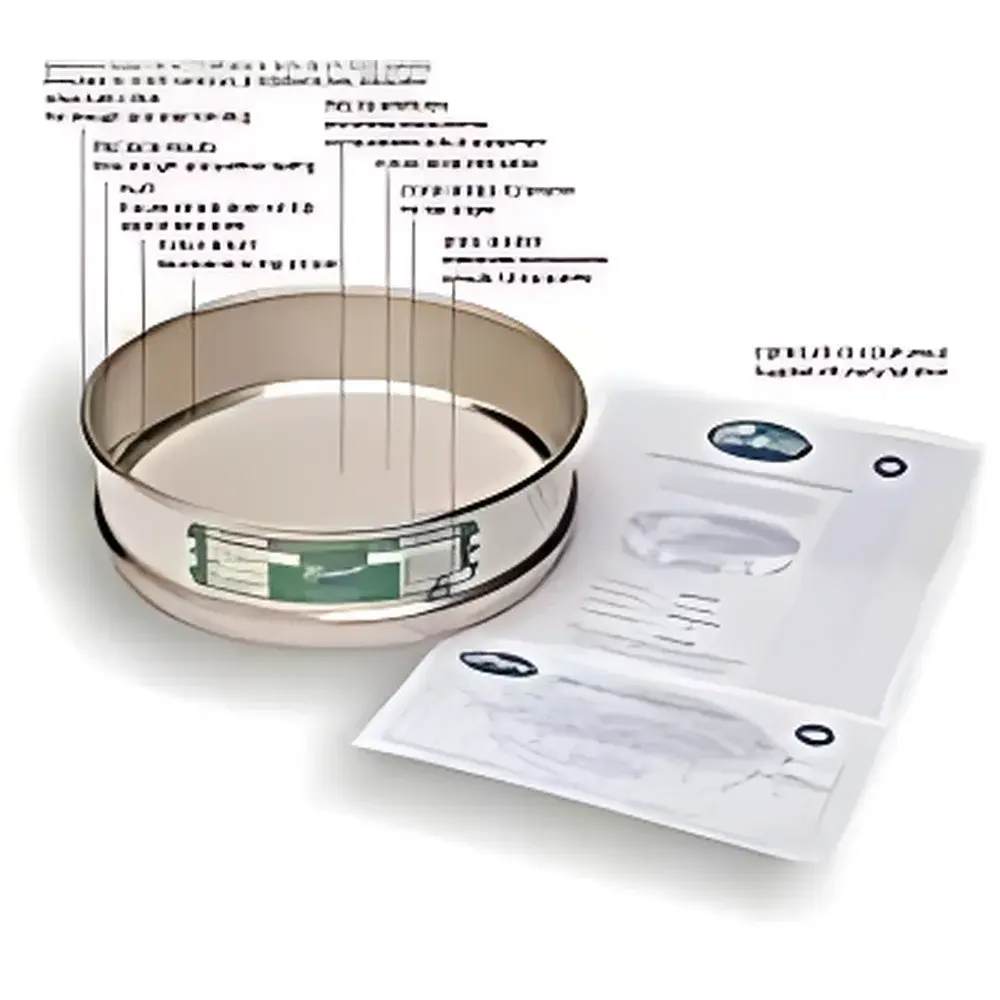
| Traceability | Individual serial number per sieve, accompanied by manufacturer’s certificate of conformity |
Overview
Endecotts Standard Test Sieves are precision-engineered mechanical sieving tools designed for quantitative particle size distribution analysis via dry or wet sieve fractionation. Operating on the principle of physical separation through controlled aperture geometry, these sieves serve as primary reference standards in gravimetric and volumetric particle sizing workflows. Each sieve is manufactured to meet the dimensional tolerances, aperture uniformity, and structural integrity requirements defined in ISO 3310-1 (woven wire mesh), ISO 3310-2 (perforated plate), BS 410-1/2, and ASTM E11 — international standards governing test sieve specifications for laboratory and industrial quality control applications. As the only sieve manufacturer globally awarded the BSI Kitemark™ under UKAS accreditation, Endecotts sieves provide metrologically traceable performance essential for GLP-compliant testing, regulatory submissions (e.g., USP , EP 2.9.31), and inter-laboratory method validation.
Key Features
- Manufactured in the United Kingdom under strict ISO 9001-certified processes, with seven-stage in-house quality verification prior to release.
- Woven wire mesh sieves produced as monolithic units — no seam welding or adhesive bonding — ensuring mechanical stability during mechanical agitation (e.g., Ro-Tap®, electromagnetic shakers).
- Aperture dimensions verified using optical projection metrology and high-resolution computer-controlled scanning systems; certified measurement uncertainty ≤ ±1.5% for apertures ≥ 20 µm.
- Full traceability: each sieve carries a unique serial number engraved on the frame and is supplied with a manufacturer-issued Certificate of Conformity referencing applicable standards (e.g., ISO 3310-1:2016, BS 410-1:2018).
- Dual-material frame options: corrosion-resistant brass for general-purpose use; electropolished stainless steel (AISI 316L) for aggressive chemical environments or GMP cleanroom applications.
- Available in standardized diameters from 38 mm to 450 mm (including 3″, 8″, 12″, 18″ imperial variants), with full-height and half-height configurations optimized for stack compatibility and sample retention.
Sample Compatibility & Compliance
Endecotts sieves accommodate dry powders, granules, agglomerates, and friable solids across diverse sectors including pharmaceutical excipients, catalysts, metal powders, mineral aggregates, food ingredients, and ceramic raw materials. Their compliance with ISO 3310-1 and ASTM E11 ensures interoperability with internationally recognized sieve analysis protocols. Perforated plate sieves (ISO 3310-2) are specified for coarse particles (>1 mm) where wire mesh durability is compromised. All sieves conform to the dimensional and tolerance requirements mandated by pharmacopoeial methods (USP , Ph. Eur. 2.9.31), ASTM C136/C136M (aggregate gradation), and ISO 13320 (laser diffraction correlation). The BSI Kitemark™ certification confirms third-party verification of conformance to BS 410-1:2018, providing auditable evidence for FDA 21 CFR Part 11–aligned quality systems.
Software & Data Management
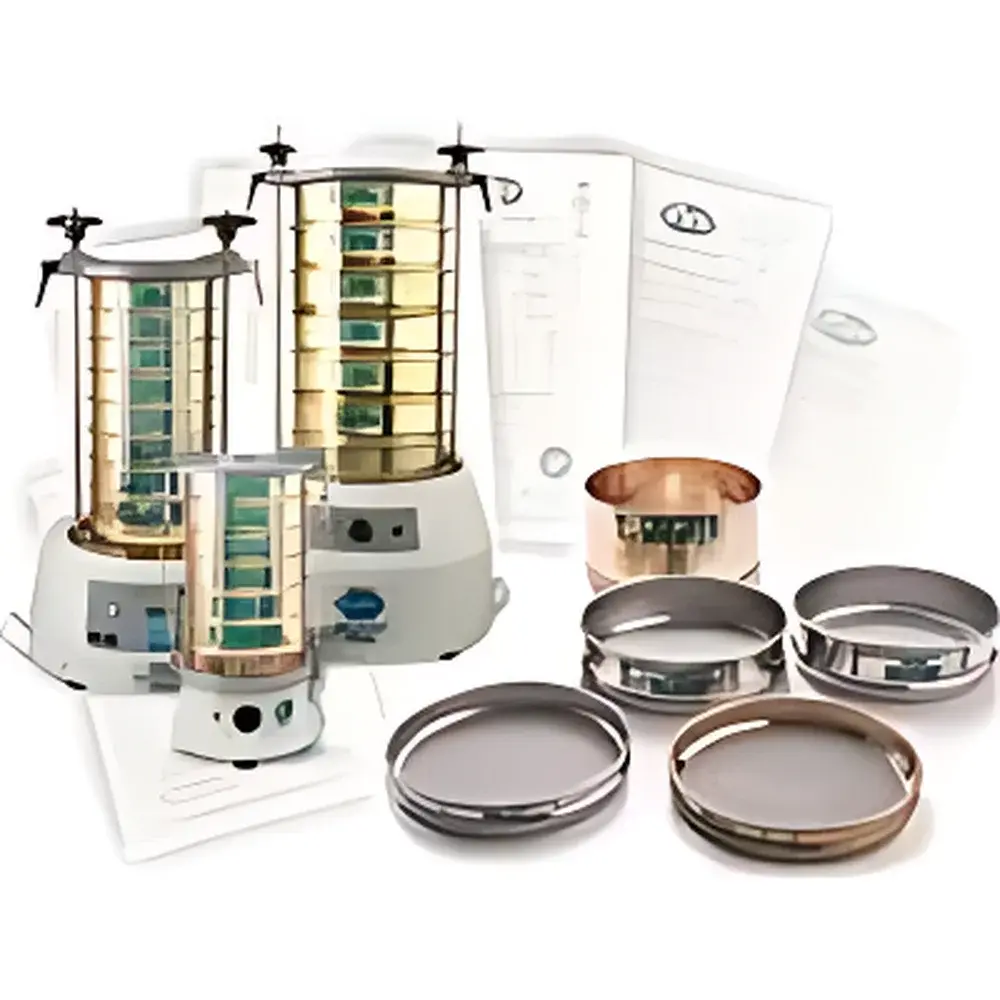
While Endecotts test sieves are passive hardware components, they integrate seamlessly into digital QA/QC workflows when used with compliant sieve shakers equipped with electronic timers, amplitude monitoring, and audit-trail logging (e.g., Gilson RX-28, Fritsch Analysette 3). When paired with validated LIMS or ELN platforms, sieve lot numbers, calibration certificates, and usage logs can be linked to analytical batches, supporting full data integrity per ALCOA+ principles. Endecotts’ Certificates of Conformity include QR-coded metadata enabling rapid access to manufacturing date, aperture verification report, and standard-specific compliance statements — facilitating automated record retrieval during internal audits or regulatory inspections.
Applications
- Pharmaceutical: Excipient particle sizing per USP , blend uniformity assessment, and granulation endpoint determination.
- Materials Science: Characterization of additive manufacturing metal powders (ASTM F3049), catalyst support grading, and battery electrode material classification.
- Construction & Mining: Aggregate gradation analysis (ASTM C136), soil particle-size distribution (ASTM D422), and slag screening.
- Chemicals & Polymers: Quality control of pigment dispersions, polymer resin pellets, and nanocomposite fillers.
- Food & Agriculture: Flour fineness testing (ISO 565), spice particle distribution, and feed pellet integrity evaluation.
FAQ
Are Endecotts sieves suitable for regulatory submissions requiring documented metrological traceability?
Yes. Each sieve is supplied with a UKAS-accredited Certificate of Conformity referencing ISO/IEC 17025–compliant calibration procedures and traceability to NPL (UK National Physical Laboratory) standards.
What is the difference between ISO 3310-1 and ISO 3310-2 sieves?
ISO 3310-1 applies to woven wire mesh sieves (apertures from 20 µm to 125 mm); ISO 3310-2 governs perforated plate sieves (apertures from 1 mm to 125 mm), typically used for coarse, abrasive, or high-density materials.
Can I use Endecotts sieves interchangeably with Ro-Tap® or sonic sifter systems?
Yes. All 200 mm and 300 mm diameter sieves comply with standard stack-mounting dimensions and flange specifications required by major mechanical and vibratory sieve shakers.
How often should test sieves be recalibrated or recertified?
Per ISO 2591-1 and ASTM E11, sieves used in regulated environments should undergo periodic verification — typically annually — against certified reference standards or through comparative testing with master sieves.
Do Endecotts offer custom aperture sizes or non-standard diameters?
Yes. Custom woven and perforated sieves can be manufactured to customer-specified apertures and frame geometries, subject to minimum order quantities and extended lead times; all custom units receive full certification documentation.



