
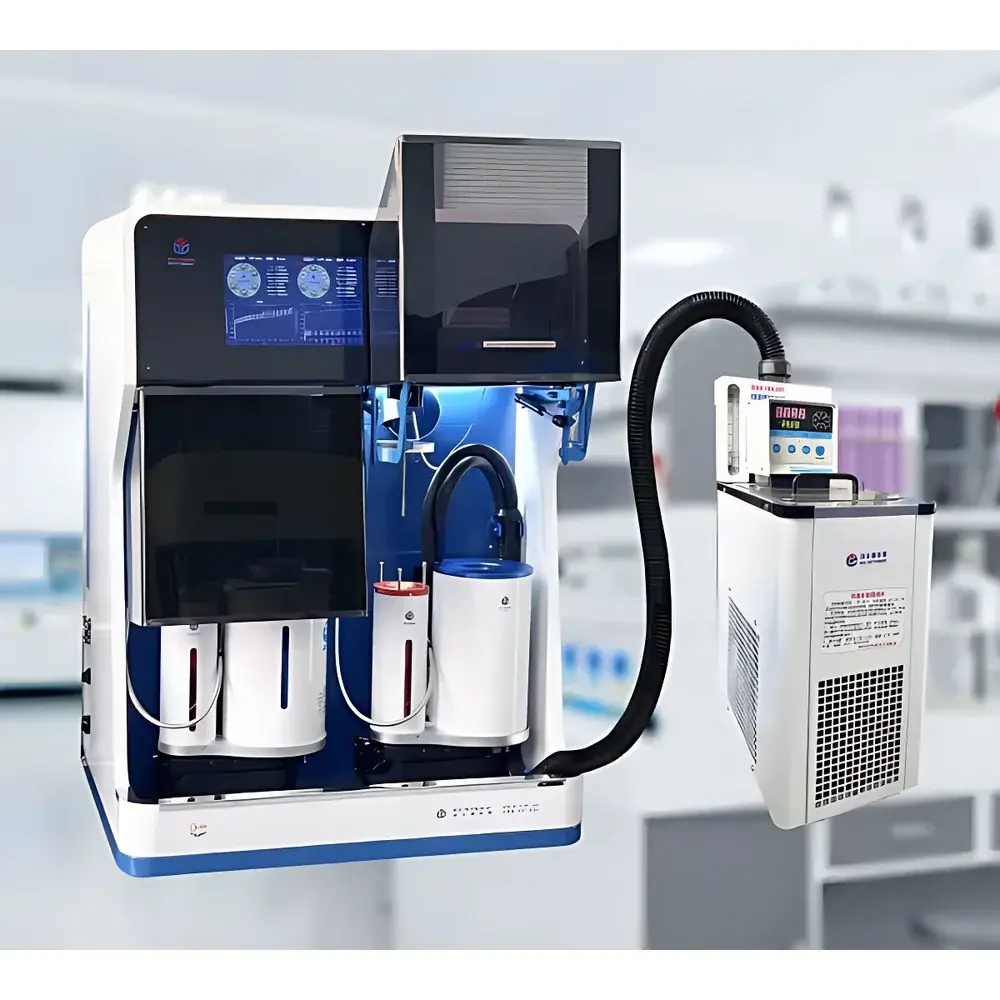
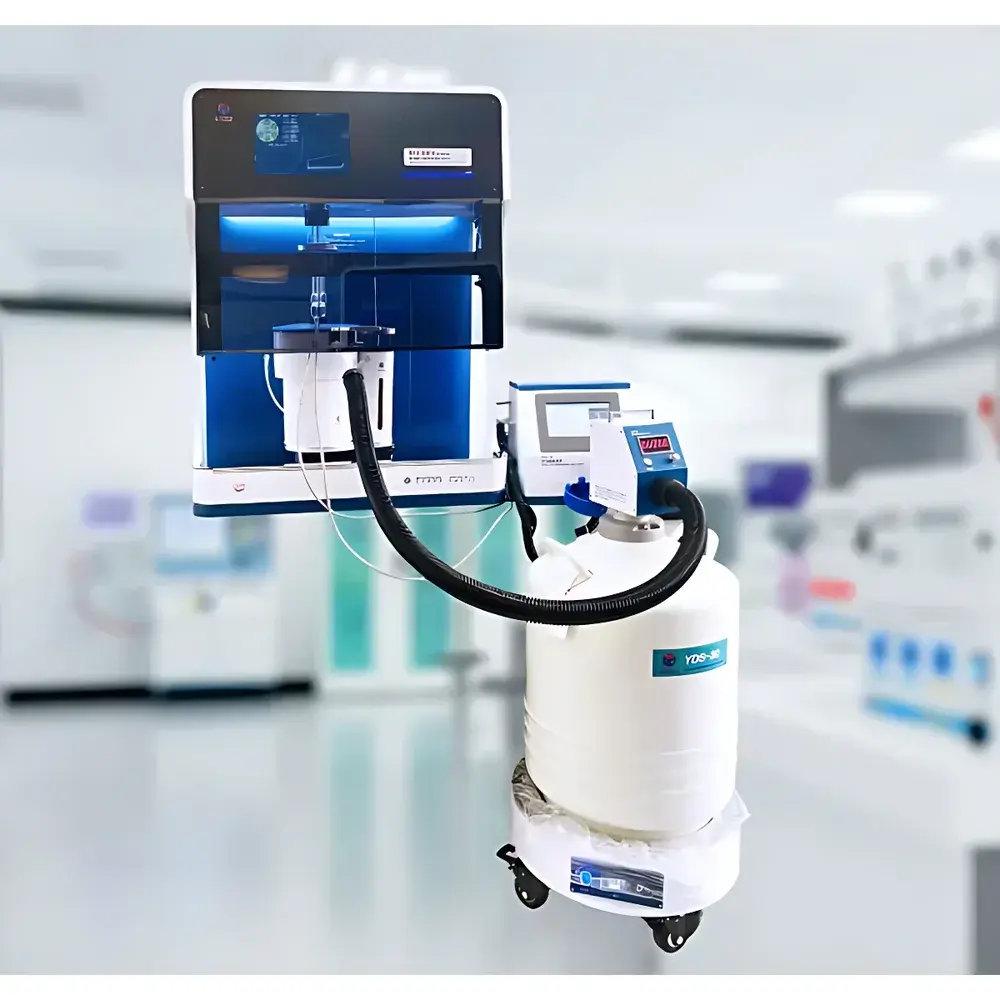
Beishide BSD-660A6M Fully Automated High-Throughput Specific Surface Area and Pore Size Analyzer
| Brand | Beishide Instrument |
|---|---|
| Origin | Beijing, China |
| Manufacturer Type | Manufacturer |
| Instrument Type | Specific Surface Area and Pore Size Analyzer |
| Model | BSD-660A6M |
| Measurement Principle | Static Volumetric Method |
| Number of Analysis Stations | 3 (micro-pore configuration) |
| Surface Area Range | ≥0.0005 m²/g |
| Pore Diameter Range | 0.35–500 nm |
| Vacuum Level | ≤1×10⁻² Pa (standard), optional turbo-molecular pump for ≤1×10⁻⁸ Pa |
| Repeatability | ≤1% RSD |
Overview
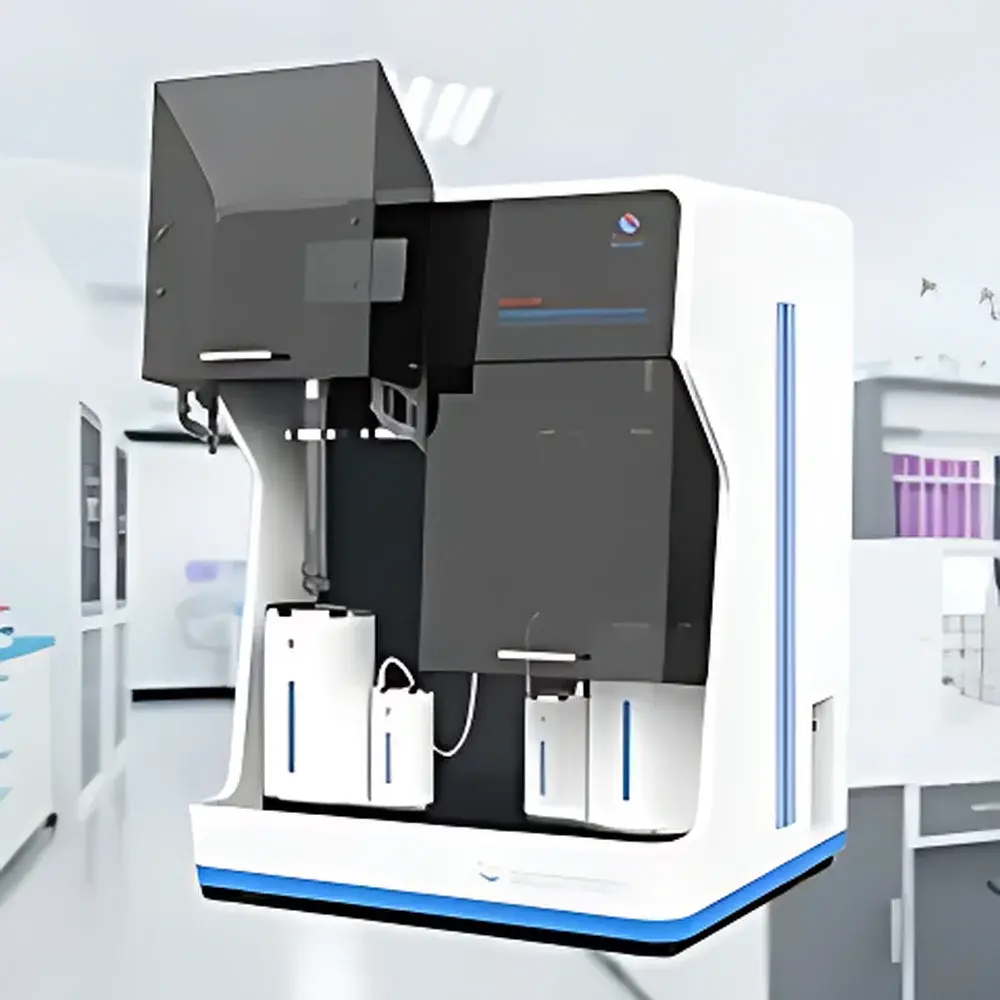
The Beishide BSD-660A6M is a fully automated, high-throughput specific surface area and pore size analyzer engineered for precision gas adsorption analysis across micro-, meso-, and macroporous materials. It operates on the static volumetric principle—measuring equilibrium gas uptake at controlled pressures to derive Brunauer-Emmett-Teller (BET) surface area, t-plot and DFT/QSDFT pore size distributions, total pore volume, and adsorption isotherms. Designed for laboratories requiring rigorous, unattended operation, the BSD-660A6M integrates dual-stage vacuum architecture, temperature-stabilized adsorption manifolds, and intelligent pressure-controlled degassing to eliminate helium contamination—a known source of systematic error in micropore analysis. Its modular station configuration supports scalable throughput (3/6/9/12 stations), enabling concurrent analysis of heterogeneous sample sets while maintaining traceable compliance with ISO 9277:2010, GB/T 19587–2017, ISO 15901-1/2/3, and ASTM D3663.
Key Features
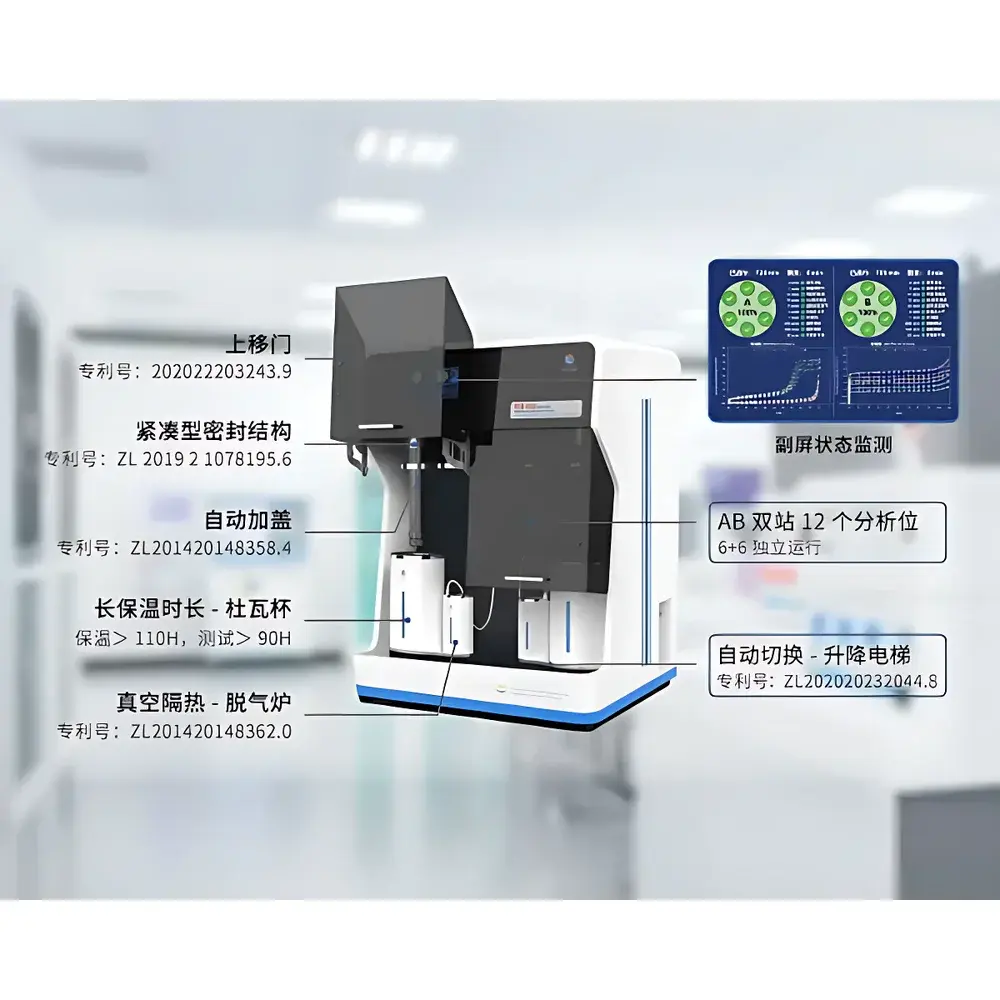
- Fully automated workflow: Integrated degas–analysis sequence with motorized furnace and Dewar cup positioning—eliminating manual tube transfer (Patent ZL202020232044.8).
- Helium-free dead-volume calibration: Pre-test helium pycnometry followed by in-situ vacuum degassing ensures zero carryover contamination during subsequent adsorption measurements.
- Pressure-regulated heating (PRH) degassing: Real-time pressure feedback dynamically modulates furnace temperature and vertical position to suppress sample fluidization—critical for low-density or nanoscale powders (Patent ZL202020230457.2).
- Thermally stable manifold: Entire gas path maintained at 40.00 ± 0.01 °C; adsorption chamber “equivalent volume” drift <0.10% over 24 h (Patent ZL201820401132.9).
- Multi-gas compatibility: Supports N₂, Ar, CO₂, O₂, CO, H₂, CH₄, C₂H₆, and other non-corrosive gases—with optional cryogenic control (-10 to 80 °C) and liquid nitrogen level servo (100 K to ambient).
- High-reliability architecture: Core components—including pressure transducers, valves, and turbo-molecular pumps—sourced from Tier-1 international suppliers.
Sample Compatibility & Compliance
The BSD-660A6M accommodates diverse solid-state materials including metal-organic frameworks (MOFs), activated carbons, zeolites, catalysts, battery electrode materials, ceramic powders, and pharmaceutical excipients. Its 0.35 nm lower detection limit enables accurate characterization of ultramicropores (<0.7 nm), essential for evaluating CO₂ capture performance or hydrogen storage capacity. All measurement protocols adhere to ISO 15901-3:2007 for micropore analysis and ISO 15901-2:2006 for mesopore evaluation. Data integrity meets GLP/GMP requirements via audit-trail-enabled software, 21 CFR Part 11-compliant electronic signatures, and LIMS integration through open API endpoints.
Software & Data Management
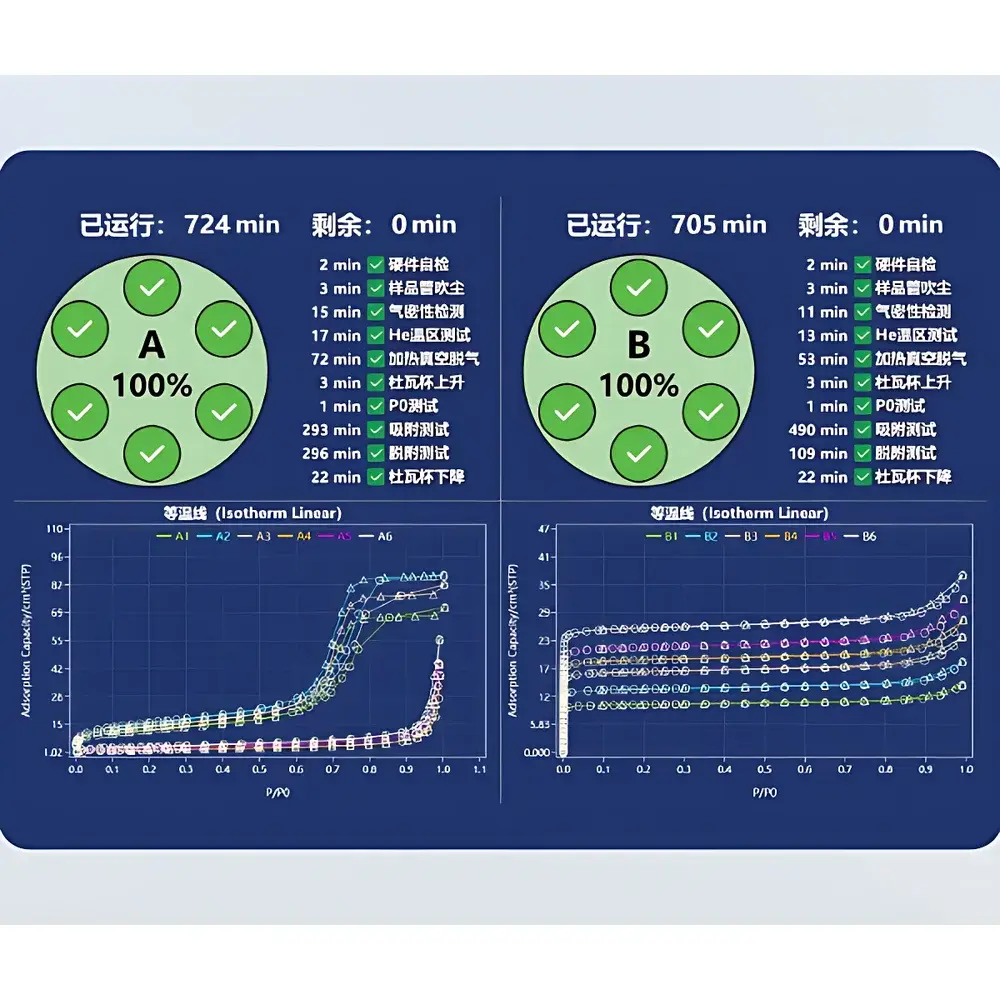
The proprietary Beishide ADS-660 software provides real-time isotherm visualization, automated BET linear range selection, DFT kernel library selection (N₂@77K, Ar@87K, CO₂@273K), and customizable reporting templates compliant with ISO and GB standards. Raw pressure–volume datasets are stored in HDF5 format with embedded metadata (sample ID, operator, timestamp, calibration history). Batch processing supports statistical comparison across up to 12 samples, with RSD calculations per parameter (surface area, pore volume, average pore width). Export options include CSV, PDF, and XML for regulatory submission or cross-platform analysis.
Applications
- Quality control of porous catalysts and adsorbents in petrochemical and environmental engineering.
- Development of next-generation battery anodes and solid-state electrolytes requiring sub-nanometer pore resolution.
- Regulatory characterization of pharmaceutical carriers under ICH Q5C guidelines.
- Research on MOF stability via automated cyclic adsorption–desorption testing (up to 99 cycles per run).
- Carbon material certification per GB/T 10722–2014 (carbon black) and GB/T 7702.20–2008 (activated carbon).
FAQ
What vacuum level is achievable with the standard configuration?
The base system achieves ≤1×10⁻² Pa; optional dual turbo-molecular pump configuration extends ultimate vacuum to ≤1×10⁻⁸ Pa.
Can the instrument perform CO₂ adsorption at 0 °C without external chillers?
Yes—via integrated Peltier-cooled bath module supporting -10 to 80 °C operation with ±0.1 °C stability.
How does the system ensure helium-free micropore analysis?
It executes helium pycnometry first, then evacuates and heats the sample *in situ* before introducing adsorptive gas—preventing residual helium interference.
Is the software compatible with laboratory information management systems (LIMS)?
Yes—ADS-660 provides RESTful API and HL7-compliant data export for seamless LIMS integration.
What is the minimum detectable surface area for low-surface-area ceramics?
The validated lower limit is 0.0005 m²/g using high-sensitivity transducers and extended equilibration protocols.
Related Products



