
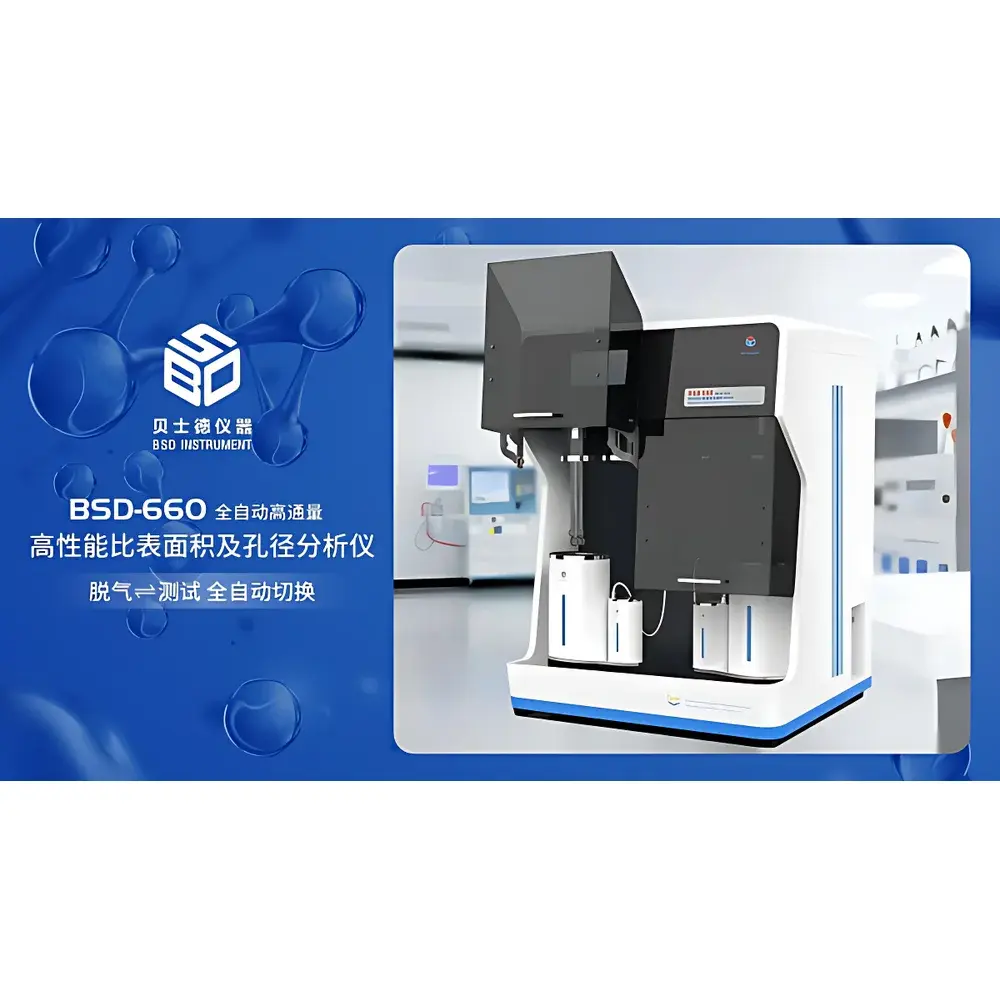
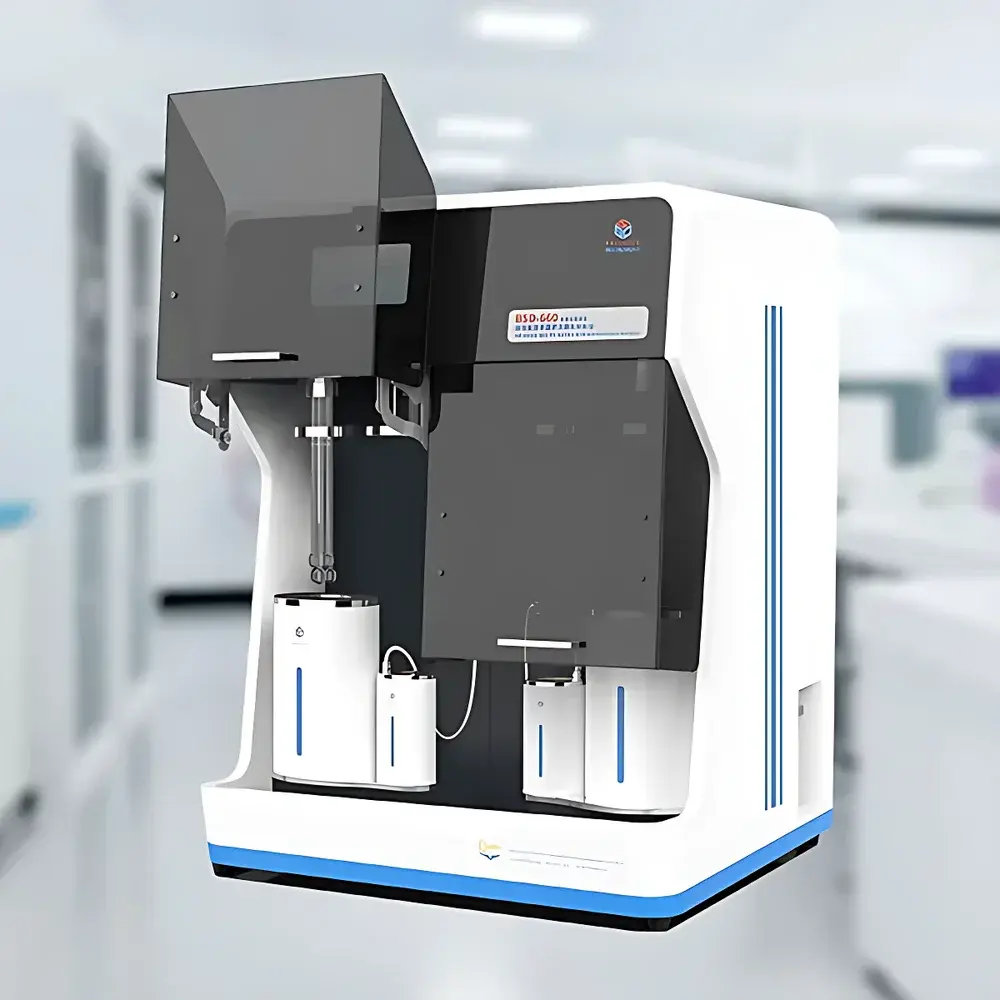
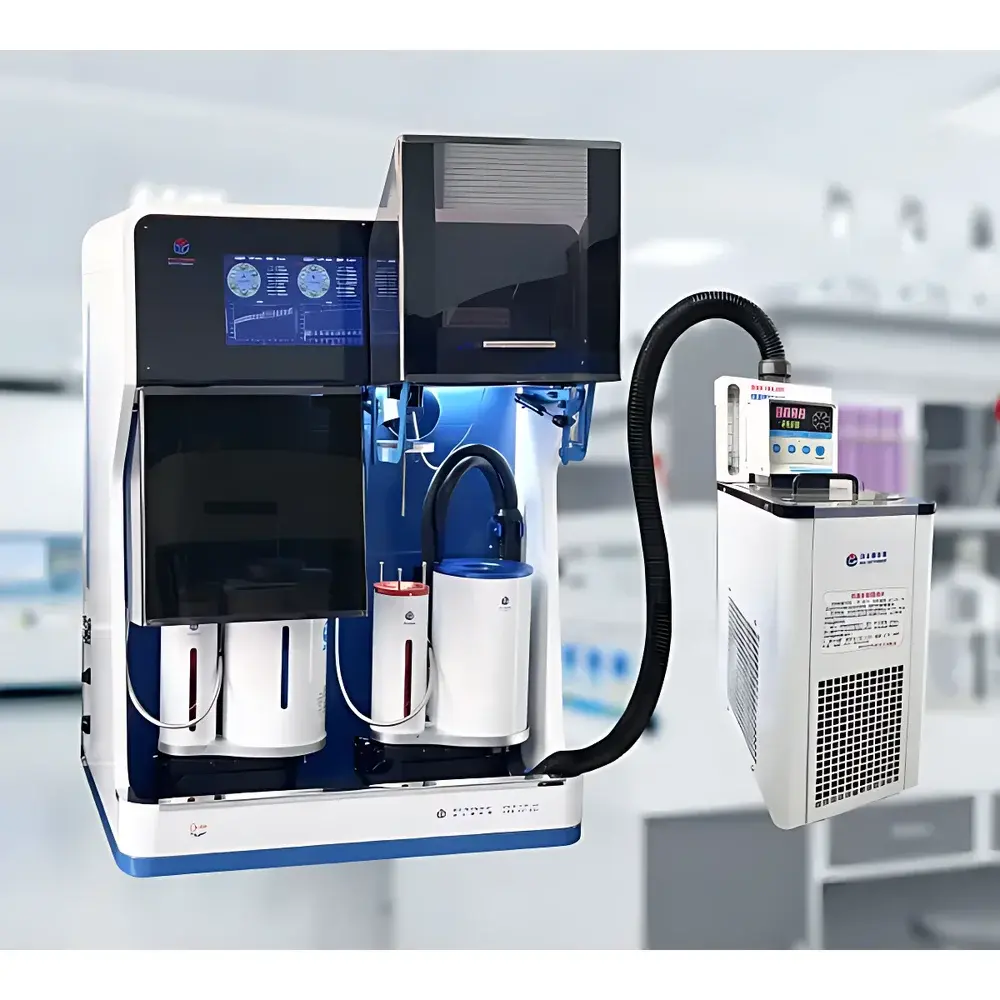
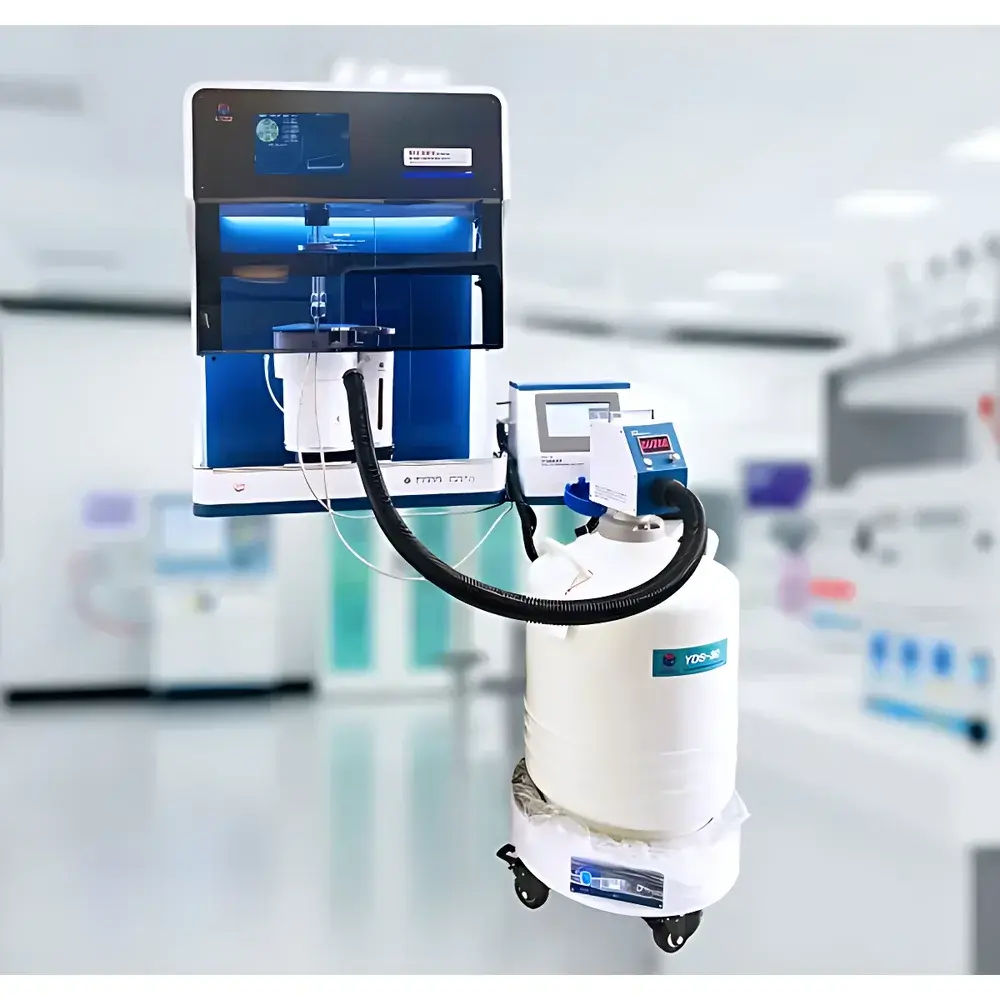
Beishide BSD-660A6S Specific Surface Area and Pore Size Analyzer
| Brand | Beishide Instrument |
|---|---|
| Origin | Beijing, China |
| Manufacturer Type | Manufacturer |
| Model | BSD-660A6S |
| Instrument Type | Specific Surface Area and Pore Size Analyzer |
| Principle | Static Volumetric Method (Static Capacity Method) |
| Analysis Stations | 3 / 6 / 9 / 12 configurable |
| Surface Area Range | ≥0.0005 m²/g |
| Pore Diameter Range | 0.35–500 nm |
| Pressure Range | 0–1000 torr & 0–1 torr (dual-range transducers) |
| Repeatability | ≤0.5% RSD (certified reference material) |
Overview
The Beishide BSD-660A6S Specific Surface Area and Pore Size Analyzer is a fully automated, high-throughput physical adsorption instrument engineered for precision characterization of porous and non-porous solid materials using the static volumetric (gas adsorption) method. It implements the Brunauer–Emmett–Teller (BET) theory for specific surface area determination and applies density functional theory (DFT), Barrett–Joyner–Halenda (BJH), and Horvath–Kawazoe (HK) models for pore size distribution analysis across micropores (0.35–2 nm), mesopores (2–50 nm), and macropores (50–500 nm). Designed for routine QC/QA laboratories and advanced research facilities, the system operates under ultra-high vacuum conditions (down to 1×10⁻⁹ Pa) and supports nitrogen, argon, carbon dioxide, hydrogen, methane, and other non-corrosive or corrosive gases — with optional configurations for vapor-phase adsorption and low-temperature isotherm acquisition via liquid nitrogen temperature control (100 K to ambient).
Key Features
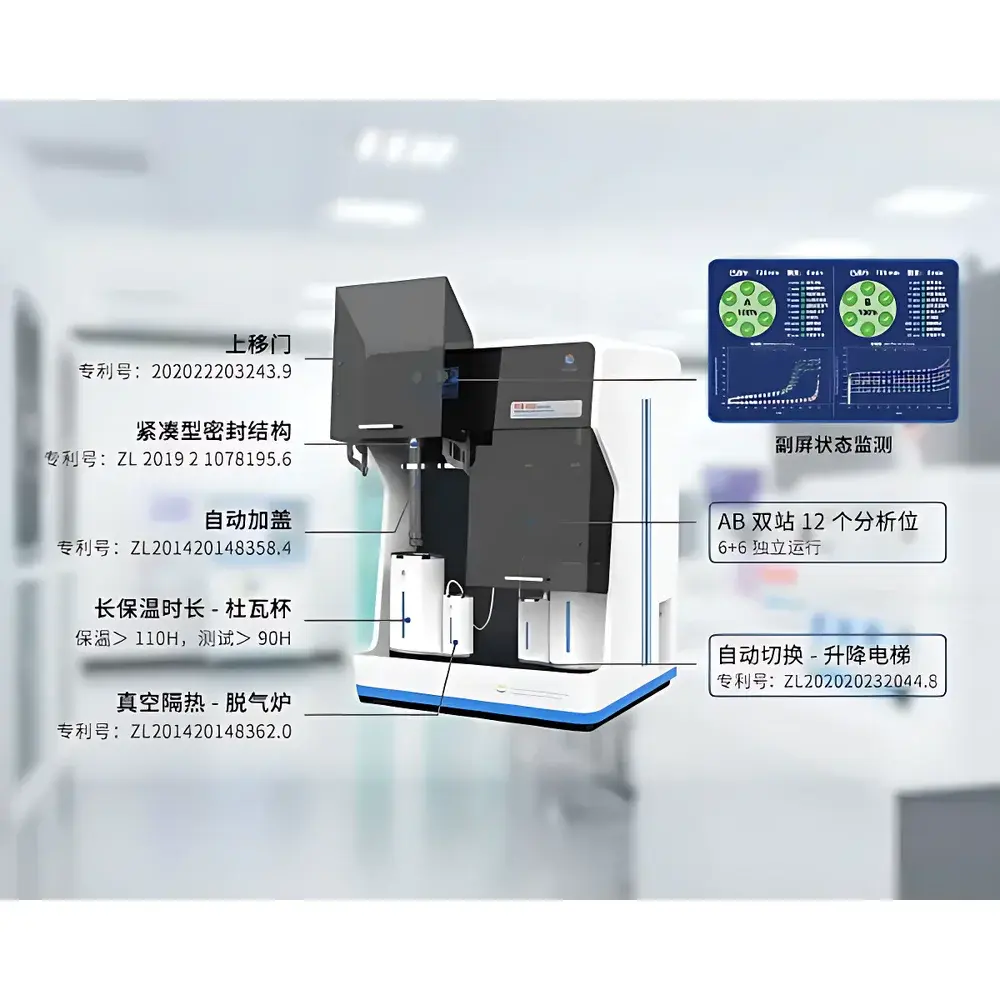
- Fully automated workflow: integrated sample degassing → gas dosing → adsorption/desorption isotherm acquisition without manual intervention.
- Modular station architecture: scalable configuration with 3, 6, 9, or 12 independent analysis positions — enabling parallel processing of heterogeneous samples.
- Patented “Pressure-Controlled Heating” (PCH) degassing: dynamically regulates furnace lift and heating ramp based on real-time pressure feedback to suppress sample fluidization and prevent mass loss during thermal treatment.
- Helium-free dead volume calibration sequence: helium measurement precedes vacuum degassing, eliminating residual helium interference in micropore analysis — a critical advancement for accurate ultramicropore (<0.7 nm) quantification.
- Auto-stabilized thermal zone: servo-controlled isothermal jacket maintains adsorption chamber temperature stability within ±0.01 °C at 40 °C, ensuring <0.10% drift in equivalent dead volume over 24 hours.
- Dual-molecular-pump option: enables rapid evacuation and high-vacuum conditioning for moisture-sensitive or ultra-microporous samples (e.g., MOFs, zeolites).
- Electric turbo liquid nitrogen pump: contactless, variable-speed LN₂ delivery with zero contamination risk and ergonomic mobility.
- Single-seal multi-tube interface: simultaneous sealing of up to six sample tubes per station — reducing setup time by >70% versus sequential sealing methods.
Sample Compatibility & Compliance
The BSD-660A6S accommodates diverse material classes including battery cathode/anode powders (LiCoO₂, Si/C composites), metal–organic frameworks (MOFs), covalent organic frameworks (COFs), activated carbons, silica gels, catalyst supports, pharmaceutical excipients, ceramic precursors, and metallic nanoparticles. It complies with international standards governing gas adsorption analysis: ISO 9277:2010 (BET surface area), ISO 15901-1:2005 / GB/T 21650.1–2008 (mercury intrusion and gas adsorption for pore structure), ISO 15901-2:2006 / GB/T 21650.2–2008 (mesopore/macrospore analysis), and ISO 15901-3:2007 / GB/T 21650.3–2011 (micropore analysis). All operational logs, calibration records, and raw isotherm data are timestamped and audit-trail enabled to support GLP and FDA 21 CFR Part 11 compliance when integrated with validated LIMS environments.
Software & Data Management
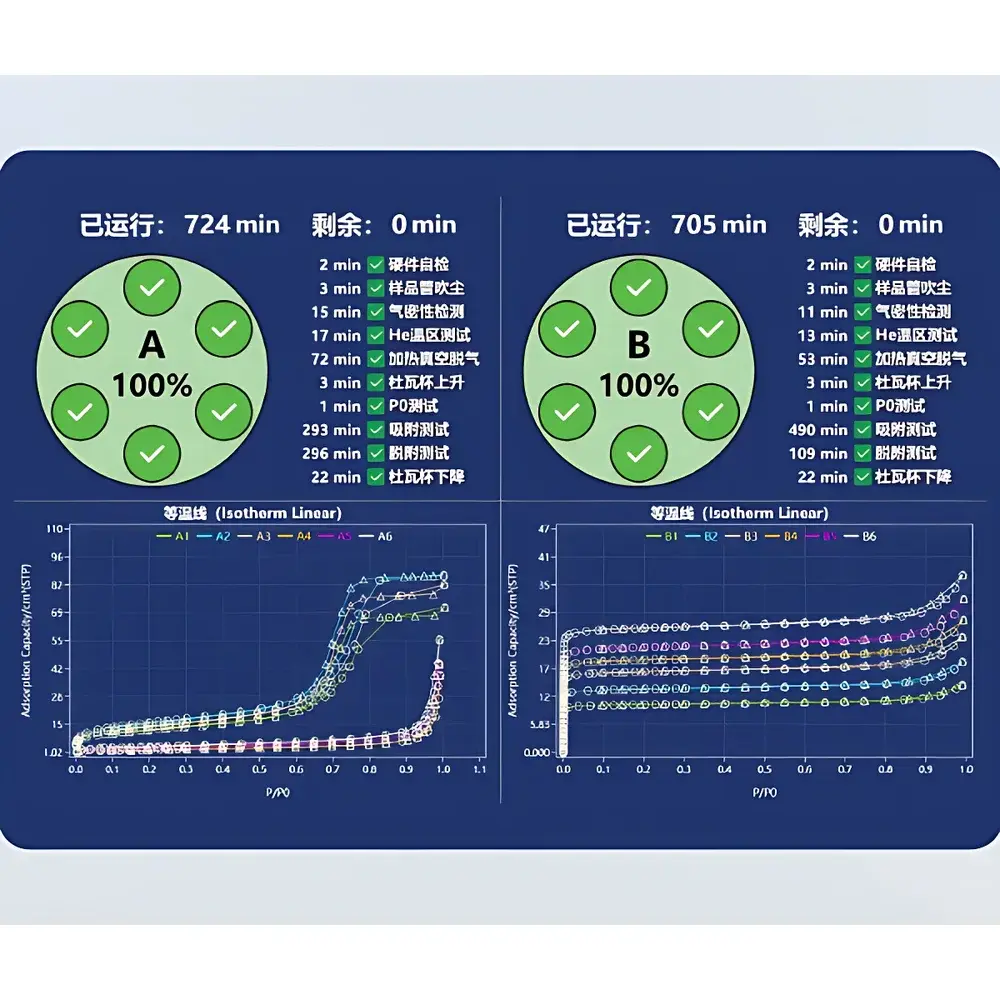
The proprietary AdsorptionPro™ software provides intuitive method scripting, real-time isotherm visualization, multi-model pore size distribution fitting (NLDFT, QSDFT, HK, BJH), and batch report generation compliant with ASTM D3663 and USP . Raw data export is available in ASTM E1358-compliant ASCII format (.dat) and HDF5 binary containers. An open API enables bidirectional integration with laboratory information management systems (LIMS), allowing automatic upload of final BET surface area, total pore volume, average pore diameter, and PSD histograms. All user actions — including parameter edits, calibration events, and report approvals — are logged with operator ID, timestamp, and IP address for full traceability.
Applications
This analyzer serves critical functions across energy storage (electrode material optimization), catalysis (support surface area and pore confinement effects), environmental science (adsorbent capacity screening), pharmaceutical development (excipient porosity and dissolution kinetics), and nanomaterials R&D (structure–property correlation in MOFs/COFs). Typical use cases include: evaluating thermal stability of microporous frameworks via cyclic adsorption–desorption; quantifying CO₂ capture capacity under sub-ambient conditions; assessing sintering-induced surface area loss in catalyst regeneration studies; and validating batch-to-batch consistency of lithium-ion battery anode coatings per GB/T 39713–2020.
FAQ
What gases can be used for adsorption analysis on the BSD-660A6S?
Nitrogen, argon, krypton, carbon dioxide, hydrogen, methane, ethane, and other non-corrosive gases are supported as standard. Optional corrosion-resistant manifolds enable safe use of HCl, NH₃, SO₂, and other aggressive analytes.
Is the system compatible with regulatory-compliant data integrity requirements?
Yes — all data acquisition, processing, and reporting modules meet ALCOA+ principles. Electronic signatures, role-based access control, and immutable audit trails satisfy FDA 21 CFR Part 11 and EU Annex 11 expectations.
How does the “Pressure-Controlled Heating” technology improve reproducibility?
By coupling pressure monitoring with programmable furnace motion and temperature ramping, PCH eliminates particle entrainment during degassing — preserving sample integrity and yielding ≤0.5% RSD in repeated BET measurements on certified reference materials.
Can the instrument perform dynamic cycling tests for adsorption durability assessment?
Yes — the Auto-Cycle Test mode executes predefined sequences of degas → adsorb → desorb → re-adsorb, enabling long-term stability evaluation of sorbent materials under controlled environmental conditions.
What vacuum level is achieved during degassing and analysis?
The base pressure reaches 1×10⁻⁹ Pa using dual-stage molecular pumping, ensuring complete removal of physisorbed contaminants and reliable measurement of low-pressure monolayer formation in microporous systems.



