
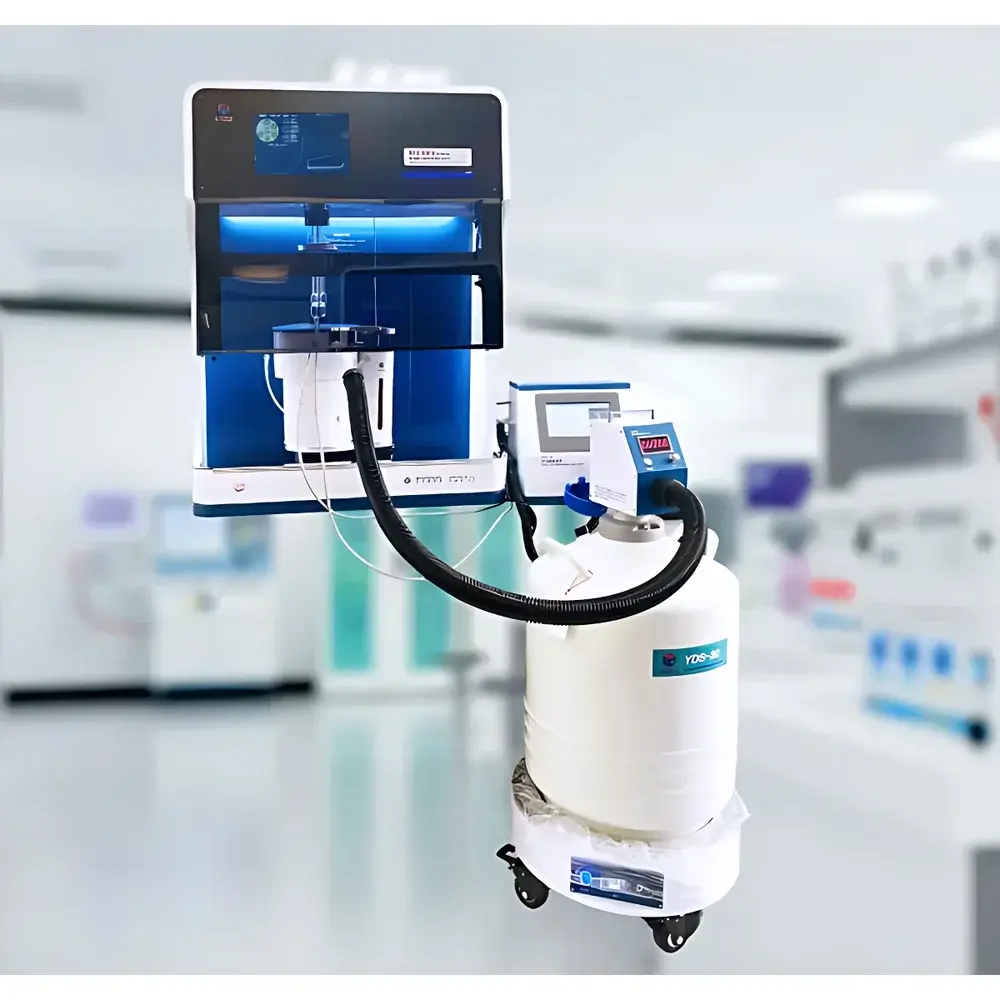
Beishide BSD-660A6B3M Fully Automated High-Performance Specific Surface Area and Pore Size Analyzer
| Brand | Beishide Instrument |
|---|---|
| Origin | Beijing, China |
| Manufacturer Type | Manufacturer |
| Product Category | Domestic |
| Model | BSD-660A6B3M |
| Instrument Type | Specific Surface Area and Pore Size Analyzer |
| Measurement Principle | Static Volumetric Method |
| Number of Analysis Stations | 3 / 6 / 9 / 12 (configurable) |
| Surface Area Range | ≥0.0005 m²/g |
| Pore Diameter Range | 0.35–500 nm |
| Repeatability | <0.5% RSD (standard reference material) |
Overview
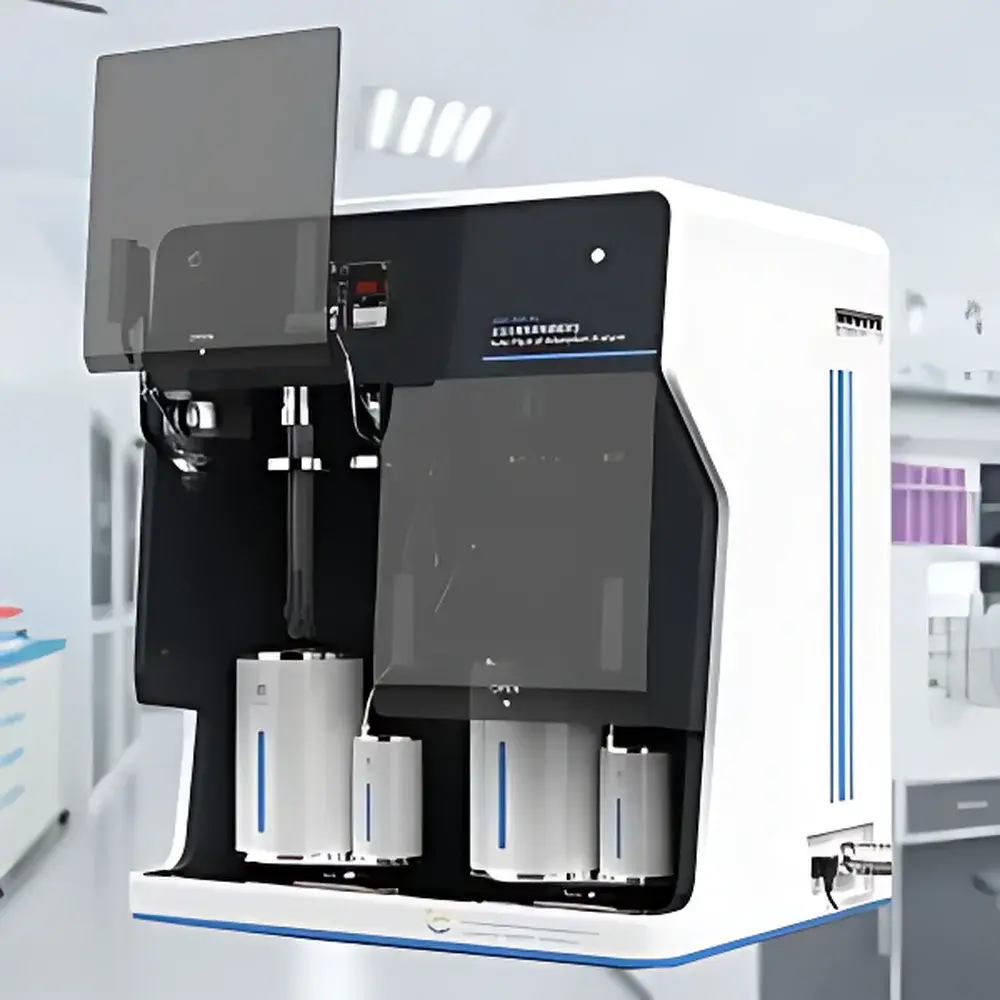
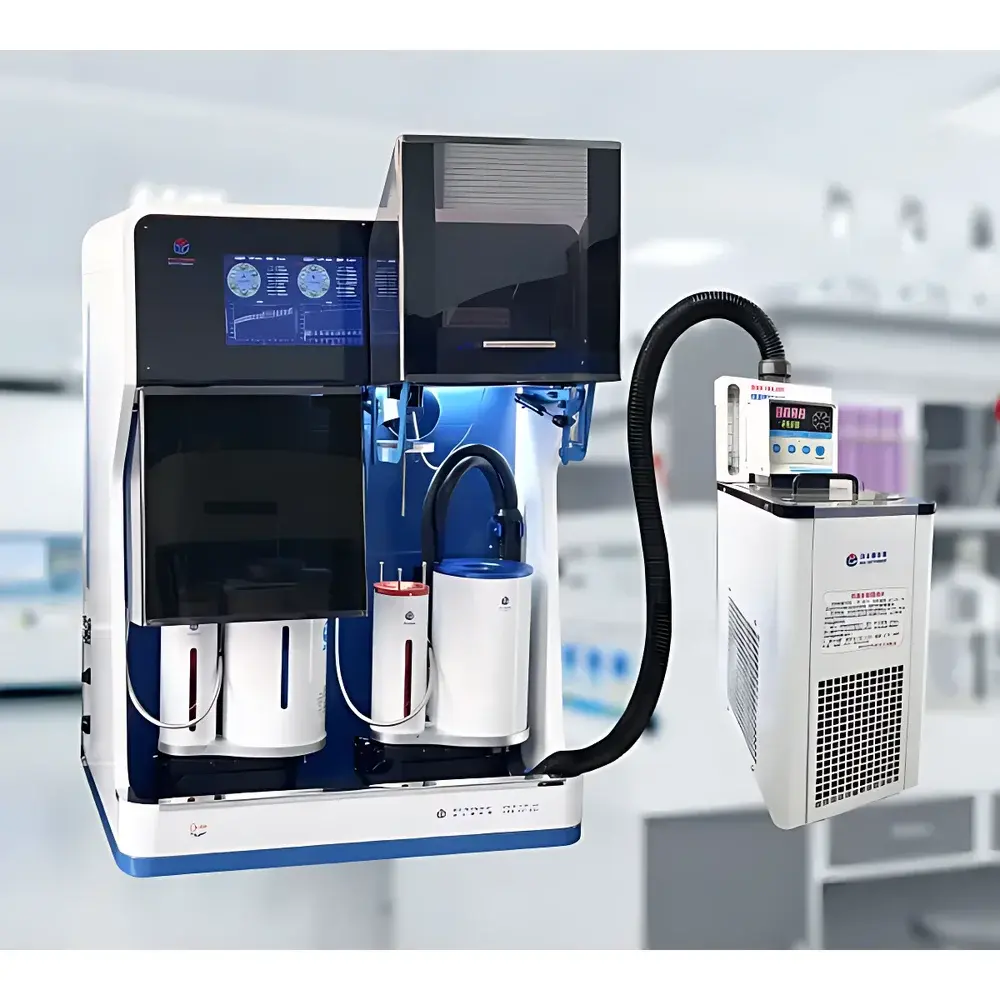
The Beishide BSD-660A6B3M is a fully automated, high-throughput physical adsorption analyzer engineered for precise determination of specific surface area, micropore volume, mesopore size distribution, and total pore volume using the static volumetric gas adsorption method. Based on the Brunauer–Emmett–Teller (BET) theory for surface area quantification and density functional theory (DFT) or non-local DFT (NLDFT) models for pore size analysis, the instrument supports nitrogen, argon, carbon dioxide, hydrogen, methane, and other non-corrosive or corrosive gases (with optional configurations). Its core architecture integrates ultra-high vacuum capability (down to 1×10⁻⁹ Pa), temperature-stabilized adsorption manifolds (±0.01 °C), and dual-stage molecular pumping systems—enabling rigorous compliance with ISO 9277:2010, GB/T 19587–2017, ISO 15901-1/2/3, and ASTM D3663 for reproducible, metrologically traceable measurements across academic, industrial, and regulatory environments.
Key Features
- Fully automated workflow: Integrated sample degassing → gas dosing → adsorption isotherm acquisition → data reduction without manual intervention.
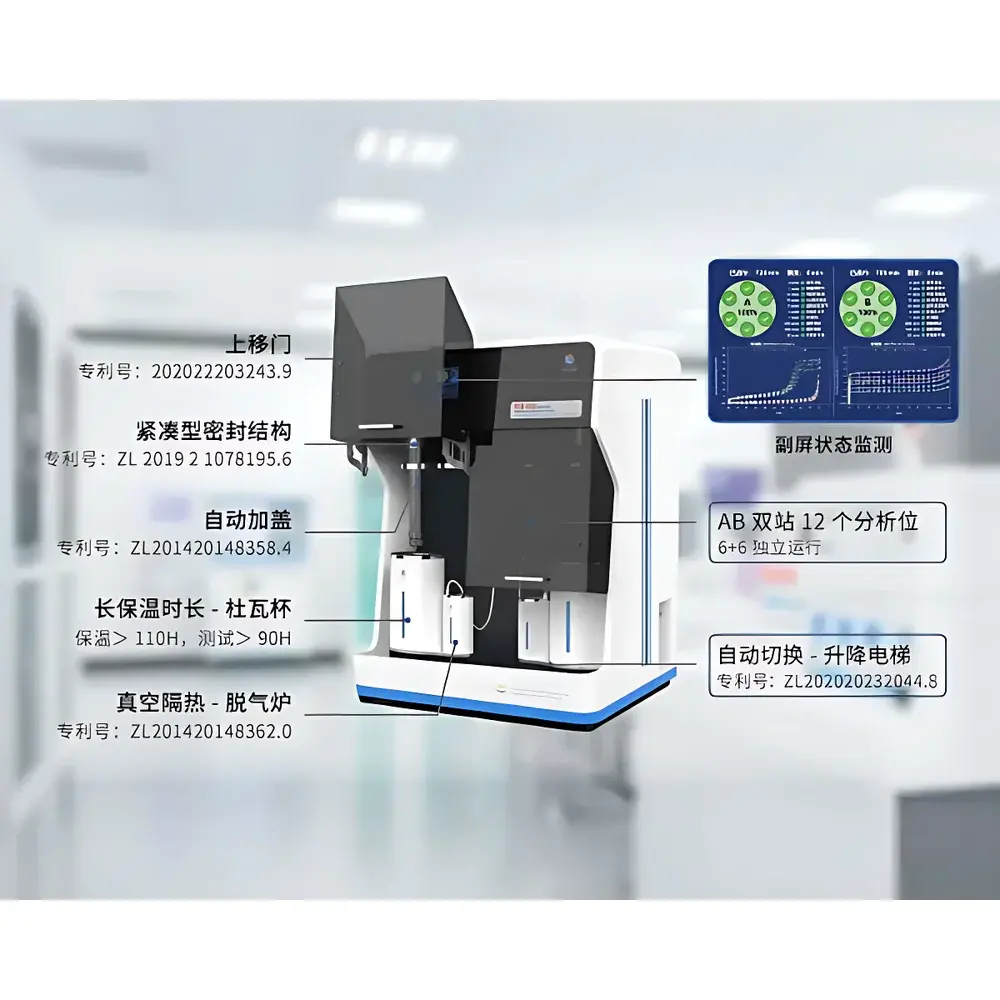
- Modular station configuration: Selectable 3-, 6-, 9-, or 12-port analysis modules to match laboratory throughput requirements.
- Patented “pressure-controlled heating” (PCH) degassing: Dynamically adjusts furnace position and ramp rate based on real-time pressure feedback to suppress sample fluidization and preserve microstructural integrity during thermal treatment.
- Helium-free dead-volume calibration protocol: Pre-measurement helium pycnometry at controlled temperature, followed by in-situ vacuum degassing and adsorption testing—eliminating helium carryover artifacts in micropore analysis.
- Auto-regulating temperature zone: Servo-controlled isothermal jacket maintains adsorption chamber thermal stability with ≤0.10% 24-hour drift in equivalent volume—superior to conventional liquid-level sensors or passive isothermal blocks.
- Electric turbo liquid nitrogen pump: Contactless, variable-speed LN₂ delivery system ensuring contamination-free cryogen handling and consistent bath-level control across extended runs.
- Hermetic multi-tube sealing: Six sample tubes sealed simultaneously per station via integrated gasketed manifold—reducing setup time and leak risk versus sequential single-tube protocols.
- Full-system thermostating: Entire pneumatic circuit maintained at 40 °C ±0.01 °C to minimize vapor condensation and adsorption kinetics variability.
Sample Compatibility & Compliance
The BSD-660A6B3M accommodates diverse solid materials including battery cathode/anode powders (e.g., NMC, silicon carbide), metal–organic frameworks (MOFs), covalent organic frameworks (COFs), activated carbons, zeolites, silica gels, metal oxides, hydroxides, and pharmaceutical excipients. It complies with international standards governing surface area and porosimetry: ISO 9277 (BET), ISO 15901-1/2/3 (gas adsorption for micro/meso/macropores), GB/T 21650 series (pore structure characterization), and ASTM D3663 (carbon black surface area). Optional configurations support GLP/GMP-aligned operation with 21 CFR Part 11–compliant audit trails, electronic signatures, and LIMS integration via open API.
Software & Data Management
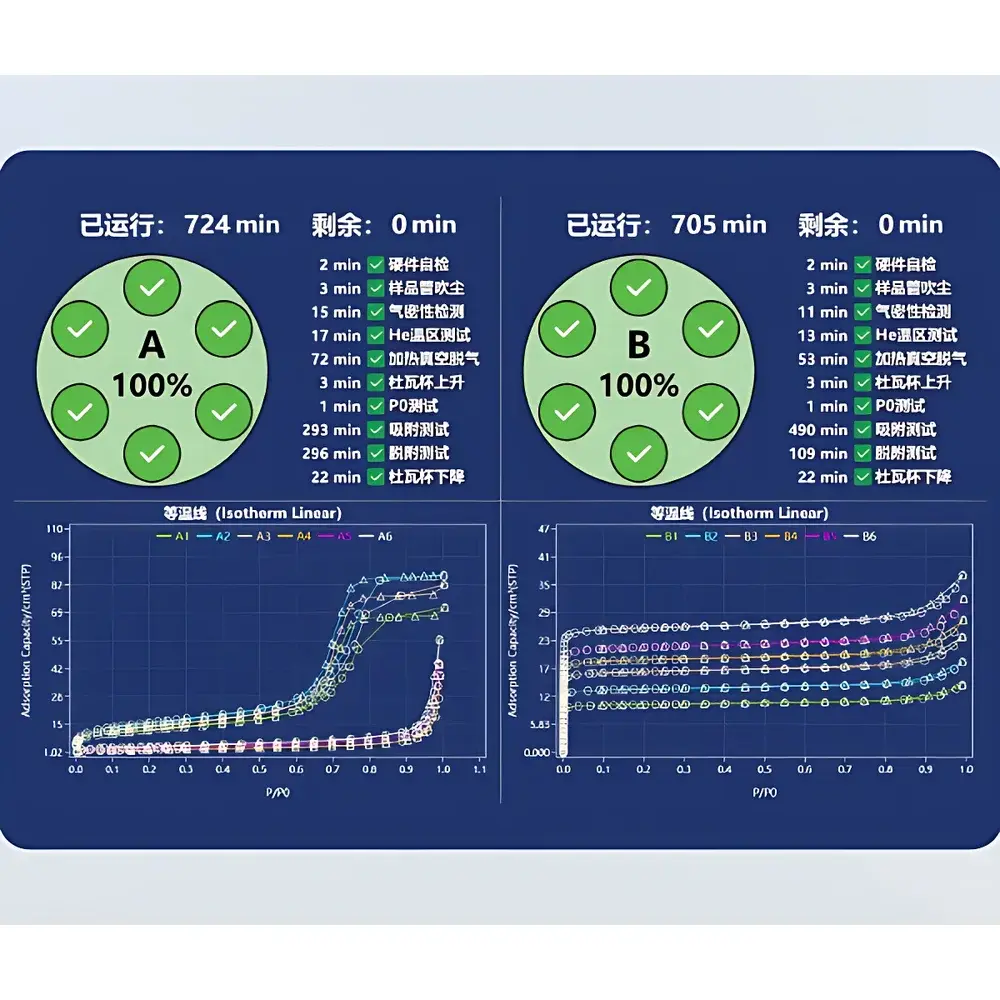
The proprietary Beishide Adsorption Analysis Suite (v5.x) provides guided method setup, real-time isotherm visualization, automatic degassing endpoint detection, and multi-model fitting (BET, t-plot, BJH, DFT/NLDFT, HK, DA). Raw data export is supported in ASCII, CSV, and CDF formats. The software includes built-in uncertainty propagation reporting per IUPAC recommendations and generates compliant PDF reports with metadata (operator ID, timestamp, calibration history, environmental conditions). Audit logs record all parameter modifications, user actions, and instrument status events—fully traceable for FDA or ISO 17025 assessments.
Applications
- Quality control of porous catalysts and adsorbents in petrochemical and environmental engineering.
- Structure–property correlation studies in battery materials development (e.g., Li-ion anode surface reactivity vs. cycling stability).
- Regulatory submission support for pharmaceutical solid-state characterization per USP and ICH Q5A.
- Accelerated aging evaluation via automated cyclic adsorption–desorption sequences to assess material durability.
- Research into gas storage capacity (H₂, CH₄) of novel MOF architectures under controlled thermodynamic conditions.
- Validation of synthetic protocols for hierarchical porous ceramics and aerogels.
FAQ
What gases can be used for analysis on the BSD-660A6B3M?
Standard configurations support N₂, Ar, CO₂, O₂, and CO. Optional modules enable safe operation with H₂, CH₄, C₂H₆, and corrosive gases (e.g., NH₃, SO₂) using chemically resistant valves and seals.
How does the instrument ensure accuracy for ultralow surface areas (<0.01 m²/g)?
Through ultra-high vacuum base pressure (1×10⁻⁹ Pa), low-noise pressure transducers (0.001 Torr resolution), and helium pycnometry-based dead-volume calibration prior to each run—minimizing systematic bias in low-coverage isotherm regions.
Is the system compatible with regulated laboratory environments?
Yes. With optional 21 CFR Part 11 mode enabled, the software enforces role-based access control, electronic signatures, immutable audit trails, and data integrity validation—meeting requirements for GMP, GLP, and ISO/IEC 17025 accreditation.
Can the instrument perform dynamic adsorption cycling tests?
Yes. The automated sequence engine supports programmable multi-cycle adsorption–desorption–regeneration protocols, enabling long-term stability assessment of sorbent materials under repeated loading conditions.
What maintenance intervals are recommended for routine operation?
Molecular pumps require oil replacement every 6 months; pressure transducers are factory-calibrated annually; cryogenic traps should be regenerated after 200 LN₂ refills or visible ice accumulation. Full preventive maintenance is advised biannually by certified Beishide service engineers.



