
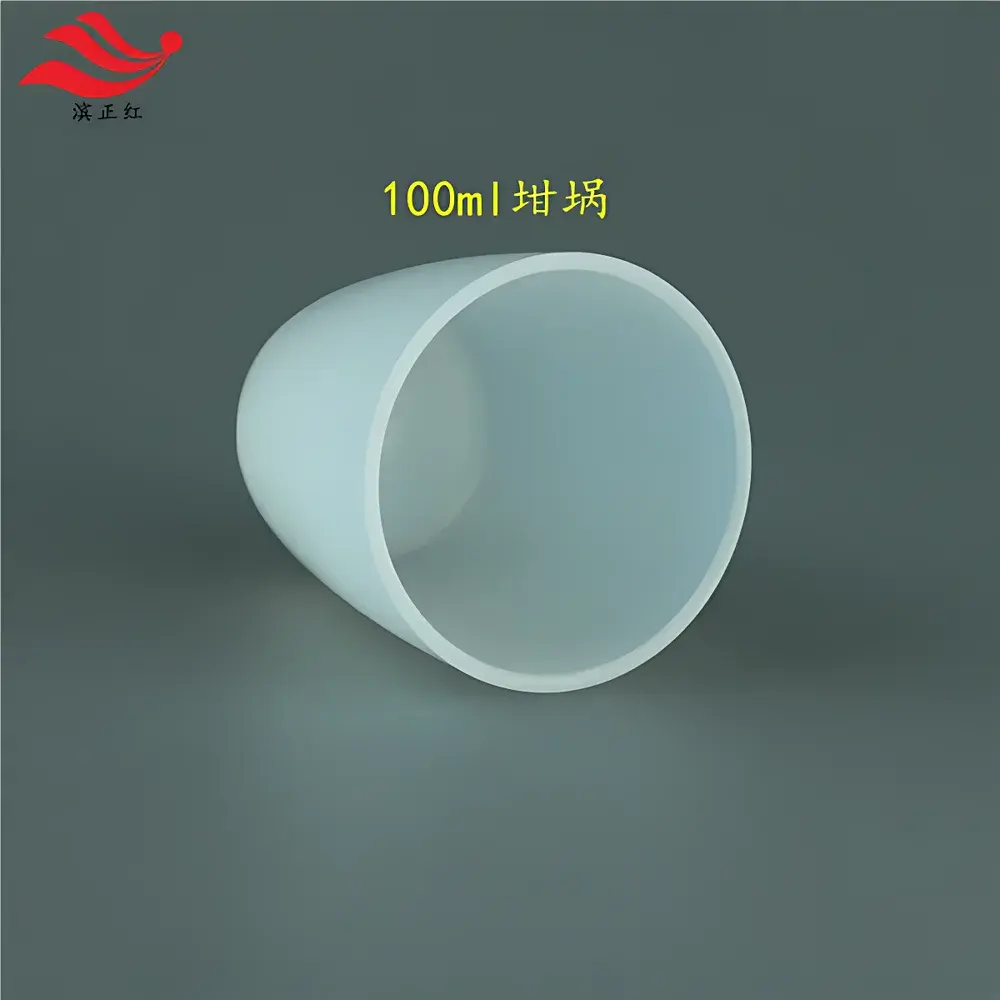
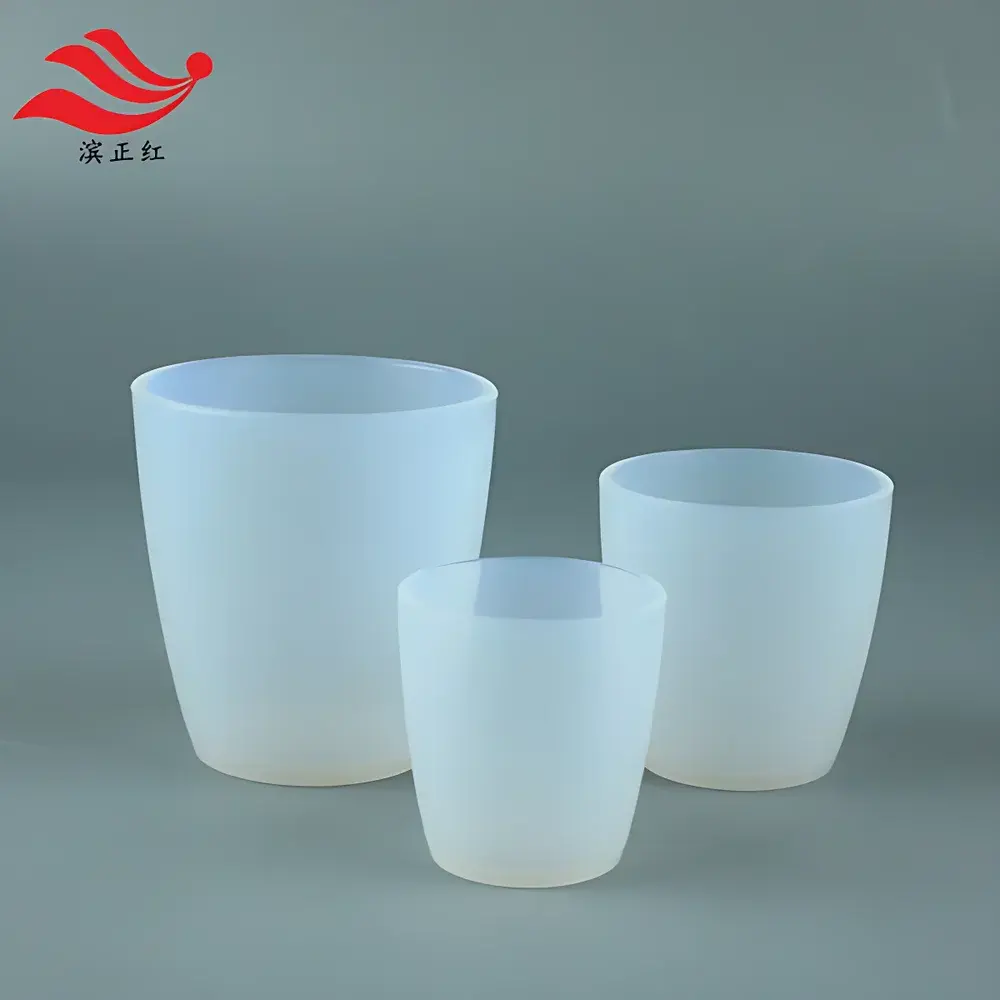
PFA Crucible Transparent Heating Dish – Binzhenghong PFA-30 to PFA-100 mL
| Brand | Binzhenghong |
|---|---|
| Origin | Jiangsu, China |
| Manufacturer Type | Direct Producer |
| Origin Category | Domestic (China) |
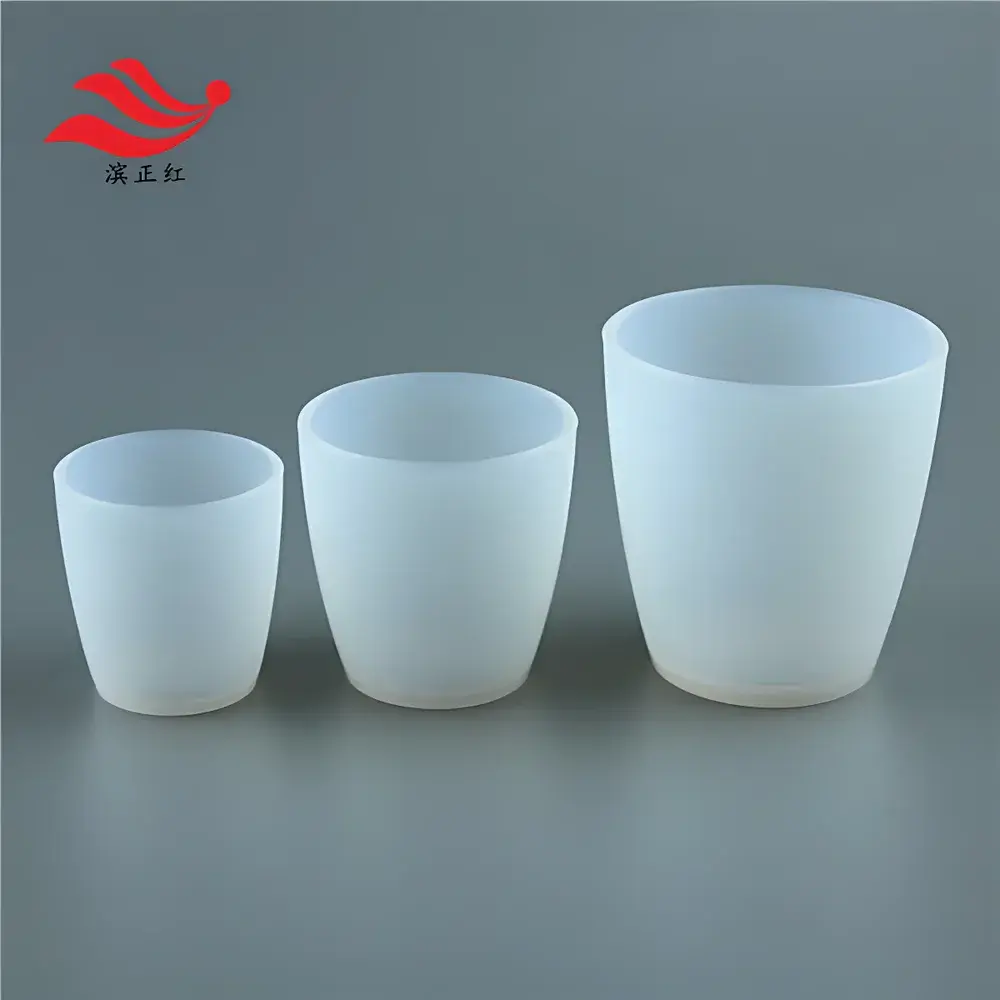
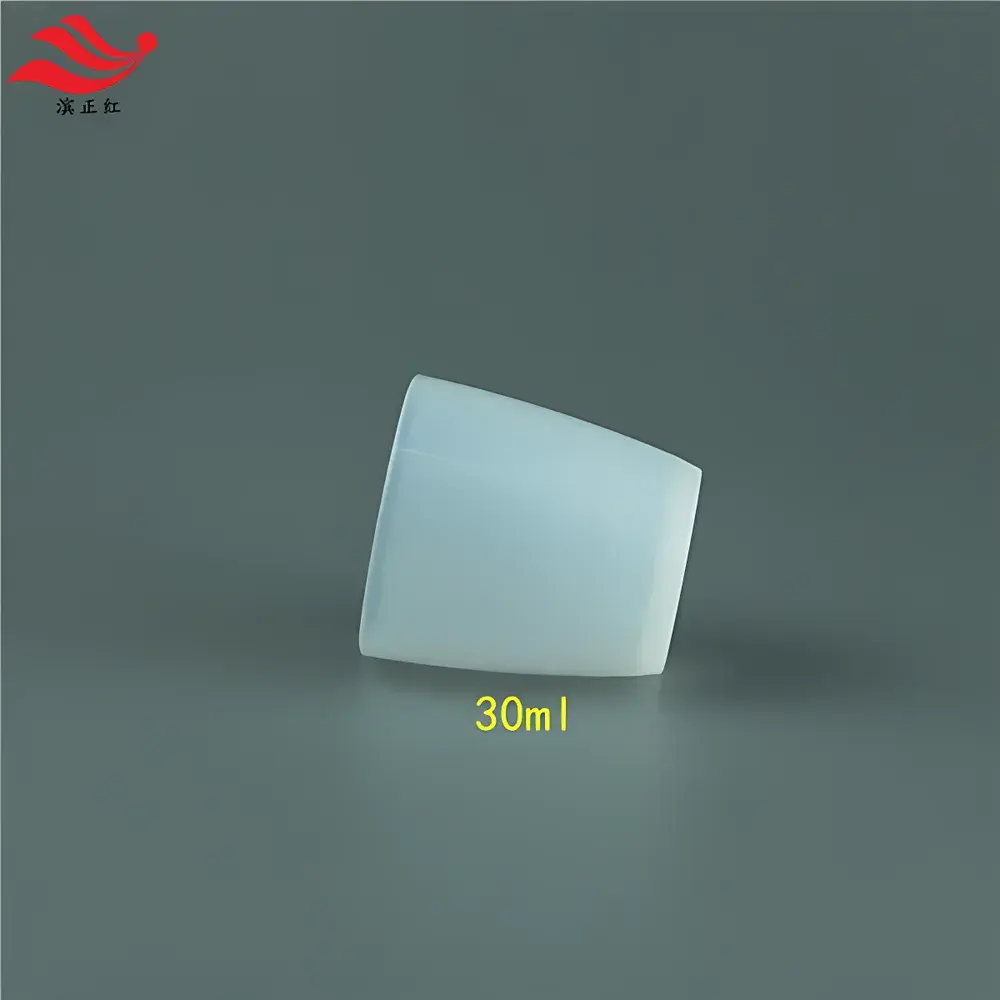
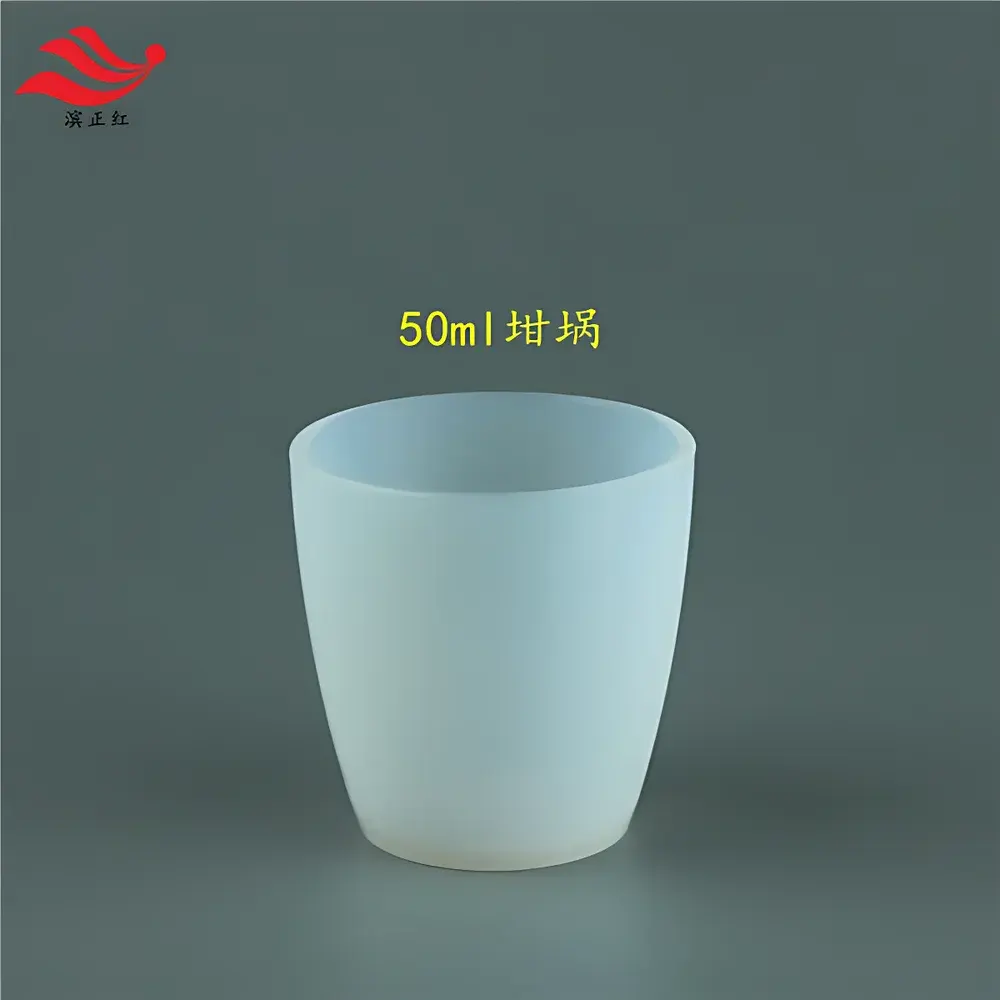
| Volume Options | 30 mL, 50 mL, 100 mL |
| Temperature Resistance | –200 °C to +260 °C |
| Material | Perfluoroalkoxy alkane (PFA), ASTM D4894-compliant |
| Metal Background | <0.01 ppb Pb and U |
| Extractables | Non-detectable per USP <661.3> and EPA Method 1633 |
| Reuse Compatibility | Fully autoclavable (121 °C, 20 min), solvent-rinsable, no regrind content |
Overview
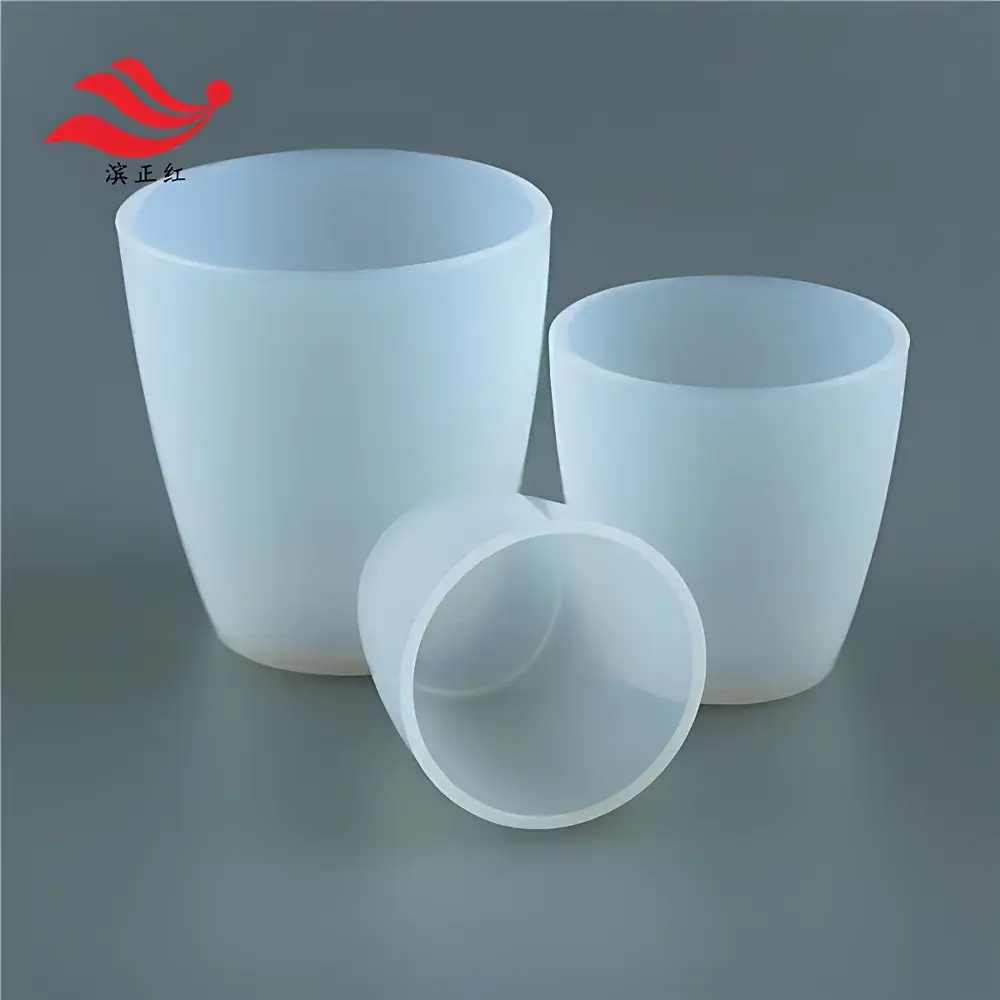
The Binzhenghong PFA Crucible Transparent Heating Dish is a high-purity, chemically inert laboratory vessel engineered for ultra-trace elemental analysis, isotopic ratio measurements, and high-temperature sample preparation under stringent contamination control protocols. Constructed entirely from virgin perfluoroalkoxy alkane (PFA) resin—free of recycled or regrind material—the crucible exhibits exceptional thermal stability across a wide range from –200 °C to +260 °C, enabling cryogenic storage, microwave-assisted digestion, hotplate heating, and vacuum drying without deformation or leaching. Its optical clarity facilitates real-time visual monitoring of sample state changes (e.g., crystallization, evaporation, phase separation), while its low intrinsic metal background (<0.01 ppb for lead and uranium) meets the analytical requirements of ICP-MS, TIMS, and HR-ICP-MS workflows where blank contribution must be minimized below method detection limits (MDLs). Unlike quartz or borosilicate glass, PFA eliminates alkali metal interference; unlike standard PTFE, PFA offers superior melt-processability and transparency without compromising chemical resistance to HF, aqua regia, concentrated HNO₃/H₂SO₄, and organic solvents.
Key Features
- Virgin-grade PFA construction—zero regrind content ensures trace-metal purity and eliminates batch-to-batch variability in extractables
- Optical transparency across UV-Vis-NIR spectrum (transmittance >90% at 400–2500 nm), enabling in-situ observation and photometric compatibility
- Thermal resilience: stable under repeated thermal cycling between cryogenic and 260 °C conditions without crazing, clouding, or dimensional drift
- Non-wetting surface with contact angle >110° against aqueous and organic liquids—reduces sample retention and improves quantitative recovery
- Autoclavable at 121 °C (20 min, saturated steam) and compatible with Class B sterilization cycles per ISO 17665-1
- Compliant with USP for elemental impurities in pharmaceutical packaging components and EPA Method 1633 for PFAS analysis blanks
Sample Compatibility & Compliance
These crucibles are validated for use with aggressive reagents including hydrofluoric acid (up to 48%), fuming nitric acid, bromine trifluoride, and supercritical CO₂-based extraction media. Their non-reactive surface prevents catalytic decomposition of labile analytes (e.g., organometallics, peroxides) and avoids silicate or borate contamination common in glassware. For regulated environments, the crucibles support GLP/GMP documentation requirements through lot-specific CoA (Certificate of Analysis) reporting total metal content (Al, Cr, Fe, Ni, Pb, U, etc.) via ICP-MS validation. They are routinely employed in EPA SW-846 Methods 3050B, 3051A, and 3052 for soil/sediment digestion, as well as ASTM D5600-22 for trace element determination in petroleum products.
Software & Data Management
While inherently hardware-only, the PFA crucible integrates seamlessly into digital lab ecosystems. When used with automated sample introduction systems (e.g., CETAC ASX-560, ESI PrepFAST), its consistent geometry enables reproducible pipetting and aspiration parameters. Batch-lot traceability is maintained via laser-etched alphanumeric codes (optional), compatible with LIMS platforms such as LabVantage and Thermo Fisher SampleManager. All manufacturing records—including raw material certifications (ASTM D4894), thermal history logs, and ICP-MS blank testing reports—are retained for ≥10 years to satisfy FDA 21 CFR Part 11 audit trails and ISO/IEC 17025 accreditation requirements.
Applications
- Ultra-low-background sample digestion prior to ICP-MS analysis of geological, environmental, and nuclear materials
- Isotope dilution mass spectrometry (IDMS) calibration standard preparation requiring sub-ppt contamination control
- High-temperature gravimetric ashing of polymer matrices and biological tissues under inert atmosphere
- Inert containment for lithium-ion battery cathode precursor synthesis (e.g., NMC, LFP) avoiding transition metal cross-contamination
- Micro-volume evaporation and concentration of proteomic digests in bottom-up MS workflows
- Reference material homogenization and long-term storage of certified standards (e.g., NIST SRM 2782, IRMM-016)
FAQ
Can these PFA crucibles be used for hydrofluoric acid digestion?
Yes—they exhibit full resistance to HF concentrations up to 48% at temperatures ≤120 °C, making them suitable for EPA Method 3052 and ASTM D7348 applications.
Do they comply with FDA or pharmacopeial requirements for drug substance testing?
Yes—certified per USP , EP 3.1.11, and JP 17 for elemental impurities; CoAs include testing against ICH Q3D thresholds.
Is there risk of fluorine leaching during high-temperature use?
No—PFA’s C–F bond dissociation energy exceeds 485 kJ/mol; no detectable F⁻ release observed per ASTM D570-21 immersion testing at 260 °C for 72 h.
How should they be cleaned between uses?
Rinse sequentially with ultrapure water (18.2 MΩ·cm), followed by 70% HNO₃ (trace-metal grade), then acetone; air-dry in Class 10 cleanroom or laminar flow hood.
Are custom volume or geometry options available?
Yes—Binzhenghong supports OEM tooling for bespoke dimensions, integrated handles, or graduated markings per customer drawing and ISO 80000-1 metrological standards.



