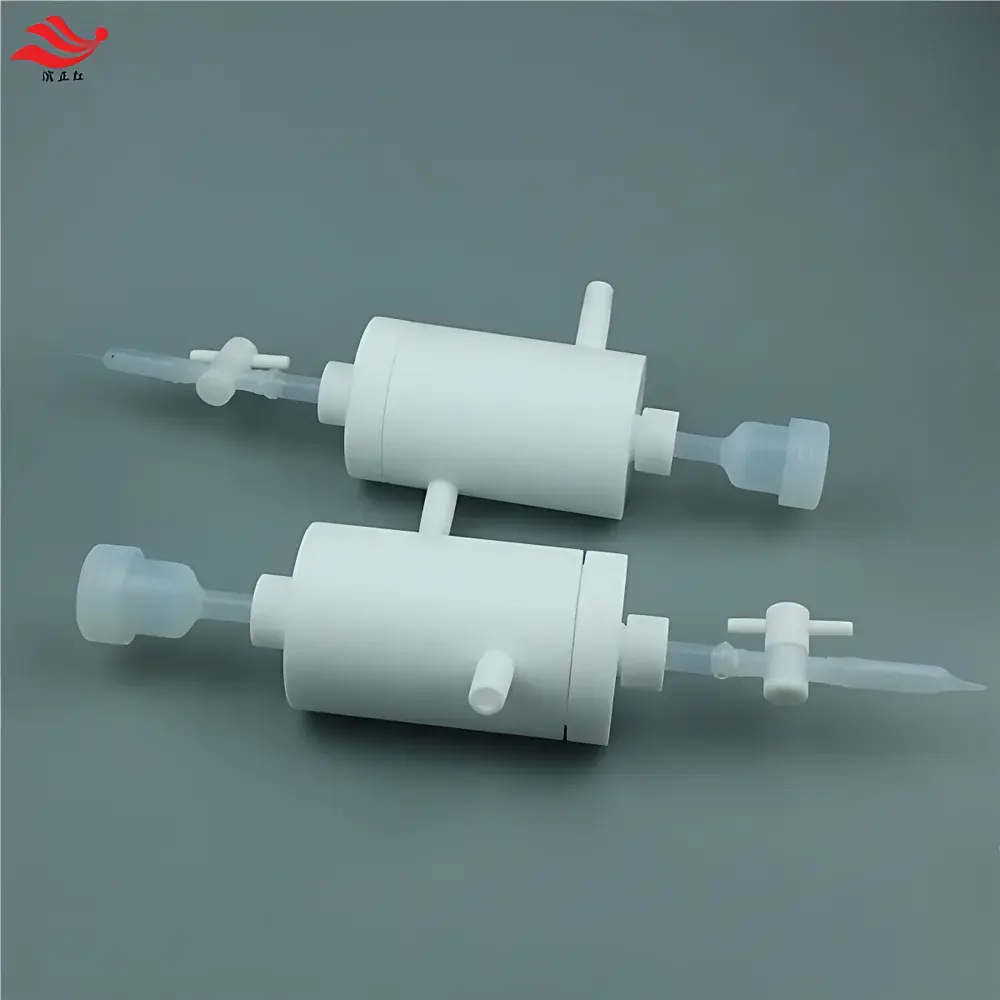
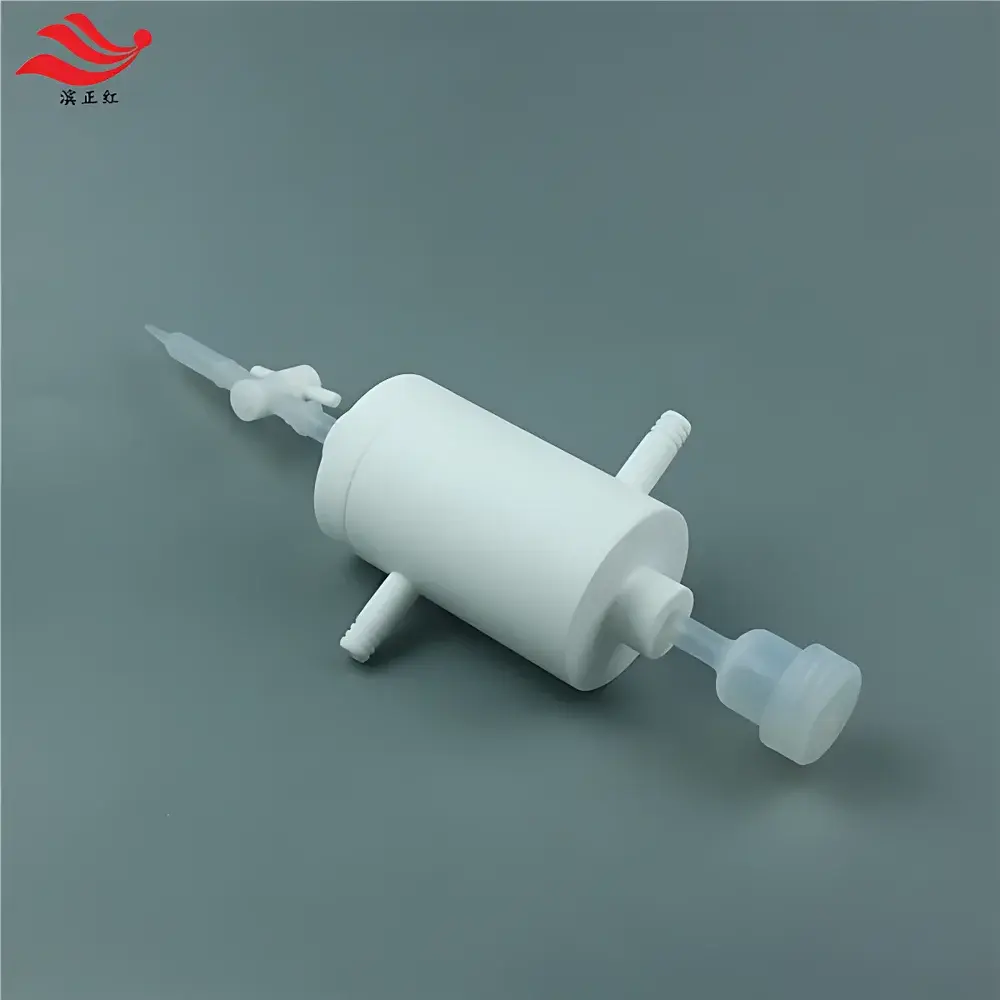
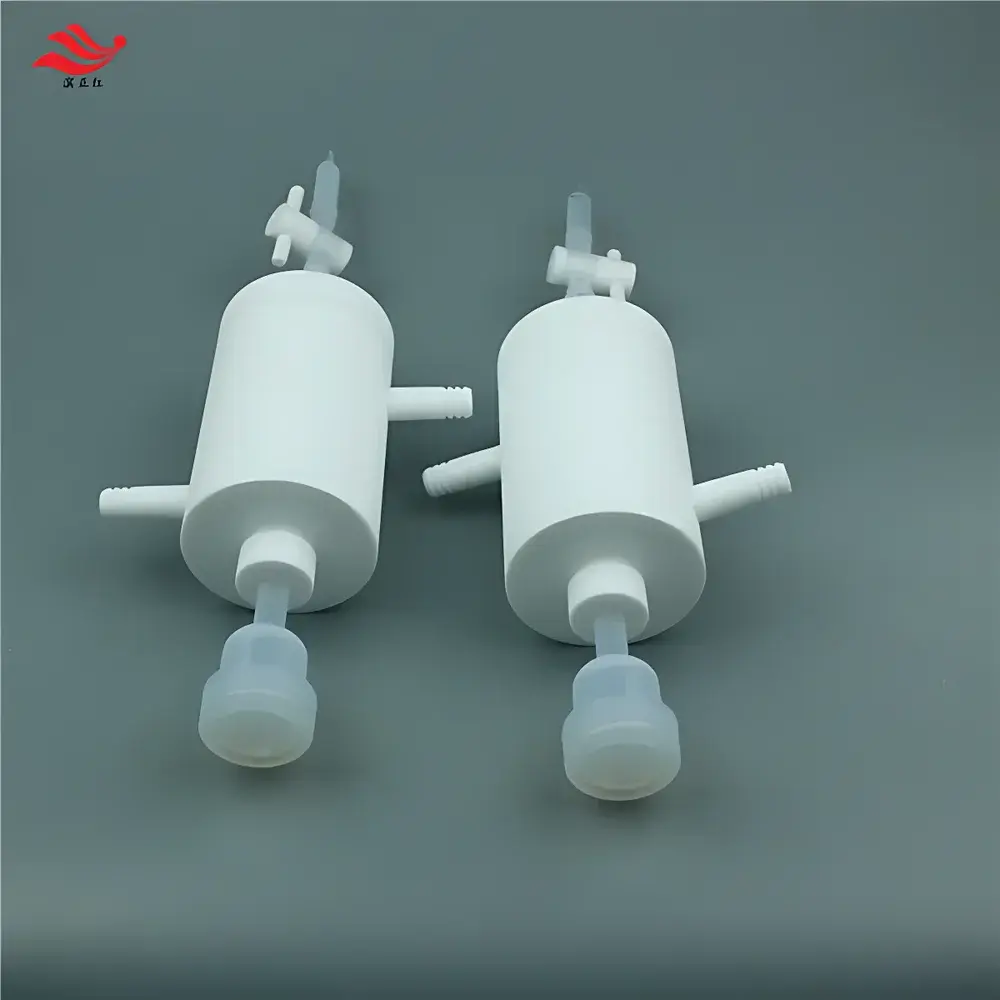
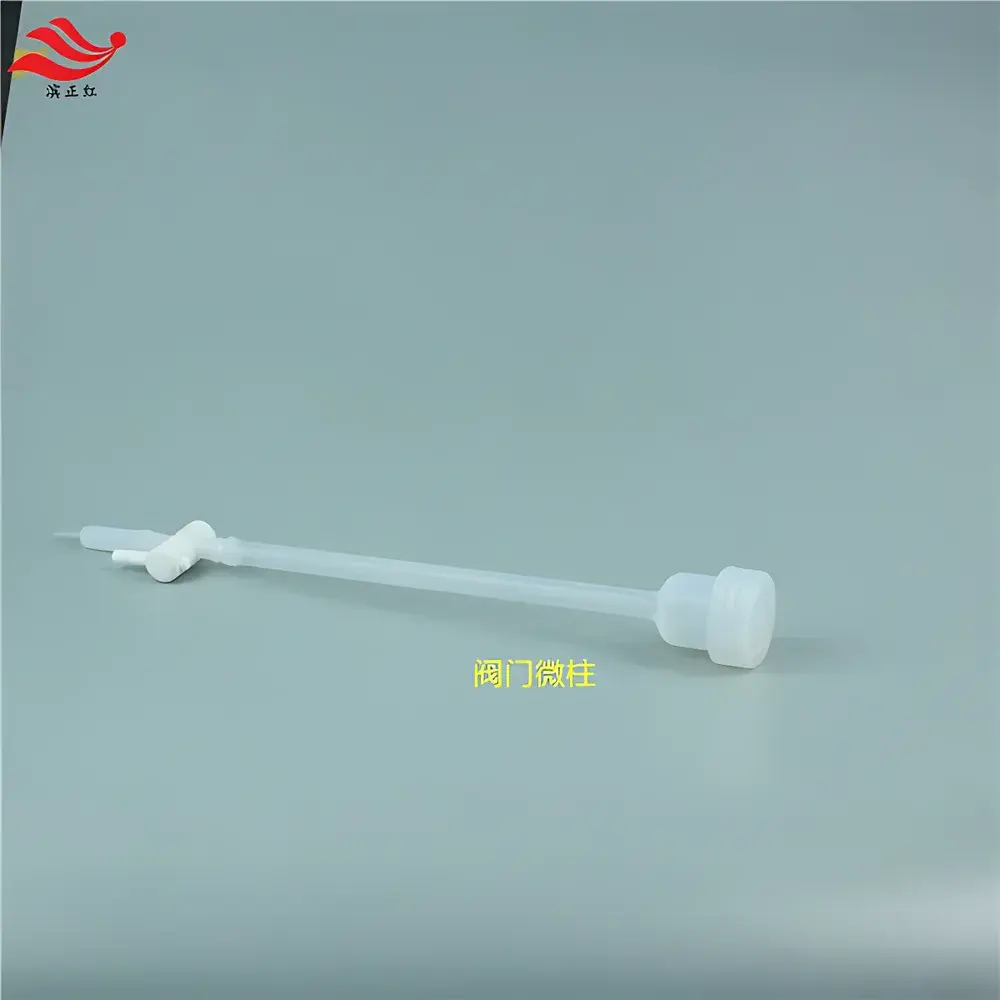
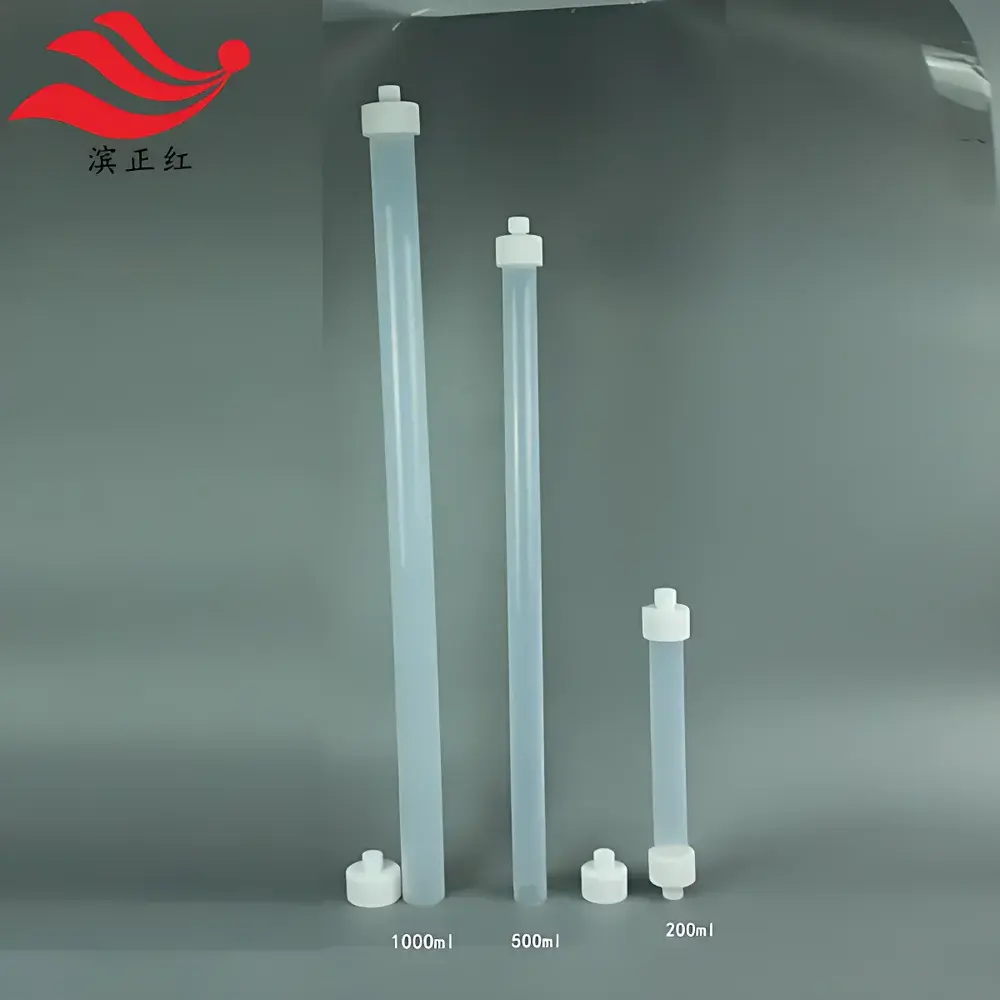
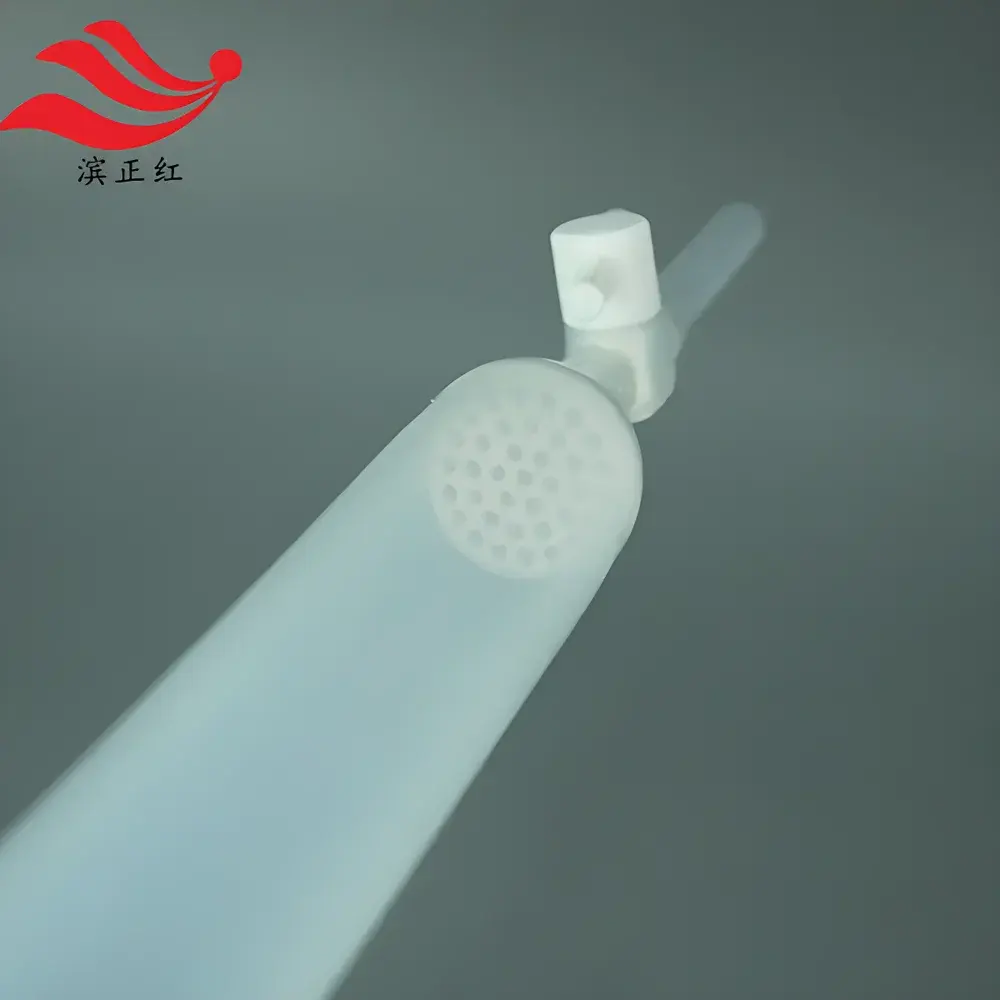
PFA-Lined Cold Condensation Column with PTFE Jacket (NJ-LNZ Series)
| Brand | Binzhenghong |
|---|---|
| Origin | Jiangsu, China |
| Manufacturer Type | Direct Producer |
| Model | NJ-LNZ |
| Volume Options | 15 mL, 30 mL |
| Internal Diameters | 3, 4, 6, 8, 9, 10, 11 mm |
| Construction | PFA-lined micro-column core + external PTFE (Teflon®-equivalent) condenser jacket |
| Thermal Management | External hot-water circulation via inlet/outlet ports for controlled column-bed temperature modulation and post-elution vapor condensation |
Overview
The NJ-LNZ Series PFA-Lined Cold Condensation Column is an engineered component designed for precise thermal management in low-temperature chromatographic, extraction, and reactive distillation workflows. Unlike conventional glass or stainless-steel columns, this unit integrates a chemically inert PFA (perfluoroalkoxy alkane) micro-column core—fully fluorinated, non-leaching, and resistant to aggressive solvents, strong acids (including HF), and oxidizers—within a concentric PTFE (polytetrafluoroethylene) outer jacket functioning as a jacketed condenser. The principle of operation relies on controlled external heating of the jacket via circulating warm water (typically 30–60 °C), which maintains the packed bed at a stable, elevated temperature to prevent premature condensation or freezing of volatile analytes or reagents. Simultaneously, the thermally isolated PFA core allows rapid conductive cooling downstream, enabling efficient phase transition control—particularly critical in applications involving low-boiling-point solvents (e.g., dichloromethane, ether, pentane) or thermally labile compounds. This dual-zone thermal architecture supports reproducible retention behavior, minimizes carryover, and eliminates metal ion leaching—making it suitable for trace-level elemental analysis, pharmaceutical process development, and high-purity synthesis monitoring.
Key Features
- Chemically inert PFA-lined inner column: seamless lining with <10 ppb metal extractables; compatible with ASTM D5127, ISO 17025-compliant solvent handling protocols
- Double-walled PTFE jacket with standardized inlet/outlet NPT or Swagelok®-compatible ports for recirculating thermal fluid
- Modular volume configurations (15 mL and 30 mL nominal capacities) with seven internal diameter options (3–11 mm ID) to accommodate varied packing densities and flow rates (0.1–5 mL/min typical)
- No metallic components in fluid path: eliminates catalytic degradation and supports USP Class VI polymer compliance for pharmaceutical use
- Pressure-rated to 10 bar at 25 °C; validated for vacuum operation down to 1 mbar without deformation or delamination
Sample Compatibility & Compliance
The NJ-LNZ column is routinely deployed in environments requiring ultra-high chemical resistance and minimal background interference. It accommodates organic solvents (acetonitrile, THF, chloroform), aqueous hydrofluoric acid (up to 48 wt%), piranha solution (with pre-conditioning), and supercritical CO₂. Its construction meets material requirements for ISO 15190:2020 (laboratory safety), IEC 61000-6-2 (EMC immunity), and conforms to RoHS 2015/863/EU restrictions on hazardous substances. While not a standalone analytical instrument, the column functions as a GLP/GMP-auditable consumable when integrated into validated systems—full lot traceability, CoA (Certificate of Analysis) for PFA resin batch purity, and documented extractables testing per USP are available upon request.
Software & Data Management
As a passive hardware component, the NJ-LNZ column does not incorporate embedded electronics or firmware. However, its performance is fully trackable within host system software platforms—including Empower™ 3 (Waters), Chromeleon™ 7 (Thermo Fisher), and OpenLab CDS (Agilent)—via user-defined method parameters (e.g., jacket temperature setpoint, flow rate, gradient dwell time). Audit trails for column installation, usage cycles, and thermal cycling history can be logged manually or via LIMS integration using standard CSV or .xlsx export templates. For regulated environments, configuration control aligns with FDA 21 CFR Part 11 requirements when paired with electronic signatures and system validation documentation from the host instrument vendor.
Applications
- Preparative HPLC fraction collection under cryogenic conditions, where solvent condensation must be localized and controlled
- In-line derivatization reactors for GC-MS sample prep, minimizing thermal degradation of silylated analytes
- Acid digestion workstations handling HF-based mineral dissolution (e.g., geological or nuclear fuel matrix analysis)
- Continuous-flow photochemistry setups requiring simultaneous UV transparency (PFA) and thermal decoupling
- Purification of organometallic catalysts sensitive to Lewis acid sites on glass or stainless steel surfaces
FAQ
Is the PFA liner bonded or mechanically retained?
The PFA liner is integrally fused to the PTFE jacket during high-temperature sintering—no adhesives or secondary seals are used, ensuring zero interfacial delamination under thermal cycling.
Can this column be used under vacuum during rotary evaporation coupling?
Yes—validated for continuous operation at ≤1 mbar absolute pressure at ambient temperature; jacket integrity remains uncompromised due to isotropic PTFE mechanical strength.
What is the maximum recommended jacket fluid temperature?
60 °C for continuous service; short-term excursions to 80 °C are permissible but reduce long-term PFA creep resistance and are not covered under warranty.
Are custom internal diameters or lengths available?
Yes—Binzhenghong offers OEM engineering support for non-standard dimensions, subject to minimum order quantities and extended lead times.
Does the column include temperature sensors or feedback loops?
No—temperature monitoring requires external PT100 probes mounted on the jacket surface or inline fluid lines; no embedded sensing is provided.