
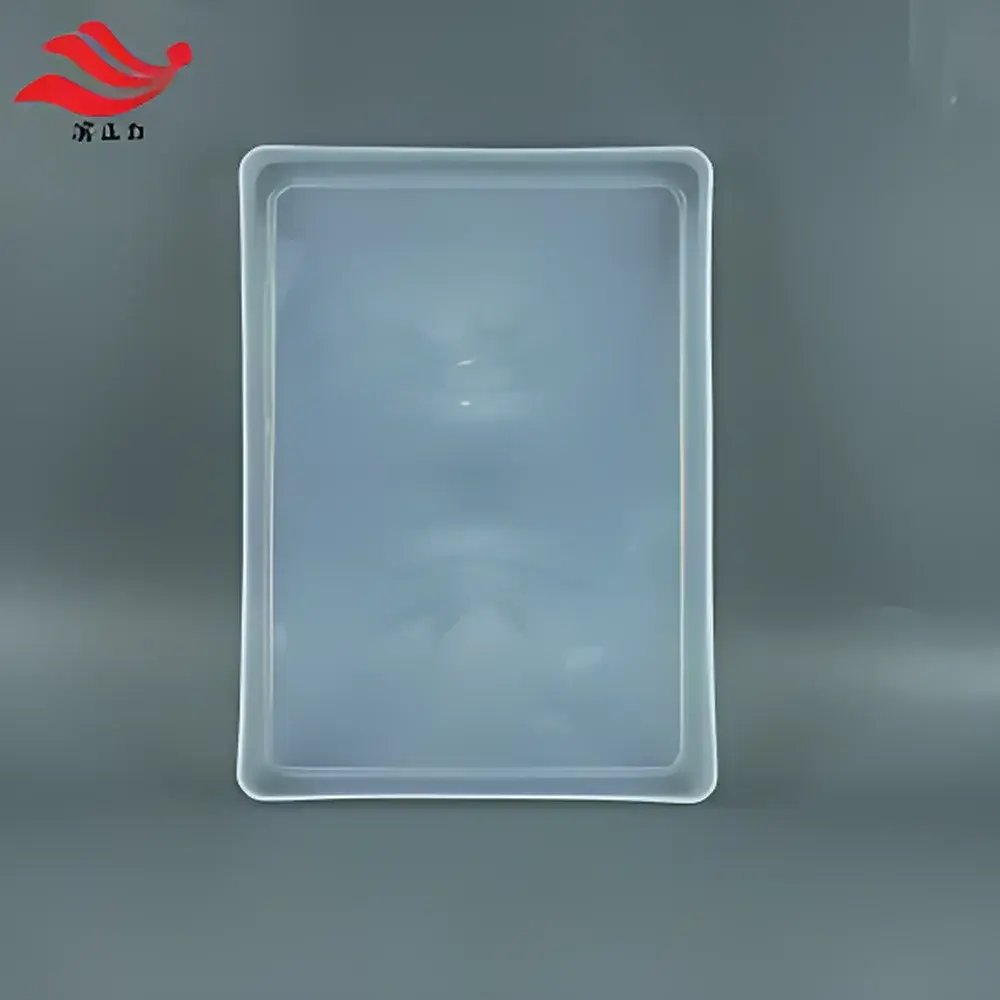
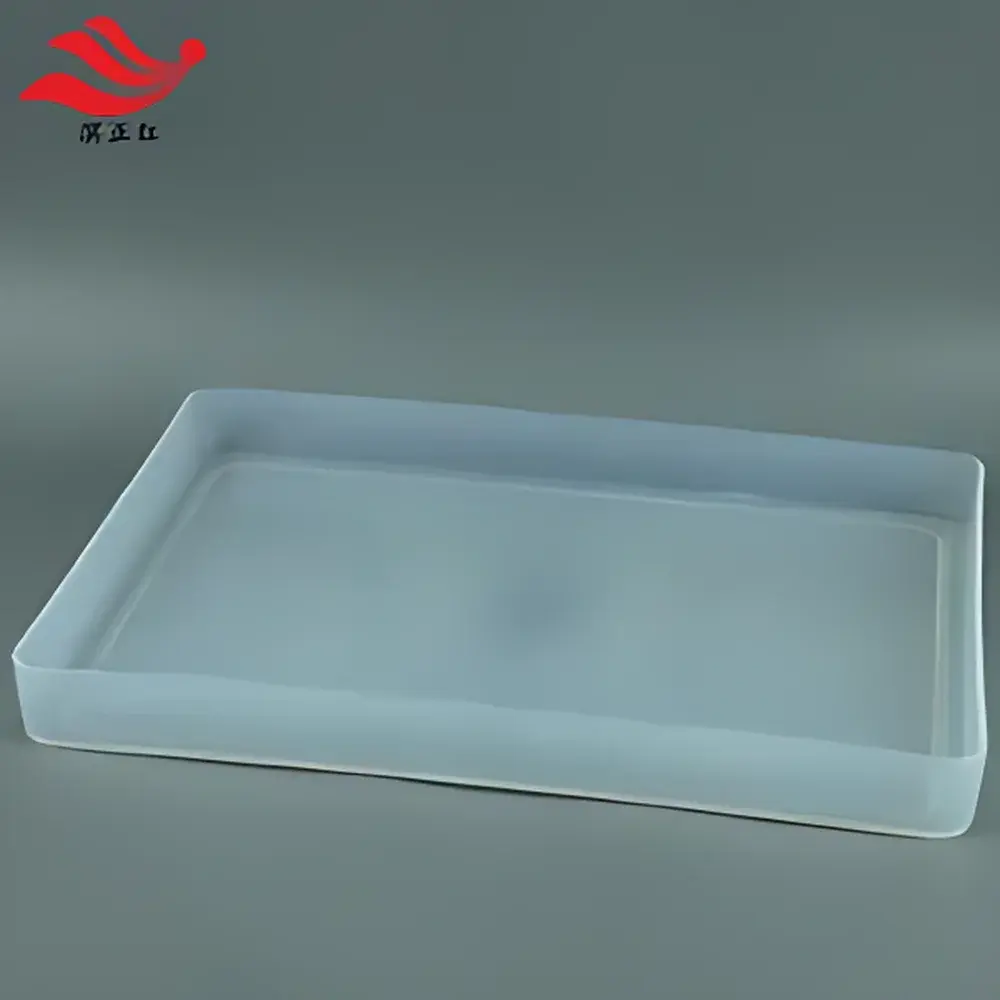
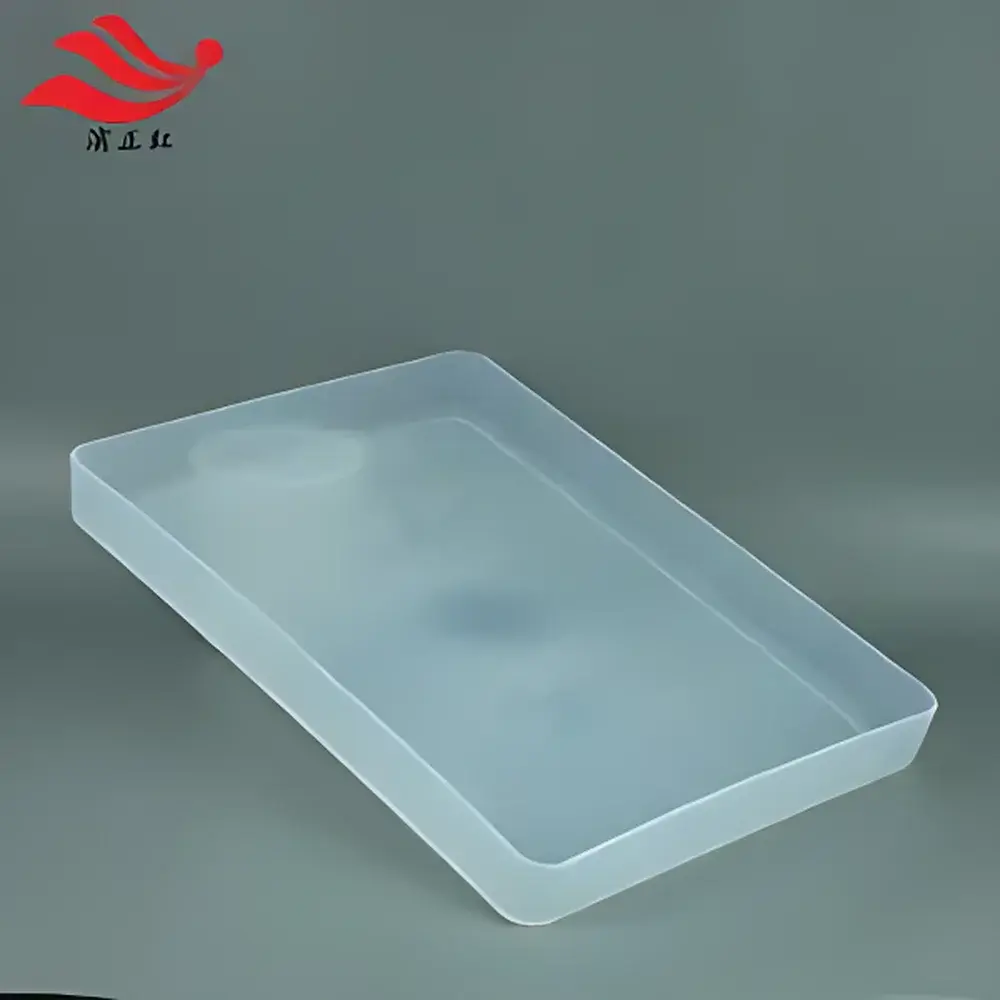
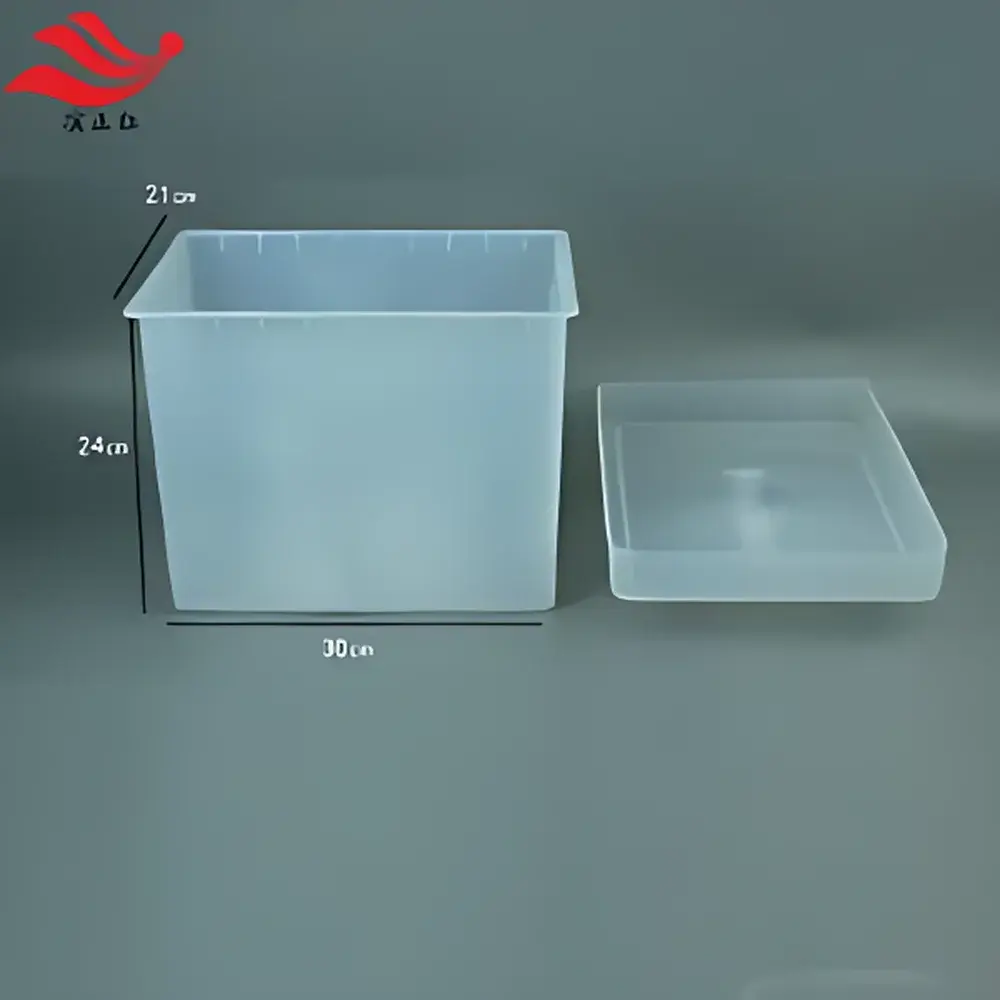
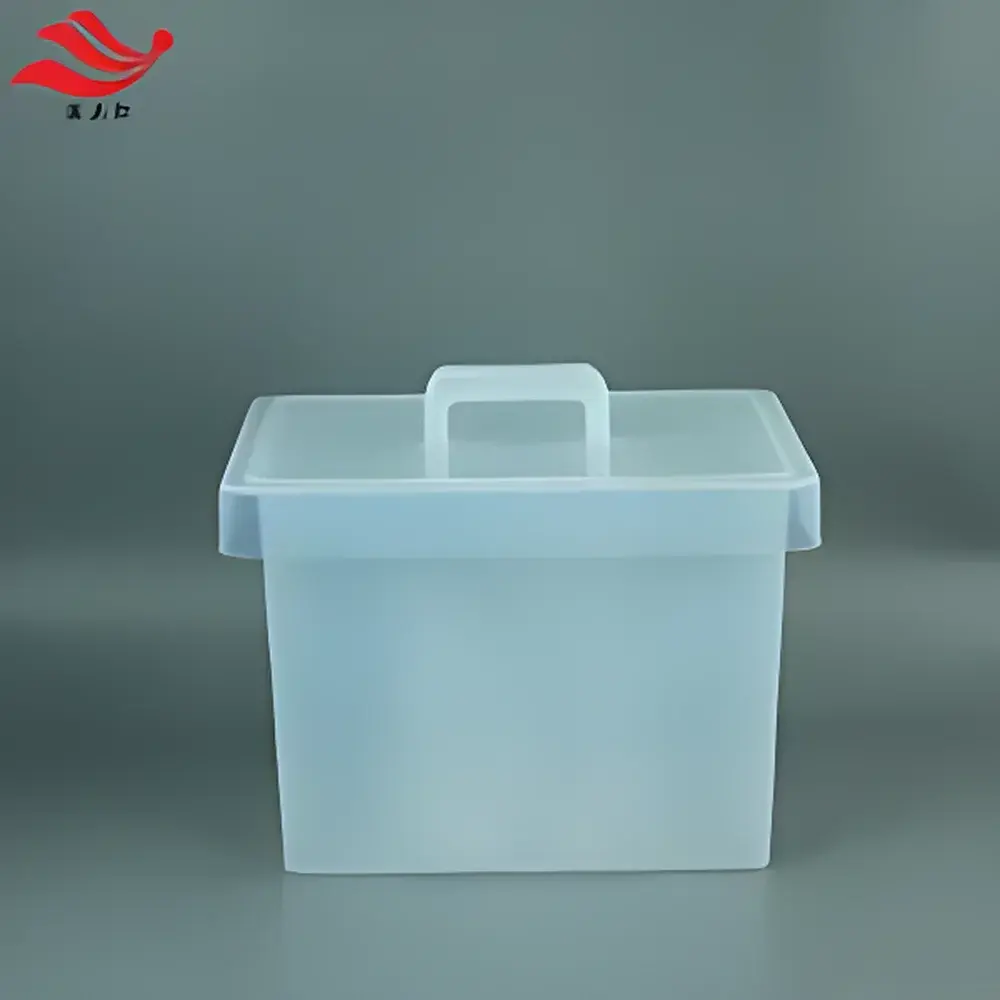
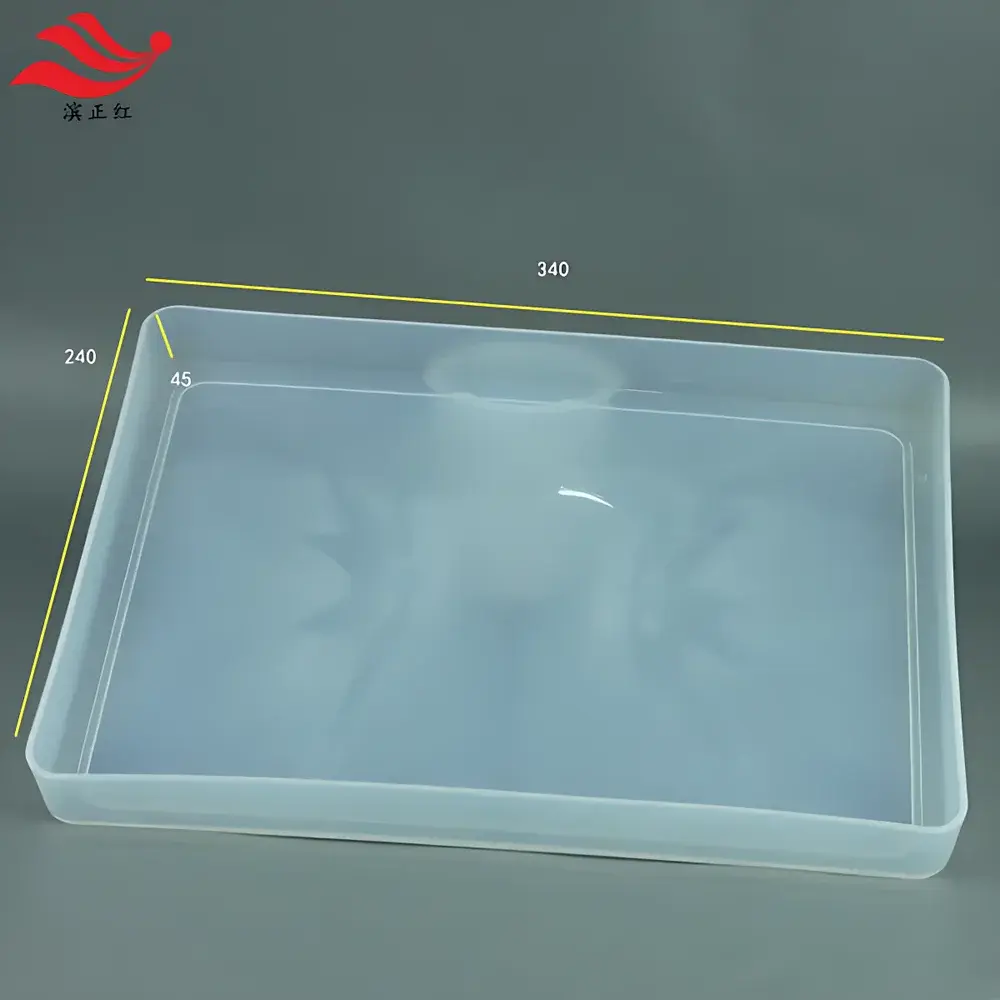
PFA Transparent Corrosion-Resistant Square Tray – Monolithic Teflon (PFA) Rack
| Brand | Binzhenghong |
|---|---|
| Origin | Jiangsu, China |
| Manufacturer Type | Direct Producer |
| Origin Classification | Domestic |
| Dimensions | 400 × 300 × 42 mm |
| Pricing | Upon Request |
Overview
The Binzhenghong PFA Transparent Corrosion-Resistant Square Tray is a monolithic, seamless laboratory support platform engineered for demanding chemical handling and sample containment applications. Constructed entirely from high-purity perfluoroalkoxy alkane (PFA), this tray leverages the intrinsic material properties of PFA—including exceptional resistance to strong acids (e.g., HF, aqua regia), bases, oxidizers, and organic solvents across temperatures up to 260 °C—to ensure long-term structural integrity and contamination-free operation. Unlike laminated or assembled alternatives, its one-piece molded architecture eliminates crevices, seams, or adhesive interfaces where reagents could accumulate or leach, making it suitable for trace-metal analysis, semiconductor wafer processing, and high-purity synthesis workflows. The optical clarity of PFA enables real-time visual monitoring of sample status without compromising chemical inertness—critical for reaction observation, evaporation control, or photoreactive processes.
Key Features
- Monolithic PFA construction with zero welds, joints, or bonded interfaces—eliminates potential contamination pathways and enhances mechanical stability under thermal cycling.
- High optical transparency (>90% transmittance in visible spectrum) supports visual inspection and UV-compatible protocols without introducing spectral interference.
- Uniform wall thickness and precision-molded geometry ensure dimensional repeatability (±0.2 mm tolerance) and flatness (<0.1 mm deviation over surface), facilitating compatibility with automated handling systems and robotic grippers.
- Non-stick surface minimizes residue retention and simplifies cleaning—validated for repeated use in Class 100 cleanroom environments following ASTM D257–21 surface resistivity testing.
- Thermal stability from –200 °C to +260 °C enables use in cryogenic storage, hotplate heating, and vacuum drying applications without warping or outgassing.
Sample Compatibility & Compliance
This tray is compatible with a broad range of sample forms including liquid aliquots, solid powders, crystalline substrates, and etched wafers. Its inert surface prevents catalytic side reactions and metal ion leaching—validated per USP for extractables profiling in pharmaceutical excipient contact studies. The PFA material complies with FDA 21 CFR §177.1550 for repeated-use food-contact applications and meets ISO 10993–5 cytotoxicity requirements. While not certified to ISO/IEC 17025 as a measuring instrument, the tray serves as a validated consumable component within GLP- and GMP-regulated laboratories when documented in equipment qualification protocols (IQ/OQ/PQ).
Software & Data Management
As a passive, non-electronic labware item, this PFA tray does not incorporate embedded sensors or digital connectivity. However, it integrates seamlessly into digital lab ecosystems via standardized physical identifiers: each unit may be assigned a unique UDI-compliant label (e.g., GS1 DataMatrix) for LIMS tracking. Batch-specific material certification reports—including FTIR verification of PFA composition, ICP-MS trace metal screening (<1 ppb Cr/Ni/Fe), and thermal gravimetric analysis (TGA) residual ash content (<0.005%)—are supplied with every shipment to support audit readiness and data traceability under 21 CFR Part 11-compliant documentation practices.
Applications
- Acid digestion vessels for ICP-MS and ICP-OES sample preparation, particularly in geochemical and environmental testing labs.
- Substrate holders during plasma etching, atomic layer deposition (ALD), and wet bench processing in microelectronics fabrication.
- Evaporation trays for high-purity solvent recovery in API synthesis and oligonucleotide manufacturing.
- Reagent staging platforms in automated liquid handlers where chemical compatibility and positional repeatability are critical.
- Calibration reference trays in spectrophotometric or fluorometric assay development requiring low-autofluorescence backgrounds.
FAQ
Is this tray suitable for hydrofluoric acid (HF) exposure?
Yes—PFA exhibits the highest resistance among fluoropolymers to concentrated HF, including anhydrous and aqueous forms, at ambient and elevated temperatures.
Can it be sterilized using autoclaving?
No—autoclaving exceeds PFA’s pressure-rated service limit; instead, use dry-heat sterilization (180 °C for 2 hours) or hydrogen peroxide vapor (H₂O₂ VHP) cycles.
Does the transparency degrade after UV exposure?
No—PFA has negligible UV-induced chain scission; transmission remains stable after >1,000 hours of 254 nm UV irradiation per ASTM G154 Cycle 1 testing.
What cleaning protocol is recommended between uses?
Rinse with ultra-pure water followed by Class 1 solvents (e.g., Optima-grade acetone or methanol); avoid abrasive pads or chlorine-based cleaners.
Is dimensional metrology data available for integration into CAD workflows?
Yes—STEP and IGES files, along with GD&T annotations per ASME Y14.5–2018, are provided upon request for facility layout planning and robotic path simulation.



