
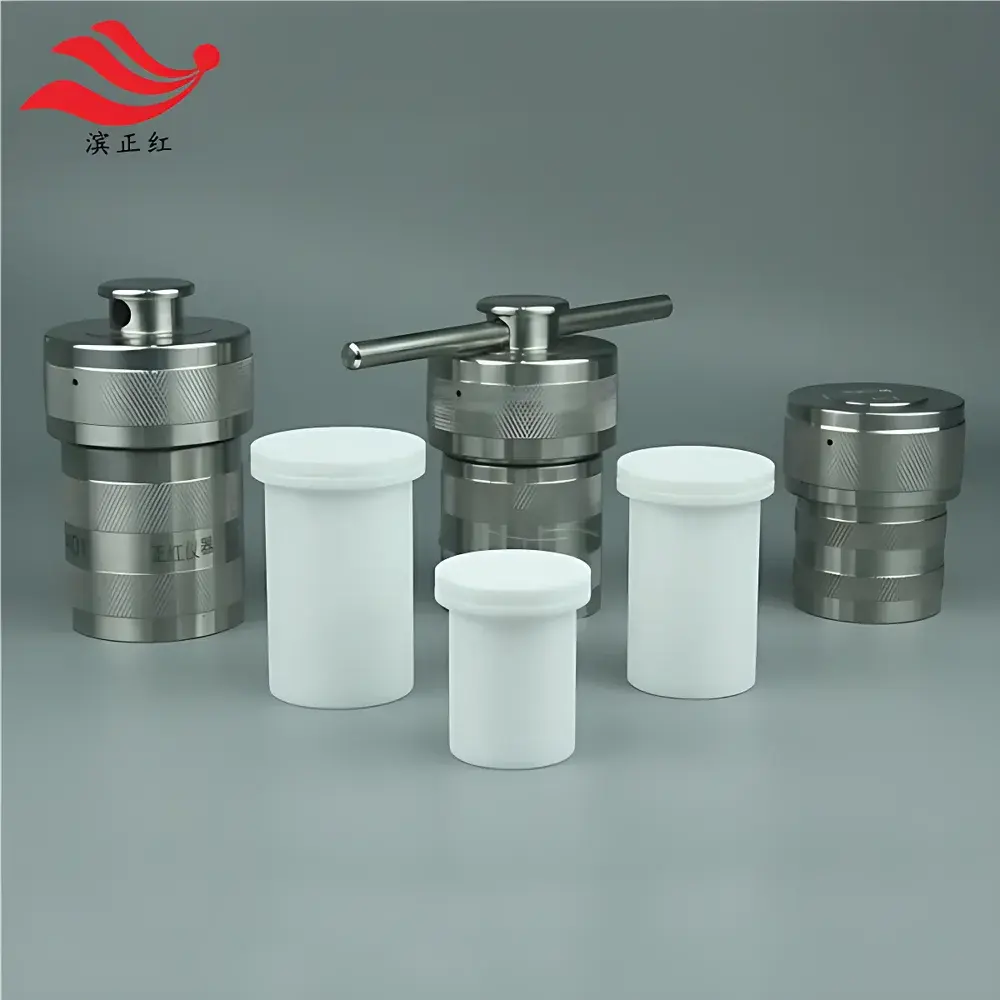
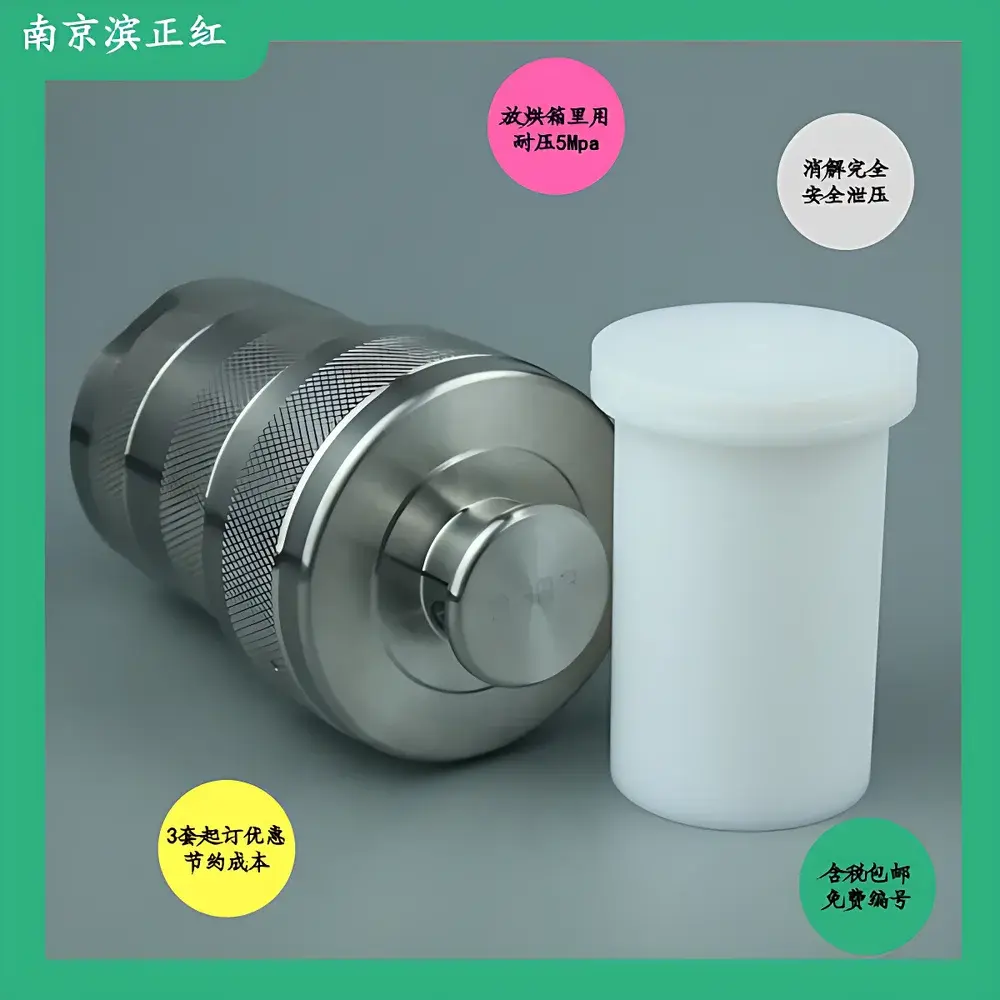
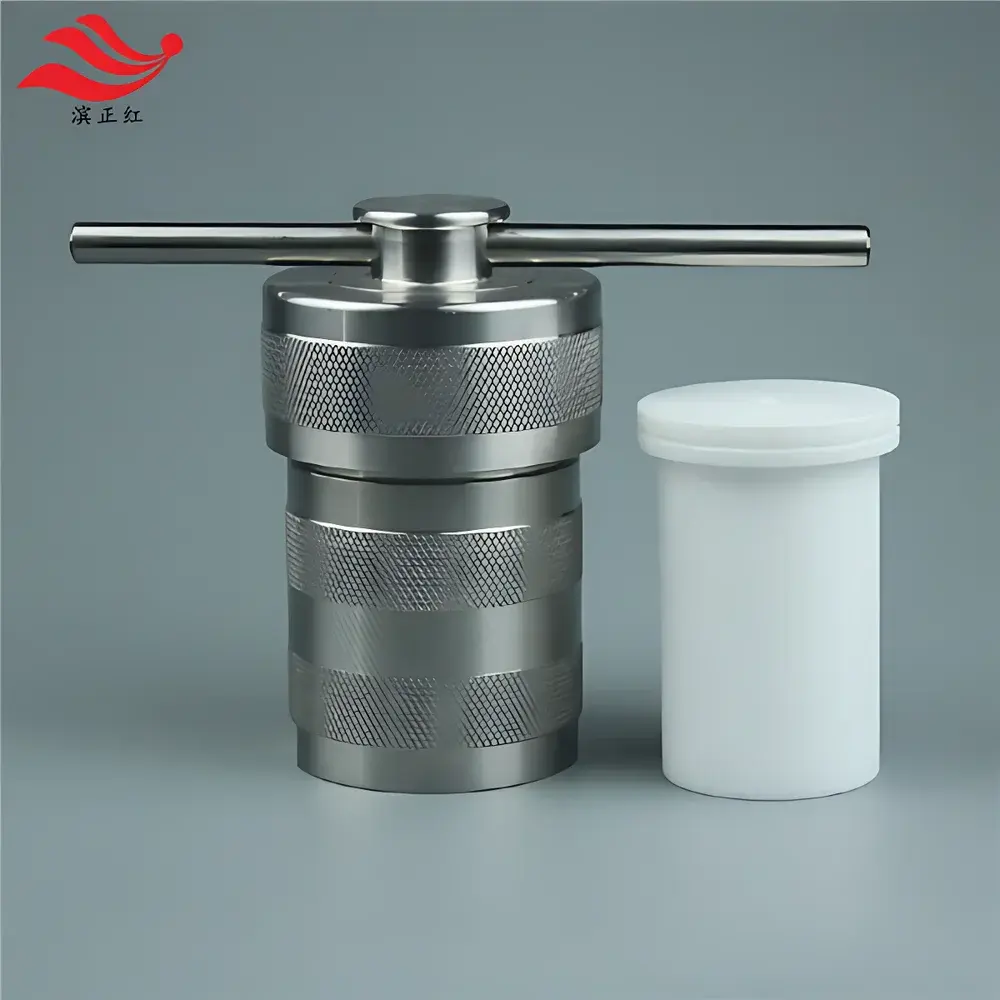
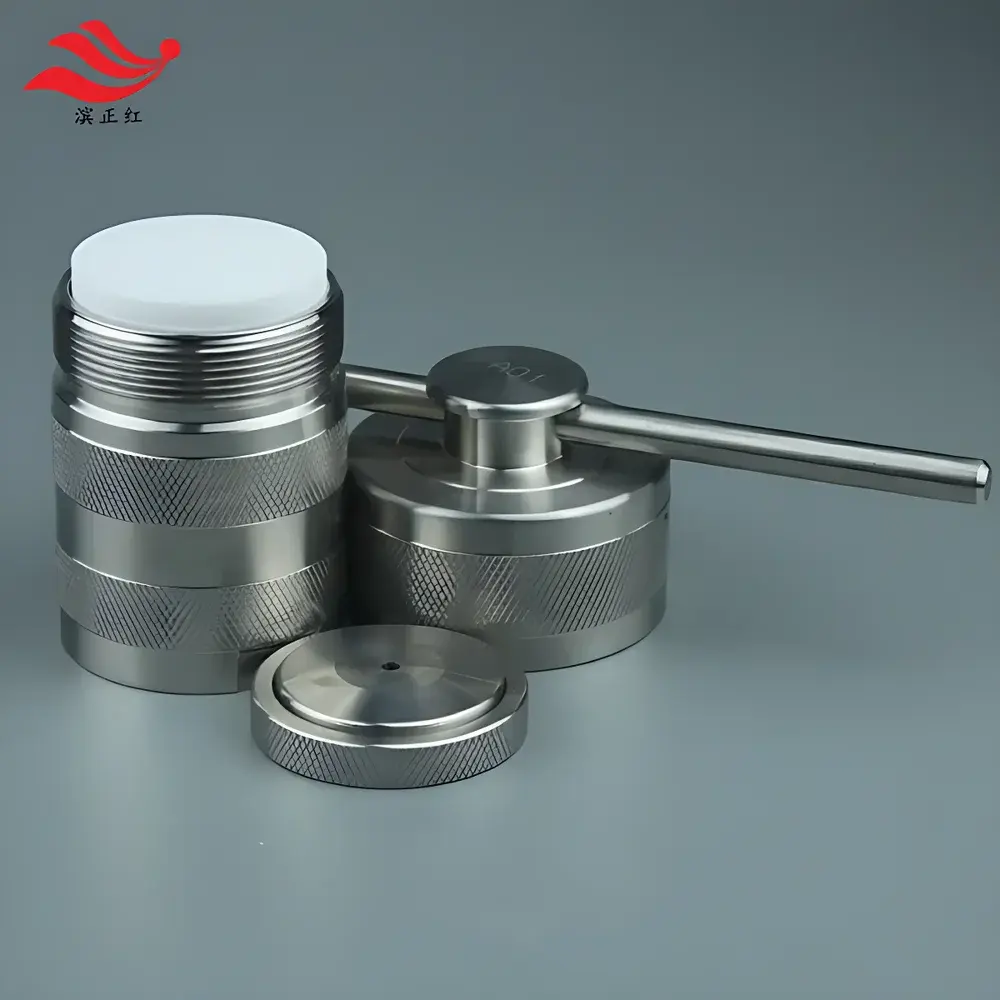
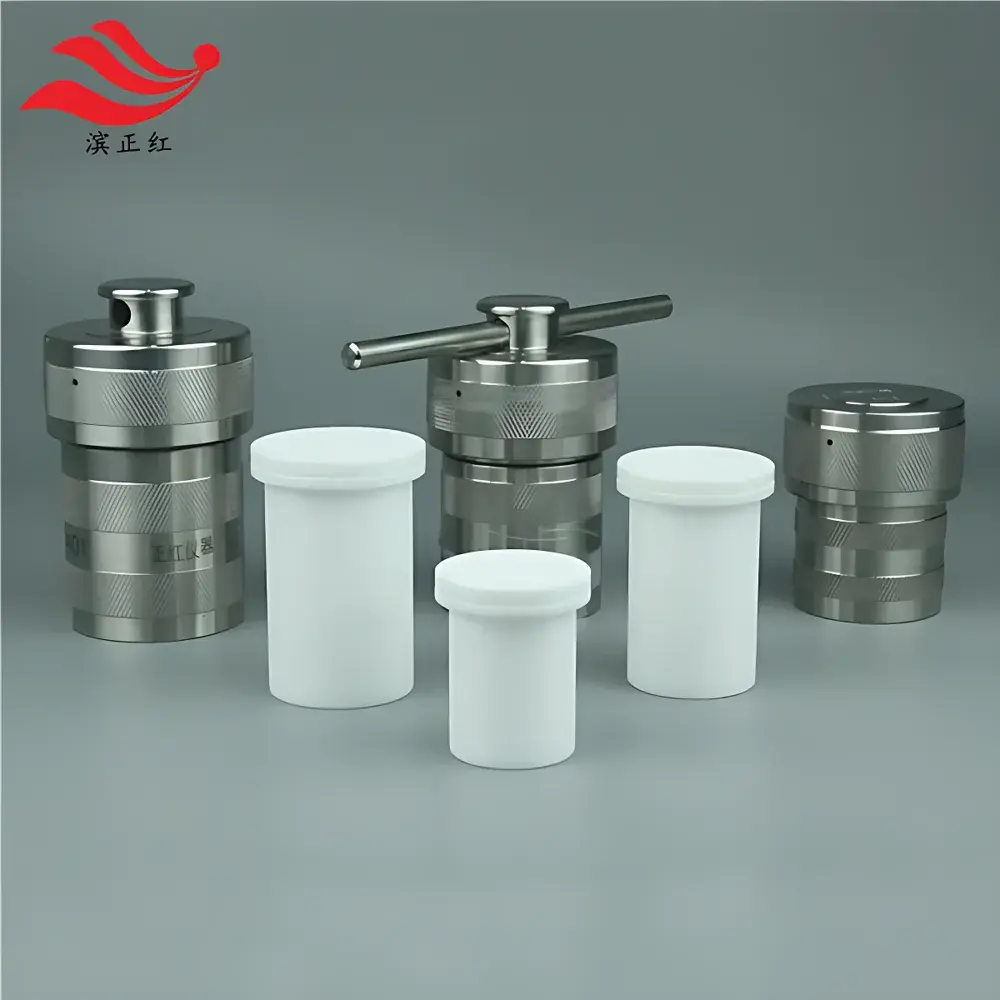
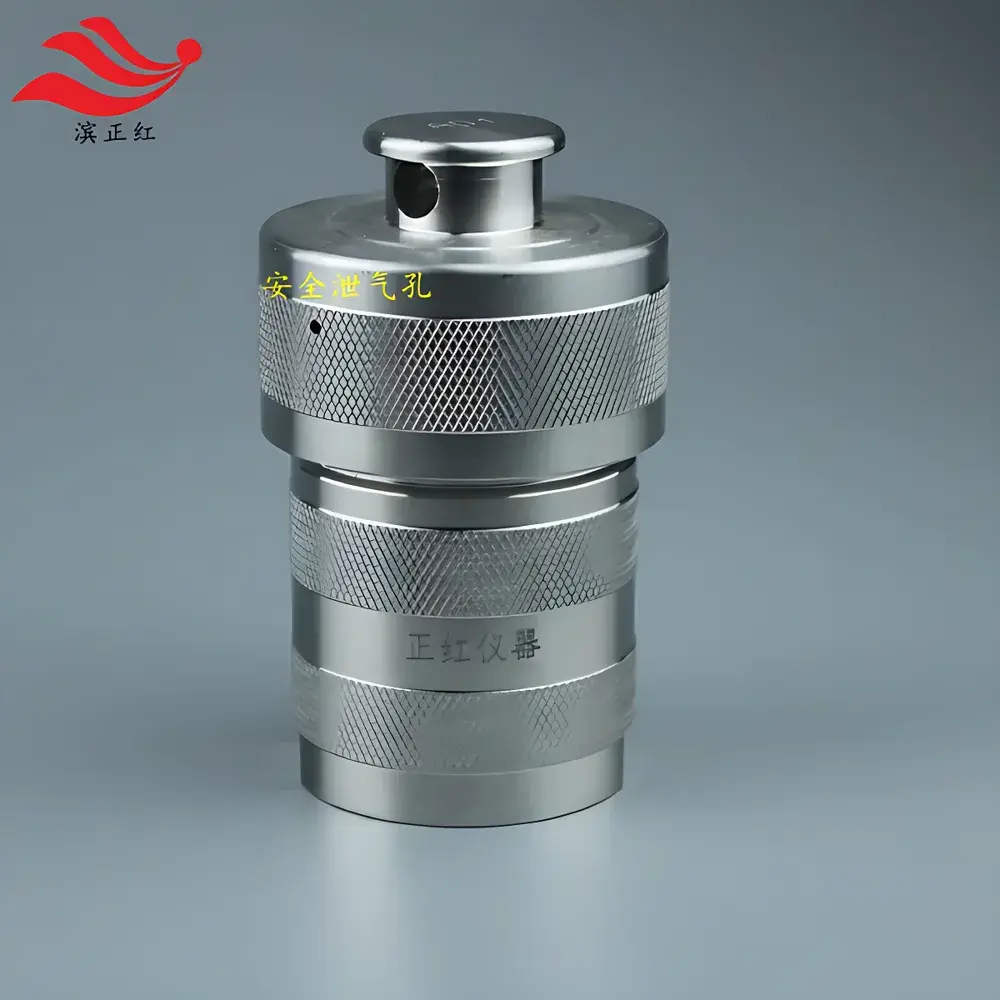
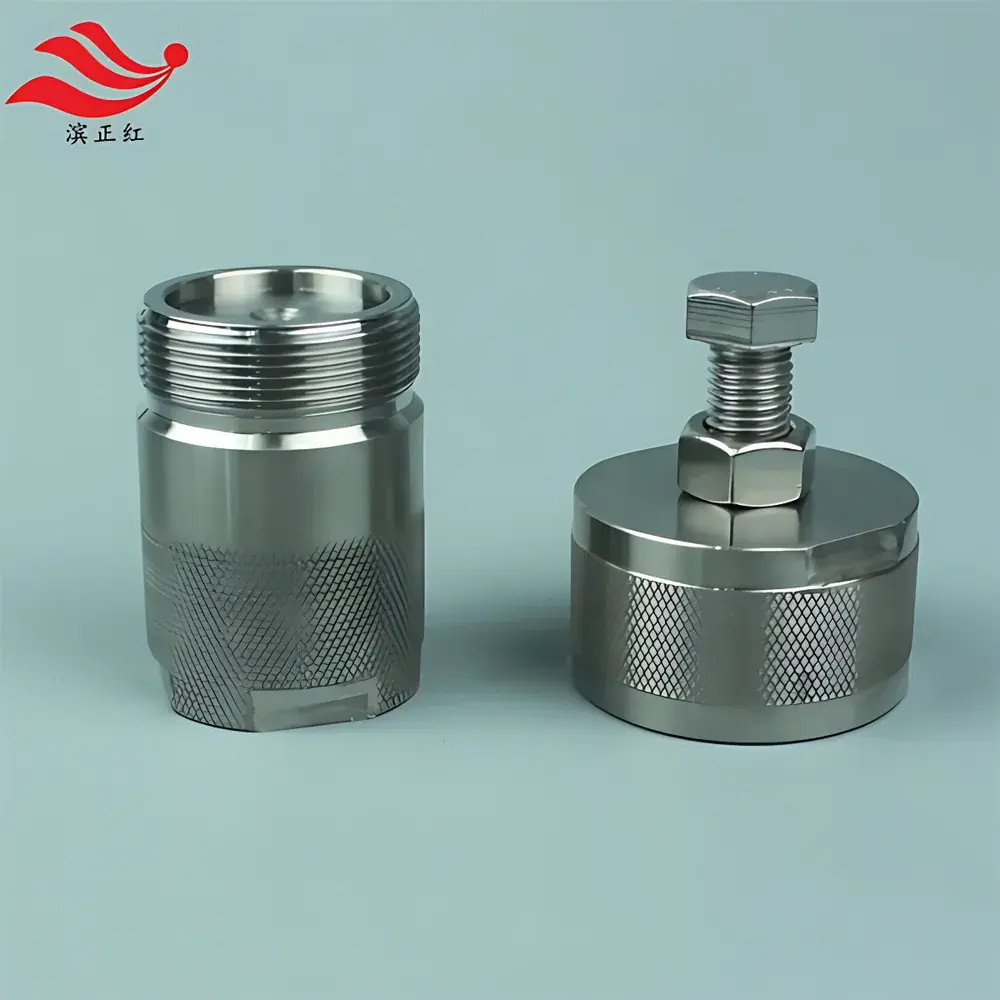
Binzhenghong NJ-100ml PTFE/Teflon-lined Stainless Steel High-Pressure Microwave Digestion Vessel for Inorganic Elemental Analysis
| [Brand | Binzhenghong |
|---|---|
| Origin | Jiangsu, China |
| Manufacturer Type | Direct Manufacturer |
| Model | NJ-100ml |
| Capacity | 100 mL |
| Outer Vessel Material | ASTM A240 316L non-magnetic stainless steel |
| Inner Cup Material | High-purity PTFE (≤200 °C) or TFM™ fluoropolymer (≤260 °C, ≤5 MPa) |
| Metal Blank Levels | Pb & U < 0.01 ppb |
| Pressure Rating | 5 MPa (50 bar) |
| Compliance | Designed for use with ISO/IEC 17025-accredited digestion workflows per GB/T 5009, GB/T 11914, GB/T 17378, SN/T 1634–2005, and AOAC 999.10] |
Overview
The Binzhenghong NJ-100ml high-pressure digestion vessel is a precision-engineered, reusable sample preparation tool designed for closed-vessel acid digestion of solid and semi-solid matrices prior to inorganic elemental analysis by ICP-MS, ICP-OES, AAS, and HG-AFS. Based on the fundamental principle of sealed-vessel thermobaric decomposition—where elevated temperature and autogenous pressure accelerate oxidative dissolution of refractory matrices—the NJ-100ml system enables complete mineralization of complex organic and siliceous samples under controlled chemical environments. Its dual-material construction (316L stainless steel outer jacket + chemically inert fluoropolymer inner cup) ensures mechanical integrity during exothermic reactions while minimizing elemental contamination. Unlike single-use vessels, this design supports >200 digestion cycles when operated within specified thermal and pressure limits, making it suitable for routine QC/QA laboratories requiring trace-metal-grade reproducibility without recurring consumable costs.
Key Features
- Robust dual-layer architecture: Outer vessel fabricated from ASTM A240 316L low-carbon, non-magnetic stainless steel with passivated surface finish for corrosion resistance and magnetic compatibility in automated rotor systems.
- Two inner cup options: (1) Domestic high-purity PTFE rated to 200 °C and 5 MPa; (2) Imported TFM™ fluoropolymer offering enhanced resilience at 230–260 °C, superior creep recovery, and ultra-low background levels (Pb, U < 0.01 ppb).
- Validated pressure containment: Tested to withstand sustained internal pressures up to 5 MPa (50 bar), consistent with ISO 17025 method validation requirements for high-acid, high-temperature digestions.
- Optimized geometry: Cylindrical cup profile with precision-machined sealing interface ensures uniform stress distribution and leak-tight closure under thermal cycling.
- Compatibility with standard laboratory ovens and programmable hot blocks: No proprietary hardware required—designed for integration into existing digestion workflows per GB/T 17378.5 and AOAC 999.10 protocols.
Sample Compatibility & Compliance
The NJ-100ml vessel accommodates diverse sample types including plant tissues (tea, cereals, vegetables), animal-derived materials (meat, dairy, eggs), environmental solids (soils, sediments, sludges), and marine biota (fish, shellfish). It meets performance criteria outlined in national and international standards governing trace metal analysis—including GB/T 5009.12 (Pb), GB/T 14962 (Cr), GB/T 6609.22 (Al), GB/T 11914 (COD-related digestion), SN/T 2004.1–2 (Hg speciation), and AOAC Official Method 999.10 for multi-element determination in food and feed. All vessels are manufactured under documented quality control procedures aligned with GLP principles; batch-specific certificate of conformance includes blank testing data for key analytes (Pb, Cd, As, Hg, U) per ISO/IEC 17025 clause 5.9.
Software & Data Management
As a hardware-only digestion component, the NJ-100ml vessel does not incorporate embedded electronics or firmware. However, its mechanical design supports full traceability within regulated environments: each unit is laser-engraved with a unique serial number enabling linkage to laboratory information management systems (LIMS) via manual or barcode-assisted logging. When used in conjunction with validated oven-based digestion methods, full audit trails—including operator ID, digestion time/temperature profiles, reagent lot numbers, and post-digestion blank measurements—can be maintained in accordance with FDA 21 CFR Part 11 requirements for electronic records and signatures.
Applications
This vessel is routinely deployed in accredited environmental testing labs for EPA Method 3050B-equivalent soil digestion (HNO₃/HF followed by HClO₄ fuming); in food safety laboratories performing GB/T 23375–2016–compliant analysis of inorganic arsenic in rice; and in clinical toxicology settings applying SN/T 1634–2005 for methylmercury quantification in seafood. Its dimensional consistency across volume variants (5–500 mL) allows method transfer between small-scale R&D and high-throughput production batches. The TFM™ variant is especially recommended for applications involving hydrofluoric acid or perchloric acid fuming steps where long-term cup integrity and minimal analyte adsorption are critical.
FAQ
What is the maximum safe operating temperature for the PTFE inner cup?
The domestic PTFE version is rated for continuous use up to 200 °C. Exceeding this limit may cause irreversible deformation and loss of sealing performance.
Can this vessel be used directly in a microwave digestion system?
No—it is engineered exclusively for conventional oven or hot-block heating. Microwave compatibility requires magnetron-safe geometry and dielectric properties not present in this design.
How should HClO₄ be handled during digestion?
Per AOAC guidance, HClO₄ must be added only after initial cold nitration (overnight at room temperature) and never introduced into a sealed vessel containing organic matter without prior oxidation.
Is cleaning validation required between uses?
Yes. A documented cleaning protocol—including sequential rinses with 10% HNO₃, ultrapure water, and air drying in Class 100 laminar flow—is mandatory to prevent cross-contamination and maintain sub-ppt blank integrity.
Does the manufacturer provide method development support?
Binzhenghong offers application notes and digestion protocol templates aligned with GB, SN, and AOAC standards, but method validation remains the responsibility of the end-user laboratory per ISO/IEC 17025 section 7.2.2.



