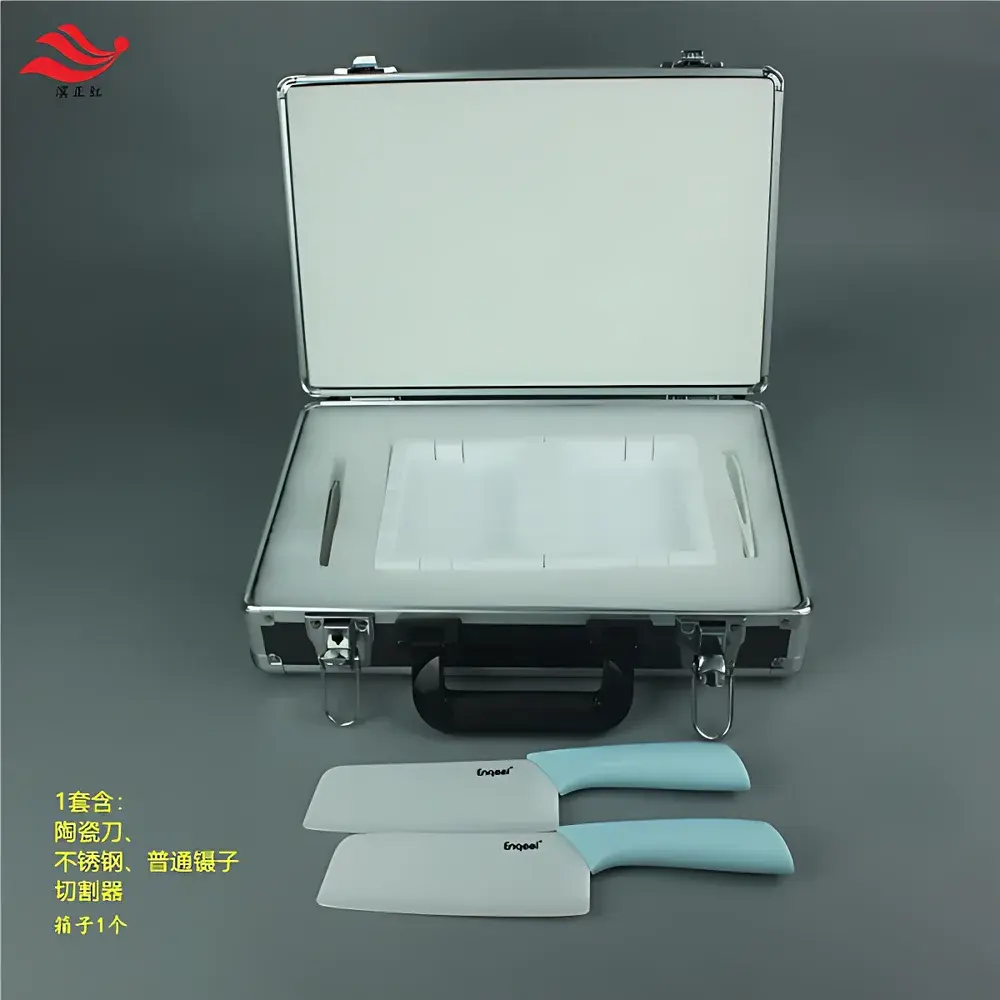
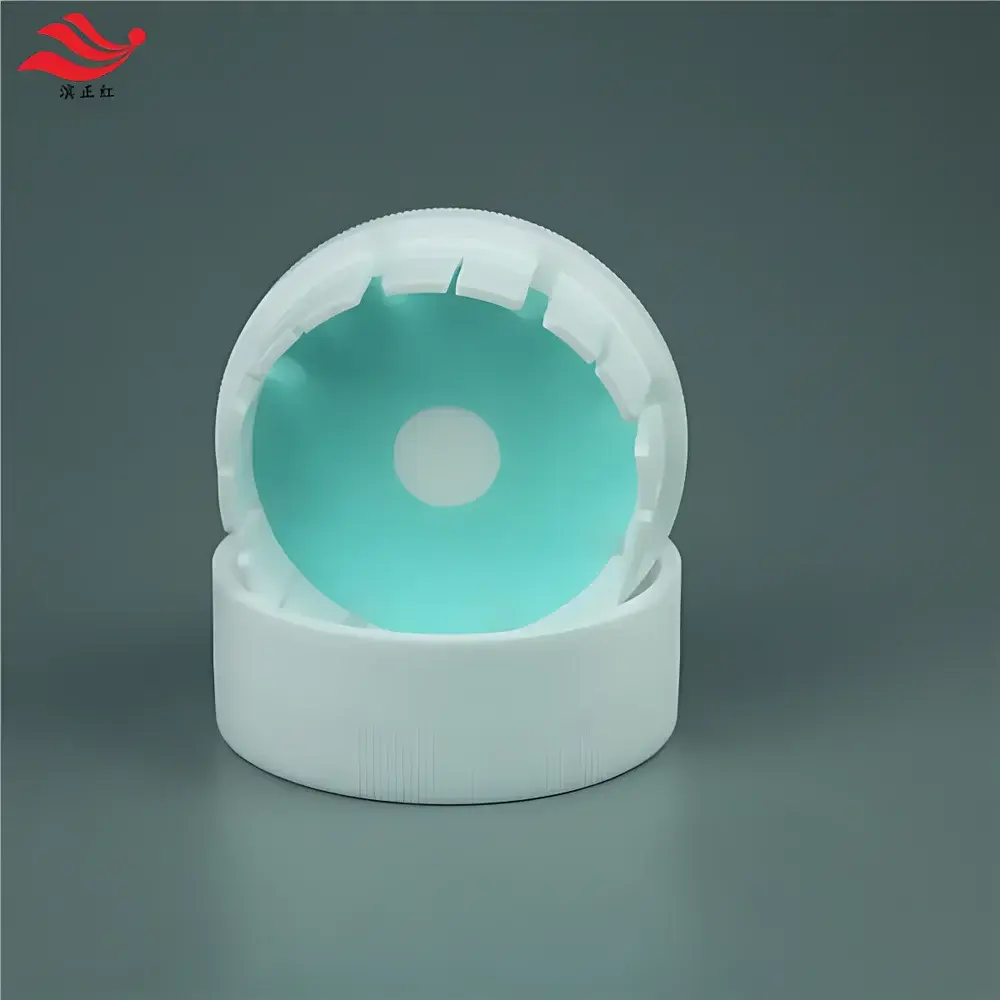
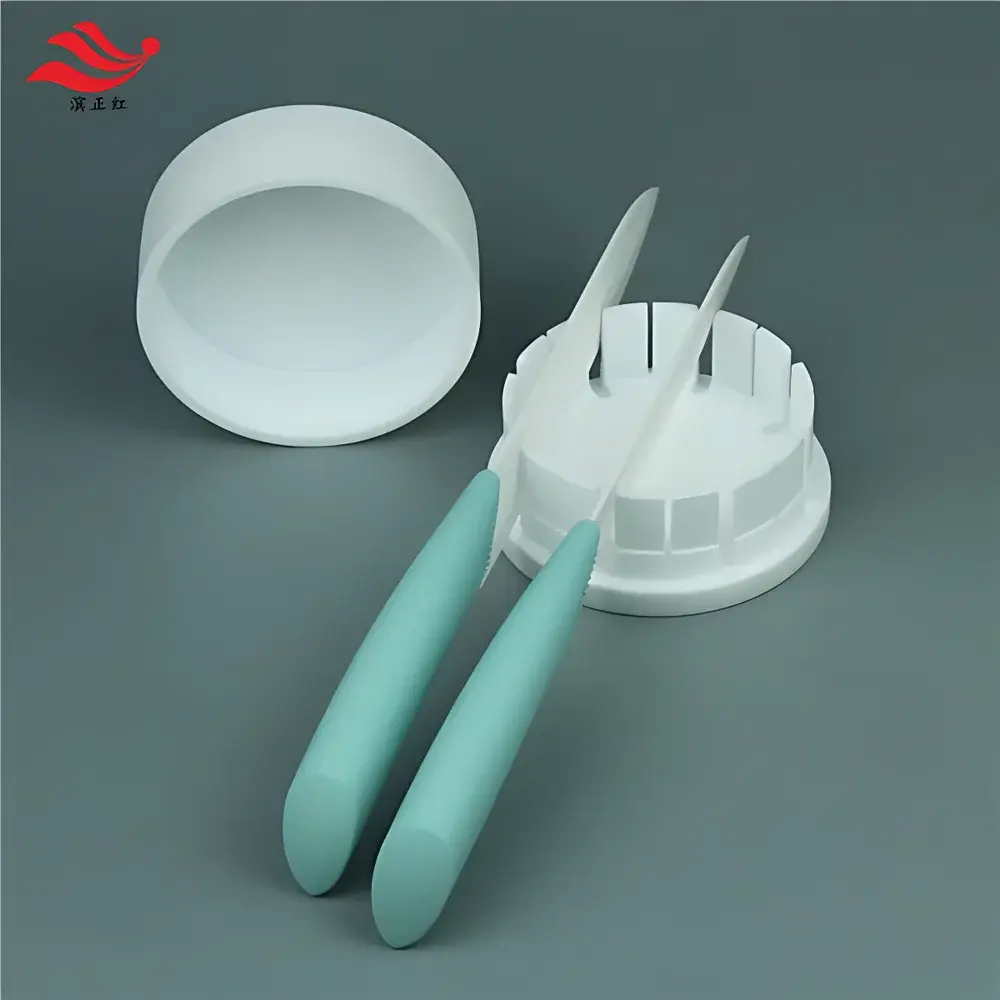
Circular Aluminum Membrane Divider – 8-Sector Cutting Tool, 90 mm Diameter
| Brand | Binzhenghong |
|---|---|
| Origin | Jiangsu, China |
| Manufacturer Type | Direct Producer |
| Country of Origin | China |
| Models Available | 47 mm, 80 mm, 90 mm |
| Price | USD 420 (FOB Jiangsu) |
Overview
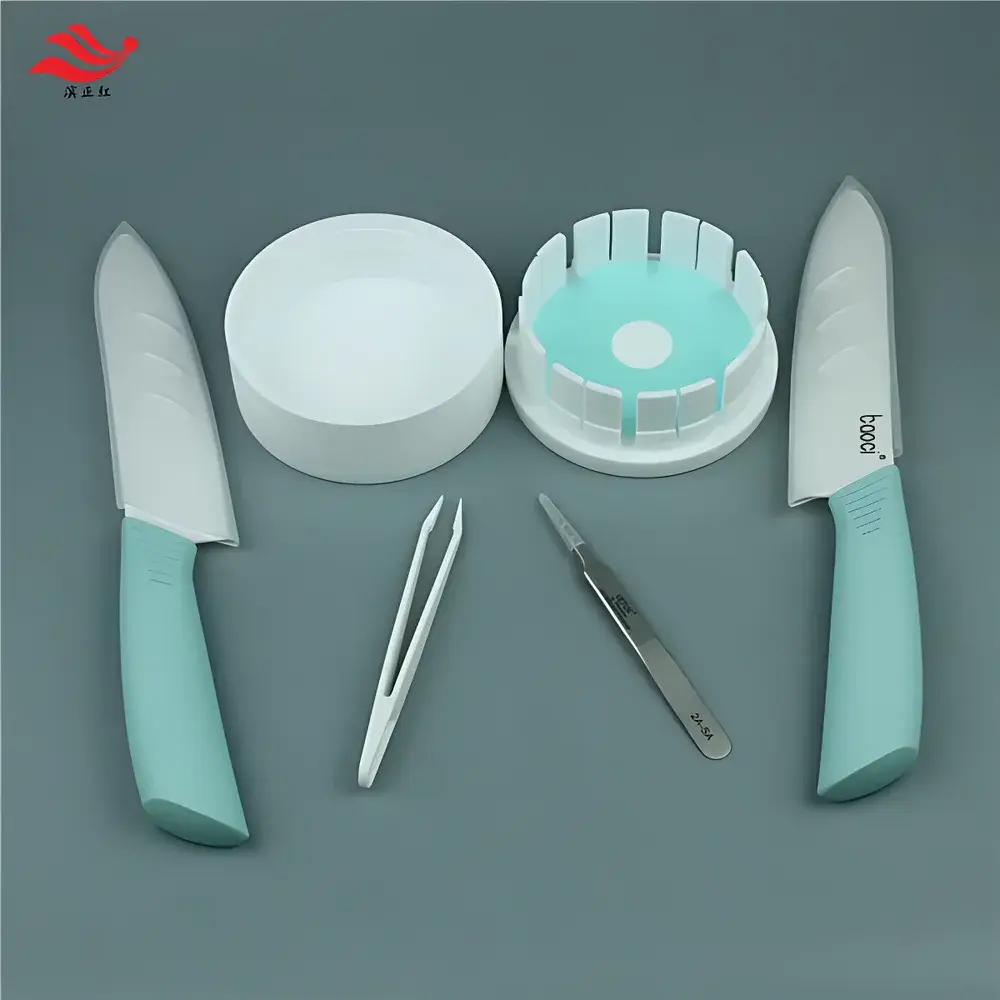
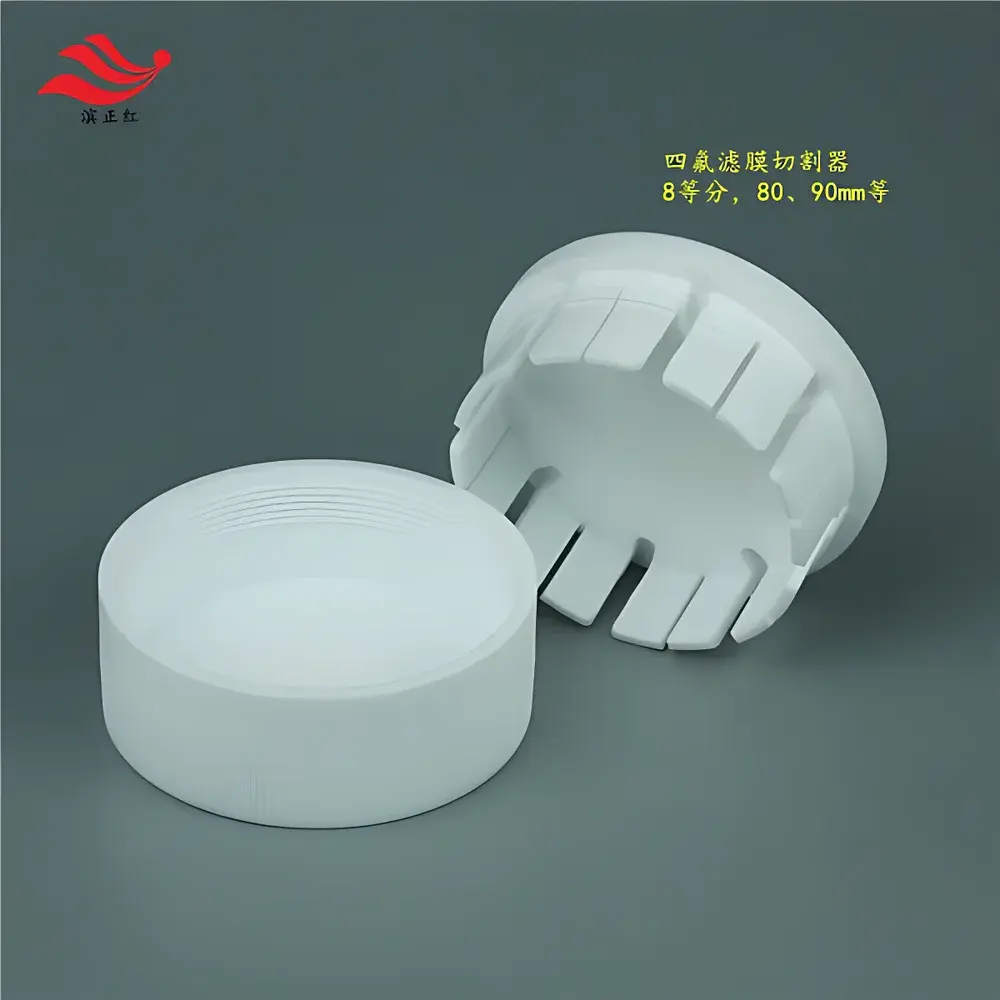
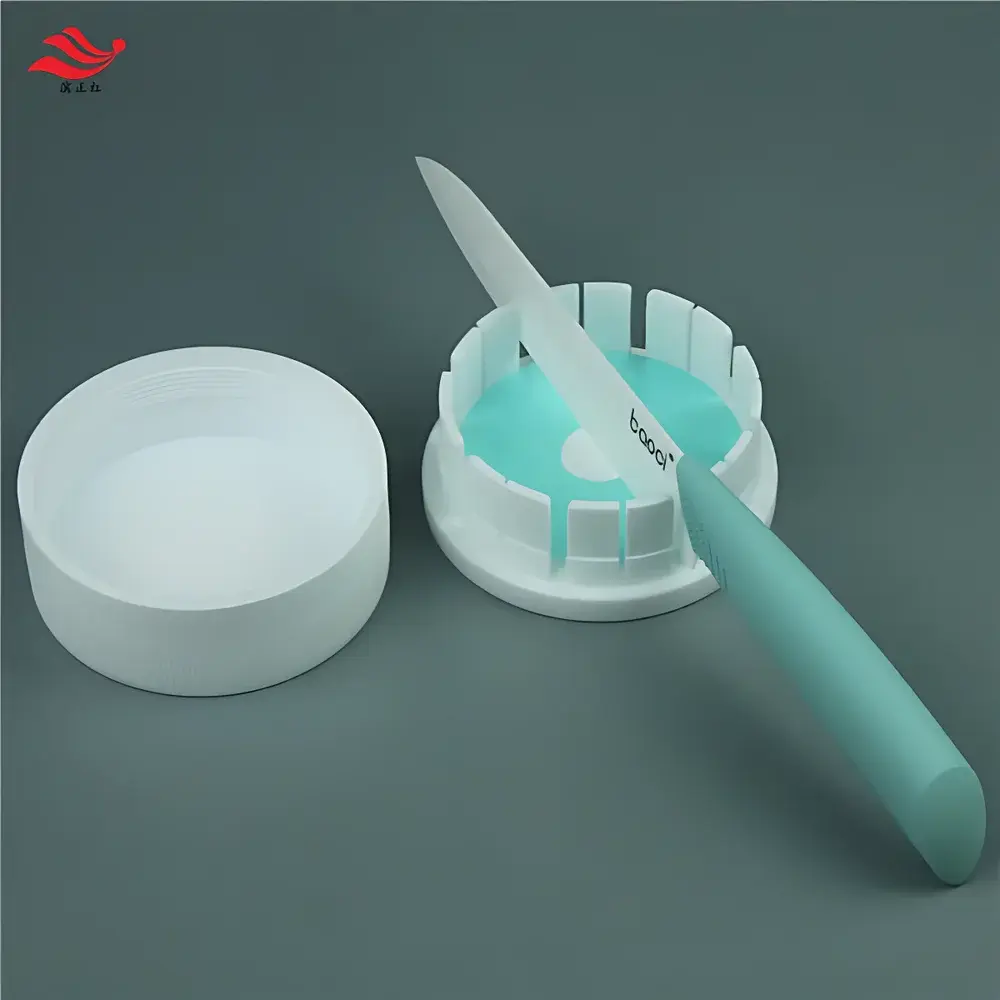
The Binzhenghong Circular Aluminum Membrane Divider is a precision mechanical tool engineered for the reproducible, contamination-free radial segmentation of circular filtration membranes. Designed specifically for laboratory-scale membrane handling in analytical chemistry, environmental monitoring, pharmaceutical QC, and materials science, this device employs a fixed-angle geometric cutting principle—based on symmetrical radial blade positioning—to achieve exact angular division (e.g., 8 equal sectors at 45° intervals) without requiring manual measurement or alignment. Unlike rotary cutters or freehand methods, the divider’s rigid aluminum housing and integrated PTFE (polytetrafluoroethylene) contact surfaces minimize static charge buildup and prevent chemical adhesion or leaching during handling of hydrophobic or solvent-sensitive membranes (e.g., PVDF, PTFE, nylon, and mixed cellulose ester filters). Its passive, non-powered architecture ensures compliance with ISO/IEC 17025-controlled environments where electromagnetic interference or power dependency must be avoided.
Key Features
- Monolithic aluminum body with anodized surface finish for corrosion resistance and dimensional stability across temperature fluctuations (15–30 °C operating range)
- Chemically inert PTFE-lined inner chamber and base plate to eliminate extractables and preserve sample integrity during membrane placement and cutting
- Precision-machined ceramic cutting blade (Al₂O₃, Vickers hardness ≥1800 HV) mounted on a fixed radial arm; blade tip radius <5 µm ensures clean, burr-free incisions on membranes as thin as 10 µm
- Interchangeable modular inserts for 4-, 8-, and 16-sector configurations—each calibrated to ±0.2° angular tolerance per sector
- Integrated membrane centering pin and vacuum-assisted retention ring (optional accessory) to suppress lateral slippage during blade engagement
- Tool-free disassembly: all components—including blade carrier, sector guide plate, and base assembly—are designed for rapid cleaning and autoclave compatibility (up to 121 °C, 20 min)
Sample Compatibility & Compliance
The divider accommodates standard circular membranes with diameters of 47 mm, 80 mm, and 90 mm—matching common filter holder formats used in EPA Method 160.1 (total suspended solids), ASTM D3923 (microbial recovery), and USP particulate matter testing. It supports hydrophilic and hydrophobic membranes including nitrocellulose, polycarbonate track-etched (PCTE), glass fiber, and fluoropolymer-based substrates. All wetted surfaces comply with USP Class VI biocompatibility requirements and pass FDA 21 CFR 177.1550 for fluoropolymer food-contact safety. The device itself is not an analytical instrument but serves as a GLP-aligned sample preparation tool: its calibration certificate (traceable to NIM, China) and documented maintenance log template support audit readiness under ISO 17025 and GMP Annex 11 workflows.
Software & Data Management
This is a purely mechanical, non-electronic tool—no firmware, embedded software, or data output capability is present. Accordingly, no cybersecurity protocols, firmware updates, or electronic recordkeeping apply. However, the included documentation package provides a standardized SOP template (in English and Chinese) compliant with ALCOA+ principles (Attributable, Legible, Contemporaneous, Original, Accurate, Complete, Consistent, Enduring, Available), enabling integration into electronic lab notebook (ELN) systems such as LabArchives or Benchling via manual entry of batch number, operator ID, date, and sector count. Calibration records and usage logs may be maintained digitally in accordance with 21 CFR Part 11 when paired with appropriate access controls and electronic signatures.
Applications
- Pre-analytical partitioning of filtration residues for parallel elemental analysis (ICP-MS, AAS) across discrete sectors to assess spatial heterogeneity of particulate deposition
- Equal-area sampling of bioaerosol-captured membranes for replicate microbial culturing or qPCR quantification
- Controlled fragmentation of calibration standards (e.g., NIST SRM 2800) for inter-laboratory proficiency testing
- Preparation of segmented membrane sections for cross-sectional SEM-EDS imaging or FTIR mapping
- Quality control of membrane uniformity in manufacturing settings—used alongside tensile testers and pore size analyzers per ISO 4003 and ASTM E128
FAQ
Is the ceramic blade replaceable, and what is its expected service life?
Yes—the blade is field-replaceable using a standard 1.5 mm hex key. Under typical lab use (≤50 cuts/day), lifespan exceeds 5,000 incisions without measurable edge degradation.
Can the 90 mm model accommodate thicker filter supports, such as fiberglass back-up pads?
Yes—maximum supported stack height is 3.2 mm (including membrane + support pad), verified with Whatman GF/F and Pall Acrodisc 90 mm assemblies.
Does the tool require periodic recalibration?
Annual verification against a certified angle gauge (±0.1° accuracy) is recommended; full recalibration by the manufacturer is available upon request with NIM-traceable certification.
Are spare parts and consumables available internationally?
PTFE liners, ceramic blades, and sector guide plates are stocked globally via authorized distributors in the EU, US, and APAC regions; lead time is typically 2–3 weeks ex-warehouse.