
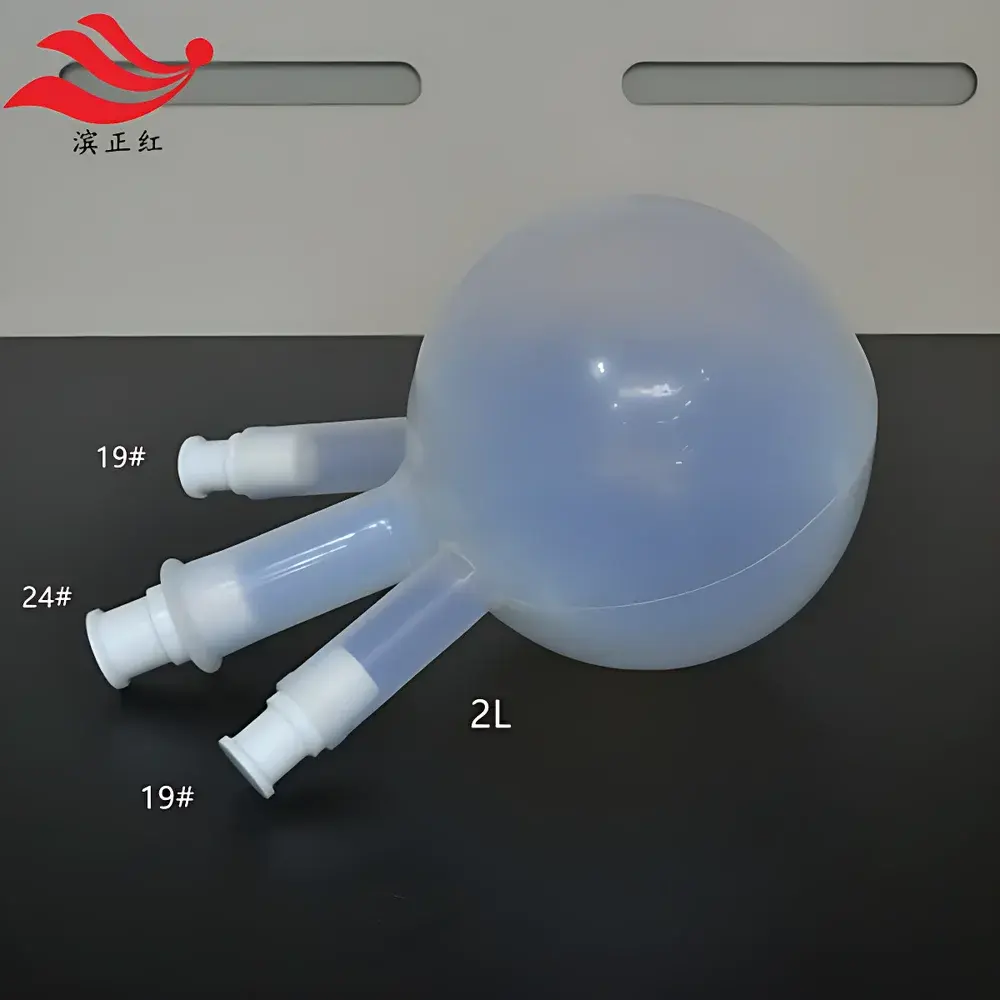
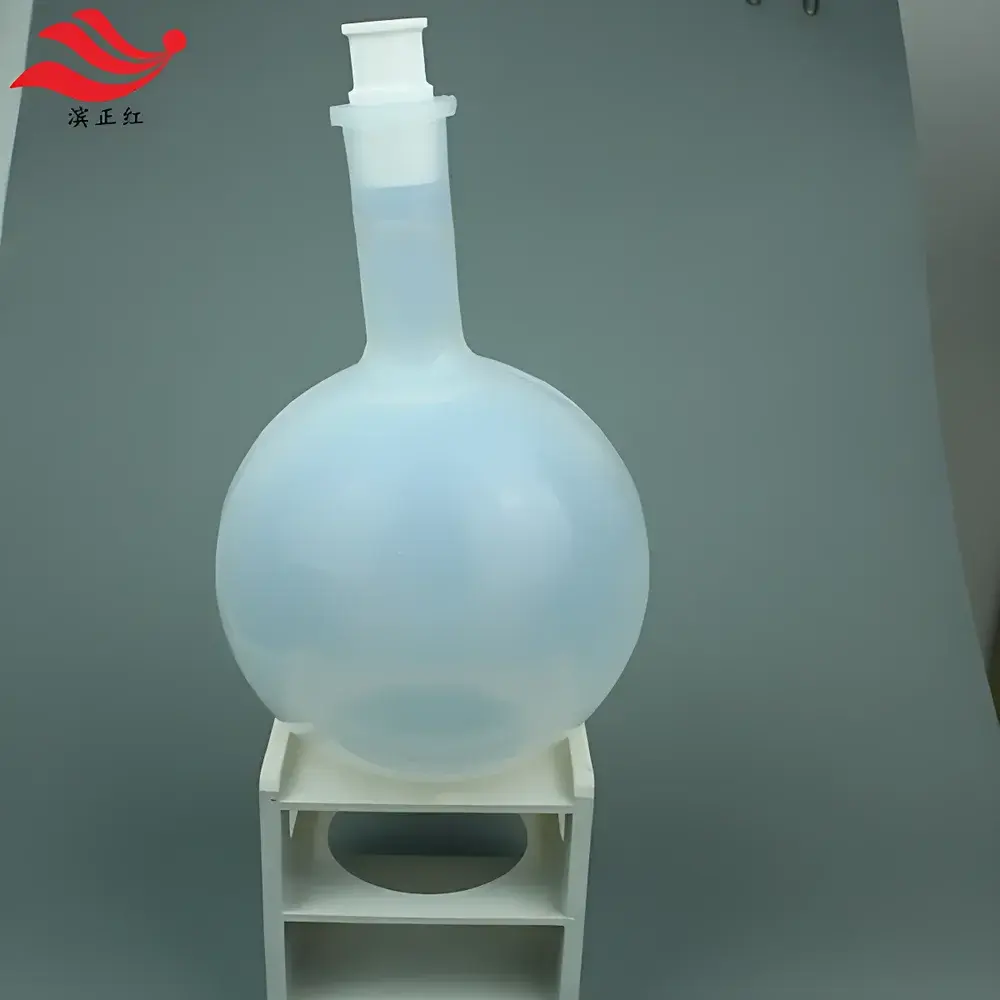
PFA Single- and Multi-Neck Reaction Flask for Pharmaceutical and HF-Resistant Chemical Processing
| Brand | Binzhenghong |
|---|---|
| Origin | Jiangsu, China |
| Manufacturer Type | Direct Producer |
| Product Origin | Domestic (China) |
| Neck Configuration | Single- to Hexa-Neck Options |
| Pricing | Upon Request |
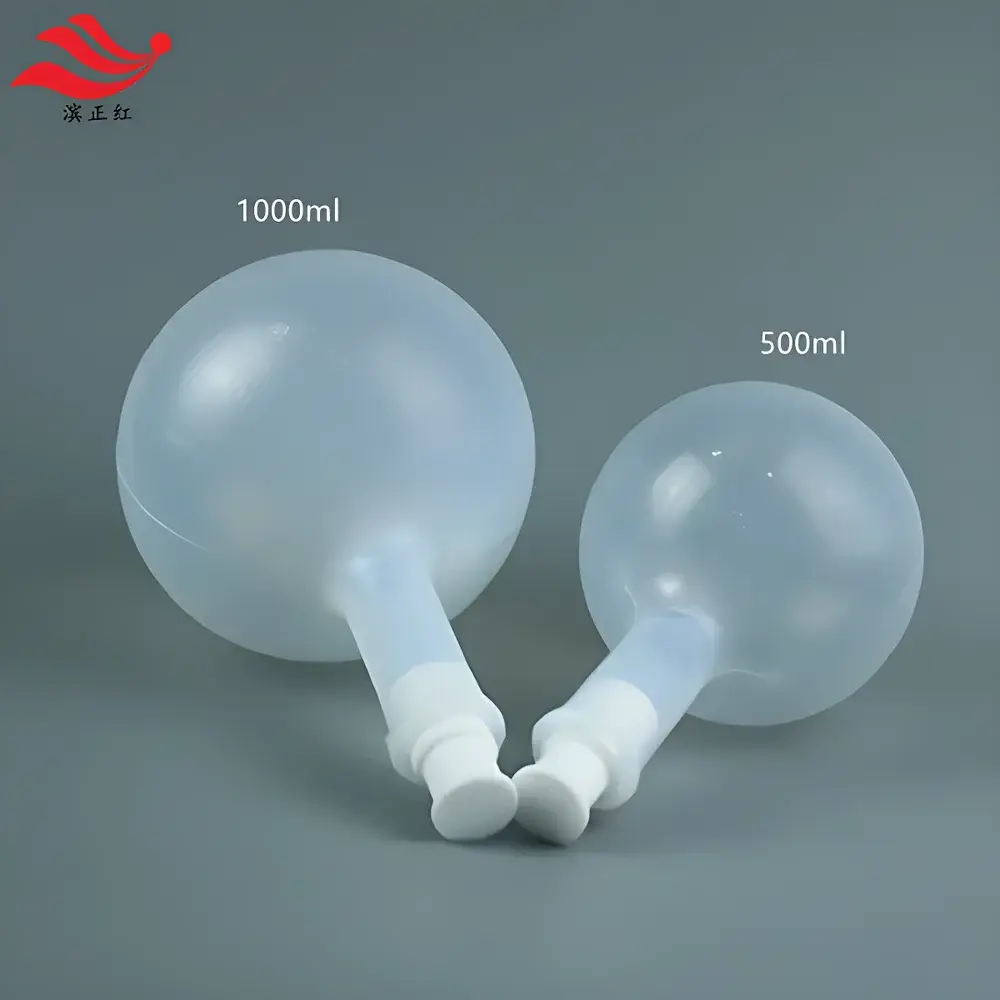
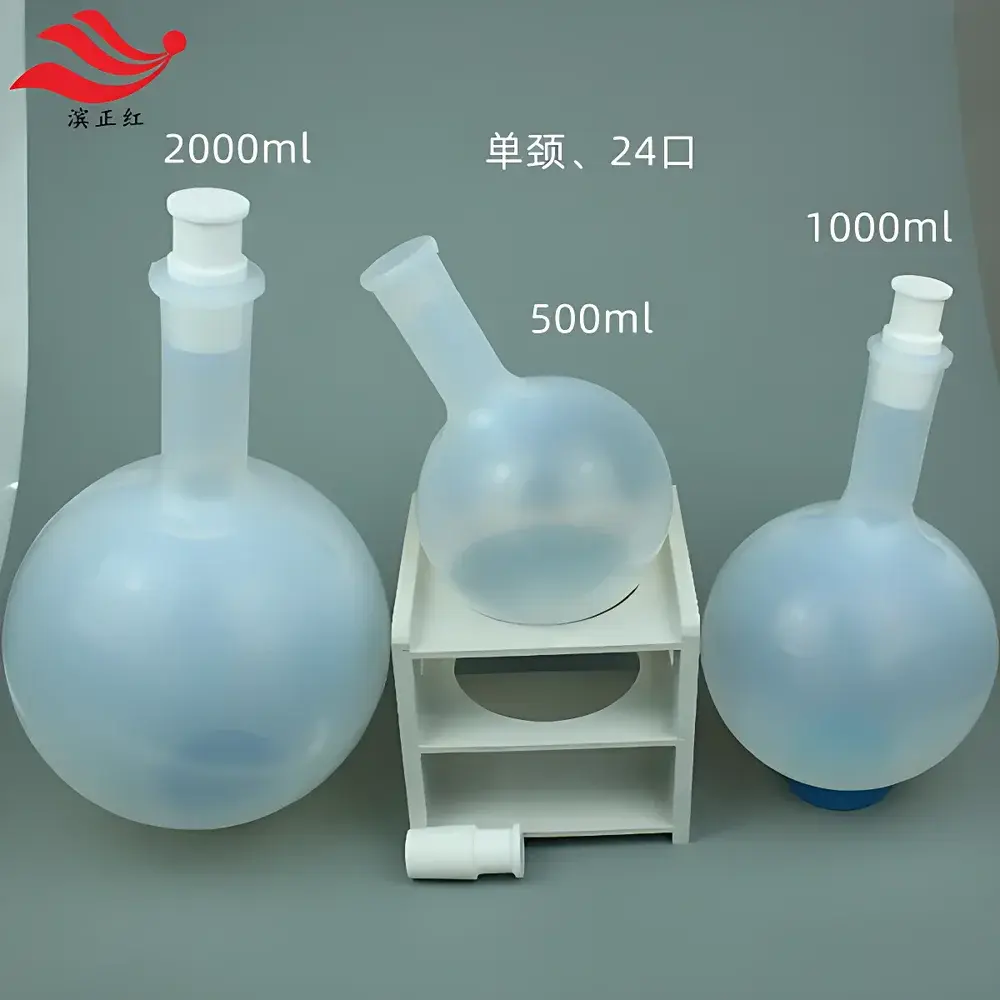
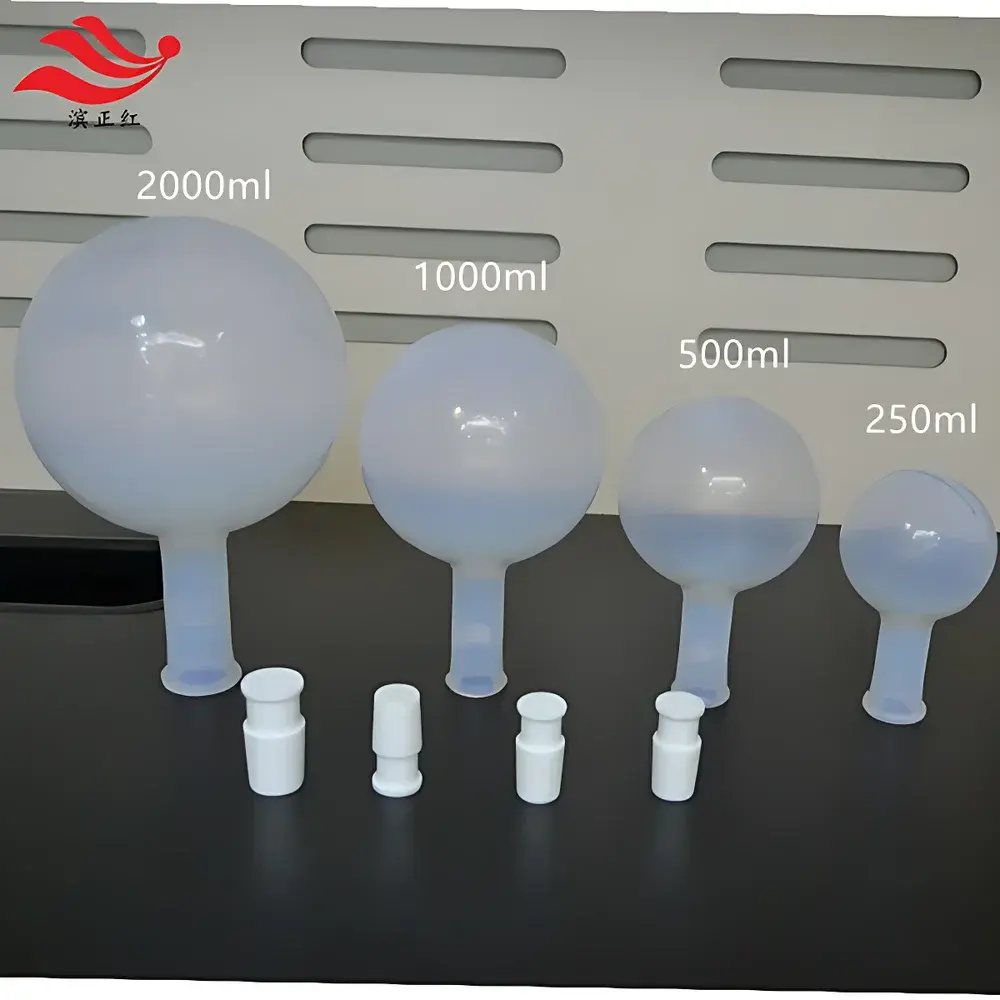
| Volume Options | 250 mL, 500 mL, 1000 mL, 2000 mL |
Overview
The Binzhenghong PFA Single- and Multi-Neck Reaction Flask is a high-purity, chemically inert laboratory vessel engineered for demanding applications in pharmaceutical development, fine chemical synthesis, and analytical sample preparation—particularly where exposure to aggressive reagents such as hydrofluoric acid (HF), hot concentrated mineral acids, or strong oxidizers is unavoidable. Constructed entirely from perfluoroalkoxy alkane (PFA), this flask exhibits exceptional thermal stability (continuous use up to 260 °C), near-zero extractables, and unparalleled resistance to HF corrosion—a critical capability not shared by glass, quartz, or even standard PTFE. Unlike borosilicate glass reactors, which etch rapidly in HF environments, PFA maintains structural integrity and dimensional stability under prolonged contact, making it suitable for HF-mediated fluorination reactions, trace-metal-free digestion protocols (e.g., for ICP-MS sample introduction), and GMP-compliant API intermediate handling.
Key Features
- Full-body PFA construction with seamless fusion-welded necks—no adhesives, no metal inserts, no leachable contaminants
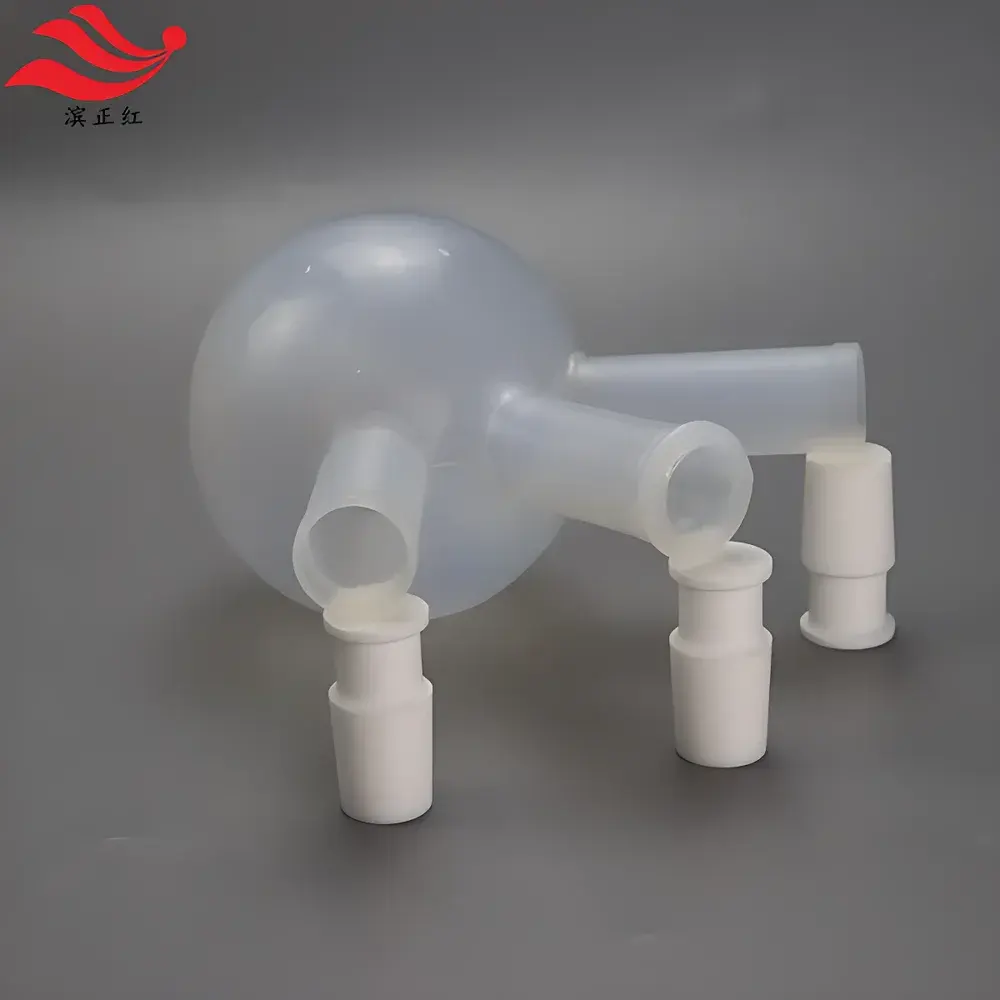
- Available in standardized configurations: single-neck, two-neck, three-neck (triple-neck), four-neck, five-neck, and hexa-neck (up to six ports) for modular accessory integration (e.g., thermowells, reflux condensers, addition funnels, gas inlets, mechanical stirrers)
- Volume range: 250 mL, 500 mL, 1000 mL, and 2000 mL—each calibrated to Class A tolerance per ISO 4787 for volumetric accuracy
- Smooth, non-porous internal surface with <0.2 µm Ra finish—minimizes residue retention and enables complete recovery of high-value compounds
- Autoclavable (121 °C, 15 psi, 20 min) and compatible with clean-in-place (CIP) cycles using nitric acid or hydrogen peroxide solutions
- Optical clarity comparable to borosilicate glass—facilitates real-time visual monitoring of reaction progress, phase separation, or precipitate formation
Sample Compatibility & Compliance
This PFA reaction flask is validated for compatibility with hydrofluoric acid (HF) at concentrations up to 49 wt% and temperatures up to 90 °C—conditions that rapidly degrade quartz and fused silica. It also resists molten alkali metals, chlorine trifluoride (ClF₃), bromine pentafluoride (BrF₅), and anhydrous hydrogen fluoride (AHF). The material complies with USP for plastic containers and meets ASTM D4894-21 for fluoropolymer performance specifications. Each batch is supplied with a Certificate of Conformance including FTIR verification of PFA identity, heavy metal testing (<1 ppb Pb, Cd, Cr, As), and residual catalyst analysis (perfluoroalkyl sulfonic acid <50 ppb). The design supports GLP and GMP workflows through traceable lot numbering and optional serialization for audit-ready inventory control.
Software & Data Management
While the PFA flask itself is a passive vessel, its integration into automated reactor systems (e.g., ChemSpeed, Huber, or EasyMax platforms) enables full digital traceability. When used with compliant reactor controllers, temperature, pressure, and addition profiles can be logged with time-stamped metadata aligned to 21 CFR Part 11 requirements—including electronic signatures, audit trails, and user access logs. Optional laser-etched QR codes on the flask base support LIMS integration for sample lineage tracking across synthesis, purification, and analytical stages.
Applications
- Hydrofluoric acid–mediated cleavage of silyl ethers and siloxane protecting groups in oligonucleotide and peptide synthesis
- Trace-metal-free microwave-assisted digestion of geological and biological matrices prior to ICP-OES/ICP-MS analysis
- High-temperature, high-vacuum distillation of fluorinated solvents (e.g., FC-72, PF-5060) without contamination from glass-derived silica
- Photocatalytic C–F bond activation studies requiring UV transparency (PFA transmits >85% at 200–250 nm)
- Stabilization of air- and moisture-sensitive organometallic intermediates (e.g., Grignard reagents, alkyllithiums) under inert atmosphere via multi-port sealing
- Process validation studies for continuous-flow fluorination reactors where wall corrosion must be eliminated
FAQ
Can this PFA flask be used directly on a hot plate or heating mantle?
Yes—PFA has excellent thermal conductivity and uniform heat distribution; however, direct contact with open flames or uncontrolled radiant heaters is prohibited. Use only with temperature-regulated mantles or oil baths.
Is the PFA material compliant with USP Class VI biological safety testing?
Yes—certified PFA resin used in these flasks passes USP cytotoxicity, sensitization, intracutaneous reactivity, and acute systemic toxicity tests.
What is the maximum vacuum level supported?
Rated for continuous operation at ≤1 mbar absolute pressure at 25 °C; short-term exposure to ≤0.1 mbar is permissible with gradual ramping.
Are custom neck geometries or thread types available?
Yes—standard necks feature ISO-KF 16, 25, or 40 flanges or PTFE-sealed standard taper (14/20, 19/22, 24/29); custom machining (e.g., NPT, DIN, or metric threads) is available upon engineering review.
How does PFA compare to FEP or ETFE for HF resistance?
PFA offers superior long-term HF resistance versus FEP (lower melt viscosity leads to creep under load) and ETFE (susceptible to HF-induced chain scission above 50 °C); PFA’s fully perfluorinated backbone ensures optimal chemical inertness across the full operating range.



