
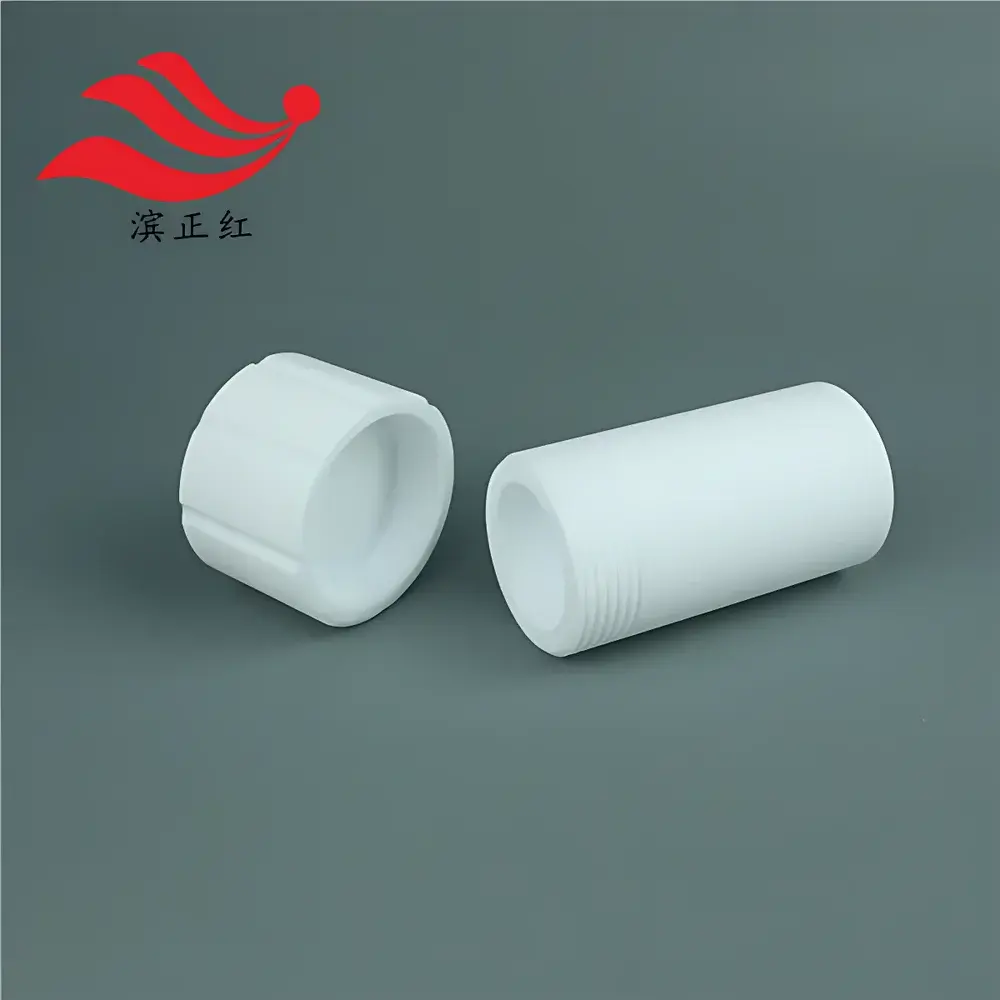
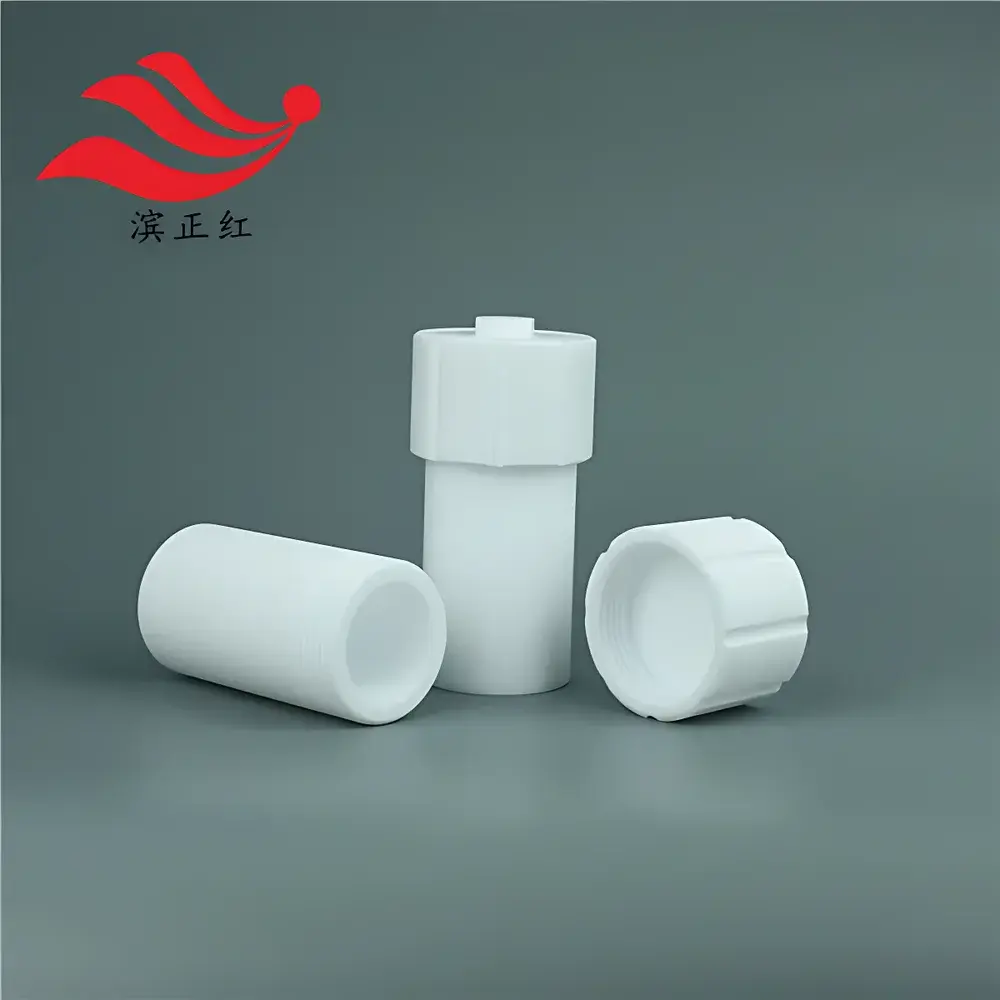
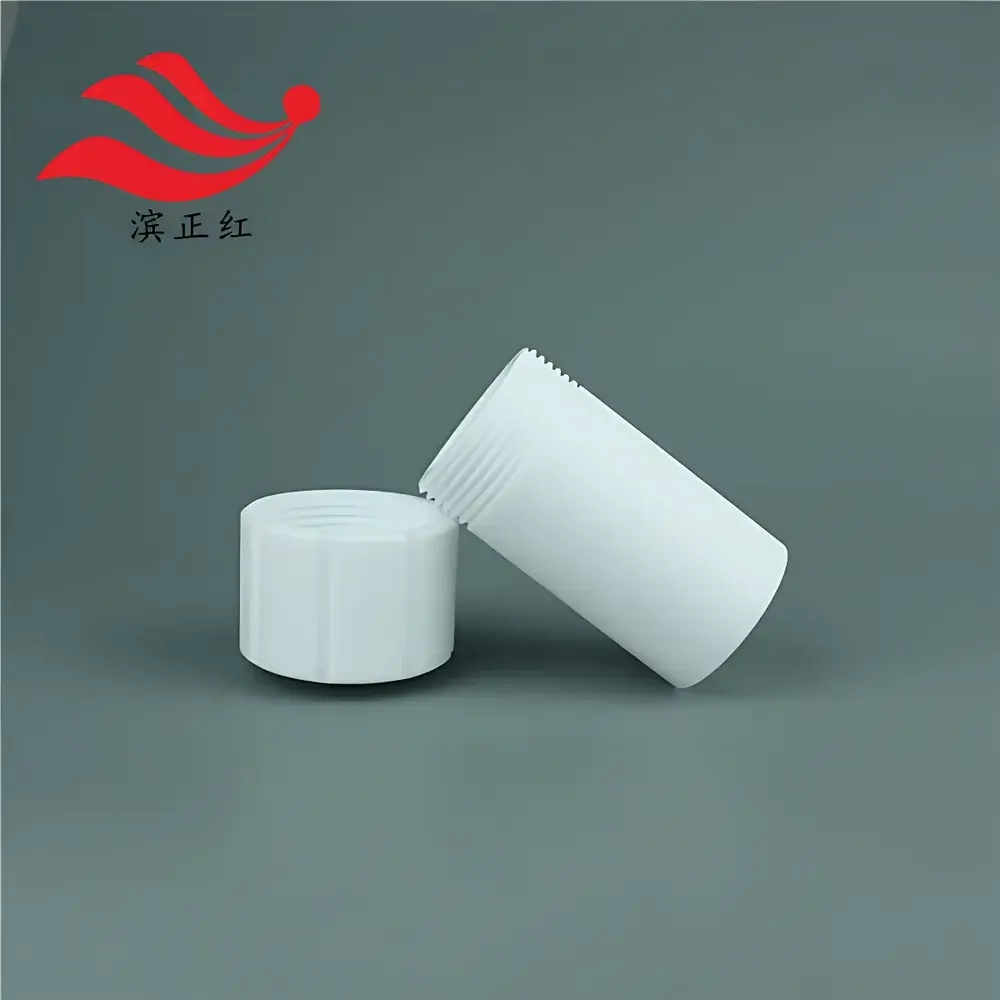
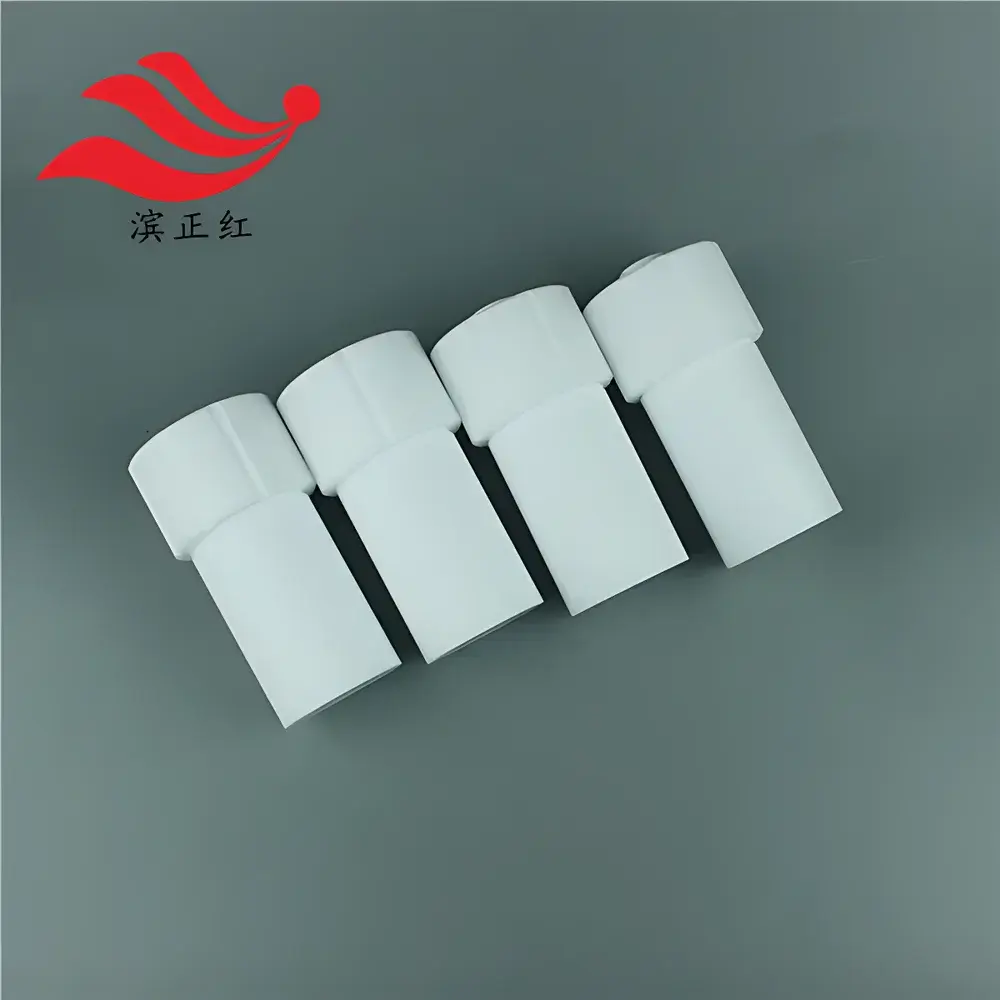
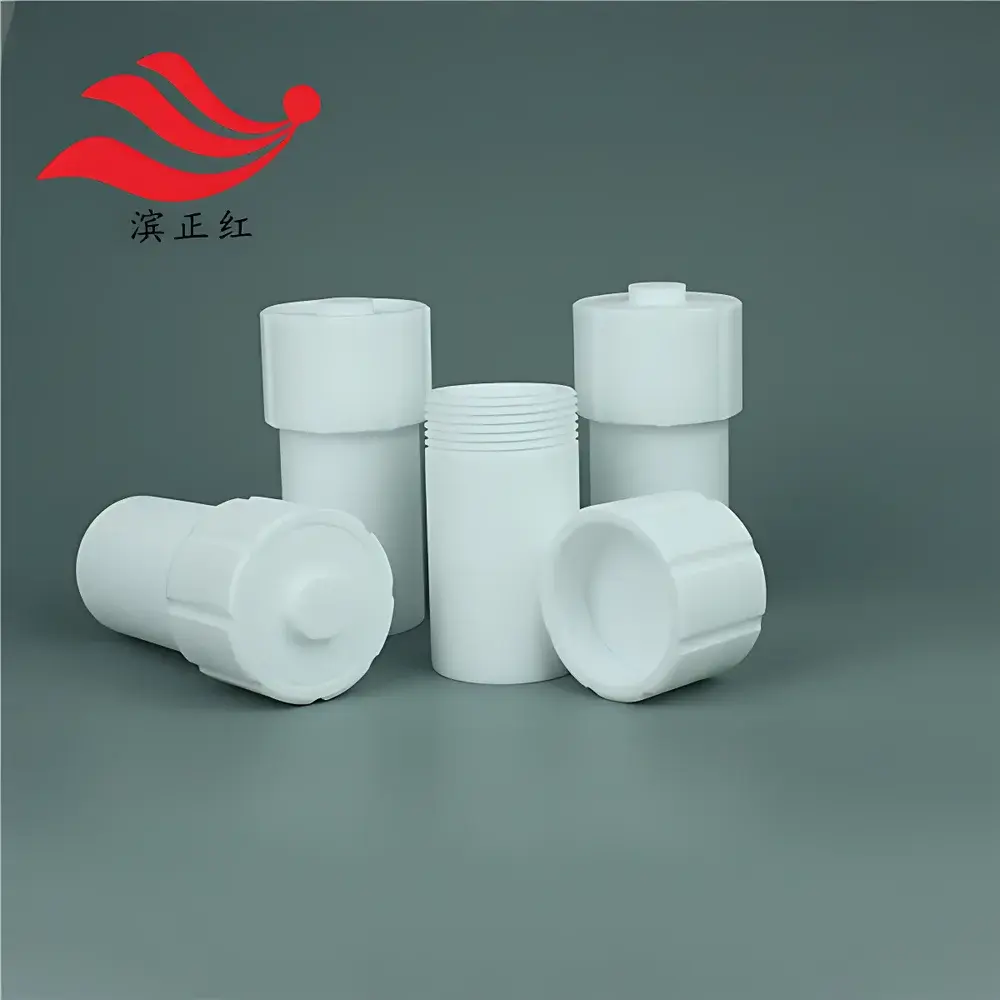
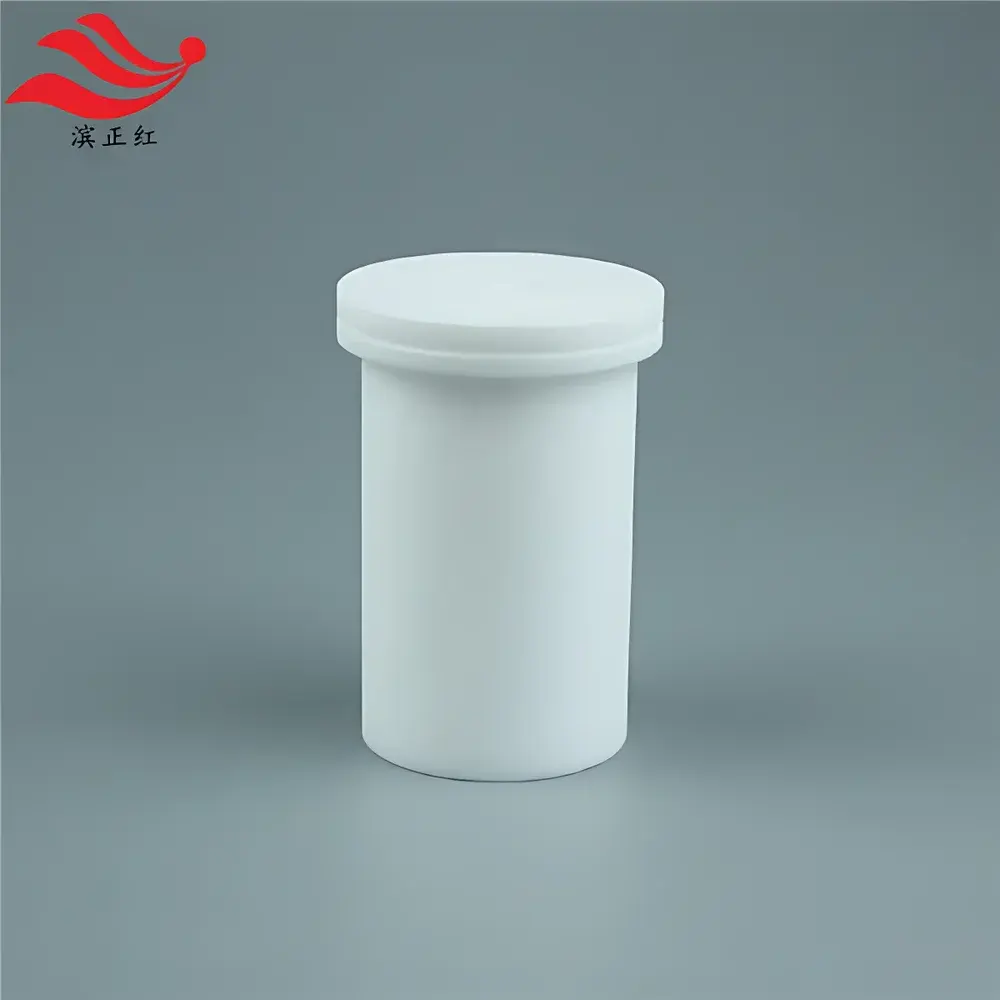
Binzhenghong COD Digestion Vessels for Total Nitrogen (TN) and Chemical Oxygen Demand (COD) Analysis
| Brand | Binzhenghong (Nanjing) |
|---|---|
| Origin | Jiangsu, China |
| Manufacturer Type | OEM/ODM Producer |
| Region Category | Domestic (China) |
| Models | COD-50 mL, COD-60 mL, COD-100 mL |
| Unit Price | USD 0.12 (approx. ¥1) |
Overview
The Binzhenghong COD Digestion Vessels are precision-engineered polytetrafluoroethylene (PTFE) sample containers designed exclusively for use with microwave-assisted digestion systems in environmental water quality laboratories. These vessels serve as critical consumables in standardized determination of Chemical Oxygen Demand (COD), Total Phosphorus (TP), and Total Nitrogen (TN) — key parameters defined under ISO 6060, ASTM D1252, and China’s national standard GB 11914–1989 for wastewater and surface water analysis. Unlike standalone analyzers, these digestion cups operate within sealed microwave digestion units to enable rapid, reproducible oxidation of organic and inorganic reductants under controlled temperature and pressure conditions. Each vessel is rated for sustained operation up to 220 °C and 3 MPa, ensuring compatibility with high-efficiency protocols that reduce digestion time to 5–20 minutes while maintaining stoichiometric equivalence to classical reflux methods.
Key Features
- High-purity PTFE construction ensures exceptional chemical resistance to concentrated H2SO4, KMnO4, K2S2O8, and alkaline persulfate reagents used in COD, TP, and TN digestion.
- Optimized geometry supports uniform microwave energy absorption and consistent thermal distribution across the sample volume—critical for minimizing inter-vessel variability in multi-position rotors.
- Graduated volume markings (50 mL, 60 mL, and 100 mL options) are laser-etched for permanent readability and traceability during GLP-compliant workflows.
- Autoclavable and reusable up to 50 cycles when cleaned per ICH Q5A guidelines; each batch undergoes leach testing for fluorine ion release (<0.1 µg/mL) prior to release.
- Compatible with all major benchtop microwave digestion platforms—including CEM MARS 6, Anton Paar Multiwave PRO, and domestic systems adhering to GB/T 32217–2015 specifications.
Sample Compatibility & Compliance
These digestion vessels accommodate a broad range of aqueous matrices: municipal wastewater, industrial effluents (including textile, pharmaceutical, and electroplating discharges), drinking water pre-filtrates, and soil leachates. They support validated methods for chloride-rich samples (up to 10,000 mg/L Cl−) without requiring mercury sulfate masking agents—aligning with ISO 15705:2002 Annex B for high-chloride interference mitigation. All vessels comply with GB/T 21299–2007 (Laboratory Equipment – PTFE Vessels for Microwave Digestion) and meet US EPA Method 351.2 and 353.2 requirements for TN and TP quantification via alkaline persulfate oxidation. Batch certification includes dimensional inspection reports, extractable fluorine testing, and certificate of conformance to ISO 9001:2015 manufacturing controls.
Software & Data Management
While the vessels themselves are passive consumables, their use is fully integrated into LIMS- and ELN-supported workflows. Each package includes a QR-coded batch label enabling direct linkage to raw material certificates, sterilization logs, and usage history in compliant laboratory information management systems. When deployed with instruments featuring FDA 21 CFR Part 11–compliant software (e.g., Thermo Fisher Dionex Chromeleon or Agilent OpenLab CDS), vessel lot numbers can be auto-recorded alongside digestion method parameters (time, power ramp, hold temperature), supporting full audit trails for regulatory submissions under GLP and GMP frameworks.
Applications
- Routine monitoring of influent and effluent streams in municipal wastewater treatment plants (WWTPs) per ISO 5815-1:2012.
- Validation of advanced oxidation processes (AOPs) in industrial pretreatment systems where low-COD (<10 mg/L) detection limits are required.
- Multi-parameter simultaneous digestion for TN, TP, and COD in compliance with China’s “Standard Method for Monitoring of Surface Water and Wastewater” (HJ 636–2012, HJ 637–2012, HJ 828–2017).
- Research applications involving nitrogen speciation (NH4+, NO2−, NO3−, organic-N) after alkaline persulfate digestion and post-digestion ion chromatography or UV spectrophotometry.
FAQ
Are these vessels certified for ISO/IEC 17025-accredited laboratories?
Yes—each production lot is accompanied by a test report verifying dimensional conformity, fluorine leaching limits, and thermal stability per GB/T 21299–2007.
Can they be used for total Kjeldahl nitrogen (TKN) digestion?
No—these vessels are optimized for alkaline persulfate oxidation (for TN), not sulfuric acid–catalyzed Kjeldahl digestion; TKN requires borosilicate glass or quartz tubes.
What is the maximum recommended torque for PTFE cap sealing?
Hand-tighten only—over-torquing (>1.2 N·m) may deform the sealing interface and compromise pressure integrity during microwave cycling.
Do you supply matching quartz or PFA liners for trace-metal analysis?
Yes—custom PFA-coated inner liners (Cat. No. BZH-TN-LINER-PFA) are available for sub-pptr metal recovery studies compliant with EPA Method 1631E.
Is there a shelf-life limitation for unused vessels?
Unopened, original packaging maintains integrity for 36 months when stored at 15–25 °C and <60% RH; no expiration applies to cleaned/reused units meeting reuse criteria.



