
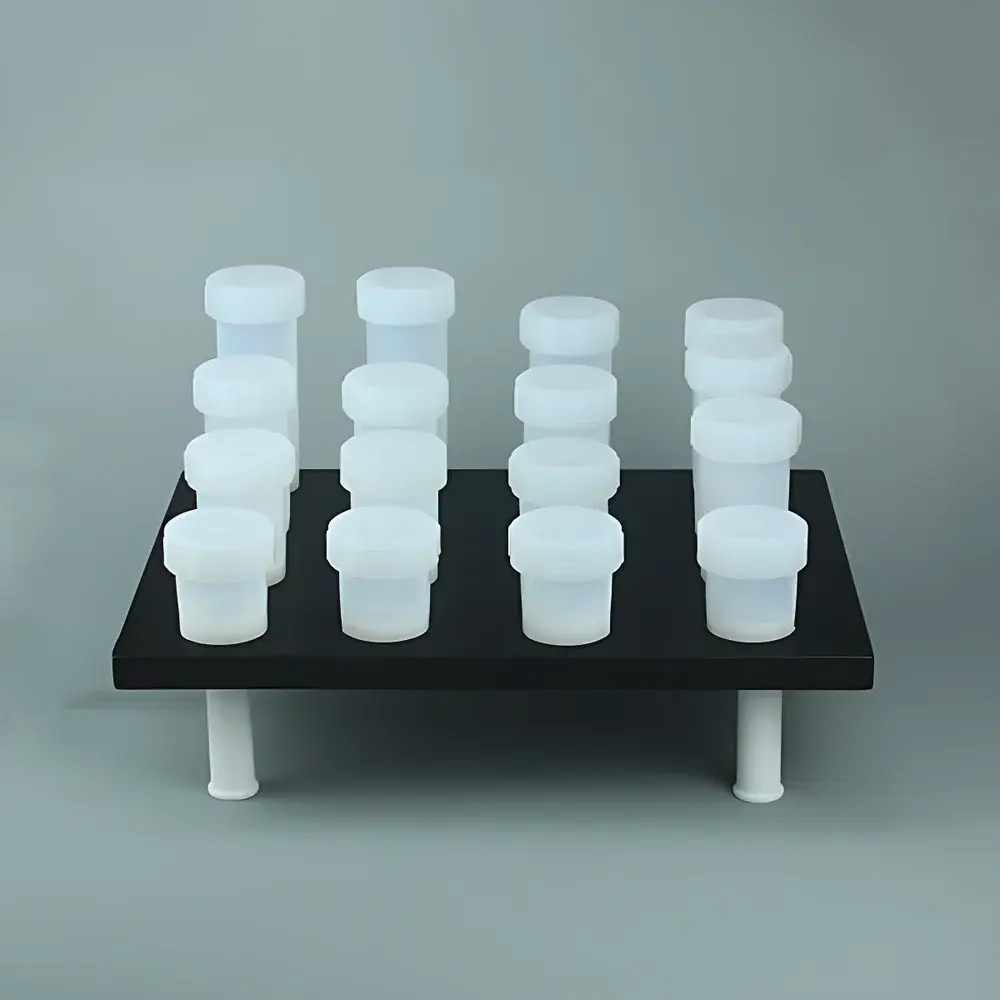
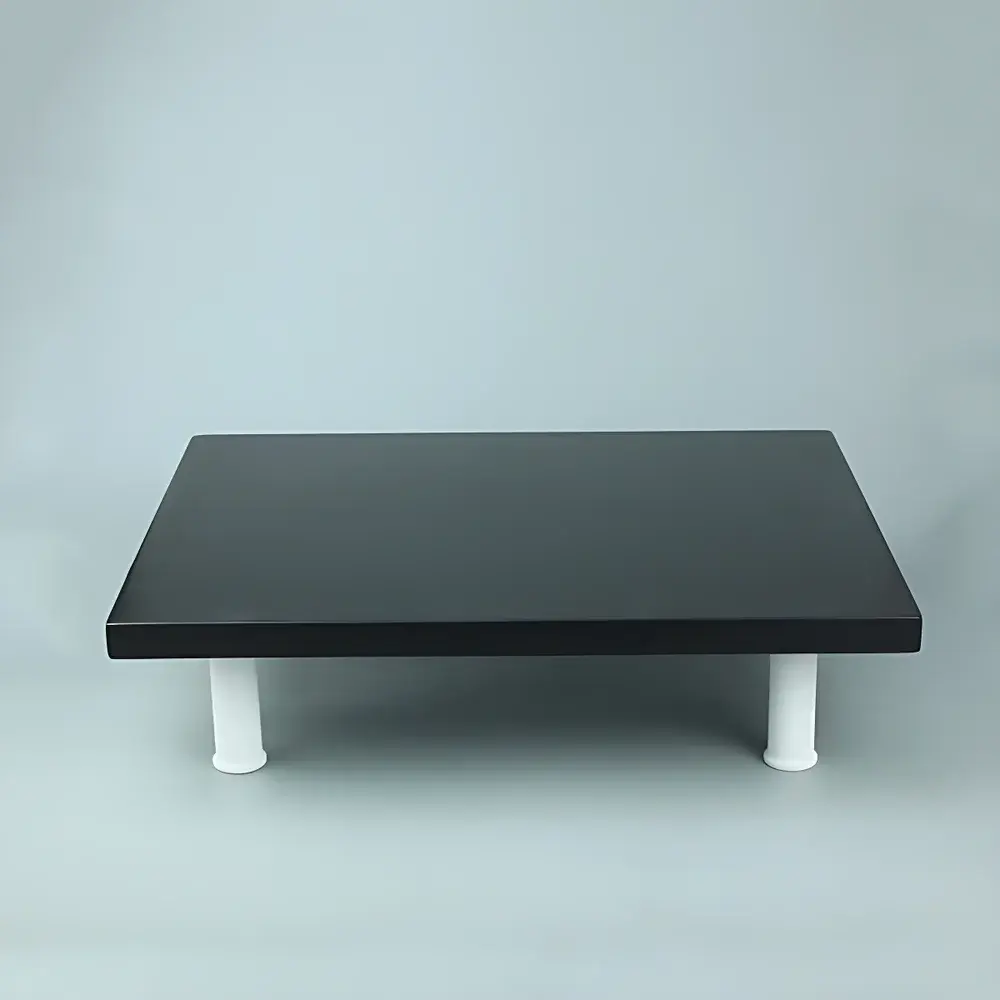
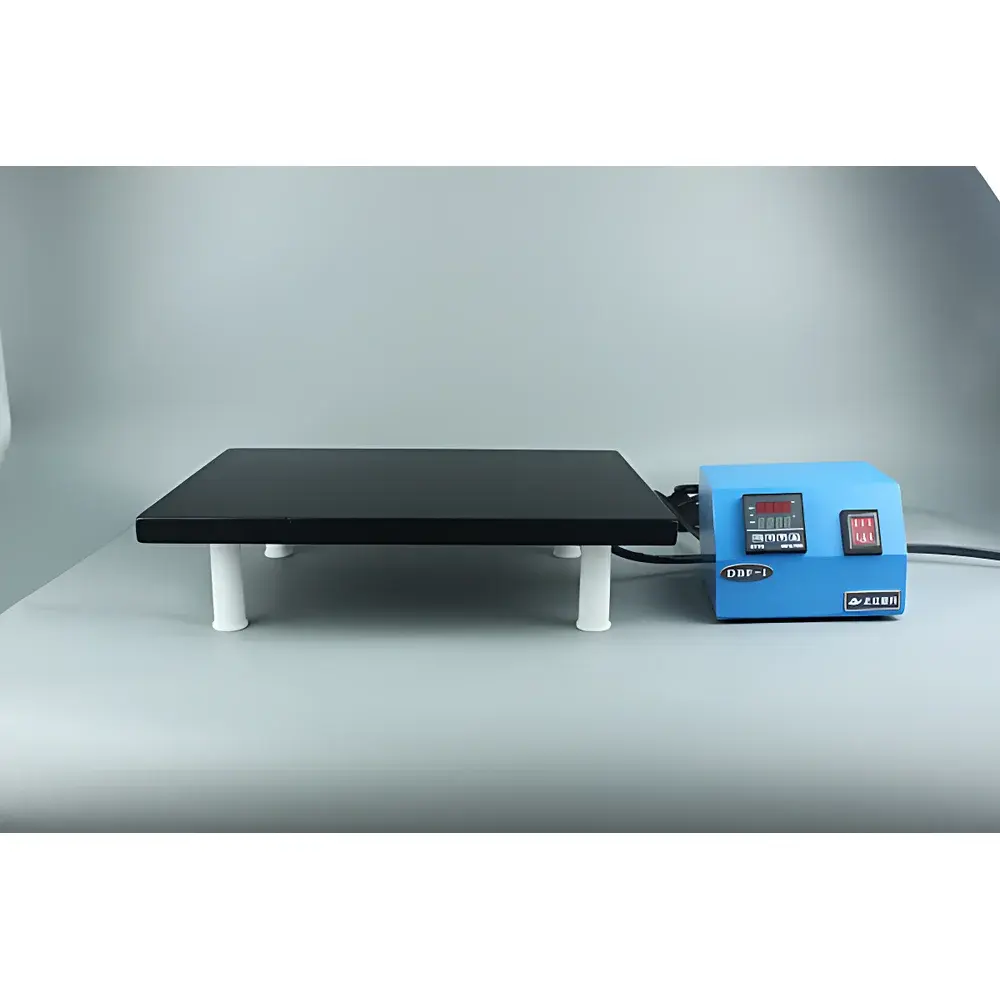
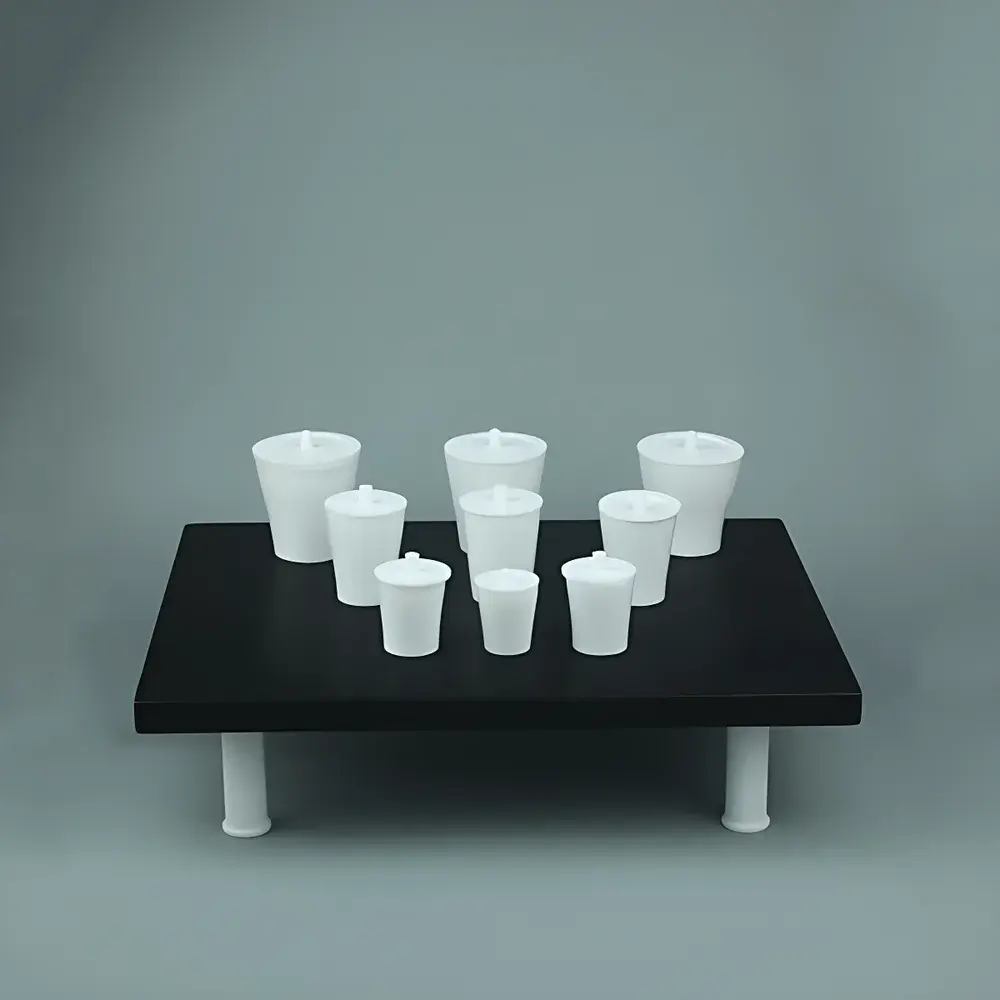
Binzhenghong Graphite Electric Heating Block Digestion System – 15 mL, 42-Position, PFA-Coated
| Brand | Binzhenghong |
|---|---|
| Origin | Jiangsu, China |
| Manufacturer Type | Direct Manufacturer |
| Region Category | Domestic (China) |
| Model | 15 mL |
| Instrument Type | Graphite Digestion Block |
| Automation Level | Semi-Automatic |
| Digestion Positions | 42 |
| Max Heating Temperature | 260 °C |
| Temperature Control Accuracy | ±1 °C |
| Heating Principle | Resistive Electric Heating |
| Reagent Channel | 1 |
| Operating Surface Coating | PFA (Perfluoroalkoxy) |
| Base Material | High-Purity Graphite |
| Rated Voltage | 220 V AC |
| Continuous Operation Time | >48 h |
| Surface Dimensions (Customizable) | e.g., 600 × 400 mm, 400 × 300 mm, or 500 × 250 mm |
Overview
The Binzhenghong Graphite Electric Heating Block Digestion System is a laboratory-grade semi-automatic sample preparation instrument engineered for precise, uniform, and corrosion-resistant thermal digestion of environmental, food, pharmaceutical, and geological samples. Designed around a high-purity graphite heating block with integrated PFA (perfluoroalkoxy) anti-corrosion coating, it delivers stable conductive heating across all 42 positions—each accommodating standard 15 mL digestion vessels such as PTFE, quartz, or borosilicate glass tubes. Unlike conventional ceramic or stainless-steel hotplates, the graphite core ensures exceptional thermal homogeneity (±1 °C spatial uniformity) and rapid heat transfer, minimizing thermal lag during ramp-and-hold temperature protocols. Its operation is grounded in resistive electric heating controlled by a PID digital thermostat, enabling reproducible digestion cycles from ambient up to 260 °C—well-suited for HNO₃/HCl/HF-based acid digestion, open-vessel wet ashing, solvent evaporation, and acid fuming (e.g., HNO₃/HClO₄ matrix removal). The system complies with core method requirements outlined in EPA Method 3050B, ISO 11466, and GB/T 5009.12–2017 for heavy metal analysis.
Key Features
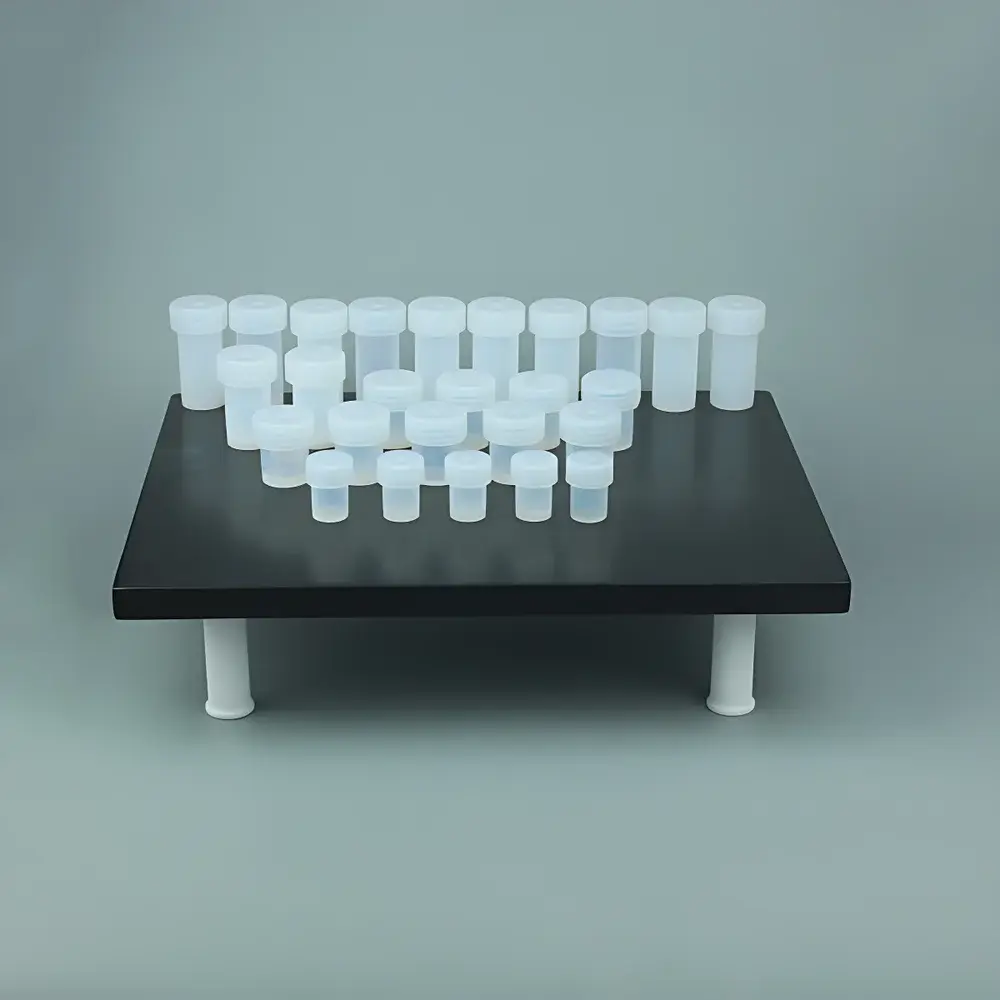
- 42-position graphite heating block optimized for 15 mL digestion vessels—enabling parallel processing without cross-contamination
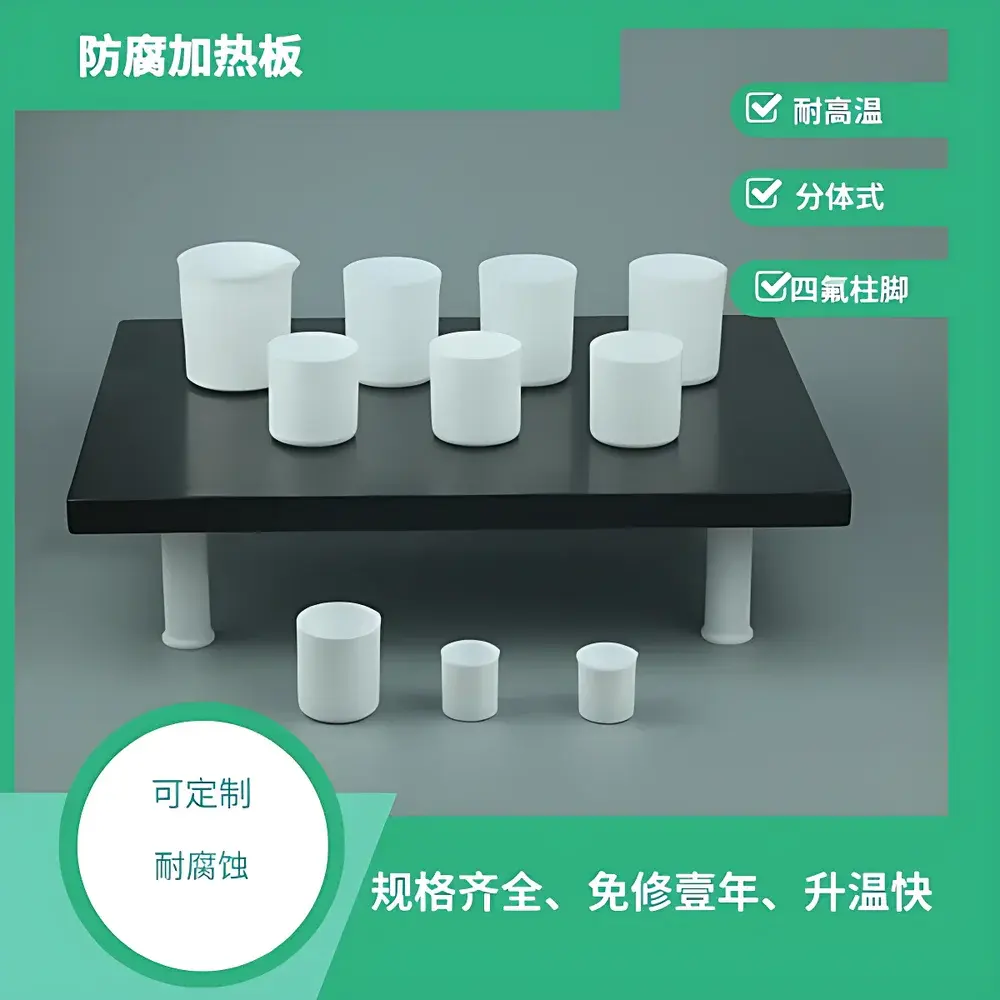
- PFA-coated surface providing full resistance to concentrated mineral acids (HNO₃, HCl, HF, H₂SO₄, HClO₄) and alkaline solutions—eliminating surface degradation and leaching risks
- Digital PID temperature controller with ±1 °C accuracy and real-time display; supports programmable ramp/soak profiles (optional time-setting function available upon customization)
- Structural design minimizes metallic components: support pillars fabricated entirely from PTFE, reducing potential trace metal contamination in ultra-trace analysis
- Robust cast-aluminum housing with graphite insert architecture—ensuring mechanical stability, thermal inertia control, and >48-hour continuous operation capability
- Modular surface dimensions (standard options: 600 × 400 mm, 400 × 300 mm, 500 × 250 mm); custom plate geometry and well configuration supported per application requirements
Sample Compatibility & Compliance
The system accommodates a broad range of digestion vessel types—including PTFE (Teflon™), quartz, borosilicate glass, and polypropylene tubes—ensuring compatibility with USP , ASTM D3682-18, and ISO/IEC 17025-accredited workflows. All contact surfaces meet ISO 8573-1 purity class 0 for non-metallic leachables. The PFA coating conforms to FDA CFR 21 Part 177.1550 for fluoropolymer food-contact compliance and exhibits no detectable outgassing under ICH Q5C stability conditions. For GLP/GMP environments, the instrument supports audit-ready documentation when paired with external data loggers meeting FDA 21 CFR Part 11 requirements (electronic signatures, event logs, user access control).
Software & Data Management
While the base model operates via standalone PID interface, optional RS-485/USB communication modules enable integration with LIMS or ELN platforms. Custom firmware supports CSV export of temperature history per session (timestamped, position-labeled), including ramp rate, dwell duration, and maximum deviation—facilitating traceability per ISO/IEC 17025 clause 7.7. No proprietary software is required; raw data streams are compatible with LabVIEW™, MATLAB®, and Python-based automation scripts (e.g., PySerial control libraries). Firmware updates are delivered via secure USB key—no cloud dependency or remote access functionality included.
Applications
- Heavy metal quantification (Pb, Cd, As, Hg, Cr) in soil, sediment, and biological tissues via ICP-MS/OES post-digestion
- Acid digestion of food matrices (e.g., dairy, cereals, seafood) prior to AAS analysis per AOAC 999.10
- Preparation of certified reference materials (CRMs) requiring low-blank, high-reproducibility digestion
- Open-vessel decomposition of polymers and composites for elemental impurity screening (ICH Q3D)
- Controlled evaporation and concentration of digestates prior to SPE or chelation chromatography
- Method development for microwave-assisted digestion validation studies (comparative kinetics and recovery assessment)
FAQ
What vessel types are recommended for use with this graphite digestion block?
Standard 15 mL PTFE digestion tubes, quartz crucibles, and borosilicate glass test tubes are fully compatible. Avoid aluminum or stainless-steel containers due to risk of corrosion and contamination.
Is the PFA coating resistant to hydrofluoric acid (HF)?
Yes—the PFA layer provides full chemical inertness against HF concentrations up to 40% v/v at temperatures ≤260 °C, as verified per ASTM D1308-22 accelerated corrosion testing.
Can temperature profiles be logged and exported for regulatory audits?
Yes—when equipped with the optional data logging module, time-stamped temperature records per position are exportable in CSV format, supporting 21 CFR Part 11 compliance when used with validated third-party ELN systems.
What maintenance is required to sustain long-term accuracy?
No routine calibration is needed; however, annual verification using NIST-traceable RTD probes is recommended. Surface cleaning with deionized water and lint-free wipes after each use preserves PFA integrity.
Does the system support multi-stage digestion protocols (e.g., ramp-hold-cool cycles)?
The base unit supports manual stage adjustment; programmable multi-step profiles require optional firmware upgrade and external timer integration—available as OEM-configurable option.



