
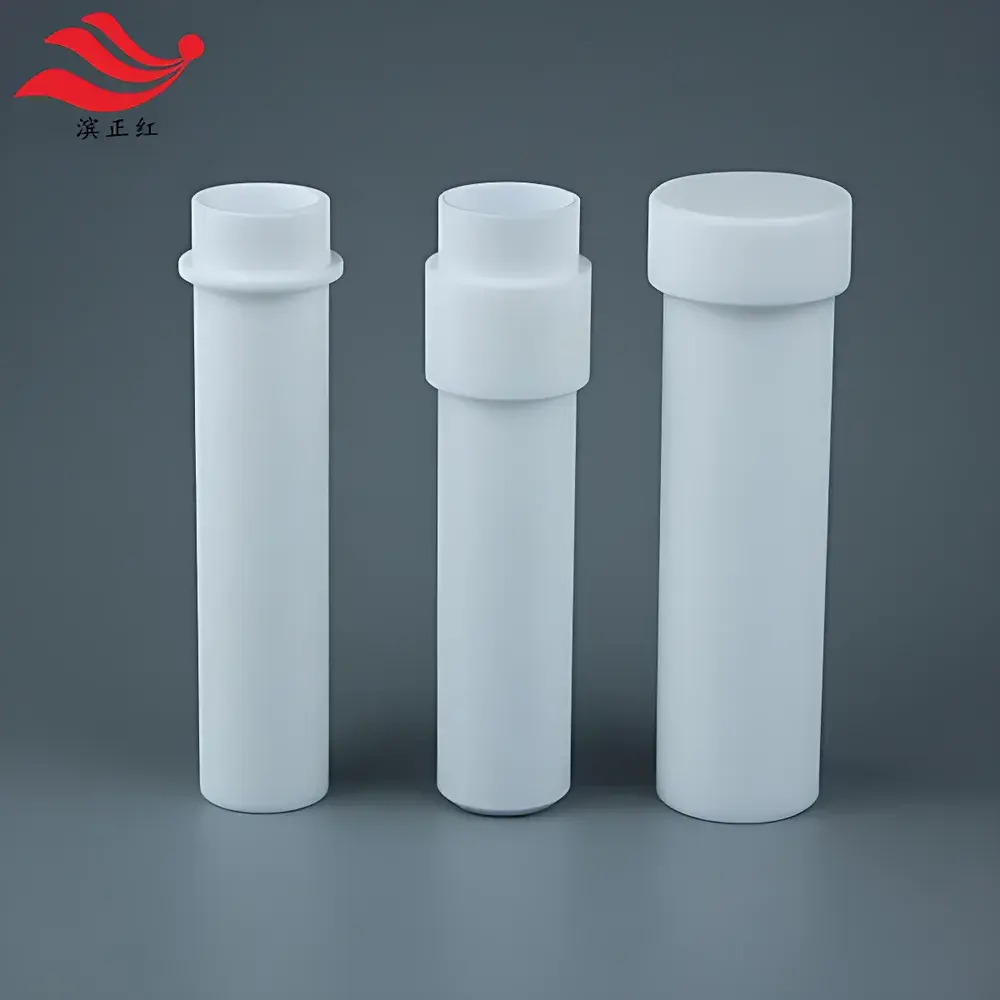
Binzhenghong NJ-PFA PTFE-Free Perfluoroalkoxy (PFA) Digestion Tubes for DS-36/DS-72 Block Digesters — 50–60 mL Capacity
| Brand | Binzhenghong |
|---|---|
| Origin | Jiangsu, China |
| Manufacturer Type | Direct Manufacturer |
| Product Origin | Domestic (China) |
| Model | NJ-PFA |
| Heating Power | 5–30 min to reach 200 °C |
| Max Operating Temperature | 260 °C (open-vessel) |
| Temperature Uniformity | ±1.5 °C across 200–260 °C range |
| Plate Dimensions | 400 × 300 mm or 600 × 400 mm |
| Heating Zone Size | 600 × 400 mm |
| Display | PID Digital Temperature Controller |
Overview
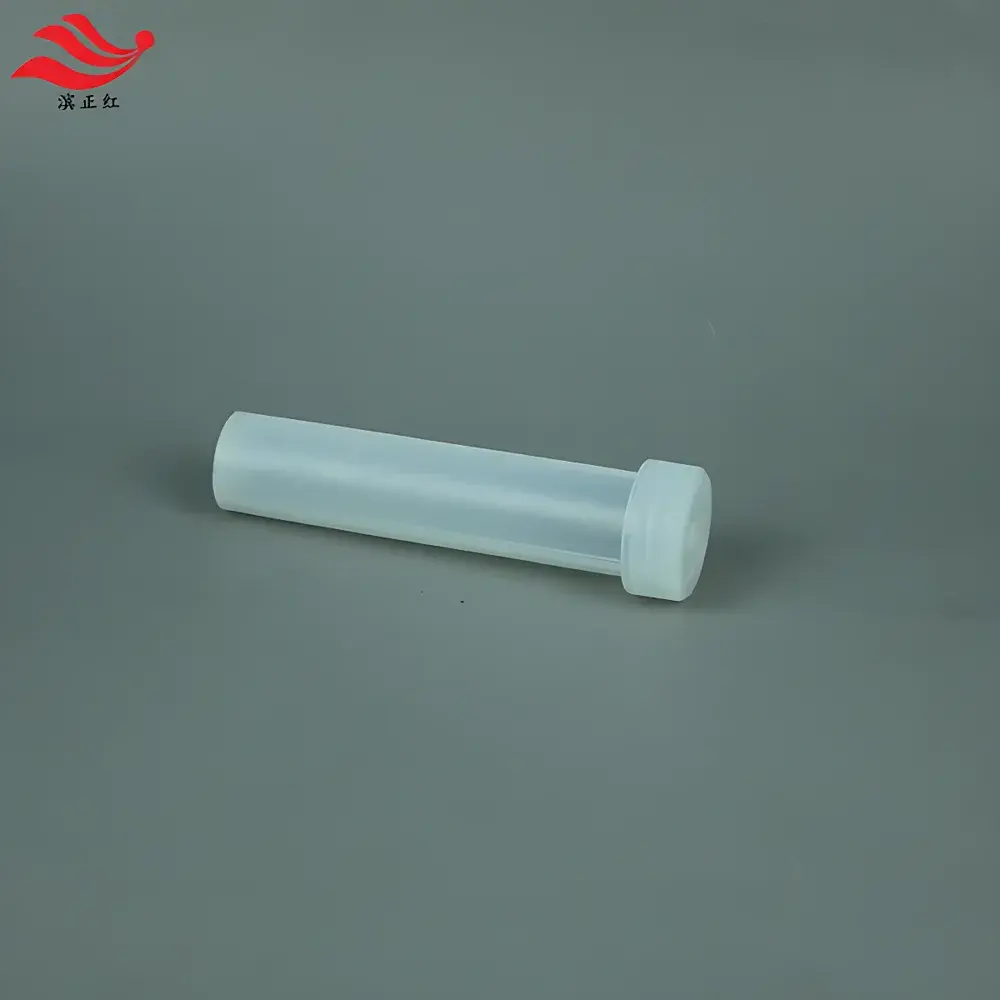
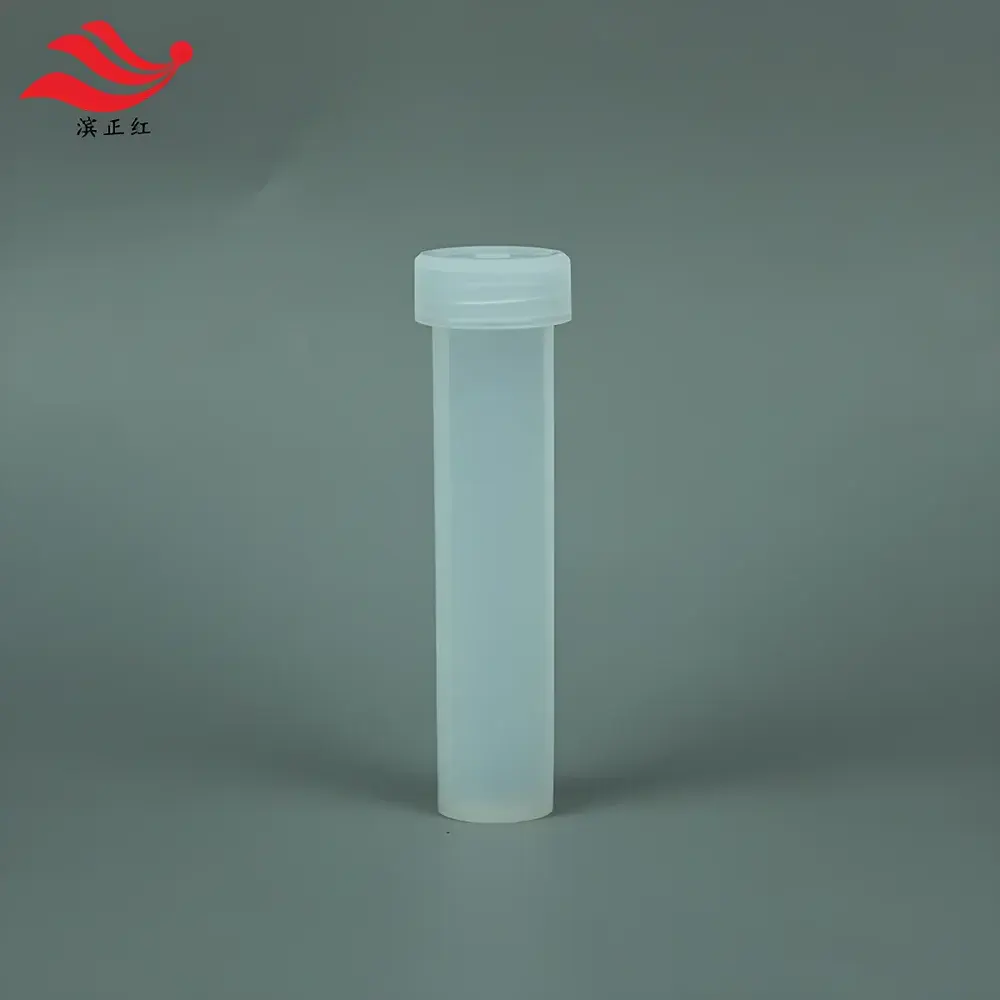
The Binzhenghong NJ-PFA Perfluoroalkoxy (PFA) digestion tubes are precision-engineered consumables designed for high-throughput, trace-level sample preparation in open-vessel block digestion systems—including the Grindahl DS-36 and DS-72 series, Labtech ED/EHD and DigiBlock TF-36/16 platforms, and compatible instruments from Pretach ST-60, Ruike, Topscience, Haineng, Dingtai, and OPAL. Unlike conventional PTFE (polytetrafluoroethylene) tubes, PFA offers superior optical clarity, lower extractables, and enhanced thermal stability up to 260 °C under non-pressurized conditions—making it ideal for applications requiring visual monitoring of digestion progress, post-digestion volume adjustment, and minimal background contamination in ICP-MS, ICP-OES, AAS, and EPA Method 3050B/3052 workflows. Each tube is fabricated from virgin, imported PFA resin with certified low metal leaching profiles (<0.1 pg/mL for Cr, Cu, Ni, Pb, Zn at 260 °C), ensuring compliance with stringent regulatory requirements for environmental, food safety, and clinical laboratory testing.
Key Features
- Optically transparent PFA construction enables real-time observation of digestion kinetics and meniscus level—eliminating the need for transfer during volumetric finalization.
- Consistent geometry: outer diameter 28–29 mm, total height 135 mm, nominal capacity 50–60 mL—engineered for precise fitment into standardized 36- and 72-position heating blocks.
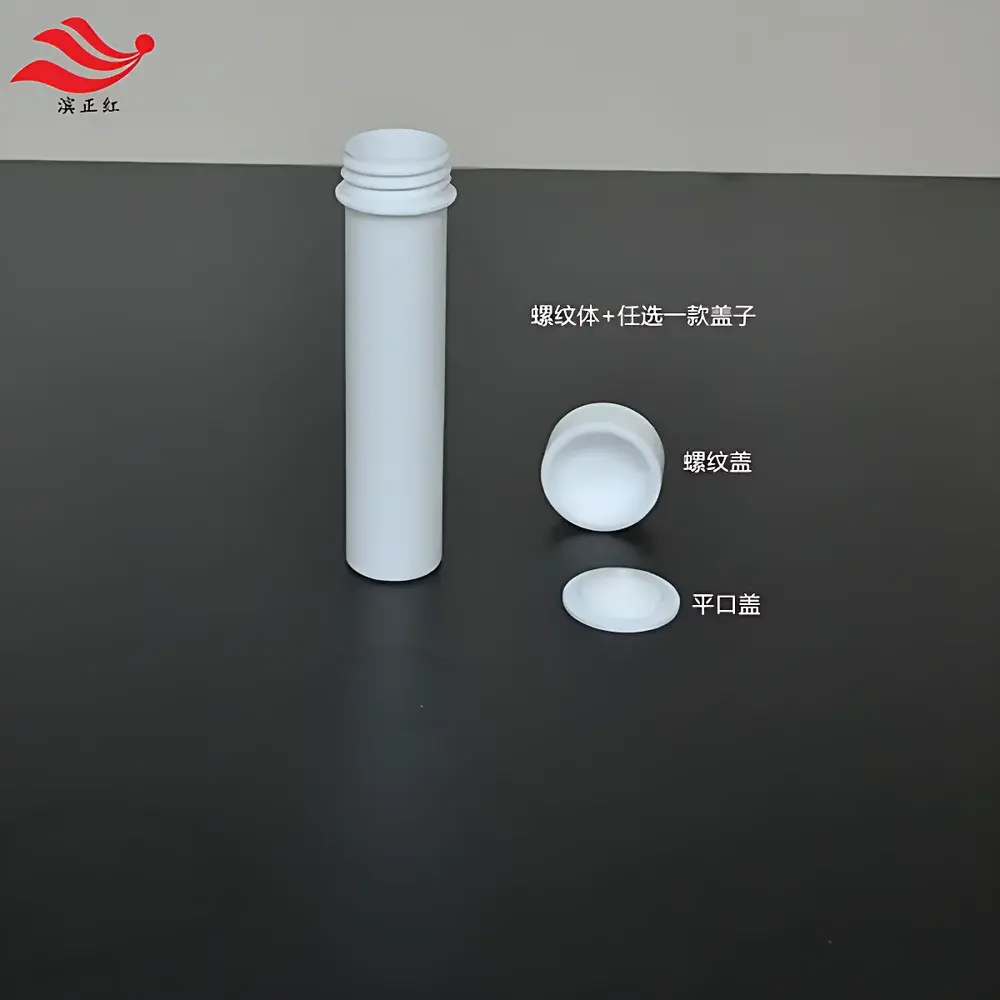
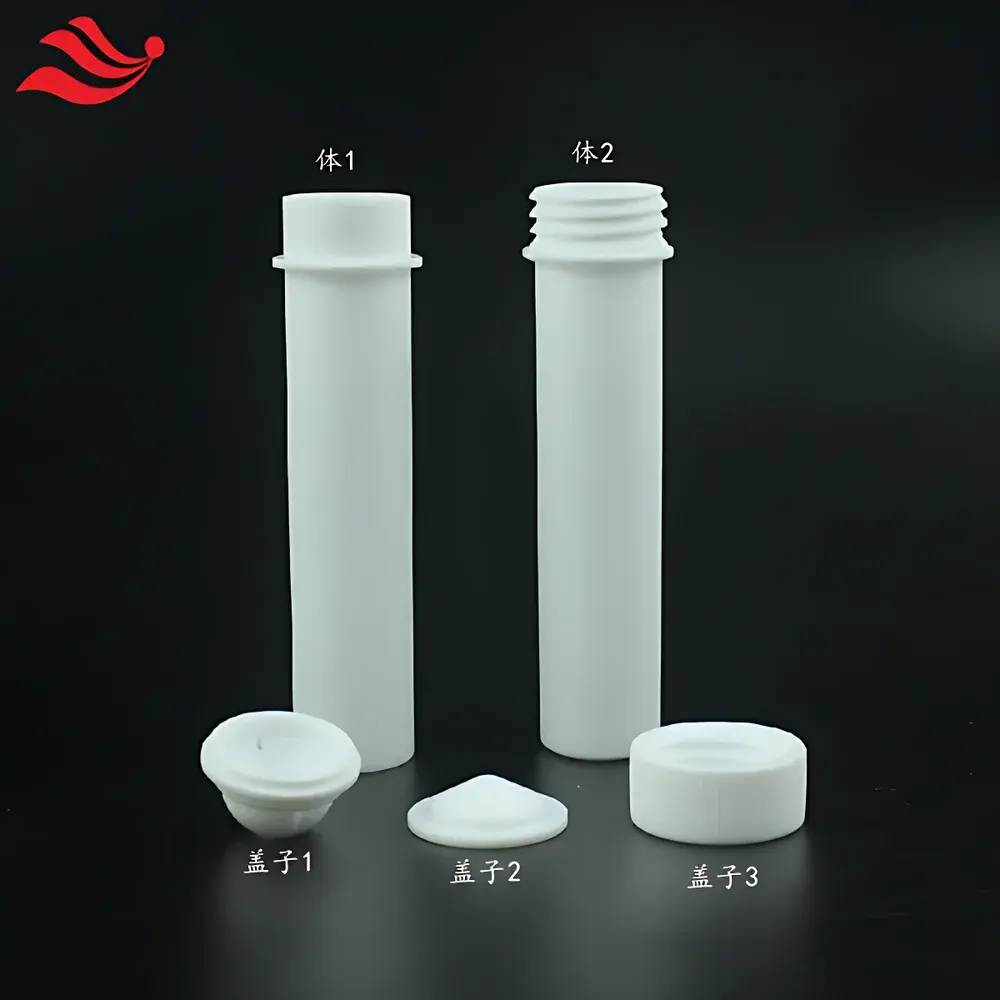
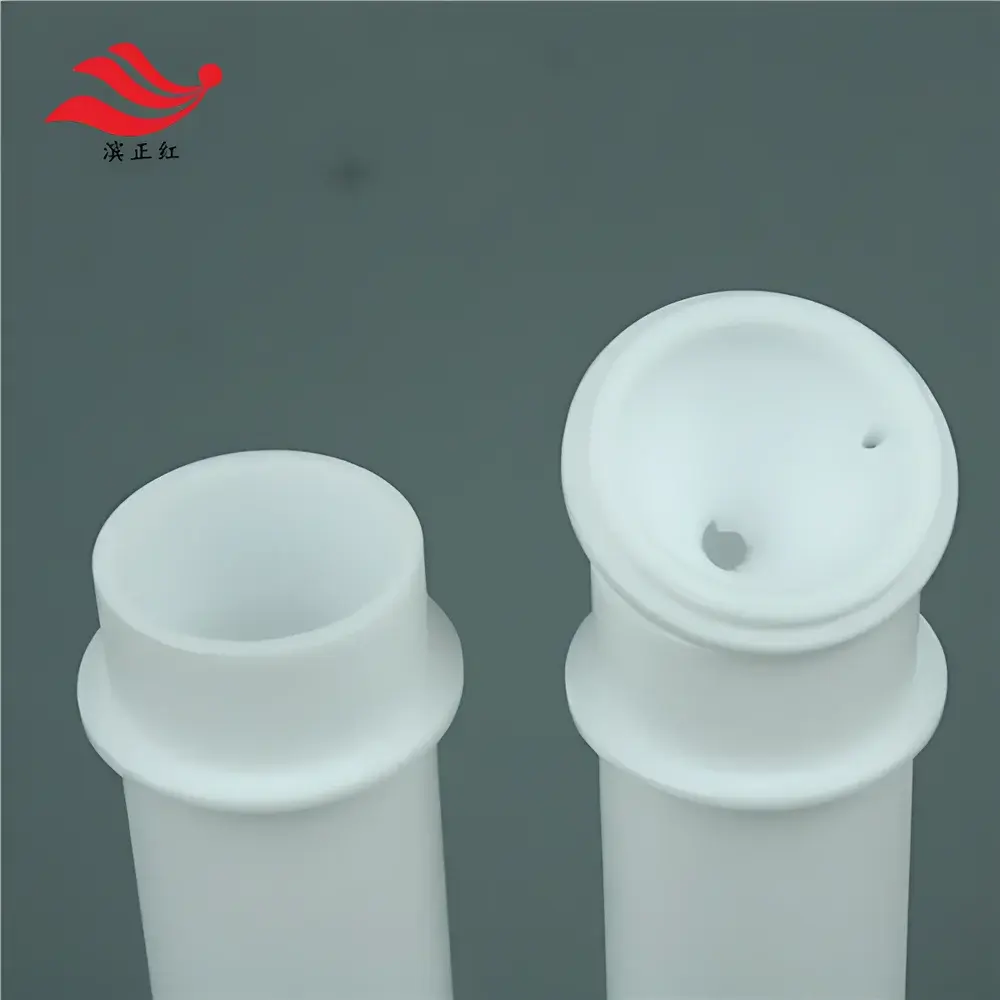
- Multiple lid configurations available: reflux cap, handle cap, dual-function integrated cap, flared mouth, threaded seal, and flat-top design—each configurable with optional venting ports for controlled off-gassing at elevated temperatures.
- Laser-engraved permanent numbering on both tube body and cap ensures unambiguous sample traceability across multi-batch runs and GLP-compliant recordkeeping.
- Non-stick surface and zero adsorption characteristics minimize analyte loss; validated absence of black specks, yellowing, microcracks, or surface pitting per ASTM D4894 and ISO 10993-12 protocols.
Sample Compatibility & Compliance
These tubes are validated for use with aggressive reagent combinations including HNO₃, HCl, HF (≤5%), H₂O₂, and aqua regia under open-vessel digestion conditions. They meet USP Class VI biocompatibility criteria and conform to ISO 17025-recommended material qualification standards for trace metal analysis. The PFA formulation complies with FDA 21 CFR §177.1550 for food-contact applications and exhibits ≤0.5 ng/g total metal extractables (as measured by ICP-MS after 24-h extraction at 260 °C). All units undergo 100% visual inspection and batch-certified documentation is provided upon request for audit readiness.
Software & Data Management
While the tubes themselves are passive consumables, their laser-etched identifiers integrate seamlessly with LIMS and ELN platforms via barcode or QR-code labeling (optional upgrade). When used in conjunction with Binzhenghong’s programmable electric heating plates—equipped with PID digital controllers featuring data logging, setpoint ramping, and password-protected parameter locking—they support full traceability under 21 CFR Part 11-compliant environments. Audit trails include temperature profiles, dwell times, and operator IDs when paired with compatible acquisition software.
Applications
- Environmental analysis: soil, sediment, sludge, and wastewater digestion per EPA Methods 3050B, 3051A, and 3052.
- Food and agricultural testing: heavy metals in cereals, dairy, seafood, and plant tissues.
- Clinical and pharmaceutical QC: residual catalysts in APIs, elemental impurities in excipients (ICH Q3D).
- Geological and metallurgical research: ore, alloy, and ceramic matrix dissolution prior to multi-element quantification.
- Academic and method development labs requiring reproducible, low-blank sample introduction for calibration curve linearity and MDL verification.
FAQ
What is the maximum safe operating temperature for these tubes?
260 °C under open-vessel (non-pressurized) conditions. For threaded-cap configurations requiring extended exposure above 220 °C, optional vented caps are recommended to prevent pressure buildup.
Can these tubes be reused?
Yes—provided they undergo proper post-digestion cleaning: soak in 5% HNO₃ for ≥2 h, rinse with 18.2 MΩ·cm DI water, and air-dry or oven-dry at ≤80 °C. Avoid abrasive brushes; use PFA-coated or nylon-tipped tools only.
Do you offer custom dimensions or OEM branding?
Yes. Custom outer diameters (26–32 mm), heights (120–150 mm), capacities (30–100 mL), and cap geometries—including OEM-labeled packaging and serialized lot tracking—are available upon formal quotation request.
Are certificates of conformance and metal blank test reports available?
Yes. Batch-specific CoC and ICP-MS blank data (measured in triplicate at 260 °C using 10 mL 2% HNO₃) are supplied with every order exceeding 100 units.
How do NJ-PFA tubes differ from standard PTFE digestion vessels?
PFA offers higher transparency, lower ion leaching, improved melt processability, and better resistance to stress cracking—especially critical for repeated thermal cycling and HF-containing digestions where PTFE may exhibit surface etching or opacity over time.



