
PFA Monolithic Ion Exchange Chromatography Column by Binzhenghong
| Brand | Binzhenghong |
|---|---|
| Origin | Jiangsu, China |
| Manufacturer Type | Direct Manufacturer |
| Origin Category | Domestic (China) |
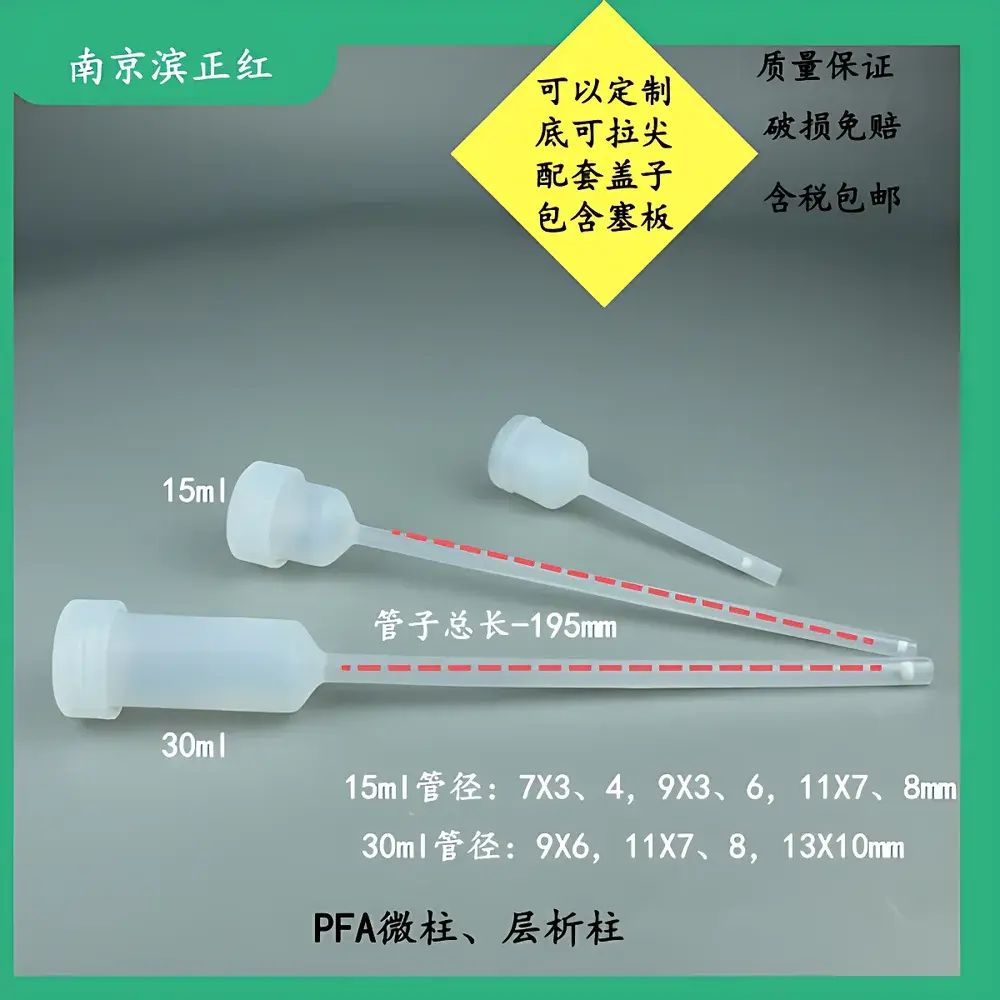
| Volume Options | 15 mL, 30 mL |
| Price Range | USD 2.80 – 85.00 |
Overview
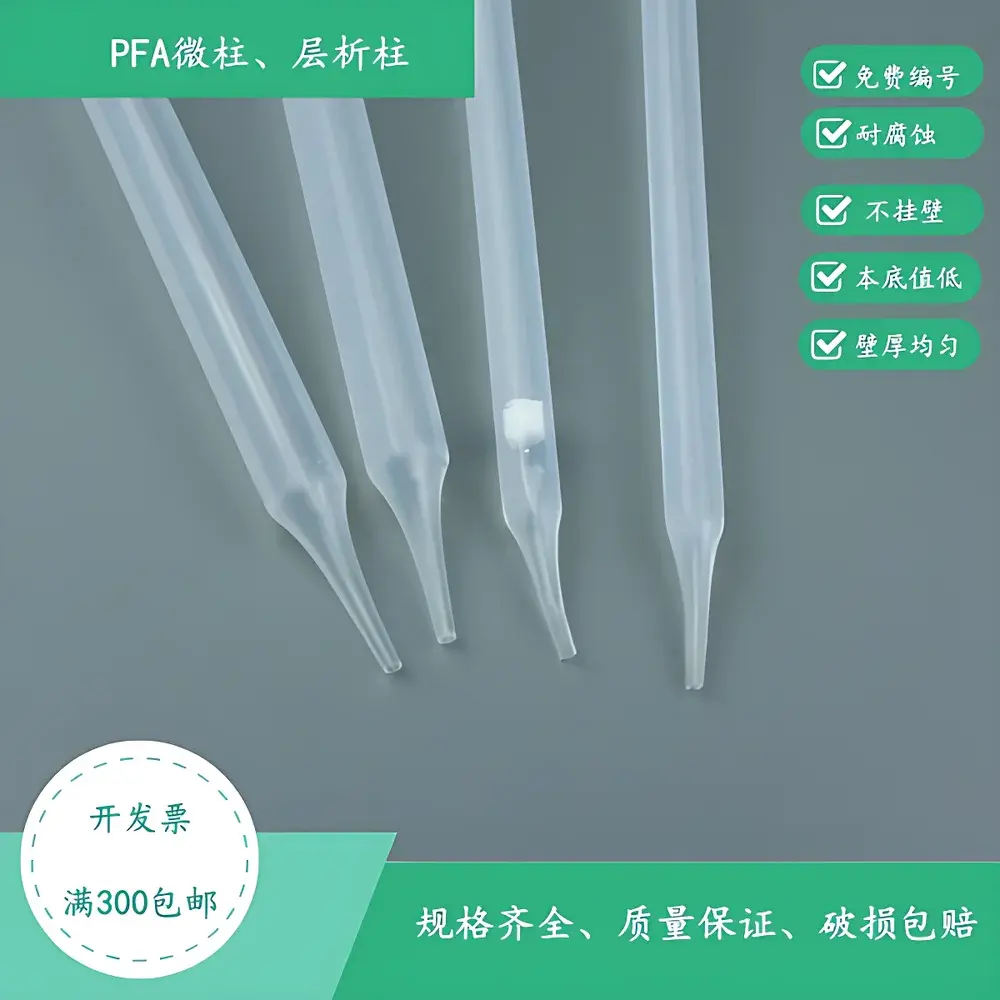
The PFA Monolithic Ion Exchange Chromatography Column is a precision-engineered, all-in-one separation device designed for high-fidelity ion exchange applications—particularly in isotopic purification, trace metal analysis, and low-background radiochemical separations. Constructed entirely from perfluoroalkoxy alkane (PFA), the column leverages the material’s exceptional chemical inertness, ultra-low extractables, and thermal stability (–200 °C to +260 °C) to eliminate matrix interference and ensure baseline integrity in sensitive analytical workflows. Unlike conventional glass or polypropylene columns, this monolithic design integrates the reservoir, frit support, and chromatographic bed into a single seamless unit—eliminating weld seams, dead volumes, and potential leakage paths. The column operates on classical ion exchange principles: cationic or anionic functional groups covalently bound to the resin matrix selectively retain target ions based on charge density, hydration radius, and valence state, enabling reproducible elution profiles under controlled pH and ionic strength conditions.
Key Features
- Seamless PFA Construction: Fully molded in one piece using high-purity imported PFA resin—no adhesives, no welds, no leachable interfaces—ensuring mechanical robustness and chemical compatibility with aggressive solvents (e.g., concentrated HNO₃, HF, HClO₄) and high-temperature eluents.
- Optimized Frit System: Interchangeable sintered PFA frits available in multiple pore sizes (10 µm, 20 µm, 40 µm) matched to resin particle diameter (typically 50–200 mesh), ensuring uniform flow distribution, minimal backpressure, and high-resolution band separation.
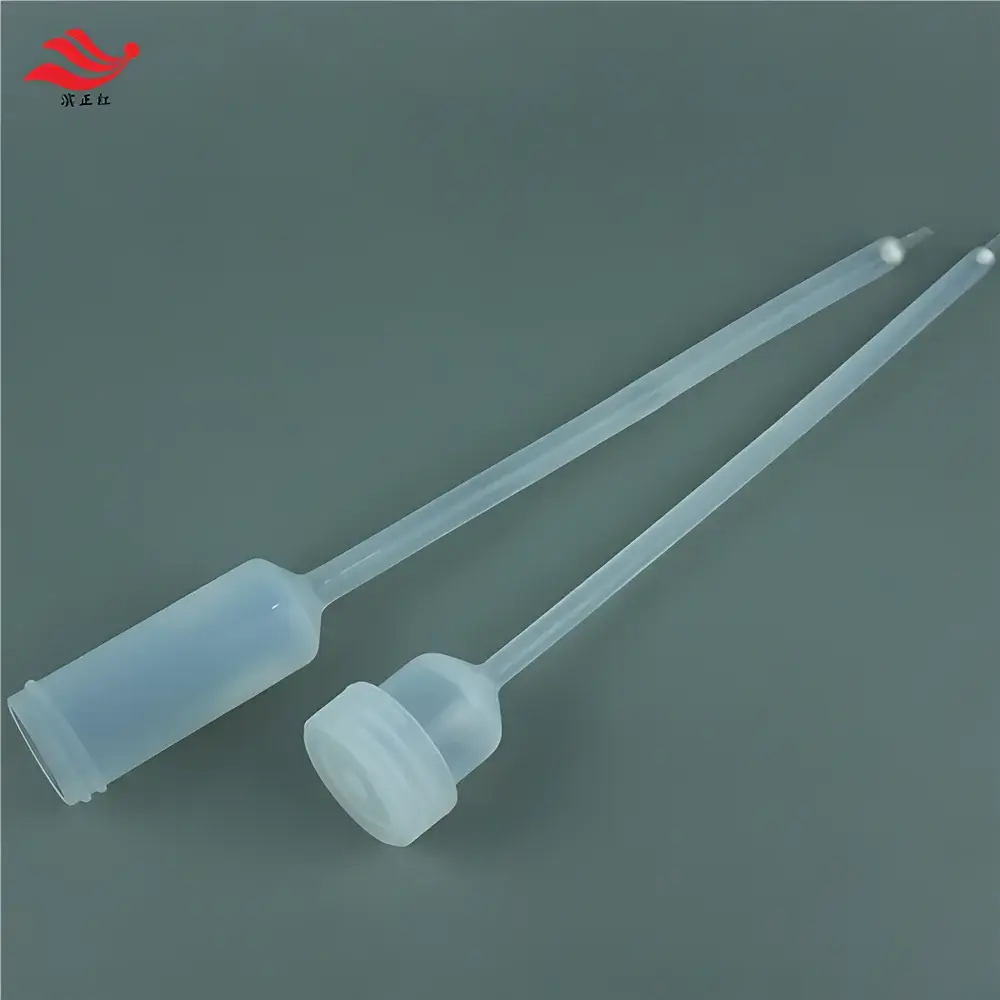
- Visual Monitoring Capability: High-clarity PFA tubing enables real-time observation of elution bands during colorimetric or UV-active separations—critical for method development and fraction collection timing.
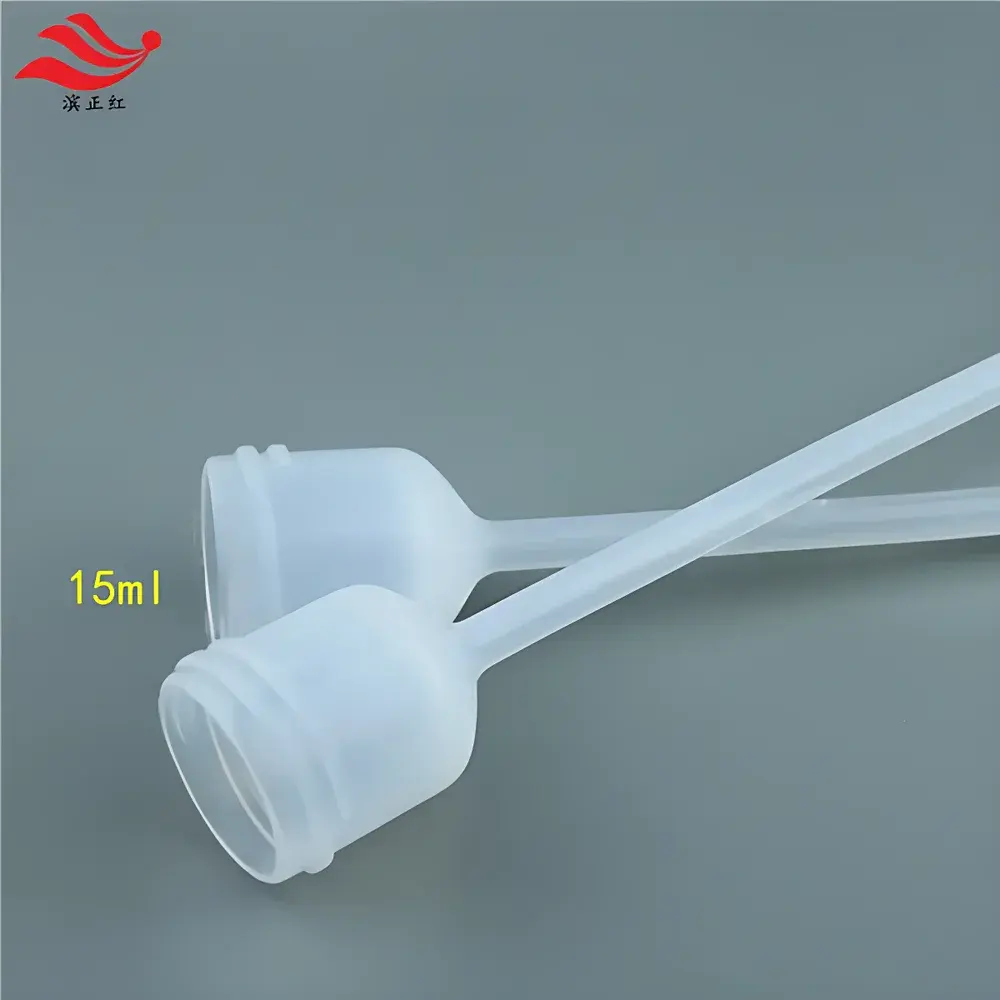
- Threaded Cap Compatibility: Standardized female-threaded top port accepts reusable PTFE-lined screw caps or custom septa, preserving sample integrity during storage, offline equilibration, or inert-atmosphere handling.
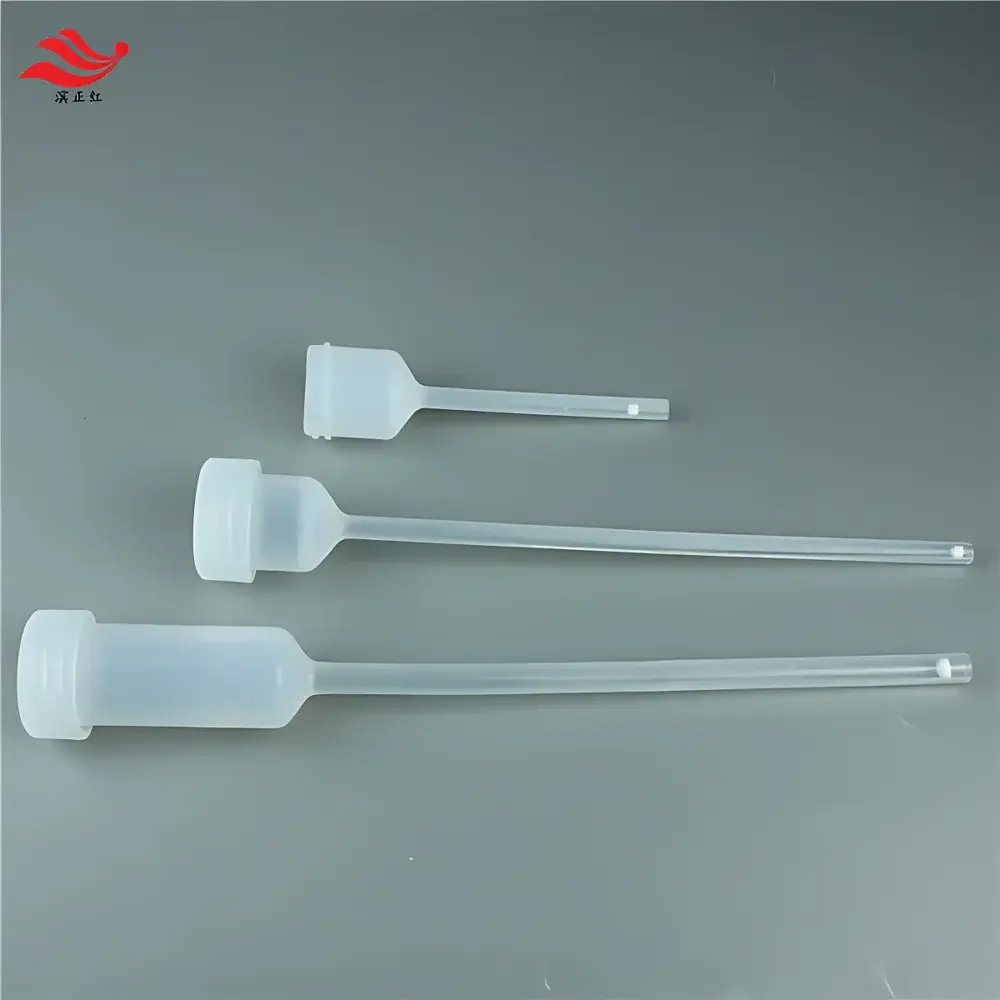
- Scalable & Customizable Geometry: Standard volumes include 15 mL and 30 mL configurations (max. column length: 195 mm); bespoke designs (e.g., 3 mL, 7 mL, 50 mL) are available with tailored inner diameters (1.8–10 mm), bed heights, and frit placements to match resin swelling behavior and flow-rate requirements.
Sample Compatibility & Compliance
These columns are validated for use with common ion exchange resins—including AG® series (Bio-Rad), DOWEX™ (Dow), and custom chelating resins (e.g., Nobias Chelate-PA1)—across aqueous and mixed-solvent mobile phases. Their low-metal background (<0.1 pg/mL for Fe, Ni, Cr, Zn) meets stringent requirements for isotopic ratio mass spectrometry (TIMS, MC-ICP-MS) and nuclear forensics sample preparation. While not certified to ISO/IEC 17025 or ASTM D511/D512, the columns support GLP-compliant workflows when integrated into validated laboratory procedures. Resin packing and column conditioning protocols must follow manufacturer guidelines to maintain column efficiency and reproducibility across batches.
Software & Data Management
As a passive hardware component, the column does not incorporate embedded electronics or firmware. However, it is fully compatible with standard chromatography data systems (CDS) such as Thermo Chromeleon, Agilent OpenLab CDS, and Waters Empower when used in conjunction with HPLC or gravity-fed manual systems. All physical parameters (volume, ID, bed height, frit porosity) are documented in the accompanying Certificate of Conformance and can be imported into LIMS or electronic lab notebooks (ELN) for audit-ready traceability. For regulated environments, users may implement Part 11–compliant metadata tagging (e.g., lot number, sterilization status, usage cycle count) via their existing CDS or ELN platform.
Applications
- Purification of radiogenic isotopes (e.g., Sr, Nd, Hf, Pb) from geological and environmental matrices prior to TIMS or MC-ICP-MS analysis
- Removal of transition metal interferences (e.g., Fe, Cu, Zn) in ultrapure water production and semiconductor-grade reagent manufacturing
- Separation of lanthanides and actinides in nuclear fuel cycle analytics and spent fuel characterization
- Pre-concentration and matrix removal for EPA Method 200.8 and ISO 17294-2 compliant trace metal testing in wastewater and soil extracts
- Small-scale method scouting for cation/anion exchange resin screening in pharmaceutical excipient purity assessment
FAQ
Can these columns be autoclaved?
Yes—PFA withstands repeated steam sterilization at 121 °C for 20 minutes; however, resin integrity must be verified separately, as most functionalized resins degrade above 80 °C.
What is the maximum operating pressure?
Designed for gravity feed and low-pressure HPLC (<5 bar); not rated for UHPLC or high-flow pumping systems.
Do you supply pre-packed columns?
No—these are empty columns intended for user-packed resins to ensure optimal bed homogeneity and application-specific optimization.
How should I clean and regenerate the column after use?
Rinse sequentially with ≥5 column volumes of deionized water, followed by 0.5 M HNO₃ (for cation exchange) or 0.5 M NaOH (for anion exchange), then re-equilibrate with starting mobile phase.
Is there batch-to-batch consistency documentation?
Each shipment includes a CoC listing raw material lot numbers, molding date, dimensional verification data, and visual inspection results per internal QA protocol QI-CHROM-003.



