
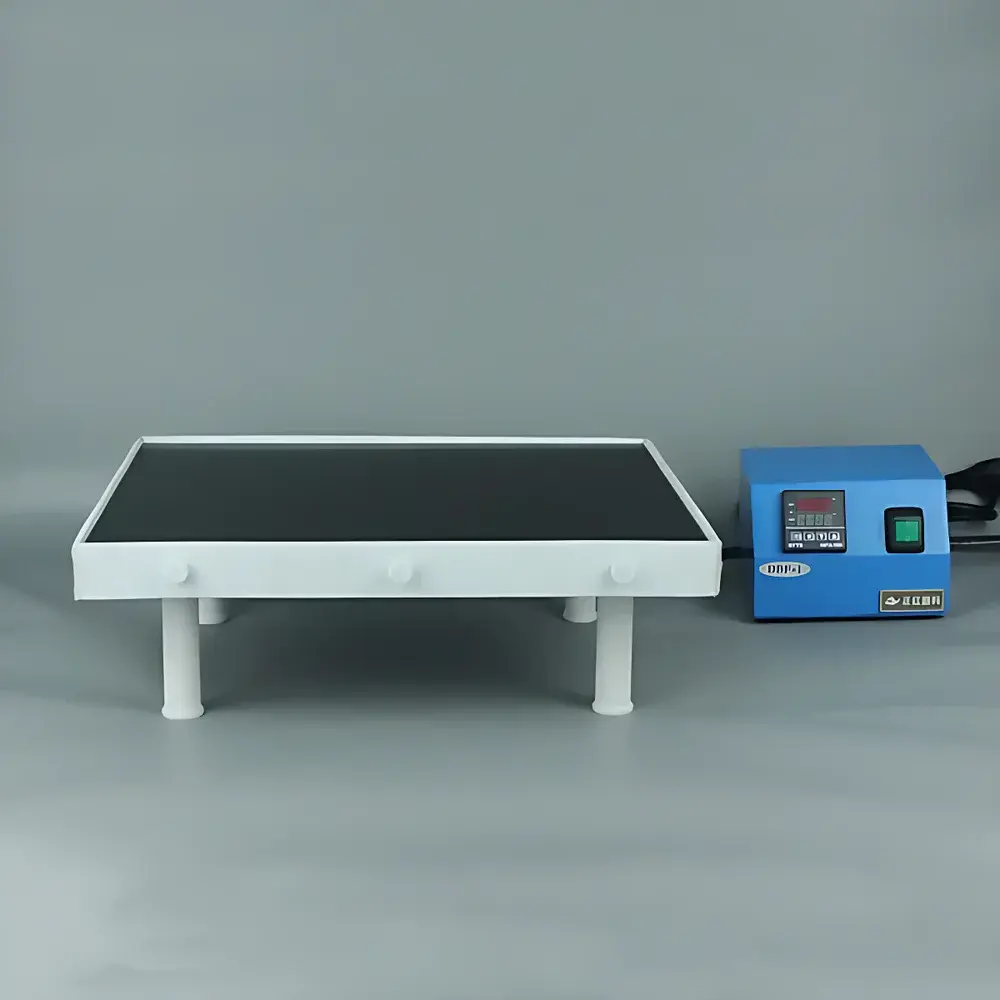
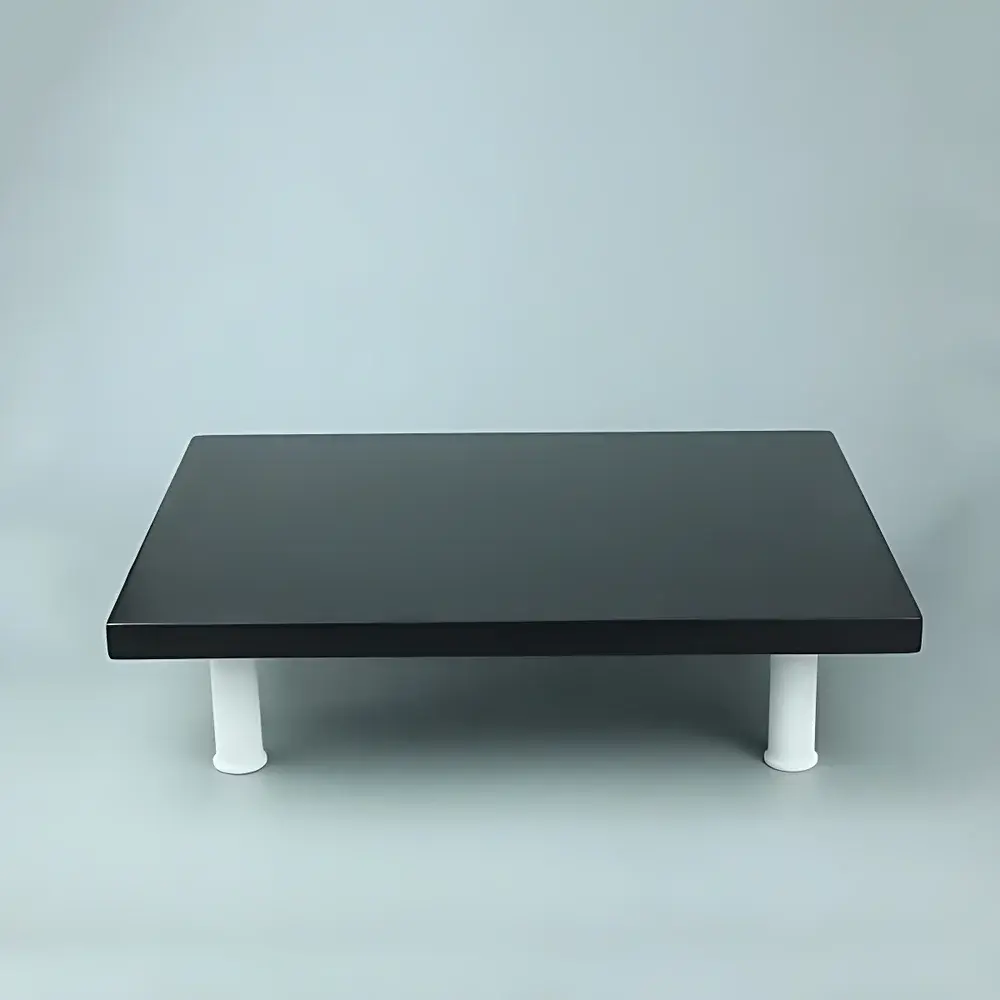
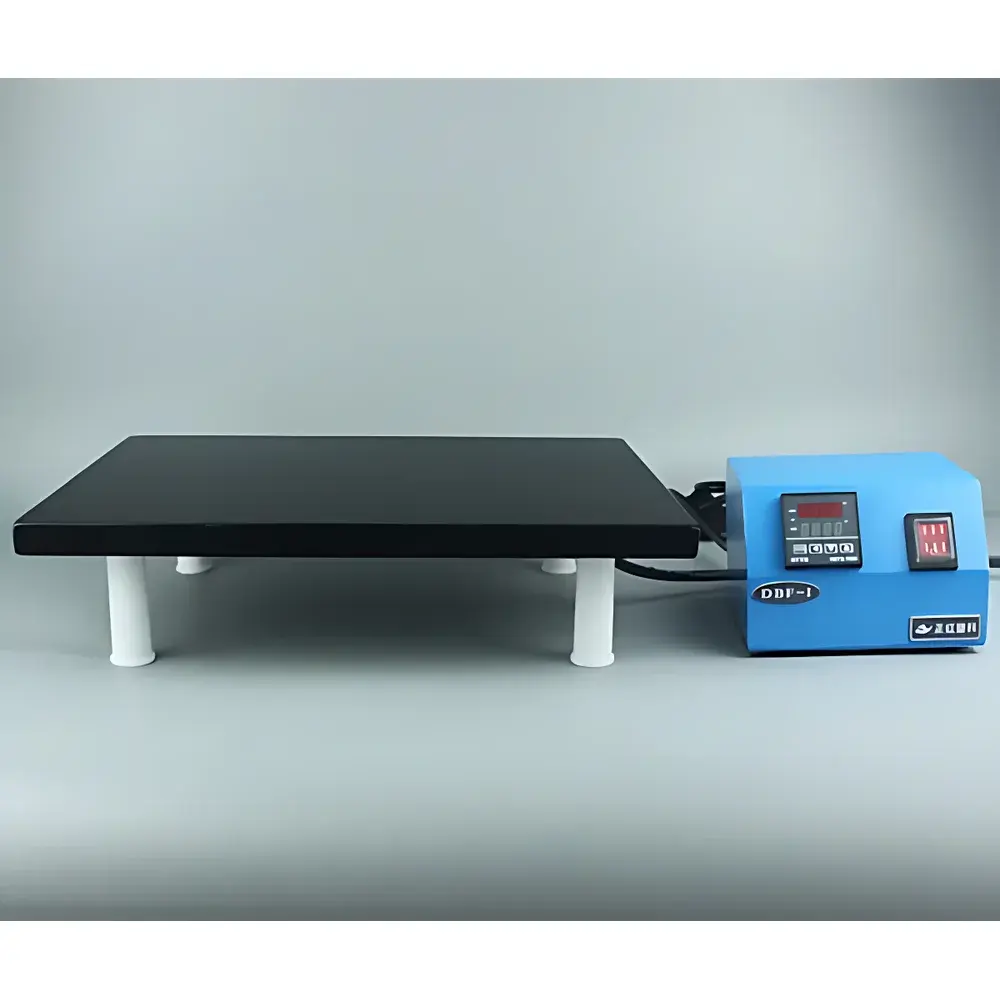
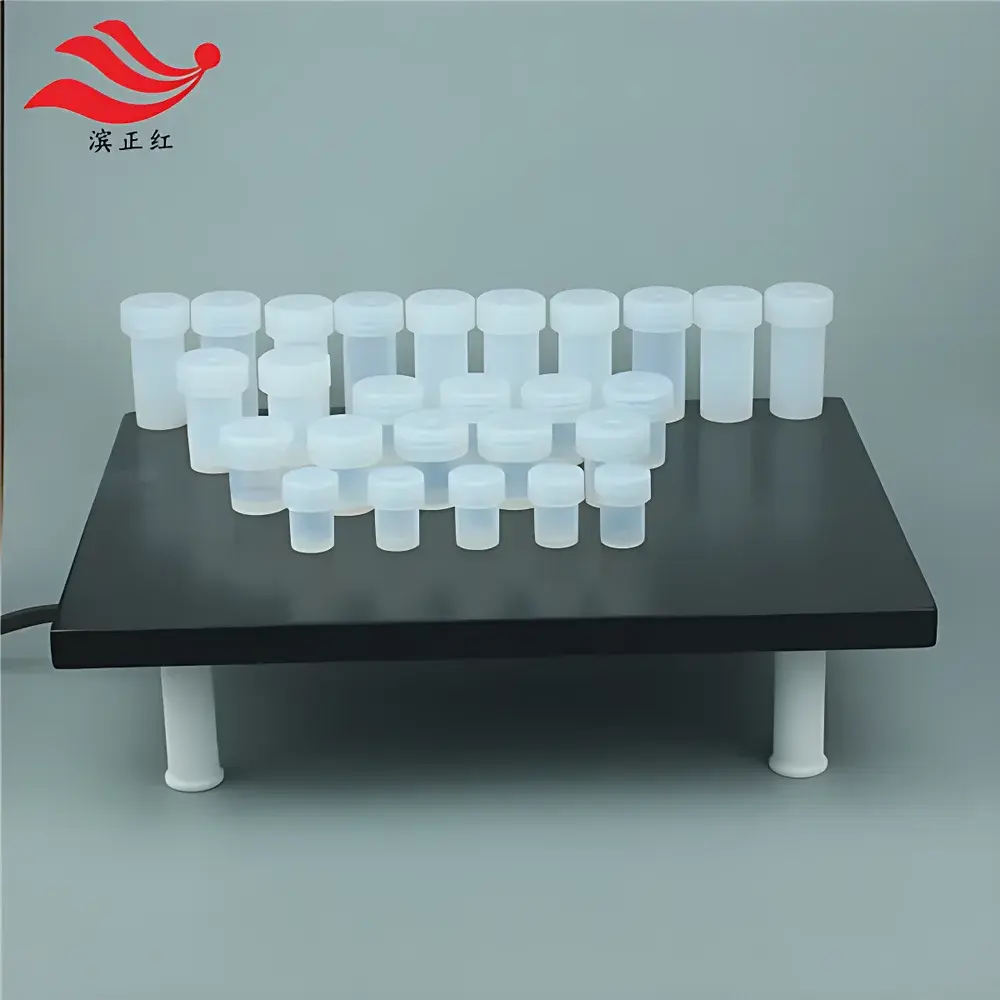
Binzhenghong DBF Series PTFE-Coated Corrosion-Resistant Electric Heating Plate for Sample Digestion
| Brand | Binzhenghong |
|---|---|
| Origin | Jiangsu, China |
| Manufacturer Type | Direct Manufacturer |
| Product Category | Domestic |
| Model | DBF (Customizable) |
| Heating Power | Rapid Temperature Ramp-up |
| Max Operating Temperature | 260 °C |
| Temperature Uniformity | ±1 °C across 200–260 °C range |
| Heating Surface Dimensions | 600×400 mm or 400×300 mm |
| Heating Zone Dimensions | 600×400 mm or 400×300 mm |
| Display | PID Digital Controller |
| Control Accuracy | ±1 °C |
| Continuous Operation | Up to 48 h |
| Power Rating | 2 kW / 3 kW |
| Input Voltage/Frequency | 220 V / 50 Hz |
| Construction | Aluminum or Graphite Base with PTFE Coating |
| Foot Design | PTFE-Footed, Detachable Controller with Aviation Connector |
| Cabling | Standard 1.5 m power + signal cables (PFA-sheathed), customizable to 2.5/3 m |
Overview
The Binzhenghong DBF Series PTFE-Coated Corrosion-Resistant Electric Heating Plate is an engineered solution for controlled thermal sample preparation in aggressive chemical environments. Designed specifically for digestion, evaporation, and concentration workflows in analytical laboratories, it employs resistive heating combined with precision PID temperature regulation to deliver stable, uniform thermal energy across large-area heating zones. Unlike conventional stainless-steel or bare aluminum hotplates, the DBF series integrates a full-surface PTFE (polytetrafluoroethylene) coating on both the heating plate and all exposed structural components—including feet, brackets, and housing—ensuring compatibility with hydrofluoric acid (HF), aqua regia, concentrated HNO₃, HClO₄, and other highly corrosive reagents commonly used in EPA Method 3050B, ASTM D5177, and ISO 11466 sample digestion protocols. Its modular, split-body architecture separates the heat source from the control electronics, enabling safe placement of the controller outside fume hoods—a critical requirement for GLP-compliant labs handling volatile or corrosive vapors.
Key Features
- Corrosion-resistant construction: All external surfaces—including base plate, support columns, and housing—feature high-adhesion, high-temperature PTFE coating (rated to 260 °C), eliminating metallic exposure and preventing reagent-induced degradation.
- Two substrate options: Precision-cast aluminum (NJ-DBF-I/II) for rapid thermal response, or high-density graphite (NJ-DBF(SM)-I/II) for superior thermal stability and reduced thermal gradient across the surface.
- PID digital temperature controller with ±1 °C accuracy over the full 20–260 °C operating range; real-time display and adjustable ramp/soak profiles.
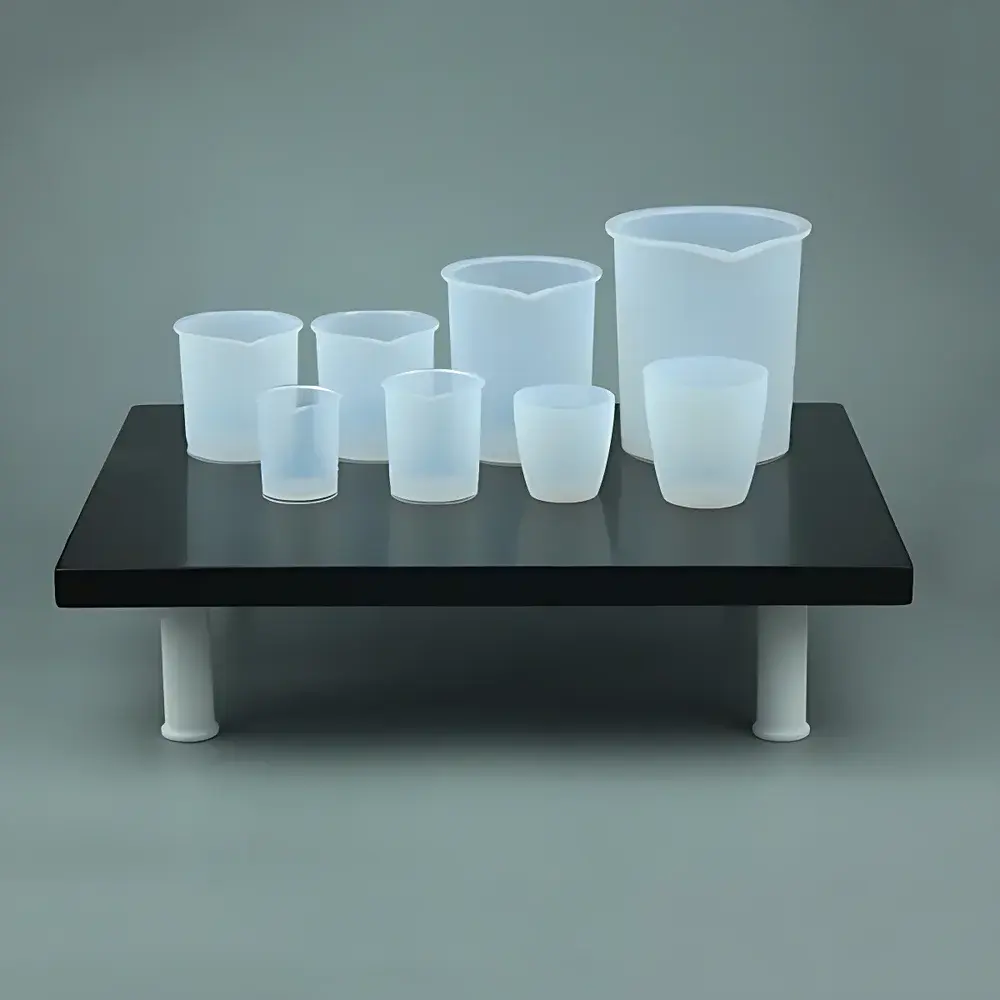
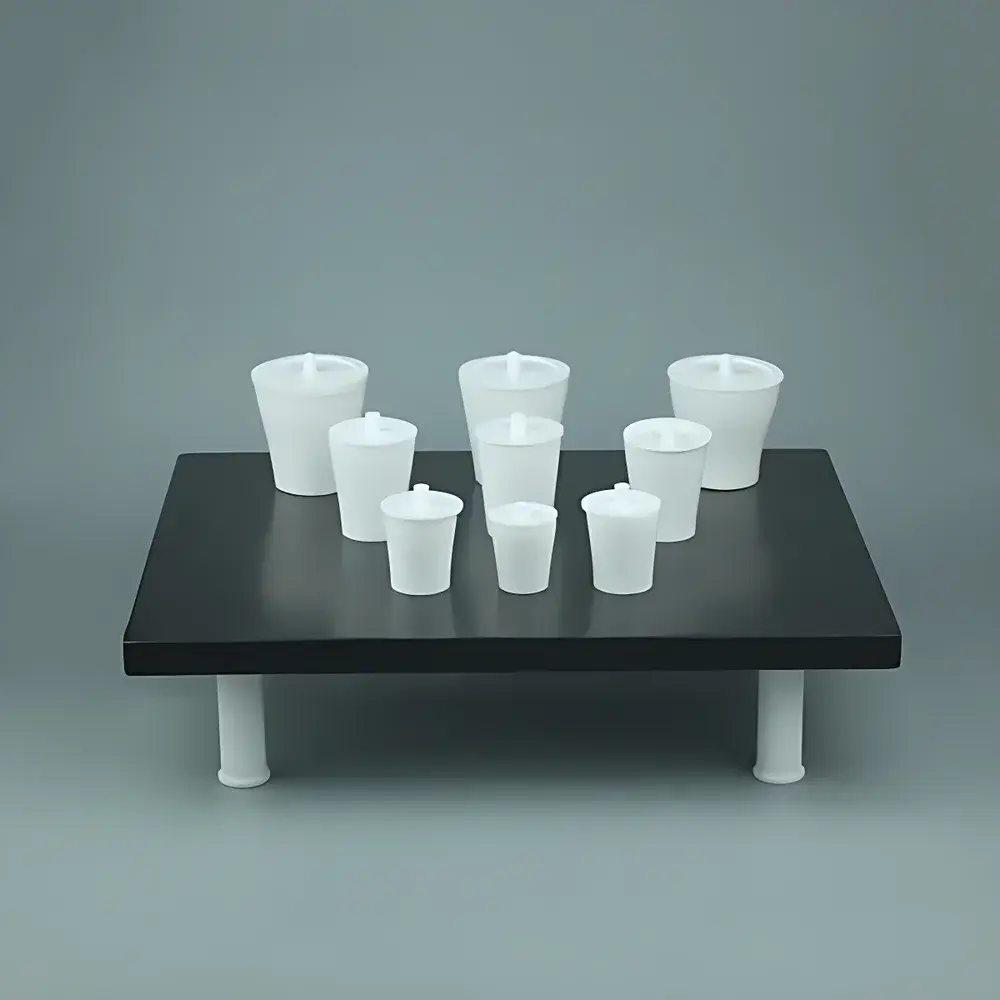
- Large-format heating zones: Standard configurations include 600×400 mm and 400×300 mm active areas, supporting simultaneous processing of multiple digestion vessels (e.g., Teflon® PFA or quartz beakers, borosilicate flasks).
- Detachable control unit connected via IP65-rated aviation connector; PFA-insulated signal and power cables (standard 1.5 m, extendable to 3 m) ensure integrity in humid or chemically saturated environments.
- Non-metallic mechanical design: PTFE column feet, PFA-sheathed cabling, and fully isolated electrical pathways eliminate metal ion leaching—essential for trace-metal analysis (e.g., ICP-MS, AAS) requiring sub-ppt contamination control.
Sample Compatibility & Compliance
The DBF heating plate supports standard digestion vessels made from PFA, quartz, borosilicate glass, and high-purity polypropylene. Its uniform thermal profile (≤±1.5 °C deviation across zone at 200 °C) ensures reproducible digestion kinetics and minimizes risk of localized overheating or bumping. The device complies with general safety requirements per IEC 61010-1 for laboratory electrical equipment and meets material compatibility benchmarks outlined in USP , EPA SW-846 Method 3050B, and ISO/IEC 17025-accredited digestion SOPs. While not inherently 21 CFR Part 11 compliant, its PID controller supports audit-trail-ready data logging when integrated with validated third-party software platforms—enabling full traceability for GMP/GLP-regulated QC/QA applications.
Software & Data Management
The DBF series operates via standalone PID controller with front-panel keypad navigation and dual LED display (setpoint/actual temperature). For advanced integration, optional RS485 Modbus RTU output enables connection to SCADA systems, LIMS, or custom LabVIEW-based monitoring suites. Logged temperature data (timestamped, with user-defined interval) can be exported via USB or serial interface for compliance documentation. Firmware supports configurable alarm thresholds (over-temperature, sensor fault), automatic shutdown after 48 h continuous operation, and password-protected parameter modification—supporting multi-user lab environments with role-based access control.
Applications
- Acid digestion of environmental samples (soils, sediments, sludges) per EPA 3050B and 3052 methods.
- Pre-concentration of aqueous extracts prior to ICP-OES or ICP-MS analysis.
- Controlled evaporation of organic solvents in residue analysis (e.g., pesticide screening per AOAC 2007.01).
- Heating of reaction mixtures in synthetic chemistry where metal-free conditions are mandatory.
- Pre-heating and conditioning of filtration membranes and extraction cartridges in method development.
- Supporting multi-vessel digestion blocks (e.g., 2×2 or 4×1 configurations) using optional PTFE-coated multi-hole stands.
FAQ
Is the DBF heating plate suitable for HF-based digestions?
Yes—the entire heating surface and all structural components are coated with high-purity PTFE rated for continuous use up to 260 °C, providing full resistance to hydrofluoric acid and other fluorinated reagents.
Can the controller be mounted outside a fume hood?
Yes—its split-body design and aviation connector allow the control unit to be installed remotely, protecting electronics from corrosive vapors while maintaining full operational functionality.
What is the maximum recommended continuous duty cycle?
The unit is rated for uninterrupted operation up to 48 hours at any setpoint within the 20–260 °C range, provided ambient temperature remains below 35 °C and ventilation is adequate.
Are custom dimensions or power ratings available?
Yes—Binzhenghong offers OEM customization including non-standard heating zone sizes (e.g., 450×350 mm), dual-zone independent control, and power upgrades to 4 kW upon request.
Does the system include validation documentation?
Factory calibration certificates (traceable to NIST standards) and IQ/OQ templates are available as optional add-ons for regulated laboratories requiring documented system qualification.
Related Products



