
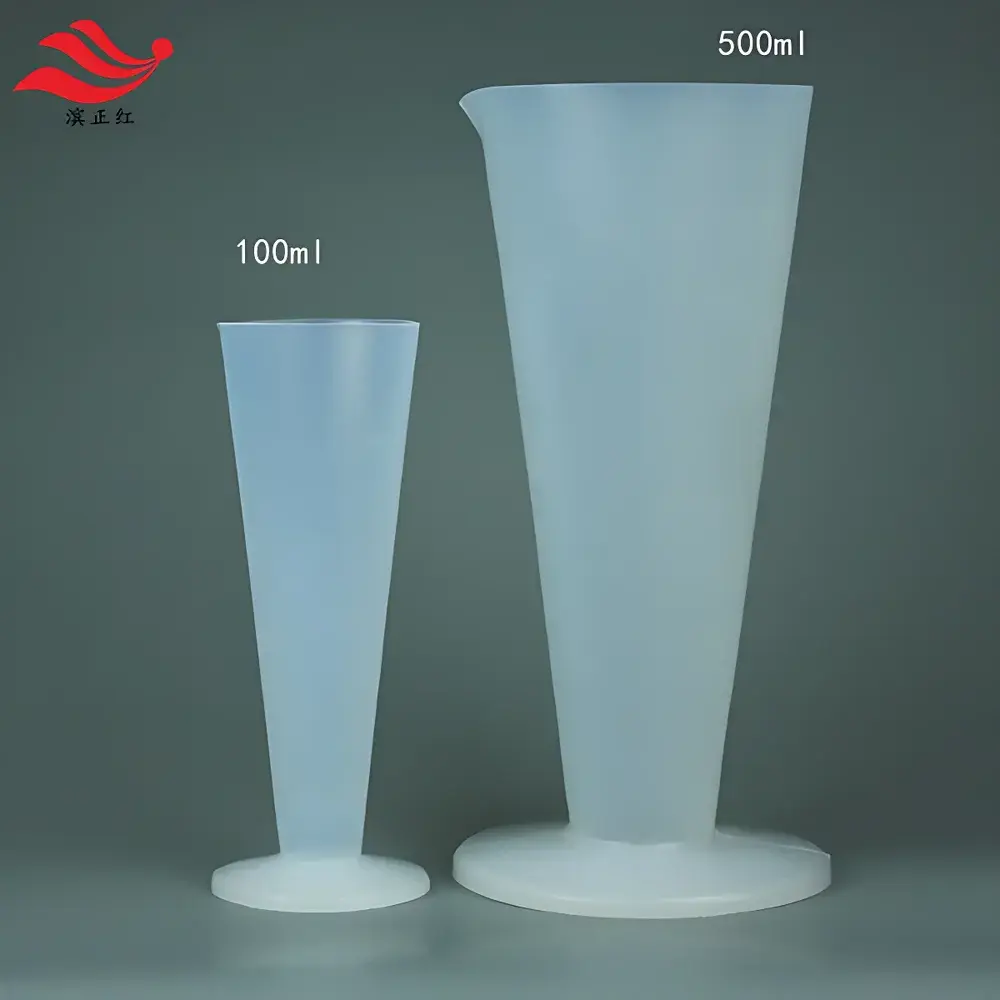
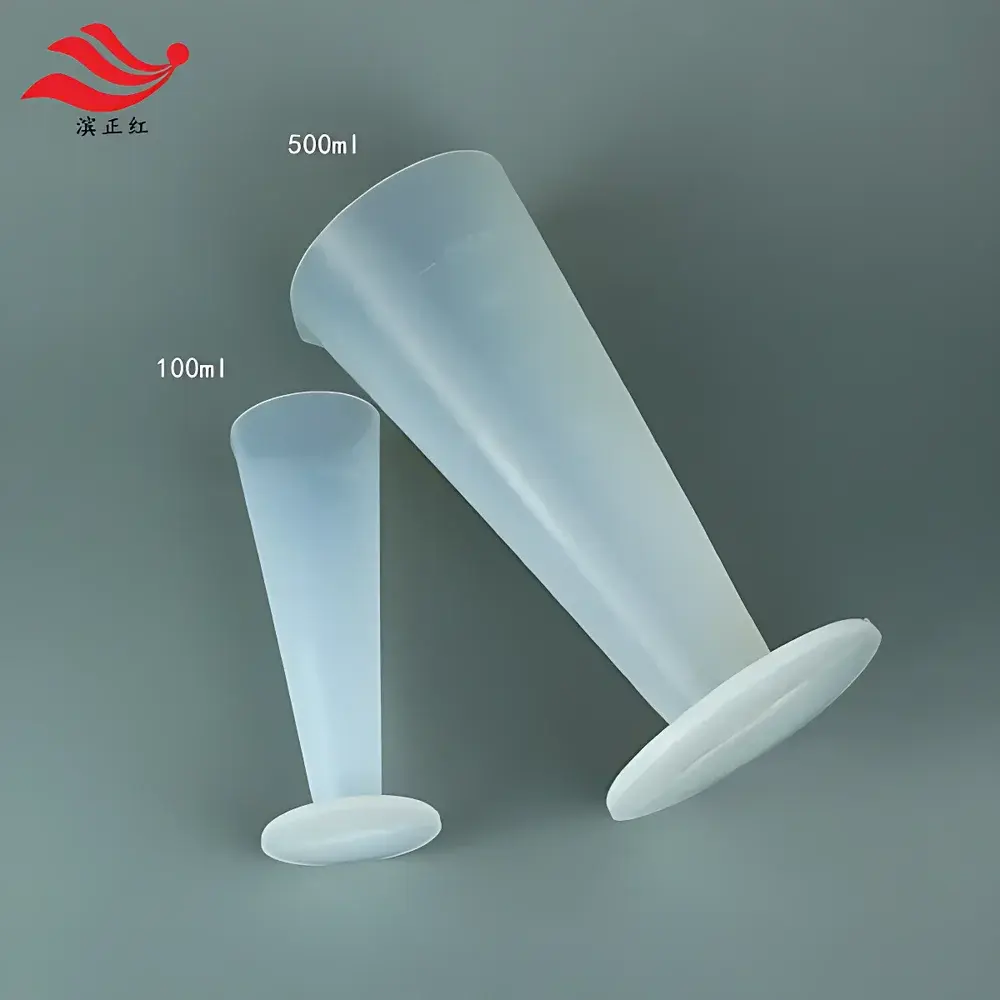
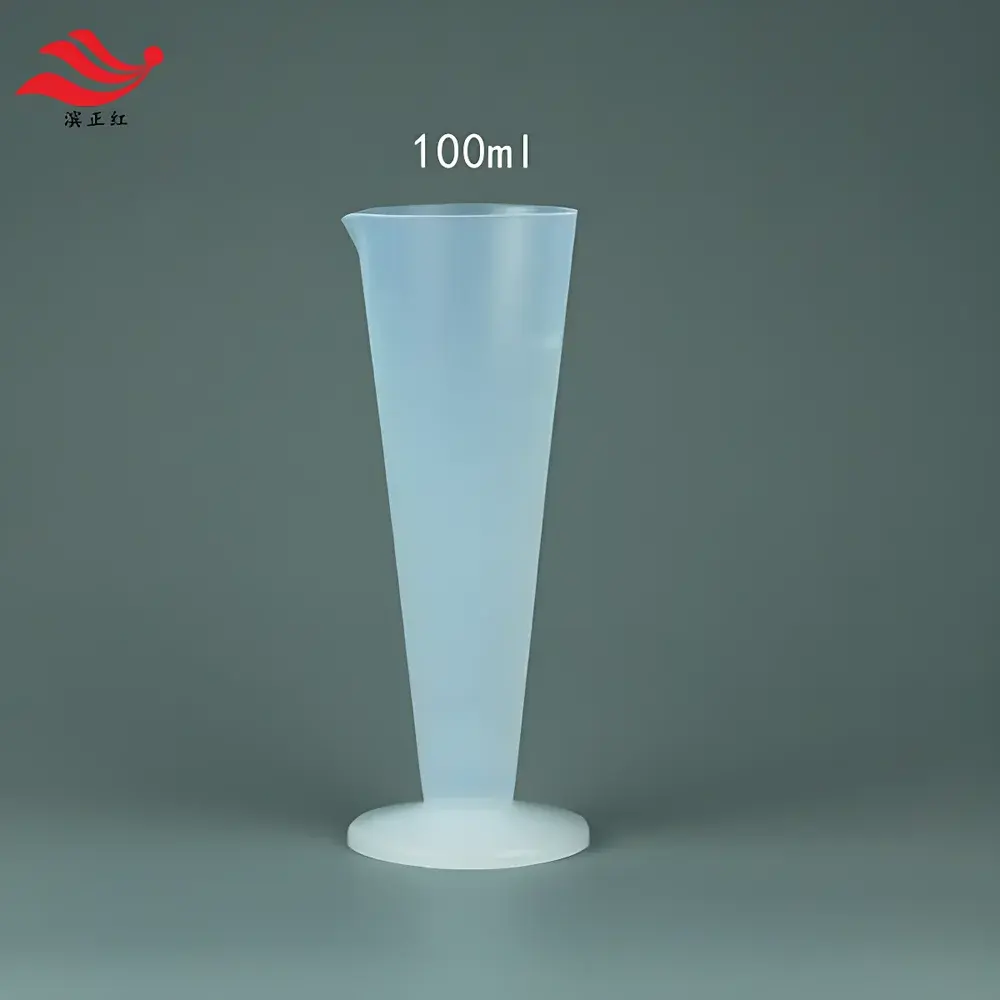
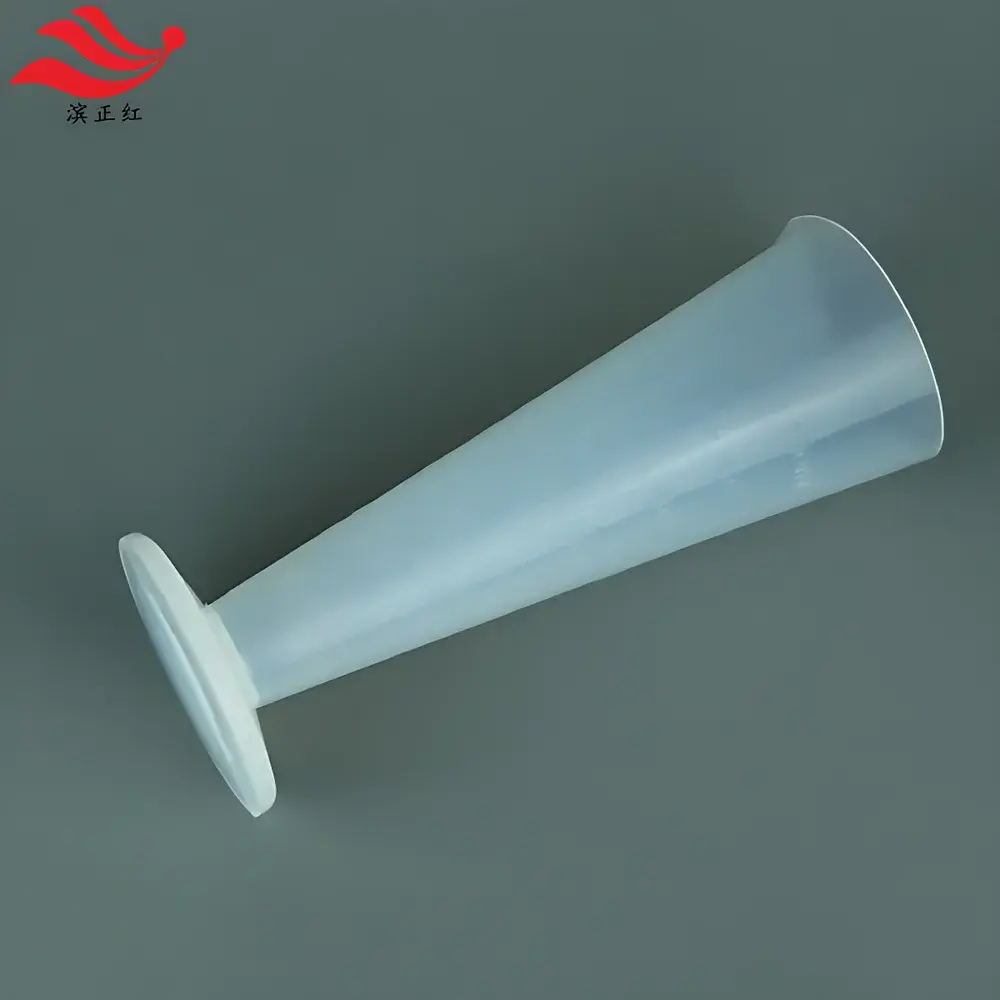
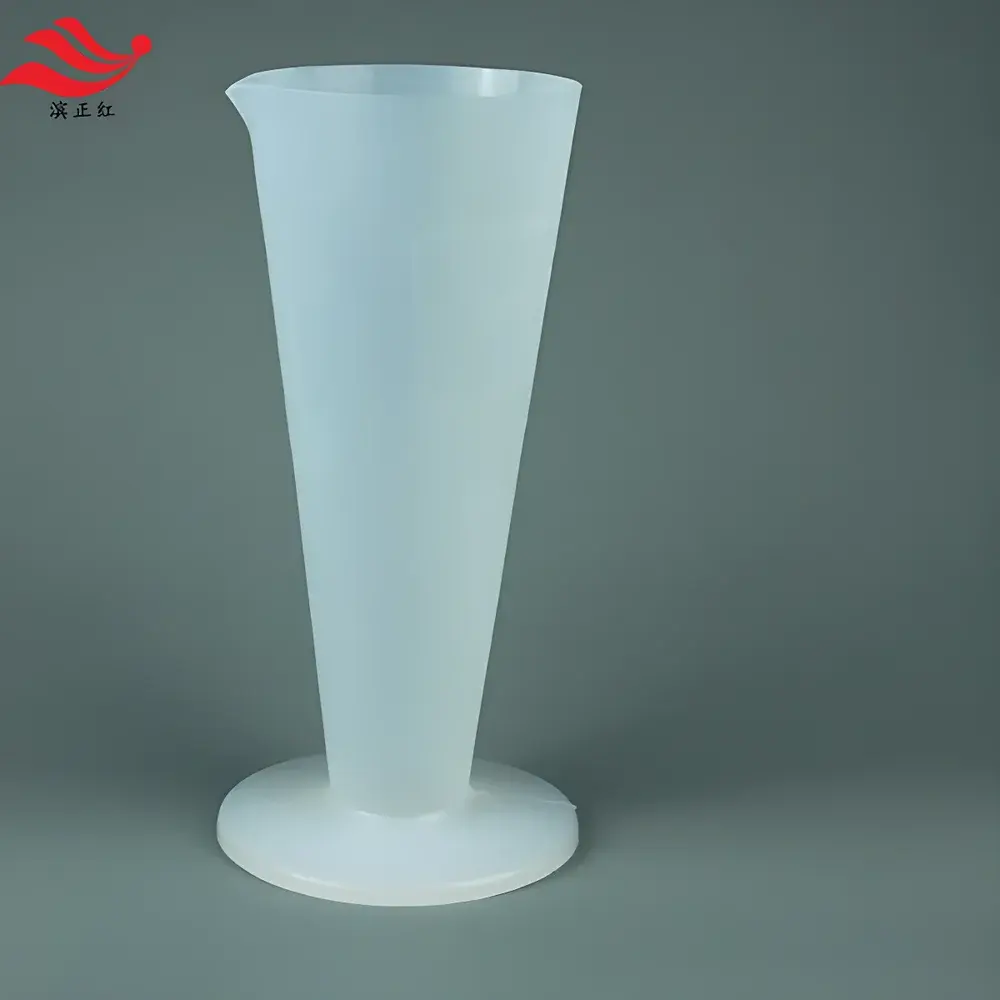
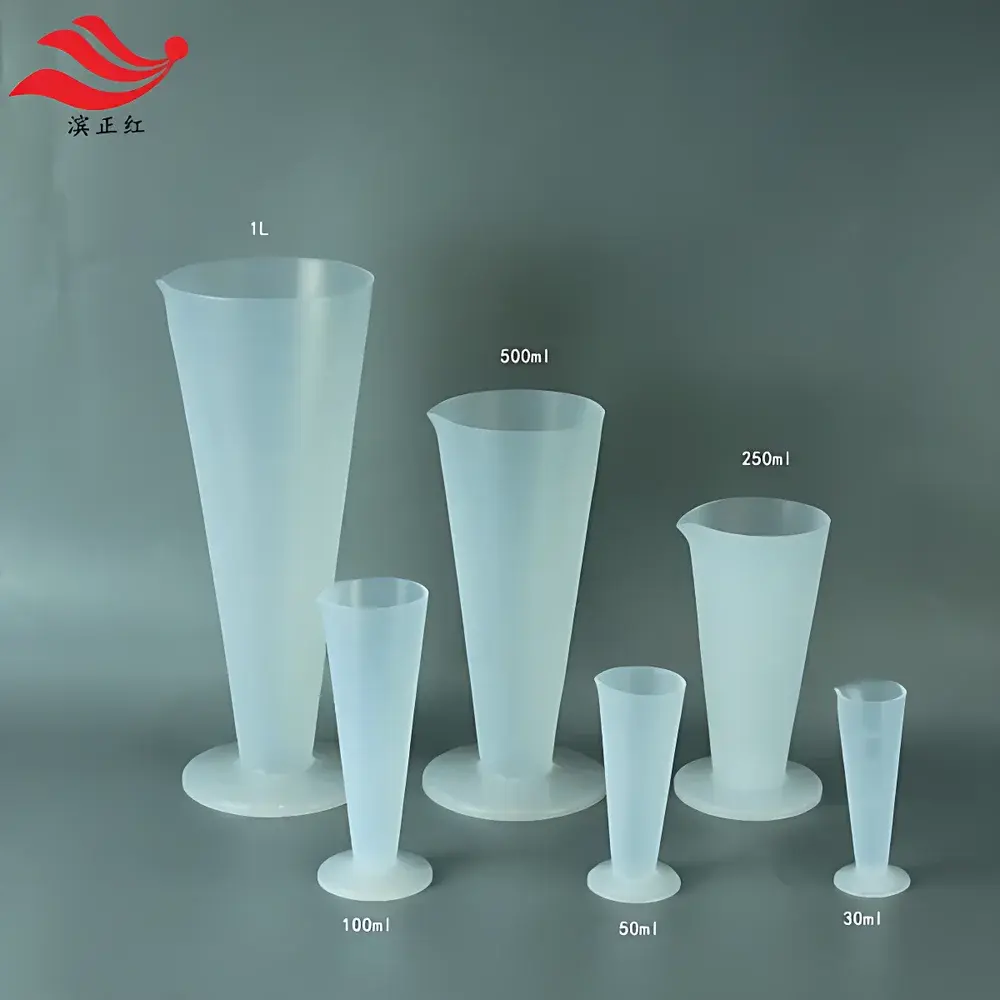
PFA Graduated Beakers – Binzhenghong Precision Labware (5 mL to 2 L)
| Brand | Binzhenghong |
|---|---|
| Origin | Jiangsu, China |
| Manufacturer Type | Direct Producer |
| Capacity Range | 5 mL, 10 mL, 25 mL, 30 mL, 50 mL, 100 mL, 200 mL, 250 mL, 500 mL, 1 L, 2 L |
| Material | Perfluoroalkoxy alkane (PFA) |
| Temperature Resistance | −200 °C to +260 °C |
| Transparency | Semi-transparent |
| Surface Finish | Chemically inert, low-metal leaching |
| Compliance | Suitable for trace metal analysis per ASTM D5687, ISO/IEC 17025-accredited lab environments |
Overview
PFA graduated beakers from Binzhenghong are high-purity, chemically inert laboratory vessels engineered for ultra-trace analytical applications where contamination control and thermal stability are critical. Constructed from perfluoroalkoxy alkane (PFA), a melt-processable fluoropolymer with molecular structure closely resembling polytetrafluoroethylene (PTFE), these beakers combine the exceptional chemical resistance and thermal robustness of fluoropolymers with enhanced clarity and dimensional stability during molding. Unlike standard glass or polypropylene containers, PFA exhibits near-zero extractables and ultra-low background levels of metallic impurities—typically <10 pg/mL for elements such as Al, Cr, Fe, Ni, Cu, Zn, and Pb when tested by ICP-MS under cleanroom handling conditions. This makes them suitable for sample preparation, standard dilution, reagent storage, and intermediate transfer in isotopic ratio analysis (e.g., MC-ICP-MS), environmental monitoring (EPA Method 200.8), pharmaceutical elemental impurity testing (ICH Q3D), and semiconductor-grade chemical handling.
Key Features
- Ultra-Low Elemental Background: Manufactured in Class 100 cleanrooms with rigorous acid-washed post-processing; certified for ≤5 pg/mL total metals (as measured by quadrupole ICP-MS against NIST SRM 3100 series).
- Wide Thermal Operating Range: Maintains structural integrity and dimensional stability from cryogenic temperatures (−200 °C) up to continuous use at 260 °C—enabling direct heating on hot plates or compatibility with freeze-drying and autoclave cycles (validated per ISO 17665).
- Optical Clarity & Precision Graduation: Semi-transparent PFA allows visual monitoring of liquid meniscus without compromising UV-VIS transparency (≥90% transmittance at 200–800 nm); laser-etched volume markings conform to ISO 4787 accuracy class B tolerances (±0.5% for 50–500 mL; ±1.0% for 1–2 L).
- Dielectric Stability: Exhibits frequency- and temperature-independent dielectric constant (~2.1) and dissipation factor (<0.0002 at 1 MHz), supporting electrochemical and capacitance-based sensor integration in custom analytical setups.
- Non-Stick Surface & Low Adsorption: Surface energy <18 mN/m minimizes analyte adhesion—critical for recovery-sensitive species including organometallics, halogenated compounds, and low-concentration nucleic acid solutions.
Sample Compatibility & Compliance
These PFA beakers are validated for use with aggressive reagents including concentrated HF (up to 49%), aqua regia, hot nitric acid (≤70%), and hydrogen peroxide (≥30%). They comply with material requirements outlined in USP for plastic components in pharmaceutical manufacturing, and meet the extractables profile specified in ASTM D5687-22 for polymer containers used in trace metal analysis. Batch-specific Certificates of Analysis (CoA) include ICP-MS trace element screening data, residual monomer content (≤1 ppm), and thermal gravimetric analysis (TGA) onset degradation temperature (>400 °C). All units undergo 100% visual inspection for microcracks, particulate inclusion, and graduation legibility prior to packaging in double-bagged, nitrogen-purged LDPE pouches.
Software & Data Management
While inherently passive labware, Binzhenghong provides digital traceability support via QR-coded batch labels affixed to each package. Scanning links to an encrypted cloud portal containing full CoA documentation, raw ICP-MS chromatograms, TGA thermograms, and ISO/IEC 17025-accredited calibration records. Integration with LIMS platforms (e.g., LabWare, Thermo Fisher SampleManager) is supported through standardized CSV and PDF export formats. For GLP/GMP-regulated workflows, audit trails—including operator ID, timestamp, and revision history—are maintained for all released documentation per FDA 21 CFR Part 11 requirements.
Applications
- Preparation and storage of calibration standards for ICP-OES, ICP-MS, and GF-AAS
- Acid digestion vessels for geological, biological, and food matrices prior to trace metal quantification
- Intermediate transfer containers in cleanroom-based semiconductor wafer processing lines
- Reagent reservoirs in automated liquid handling systems requiring non-reactive wetted surfaces
- Long-term archival of isotopically enriched reference materials (e.g., NIST SRM 997, ERM-AE110)
- Cell culture media preparation where endotoxin-free, metal-free surfaces are mandated (ISO 13485)
FAQ
Are these beakers certified for USP compliance?
Yes—each production lot undergoes full USP testing for residual solvents, heavy metals, and non-volatile residue, with results documented in the Certificate of Conformance.
Can they be sterilized using gamma irradiation?
No—PFA is susceptible to chain scission under ionizing radiation; autoclaving (121 °C, 20 min) or dry heat (180 °C, 2 h) is recommended for sterility assurance.
What is the maximum recommended fill level for accurate volumetric reading?
For optimal meniscus visibility and measurement repeatability, maintain liquid level between 30% and 80% of nominal capacity, as validated per ISO 4787 Annex C.
Do you offer custom graduation scales or volume markings?
Yes—custom laser-etched scales (e.g., dual metric/imperial, logarithmic concentration gradients) are available upon request with minimum order quantity of 500 units per configuration.
How should PFA beakers be cleaned between uses?
Rinse sequentially with 18.2 MΩ·cm deionized water, followed by sub-boiling HNO₃ (1:1 v/v), then air-dry in Class 10 laminar flow hoods; avoid abrasive scrubbing or ultrasonic cleaning in organic solvents.



