
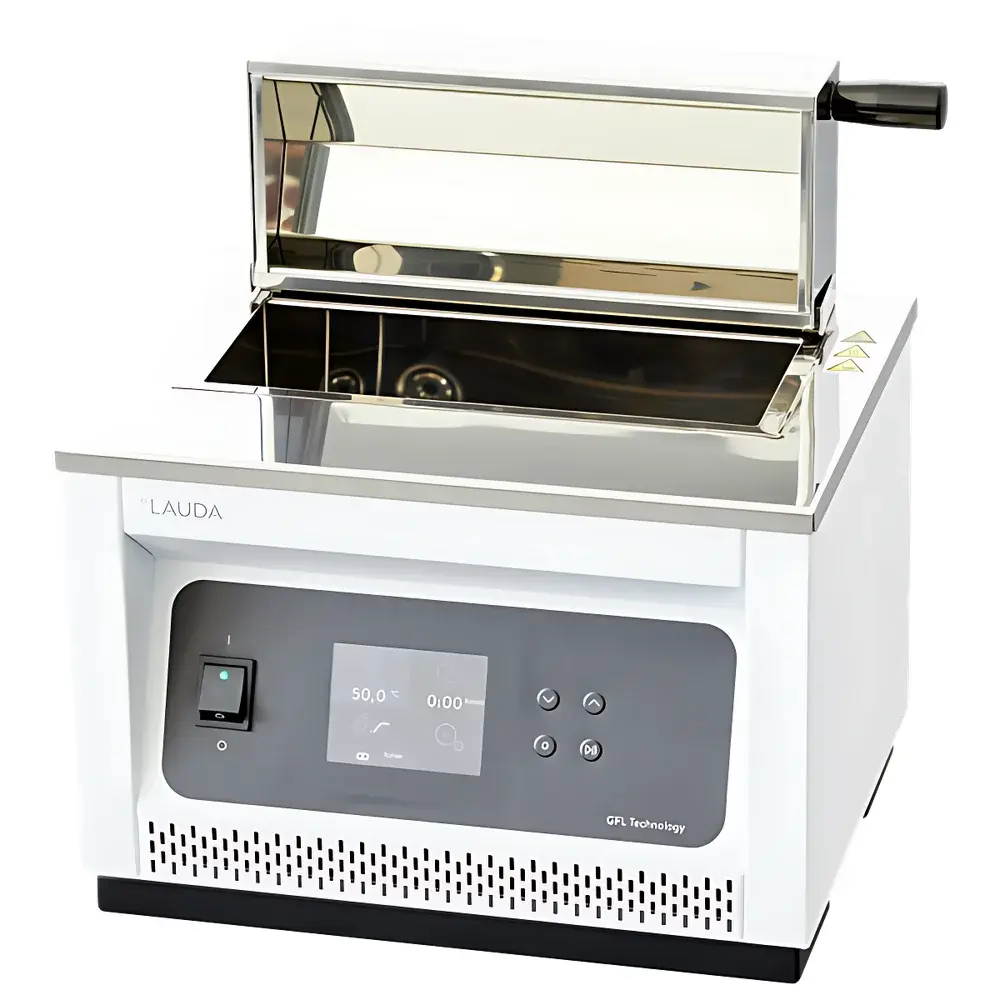
LAUDA Hydro H 4 General-Purpose Circulating Water Bath, 25–100 °C with ±0.1 °C Temperature Stability
| Brand | LAUDA |
|---|---|
| Origin | Germany |
| Model | H 4 |
| Temperature Range | 25–100 °C |
| Temperature Stability | ±0.1 °C |
| Bath Volume | 3.5 L |
| Heating Power | 0.5 kW |
| Dimensions (W×D×H) | 340×290×275 mm |
| Bath Opening (W×L) | 100×245 mm |
| Usable Depth | 115 mm |
| Weight | 7 kg |
| Power Supply | 230 V, 50/60 Hz |
Overview
The LAUDA Hydro H 4 is a precision-engineered general-purpose circulating water bath designed for reliable, uniform thermal control in life science, clinical, and analytical laboratories. Operating within a stable temperature range of 25–100 °C, it employs direct-bottom heating beneath the stainless-steel perforated support plate—ensuring rapid thermal equilibration and minimal vertical or radial temperature gradients (<±0.1 °C at setpoint). Unlike passive immersion baths, the H 4 integrates a low-noise, corrosion-resistant circulation pump (standard on all Hydro models with circulation capability) that maintains homogeneous fluid dynamics across the entire 3.5 L working volume. Its construction follows stringent European manufacturing standards: a fully welded AISI 304 stainless-steel bath chamber, electrogalvanized and powder-coated steel housing, and IP20-rated electrical compartment. The system complies with IEC 61010-1 for laboratory equipment safety and meets essential requirements under the EU Machinery Directive 2006/42/EC.
Key Features
- High-contrast 3.5-inch TFT touchscreen interface with intuitive menu navigation and 0.1 °C resolution for setpoint adjustment
- Dual-layer insulated stainless-steel bath cover with internal concave geometry—designed to redirect condensate back into the bath, eliminating droplet contamination of samples and minimizing heat loss
- Integrated safety architecture: independent overtemperature cutoff (mechanical + electronic), dry-run protection via level sensor, and audible/visual alarm activation upon fault detection
- Three programmable timer modes: delay start, hold time after reaching setpoint, and total runtime—configurable in minutes or hours for unattended overnight operation
- Drain valve positioned at the lowest point of the bath chamber for complete, residue-free emptying; includes standard perforated stainless-steel tray and cover
- Energy-optimized 500 W heating element with adaptive power modulation—reducing overshoot during ramp-up while maintaining stability under variable load conditions
Sample Compatibility & Compliance
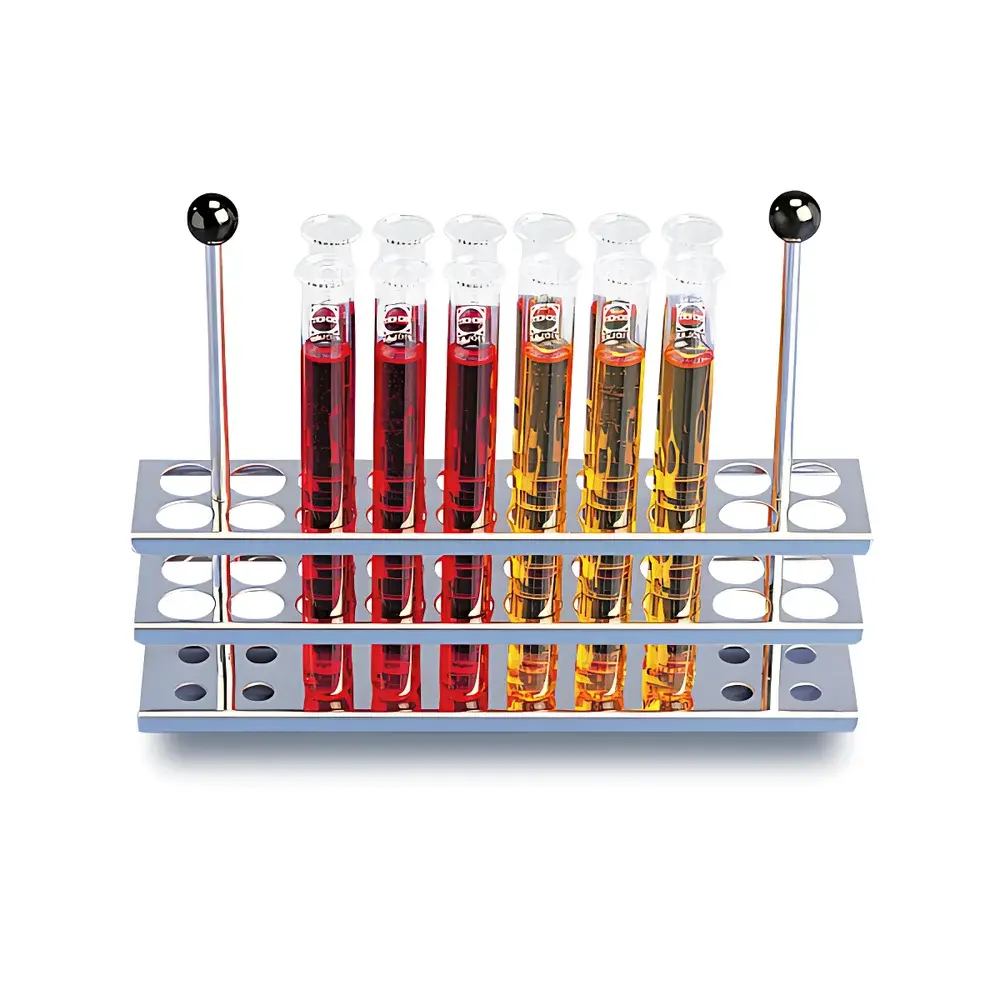
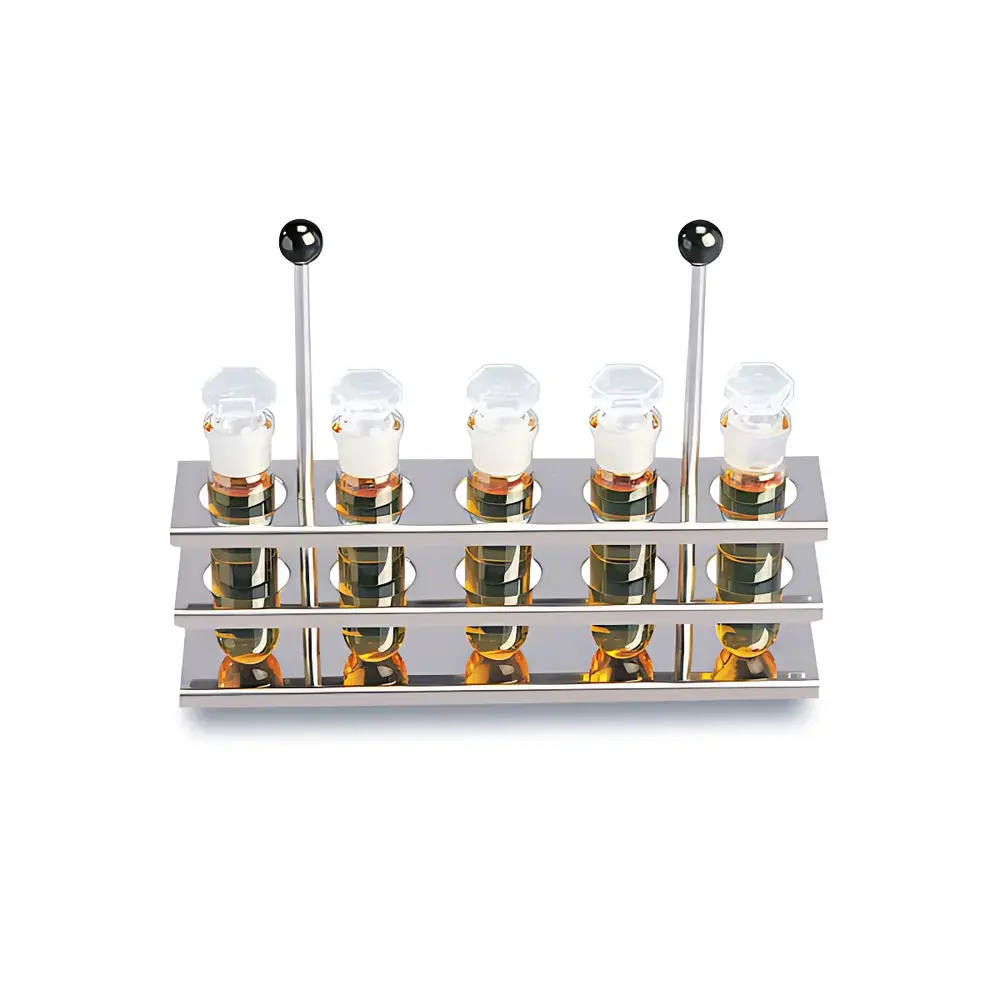
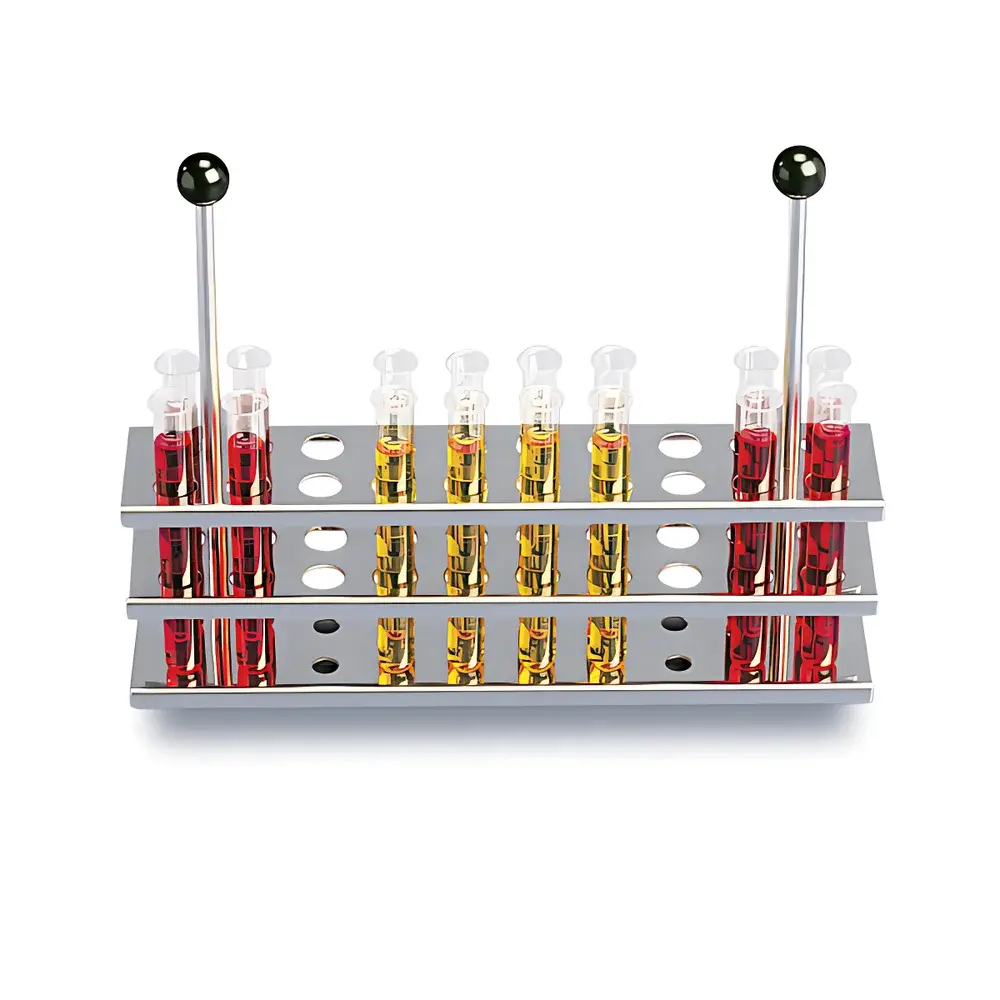
The H 4 accommodates standard laboratory vessels—including glass beakers (up to 1 L), conical flasks, cuvette racks, and enzyme assay plates—within its 245 mm × 100 mm opening and 115 mm usable depth. Its non-circulating configuration (default mode) is suitable for static incubation, solubility testing, and calibration reference baths per ISO/IEC 17025 requirements. When equipped with optional circulation (available via factory-configured upgrade), it supports applications requiring convective heat transfer uniformity, such as viscometer calibration baths (ASTM D445), polymer dissolution studies (ISO 1628-1), and controlled enzymatic reaction kinetics. All materials in contact with the bath medium comply with FDA 21 CFR §177.2400 for repeated-use food-contact-grade stainless steel. Device firmware supports audit-trail-ready operation when integrated into GLP/GMP environments using external logging systems.
Software & Data Management
While the H 4 operates as a standalone instrument with no embedded PC connectivity, its analog/digital I/O interface (optional RS232 or 0–10 V output) enables integration with centralized lab management systems or SCADA platforms. Temperature data can be logged externally via third-party DAQ hardware compliant with IEEE 1451.2 transducer standards. The unit stores up to 10 user-defined profiles locally, each retaining setpoint, timer parameters, and ramp rate settings. All operational events—including alarms, power cycles, and parameter changes—are timestamped and retained in non-volatile memory for post-hoc review. Firmware updates are performed via USB port using LAUDA’s certified configuration utility, which enforces cryptographic signature verification to ensure integrity and traceability.
Applications
- Enzyme activity assays requiring strict thermal consistency (e.g., LDH, ALP, or amylase kinetics per CLSI EP10-A3 guidelines)
- Calibration of liquid-in-glass thermometers and digital probes against NIST-traceable references
- Controlled sample thawing and reconstitution of lyophilized reagents in clinical diagnostics workflows
- Pre-heating of culture media prior to sterile filtration (USP Annex B compliance support)
- Accelerated stability testing of pharmaceutical formulations under ICH Q1A(R3) temperature stress conditions
- Supporting ASTM E2251-22 procedures for thermal validation of water-based sterilization processes
FAQ
Does the H 4 include a built-in circulation pump?
No—the base H 4 model is a non-circulating bath. Circulation functionality is available only on designated Hydro C-series models (e.g., Hydro C 4). Optional retrofitting is not supported due to structural and thermal design constraints.
What is the maximum permissible ambient temperature for continuous operation?
The unit is rated for continuous use at ambient temperatures up to 35 °C and relative humidity ≤80% non-condensing, as validated per IEC 60068-2-1 and IEC 60068-2-2 test protocols.
Can the bath be operated without the insulated cover?
Yes, but doing so degrades temperature stability beyond ±0.1 °C and increases energy consumption by approximately 35%. LAUDA strongly recommends using the dual-layer cover at all times to maintain specification compliance.
Is the drain valve compatible with standard laboratory tubing?
Yes—the 8 mm OD quick-release valve accepts standard silicone or Tygon® tubing (ID 6–7 mm) and features a drip-free shut-off mechanism verified to >10,000 cycles.
How often does the unit require preventive maintenance?
Under typical usage (8 hrs/day, 5 days/week), biannual inspection of heater contacts, seal integrity, and firmware version is recommended. No scheduled lubrication or filter replacement is required.



