
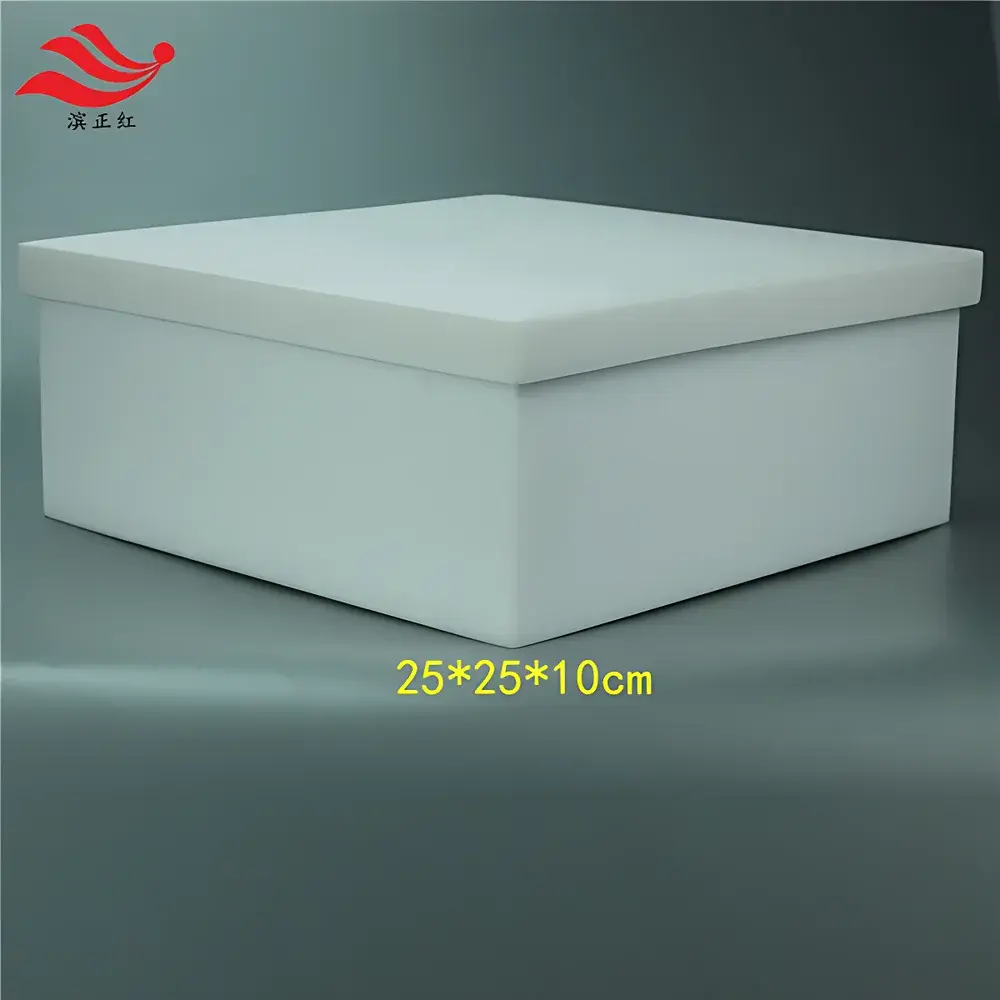
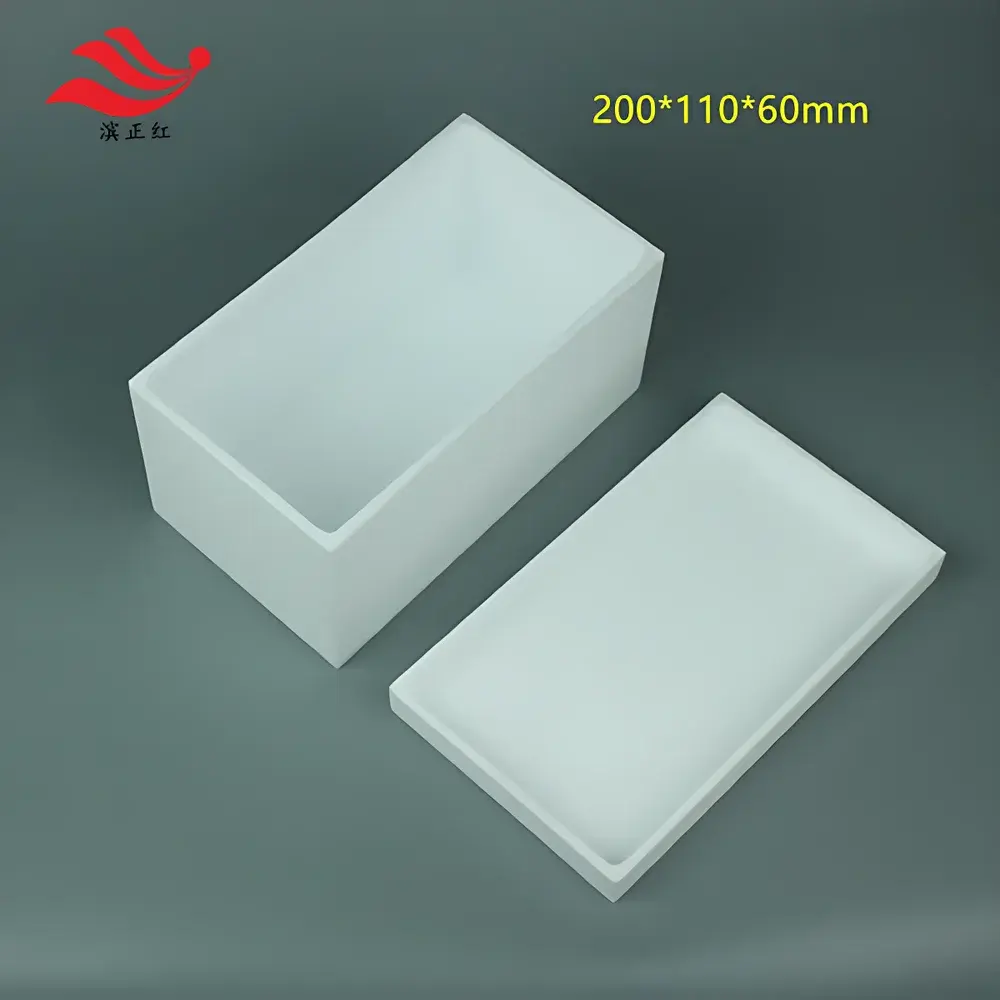
PTFE Rectangular Sample Storage Tray – Custom-Fabricated Corrosion-Resistant Monolithic PTFE Container by Binzhenghong
| Brand | Binzhenghong |
|---|---|
| Origin | Jiangsu, China |
| Manufacturer Type | Direct Producer |
| Origin Category | Domestic (China) |
| Model | PTFE Square Tray |
| Pricing | Available Upon Request |
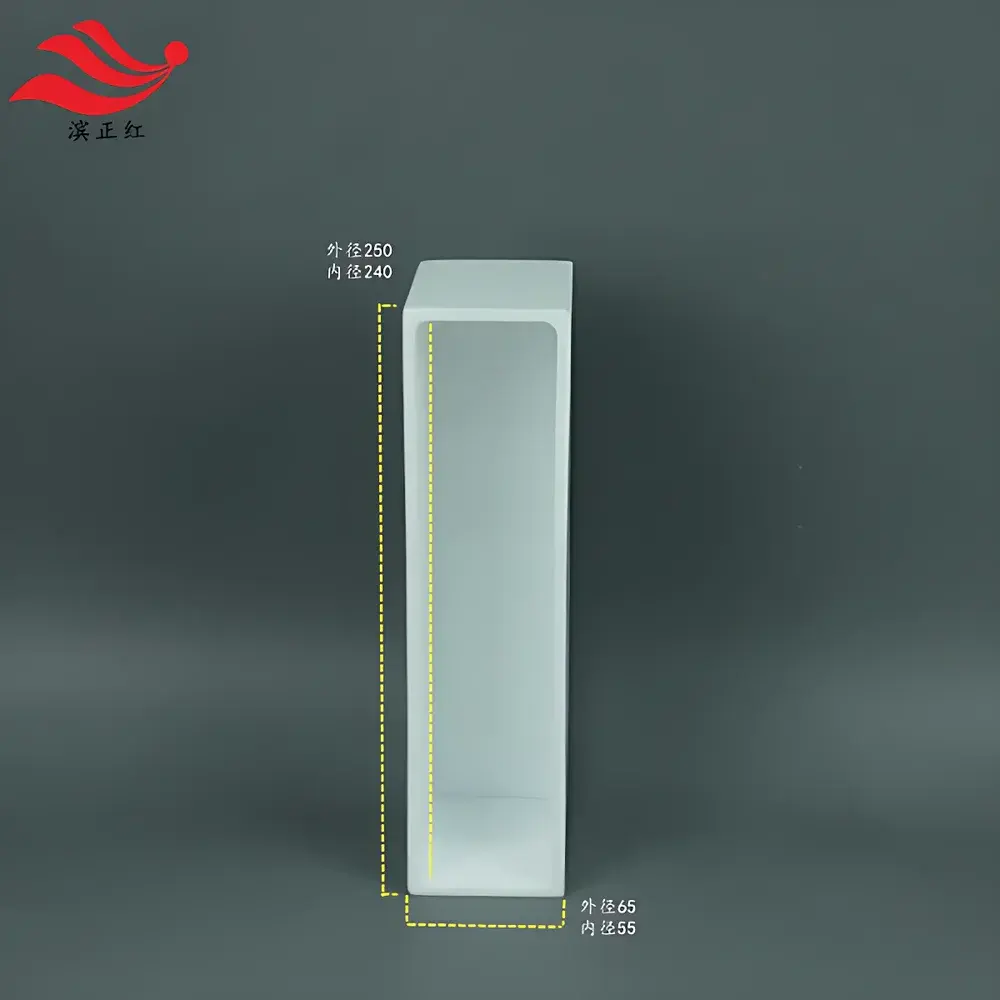
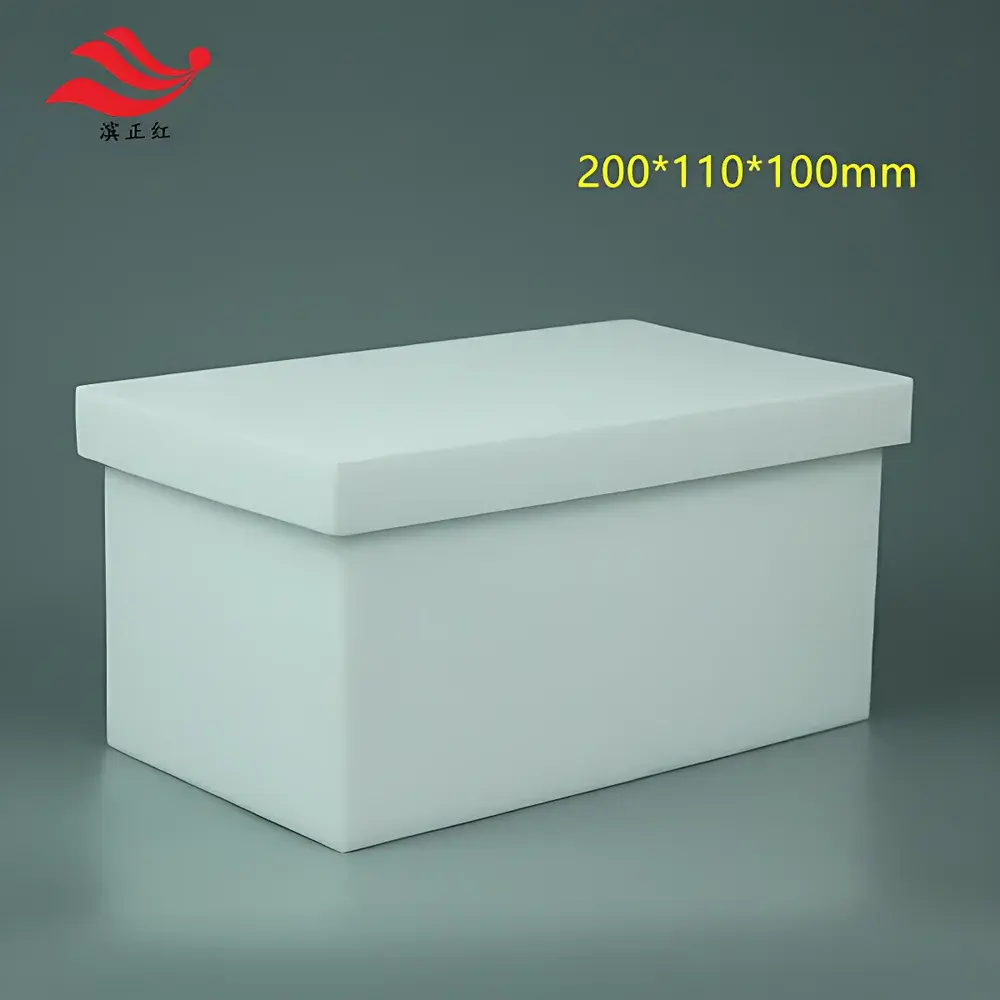
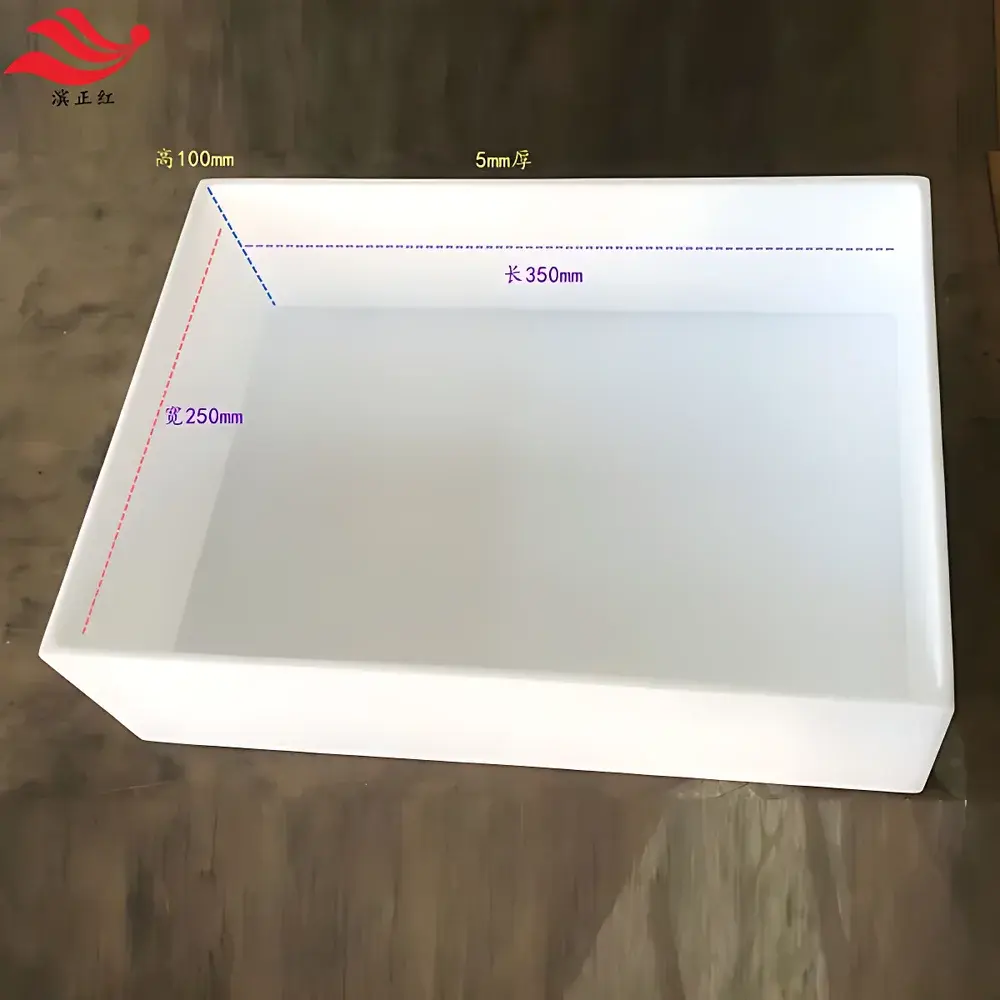
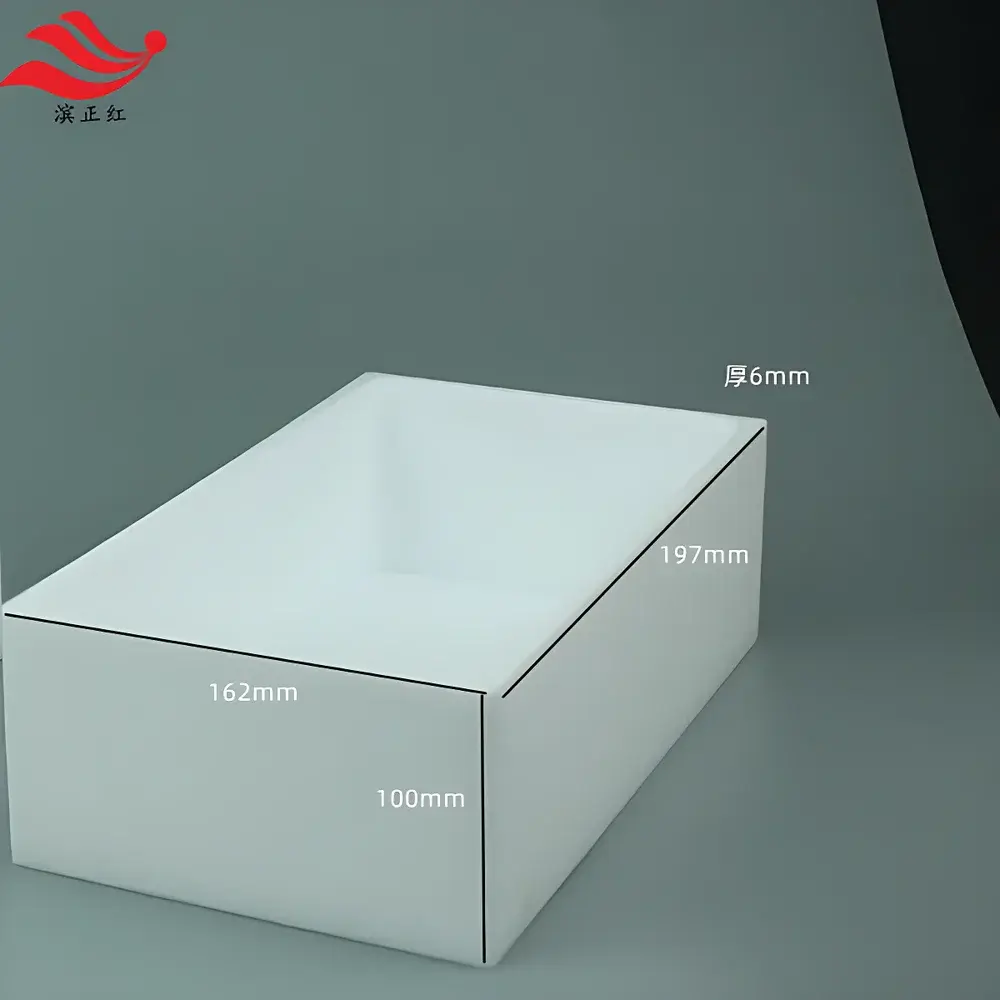
| Dimensions (External) | 100 mm × 100 mm × 20 mm (L × W × H) |
| Wall Thickness | 5 mm |
| Material | Virgin PTFE (Polytetrafluoroethylene), ASTM D4894 Compliant |
Overview
The Binzhenghong PTFE Rectangular Sample Storage Tray is a monolithic, chemically inert containment solution engineered for laboratories requiring long-term stability, ultra-low leachability, and uncompromised corrosion resistance. Constructed entirely from virgin polytetrafluoroethylene (PTFE) per ASTM D4894 specifications, this tray eliminates metallic or composite interfaces—ensuring zero risk of catalytic interference, ion exchange, or trace metal contamination during sample storage, preparation, or pre-analytical handling. Its design adheres to the fundamental principle of material compatibility in analytical workflows: when handling aggressive reagents (e.g., concentrated HF, fuming nitric acid, molten alkalis), oxidizing agents, or high-purity standards (e.g., CRMs for ICP-MS), only fully fluorinated polymers provide validated inertness. The tray’s geometry—precisely machined with uniform 5 mm wall thickness and 20 mm depth—supports consistent thermal mass distribution and mechanical rigidity under ambient and elevated temperature conditions (–200 °C to +260 °C continuous use).
Key Features
- Monolithic PTFE Construction: Seamless, single-piece fabrication prevents crevices, seams, or bonded joints where residue accumulation or microleaching could occur—critical for trace-metal analysis and semiconductor wafer handling.
- Dimensional Precision: External footprint of 100 mm × 100 mm enables standardized placement on lab benches, inside desiccators, or within automated sample staging modules; 20 mm depth accommodates vials, filters, or solid specimens without overflow risk.
- Ultra-High Chemical Resistance: Resists all common laboratory solvents, strong acids (including aqua regia), bases, and halogens—validated per DIN ISO 178 and ASTM D543 immersion testing protocols.
- Non-Stick & Low Surface Energy: PTFE surface energy (~18–20 mN/m) ensures complete release of viscous, sticky, or crystalline residues—reducing cleaning time and eliminating solvent-intensive rinsing cycles.
- Thermal Stability: Maintains structural integrity and dimensional stability across cryogenic to high-temperature environments, supporting applications such as cold-chain sample staging or post-digestion cooling trays.
Sample Compatibility & Compliance
This tray is routinely deployed in ISO/IEC 17025-accredited environmental, geochemical, and pharmaceutical QC labs for storing acid-digested soil extracts, high-purity reference materials, and calibration standards. Its compatibility extends to USP and compliant compounding environments where non-reactive surfaces are mandated for hazardous drug handling. As a Class VI USP-compliant polymer, virgin PTFE meets biocompatibility requirements for preclinical sample containment. No extractables or leachables are detected under EPA Method 508.1 or ICH Q5C stress conditions (72 h @ 60 °C in 50% methanol/water), ensuring data integrity in LC-MS/MS and ICP-OES workflows.
Software & Data Management
As a passive, non-electronic component, the tray requires no firmware, drivers, or software integration. However, its physical attributes support digital lab infrastructure: standardized dimensions allow seamless integration into LIMS-assigned rack maps and robotic gripper libraries (e.g., Hamilton STAR, Tecan Fluent). Batch-specific lot traceability is maintained via laser-engraved alphanumeric identifiers (optional customization), enabling full audit trail alignment with 21 CFR Part 11–compliant electronic records systems when paired with barcode-scanned workflow logs.
Applications
- Long-term archival storage of certified reference materials (CRMs) and matrix-matched standards.
- Acid digestion cool-down and intermediate holding prior to dilution or instrumental analysis.
- Filter drying and precipitate collection in gravimetric analysis (e.g., sulfate, silica, fluoride determination).
- Containment of reactive intermediates in synthetic chemistry workflows involving LiAlH₄, NaH, or organolithium reagents.
- Calibration standard staging in multi-element ICP-MS campaigns where cross-contamination must be below detection limits (sub-ppt level).
FAQ
Is this tray suitable for use with hydrofluoric acid (HF)?
Yes—virgin PTFE exhibits no measurable degradation or etching after prolonged exposure to ≥49% aqueous HF at room temperature, making it one of only two commercially viable materials (alongside perfluoroalkoxy alkane, PFA) for HF-handling applications.
Can the tray be autoclaved?
No—autoclaving (121 °C, saturated steam) is not recommended due to PTFE’s low compressive creep resistance under sustained pressure; dry-heat sterilization up to 250 °C is permissible.
Do you offer custom engraving or dimensional variants?
Yes—Binzhenghong provides OEM machining services including tolerance-controlled internal recesses, nested grid patterns, and ISO-standard labeling per customer drawing (minimum order quantity applies).
What documentation accompanies each shipment?
Each unit ships with a Certificate of Conformance referencing ASTM D4894, lot-specific FTIR verification report, and dimensional inspection record traceable to NIST-traceable calipers.



