
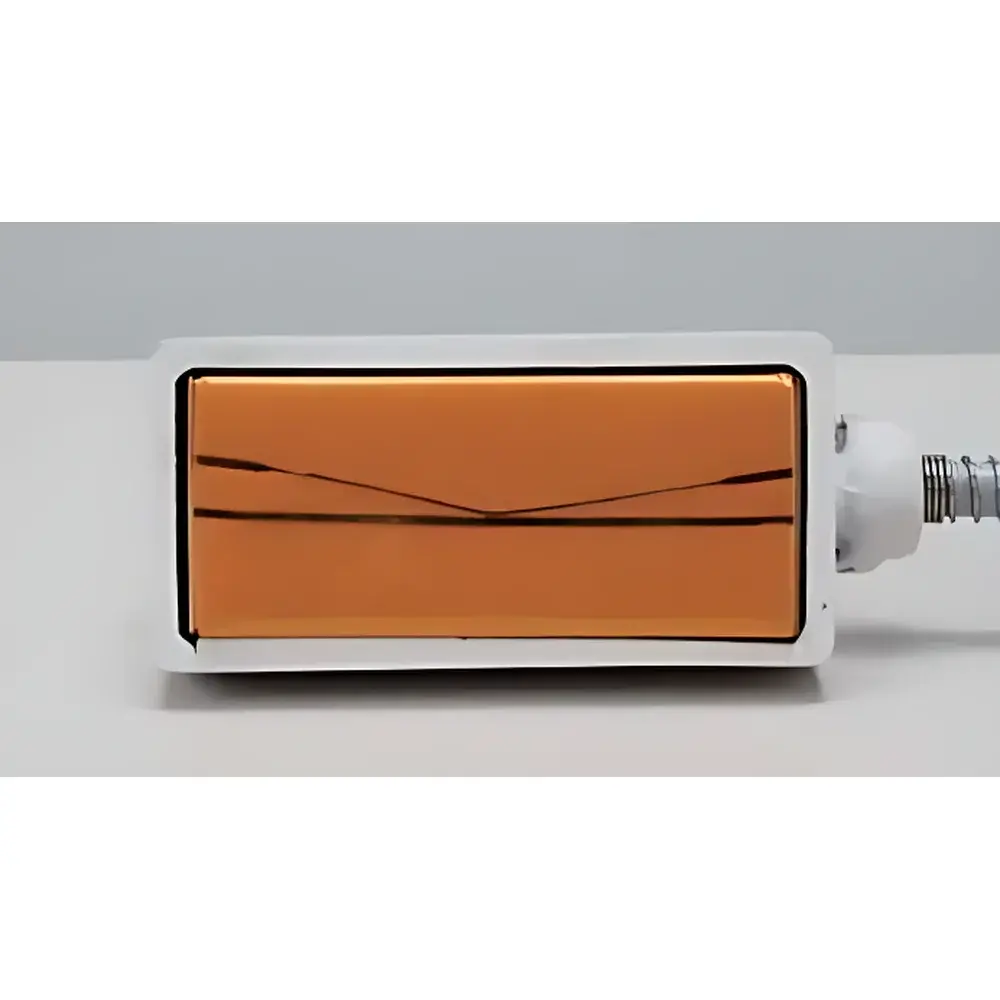
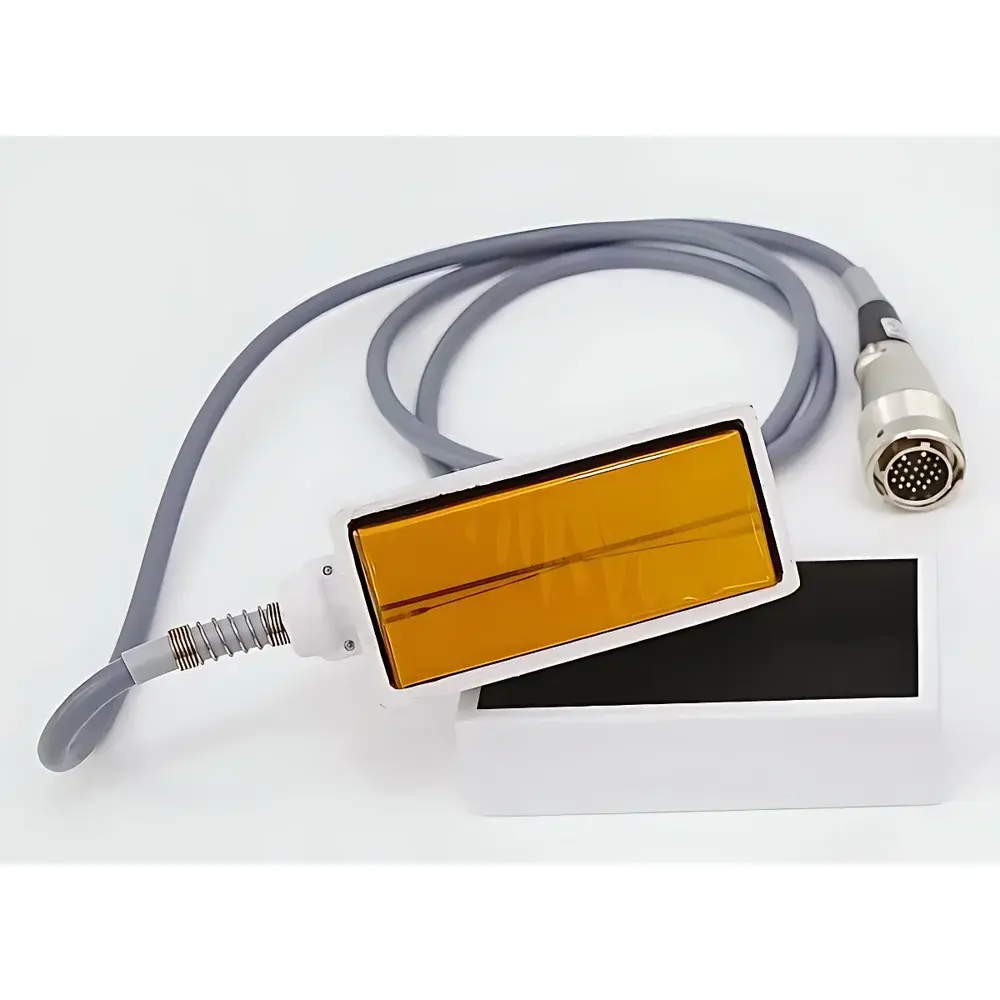
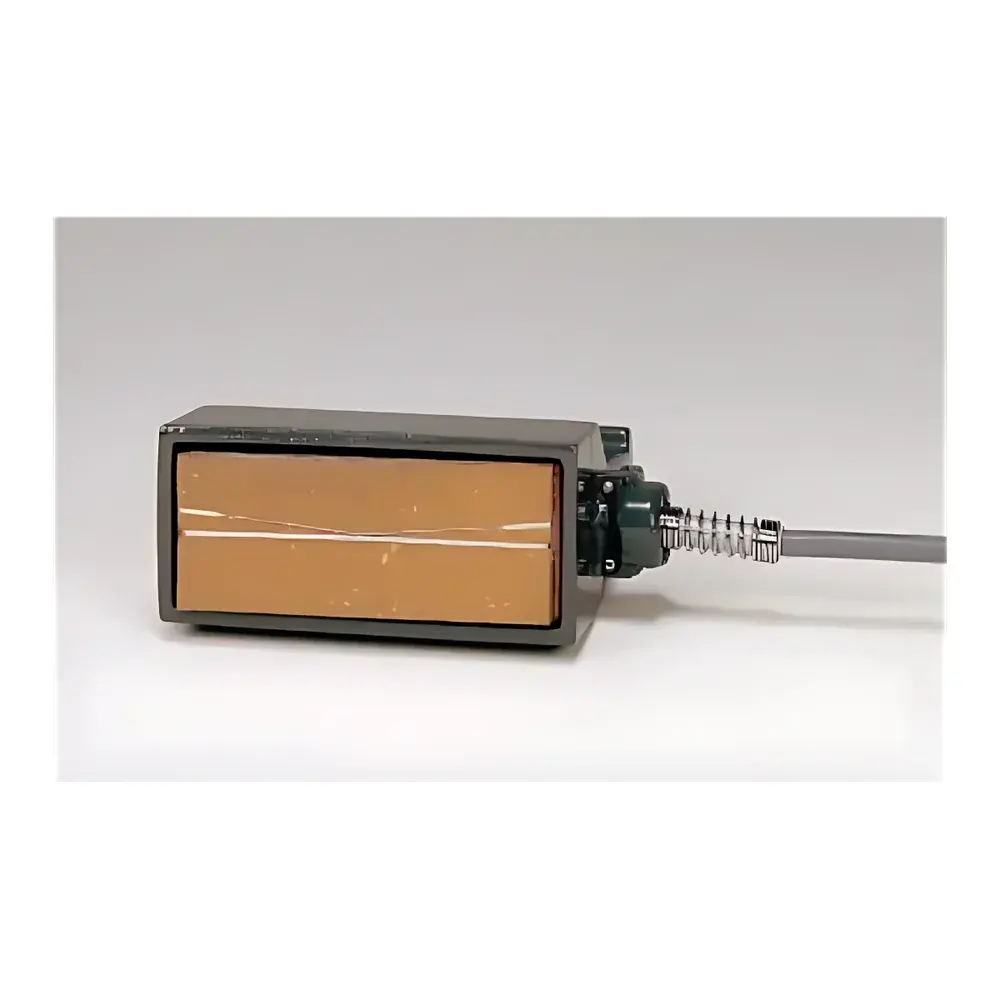
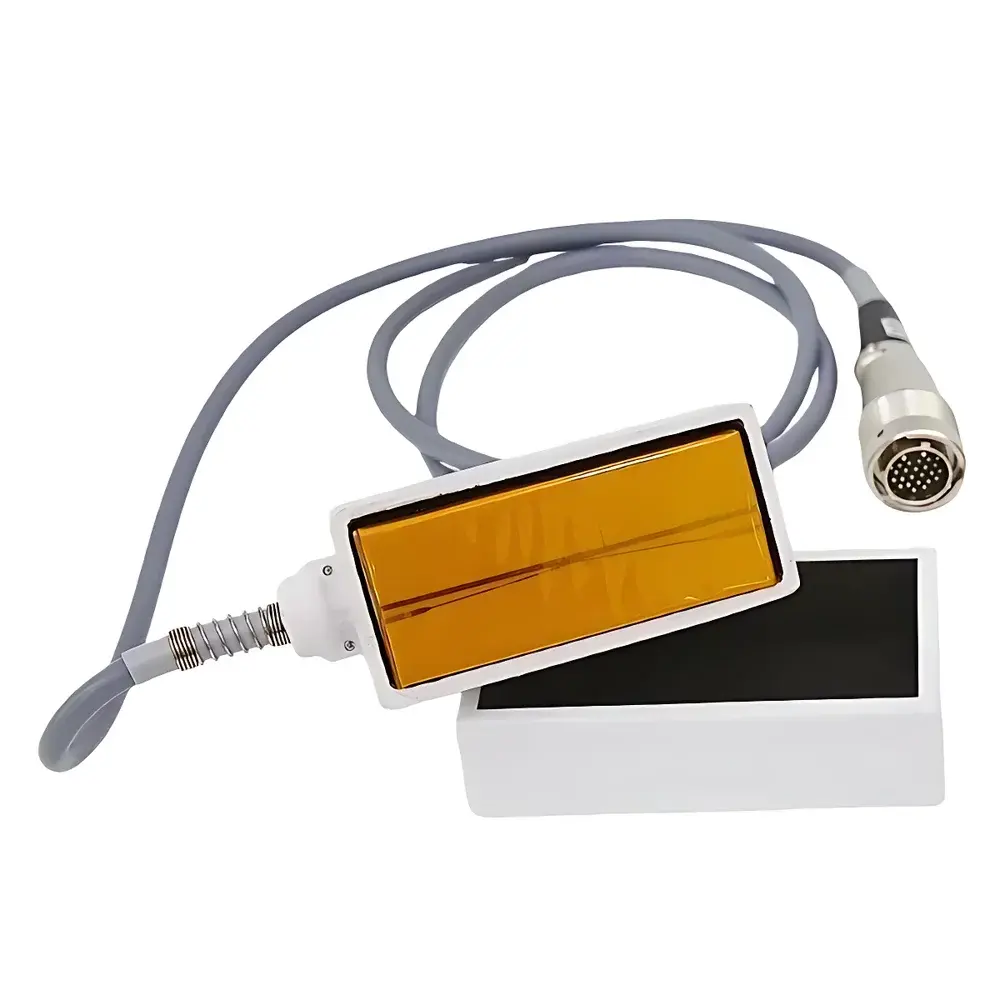
KEM PD-13N/PD-13 Insulating Damp-Proof Thermal Conductivity Analyzer (Hot Wire Method)
| Brand | KEM (Kyoto Electronics Manufacturing) |
|---|---|
| Origin | Japan |
| Manufacturer | Yes |
| Import Status | Imported |
| Model | PD-13N / PD-13 |
| Measurement Principle | Hot Wire Method |
| Dimensions (L×W×H) | 110 × 50 × 100 mm |
| Accuracy | ±5% |
| Thermal Conductivity Range | 0.03–12 W/m·K |
| Repeatability | ±3% |
| Operating Temperature Range | −10 to 200 °C |
| Standard Measurement Time | 60 s |
| Sample Size Requirement | ≥100 × 50 × 20 mm (sheet form) |
| Minimum Thickness for Film Samples | 0.1 mm (for k = 0.1 W/m·K), 5 mm (for k = 5 W/m·K) |
| Compatible With | QTM-710/QTM-700 (PD-13N), QTM-500 (PD-13) |
Overview
The KEM PD-13N/PD-13 Insulating Damp-Proof Thermal Conductivity Analyzer is a compact, portable hot wire method instrument engineered for rapid, in-situ or lab-based thermal conductivity assessment of low-to-moderate conductivity solid materials. It operates on the transient hot wire principle—where a thin, electrically heated platinum wire embedded in or placed in direct contact with the sample serves as both heater and temperature sensor. The rate of temperature rise following a constant-power pulse is inversely proportional to the material’s thermal conductivity, enabling calculation via standardized solutions to the heat conduction equation in infinite medium geometry. Designed specifically for insulating and hygroscopic materials—including foamed polymers, fiberboards, ceramics, refractory bricks, cured resins, vulcanized rubber, and cementitious composites—the probe features an integrated moisture-resistant insulation layer that minimizes surface condensation interference and ensures stable electrical isolation during measurements under ambient humidity or at elevated temperatures up to 200 °C.
Key Features
- Optimized hot wire probe architecture with stainless-steel sheath and ceramic insulation for mechanical robustness and long-term stability in humid or dusty environments.
- Dual-model compatibility: PD-13N interfaces with KEM’s QTM-710 and QTM-700 thermal property analyzers; PD-13 is dedicated to the QTM-500 platform—ensuring seamless firmware synchronization and calibration traceability.
- Compact probe footprint (110 × 50 × 100 mm) enables insertion into confined test chambers, industrial ovens, or field-deployed insulation cavities without requiring full-sample extraction.
- Predefined 60-second measurement cycle balances statistical reliability with throughput—suitable for QC batch screening and R&D comparative studies.
- Temperature-compensated signal processing supports valid readings across −10 °C to 200 °C, accommodating cryogenic insulation validation and high-temperature refractory characterization.
- Calibration traceable to NIST-traceable reference standards (e.g., certified glass, PMMA, and aerogel samples) per ISO 22007-2 Annex A guidelines.
Sample Compatibility & Compliance
The PD-13N/PD-13 is validated for homogeneous, isotropic solids with thermal conductivity between 0.03 and 12 W/m·K—covering common building insulation (e.g., EPS, mineral wool), polymer composites, technical ceramics, and cured elastomers. Sheet specimens must meet minimum dimensions of 100 × 50 × 20 mm to satisfy lateral heat loss constraints inherent to the hot wire method. For thin films, thickness requirements scale linearly with thermal diffusivity: ≥0.1 mm for k ≈ 0.1 W/m·K; ≥5 mm for k ≈ 5 W/m·K. The probe complies with ISO 22007-2 (Plastics — Determination of thermal conductivity and thermal diffusivity — Part 2: Transient plane source (hot wire) method) and supports ASTM C1113-17 (Standard Test Method for Thermal Conductivity of Refractories by Hot Wire Technique) when used with appropriate reference materials and environmental controls. Its damp-proof design aligns with IEC 60068-2-30 (damp heat cyclic testing) for reliable operation in non-climate-controlled labs.
Software & Data Management
When connected to KEM’s QTM series main units, the PD-13N/PD-13 leverages KEM’s proprietary Thermal Analysis Suite v4.x, which provides real-time curve visualization, automatic baseline correction, and multi-point thermal drift compensation. All raw voltage/time data are logged with timestamp, ambient temperature, and probe ID. Export formats include CSV and XML, supporting integration into LIMS environments compliant with FDA 21 CFR Part 11 (electronic records/signatures) when deployed with audit trail-enabled configurations. Calibration history, operator ID, and measurement metadata are stored locally and synchronized to network drives per GLP/GMP documentation workflows.
Applications
- Quality control of factory-produced insulation boards and spray-applied foam systems.
- R&D evaluation of novel aerogels, phase-change composites, and bio-based thermal barriers.
- Field verification of building envelope performance per ISO 9869-1 (in-situ measurement of thermal resistance).
- Thermal aging studies of polymeric encapsulants in electronics packaging (e.g., epoxy molding compounds).
- Validation of fire-rated assemblies where moisture ingress may compromise thermal integrity over service life.
FAQ
What is the fundamental measurement principle of the PD-13N/PD-13?
It employs the transient hot wire method, measuring thermal conductivity from the time-dependent temperature response of a resistively heated wire embedded in the sample.
Can this probe be used for liquids or powders?
No—it is strictly designed for solid, self-supporting specimens meeting minimum dimensional and thermal homogeneity criteria.
Is calibration required before each use?
A full recalibration is recommended every 6 months or after mechanical shock; daily verification using a supplied reference tile is advised per ISO/IEC 17025 quality protocols.
Does the damp-proof feature eliminate the need for desiccation of hygroscopic samples?
No—the probe’s insulation prevents external moisture from affecting electronics, but sample moisture content remains a critical variable; preconditioning per ASTM E104 or ISO 2932 is required for reproducible results.
How is traceability to international standards maintained?
KEM provides factory calibration certificates referencing NIST SRM 1470a (glass) and SRM 1471a (polymethyl methacrylate), with uncertainty budgets reported per ISO/IEC Guide 98-3 (GUM).



