
EZONE CHEMIST EZ-S/L Series Graphite/Aluminum Block Constant-Temperature Digestion Block
| Brand | EZONE CHEMIST |
|---|---|
| Origin | Guangdong, China |
| Manufacturer Type | Authorized Distributor |
| Product Category | Domestic |
| Models | EZ-10S/L, EZ-15S/L, EZ-20S/L |
| Instrument Type | Graphite Digestion Block |
| Digestion Positions | 10 / 15 / 20 |
| Max. Heating Temperature | 450 °C (Al) / 600 °C (Graphite) |
| Temperature Control Accuracy | ±1 °C |
| Heating Principle | Graphite Block or Aluminum Alloy Block |
| Reagent Channels | 10 / 15 / 20 |
Overview
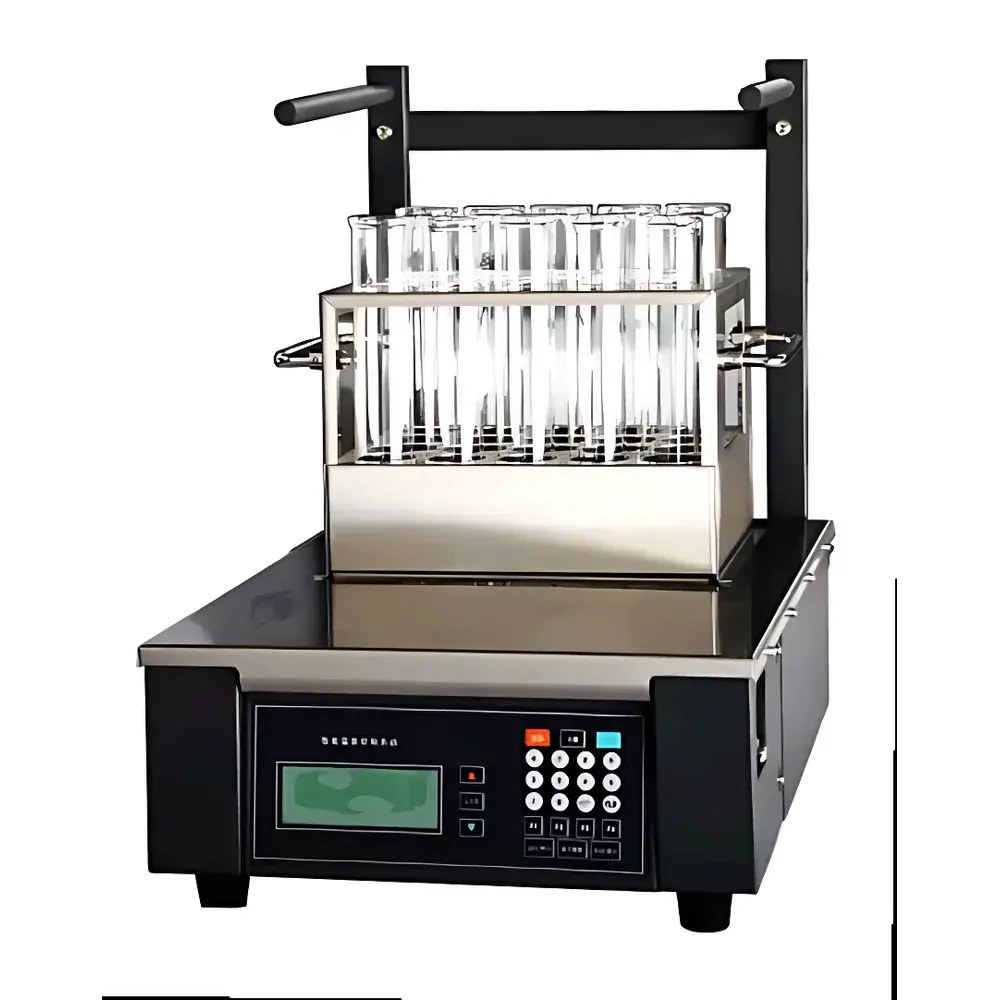
The EZONE CHEMIST EZ-S/L Series Graphite/Aluminum Block Constant-Temperature Digestion Block is a precision-engineered sample preparation instrument designed for controlled, reproducible wet digestion of organic and inorganic matrices under standardized acidic conditions. Based on classical Kjeldahl and EPA-compliant wet digestion protocols, the system utilizes either high-density graphite or aerospace-grade aluminum alloy blocks as thermal mass media—ensuring uniform heat distribution across all digestion positions via conductive heating. Unlike open-flame or infrared-based digesters, this block-type design eliminates convective thermal gradients and minimizes reagent evaporation loss, thereby improving digestion completeness, elemental recovery, and inter-batch reproducibility. The unit serves as a primary digestion platform prior to elemental analysis by ICP-OES, ICP-MS, AAS, or colorimetric assays—and is specifically optimized as an integrated pre-treatment module for Kjeldahl nitrogen analyzers. Its dual-block architecture (S-series: graphite; L-series: aluminum) allows laboratories to select thermal performance characteristics aligned with analytical requirements: graphite variants support extended high-temperature operation up to 600 °C for refractory matrices (e.g., coal ash, geological silicates), while aluminum variants offer rapid thermal response (3–15 °C/min) and stable operation at ≤450 °C for routine biological and environmental samples.
Key Features
- Two modular heating platforms: High-purity, machined graphite blocks (EZ-S) rated to 600 °C; precision-cast zinc-aluminum alloy blocks (EZ-L) rated to 450 °C—both engineered for <1.5 °C inter-hole temperature deviation at setpoint.
- Dual-point RTD sensing system: Independent Pt100 sensors monitor both center and peripheral positions within the block, feeding real-time feedback to the PLC-based controller for dynamic thermal compensation.
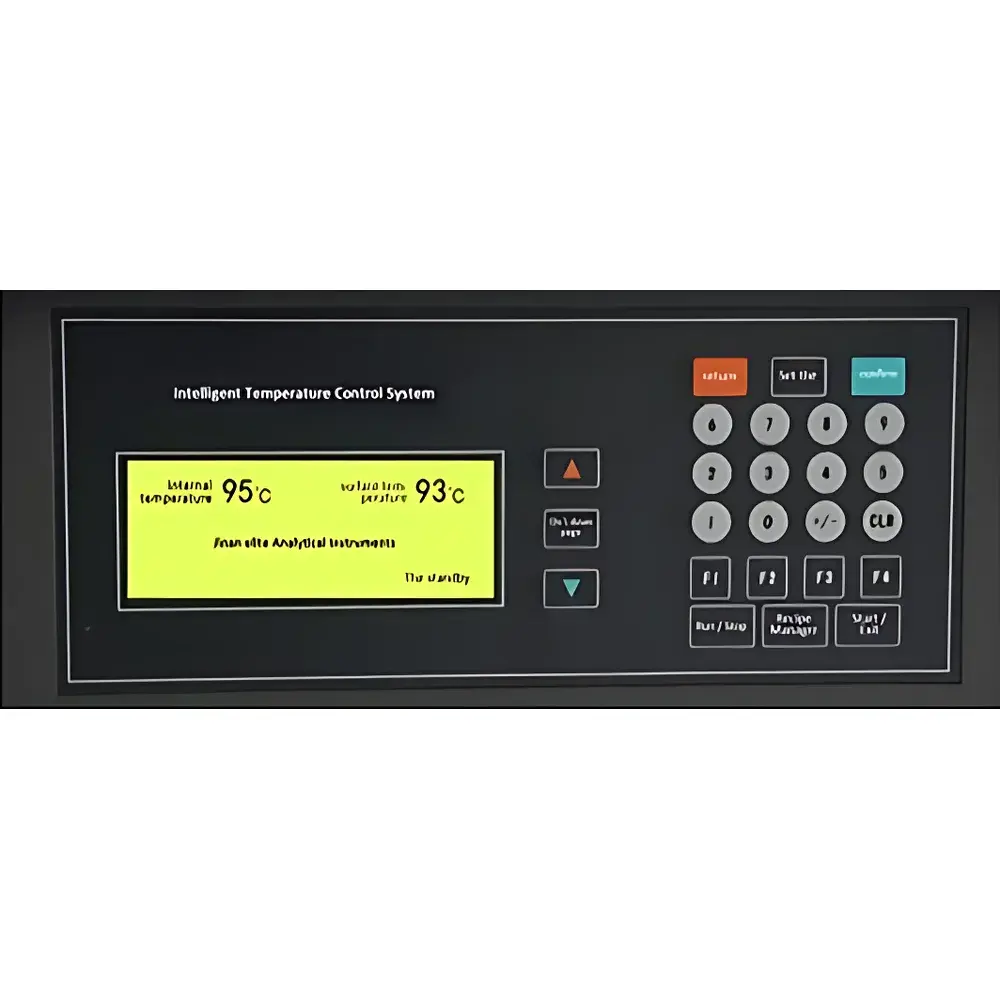
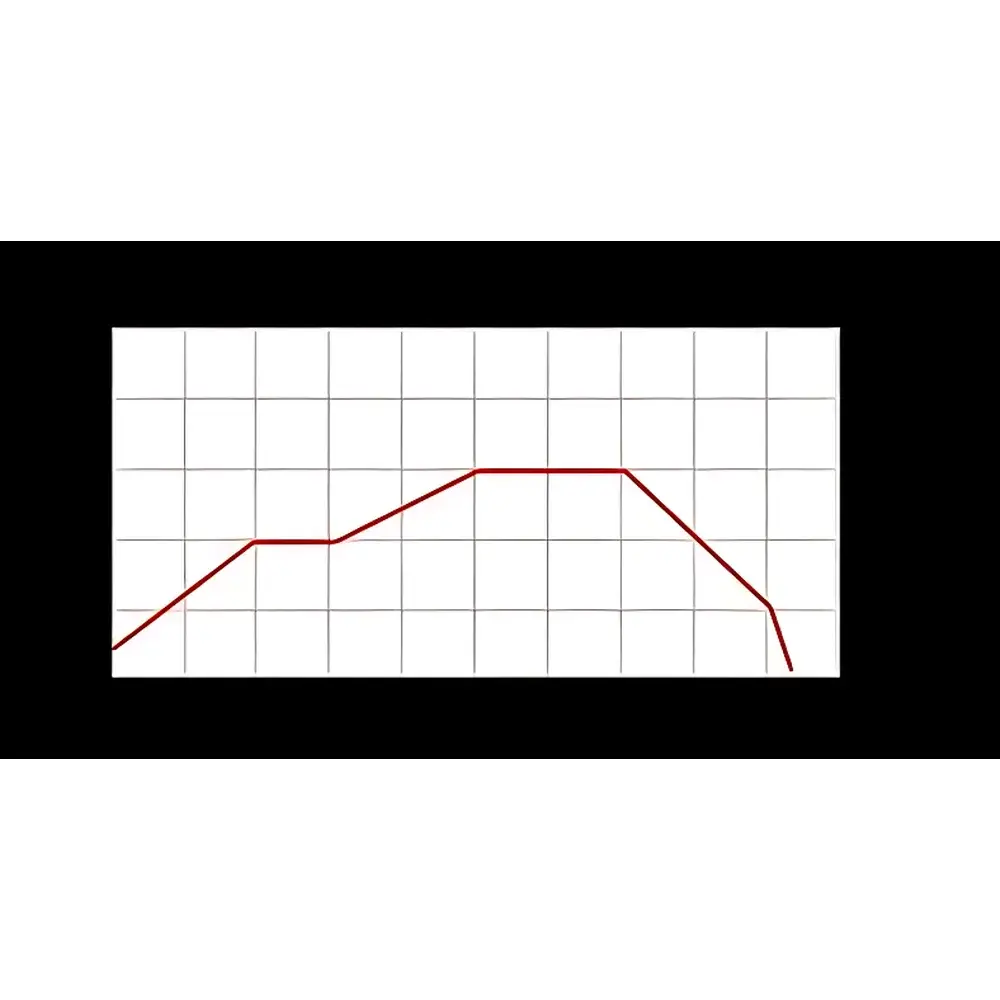
- Intelligent 12-segment programmable temperature ramping: Supports complex digestion profiles—including hold steps, multi-stage acid additions, and cooling ramps—configurable via intuitive bilingual (English/Chinese) LCD interface.
- User-defined method library: Stores up to 99 custom digestion protocols with parameter sets (temperature, time, ramp rate), enabling GLP-compliant method recall and audit-ready traceability.
- RS-485 serial interface with Windows-compatible control software: Enables remote monitoring, data logging (timestamped temperature/time profiles), and integration into LIMS environments.
- Corrosion-resistant construction: Brushed stainless steel work surface (AISI 304), reinforced welded frame, and rear-mounted passive cooling rack for hot digestion tubes—designed for daily use in high-acid fume environments.
Sample Compatibility & Compliance
The EZ-S/L series accommodates standard borosilicate or quartz digestion tubes (Φ40–Φ42 mm) across 10-, 15-, or 20-position configurations. It supports HNO₃, H₂SO₄, HClO₄, HF, and mixed-acid systems per EPA Method 3050B, 3051A, 3052; ISO 11466; and ASTM D5175. The block geometry ensures consistent thermal coupling regardless of tube fill volume (10–50 mL). All models comply with IEC 61010-1 safety standards for laboratory electrical equipment and meet CE marking requirements for electromagnetic compatibility (EN 61326-1) and low-voltage directive (2014/35/EU). Optional exhaust hoods and neutralization traps enable compliance with local occupational exposure limits (e.g., OSHA PELs for NOₓ, SO₂, HF).
Software & Data Management
The included Windows-based control application provides full instrument supervision: real-time temperature graphing, method upload/download, event-triggered data export (CSV), and digital signature–enabled method locking. Audit trail functionality records operator ID, timestamp, parameter changes, and runtime anomalies—supporting 21 CFR Part 11 readiness when paired with institutional authentication infrastructure. Raw temperature logs include metadata (block ID, sensor channel, calibration offset) and are exportable for third-party statistical process control (SPC) analysis.
Applications
- Agricultural & food testing: Total N, P, K, heavy metals (Cd, Pb, As) in plant tissues, grains, feedstuffs, and dairy products.
- Environmental analysis: Digestion of soil, sediment, sludge, and wastewater solids per EPA SW-846 protocols.
- Geological & mining labs: Silicate rock dissolution, rare earth element (REE) extraction, and ore grade validation.
- Pharmaceutical QC: Residual catalyst metal screening in active pharmaceutical ingredients (APIs).
- Academic research: Method development for microwave-assisted digestion validation and reference material certification.
FAQ
What is the difference between the S-series (graphite) and L-series (aluminum) models?
The S-series uses isotropic, high-density graphite blocks offering superior thermal stability above 500 °C and lower thermal inertia—ideal for prolonged high-temperature digests. The L-series employs thermally optimized aluminum-zinc alloy blocks delivering faster ramp rates and lower energy consumption for routine sub-450 °C applications.
Can the instrument be integrated into an automated Kjeldahl workflow?
Yes—via RS-485, the EZ-S/L can synchronize start/stop signals and temperature status with compatible distillation units (e.g., FOSS, Buchi, Gerhardt), enabling unattended batch processing.
Is calibration traceable to national standards?
Each unit ships with a factory calibration certificate referencing NIST-traceable Pt100 sensors. Optional annual recalibration services include uncertainty budgets compliant with ISO/IEC 17025.
What safety protections are built-in?
Over-temperature cutoff (hardware-independent), door-open interlock (if used with optional fume hood enclosure), ground-fault circuit interruption (GFCI), and automatic power-down after user-defined idle time.
Are digestion tubes and accessories supplied with the base unit?
Tubes, reflux funnels, catalyst tablets, and acid-resistant tube racks are available as configurable accessories—not included in standard delivery—but listed in the validated consumables catalog with lot-specific QC documentation.



