
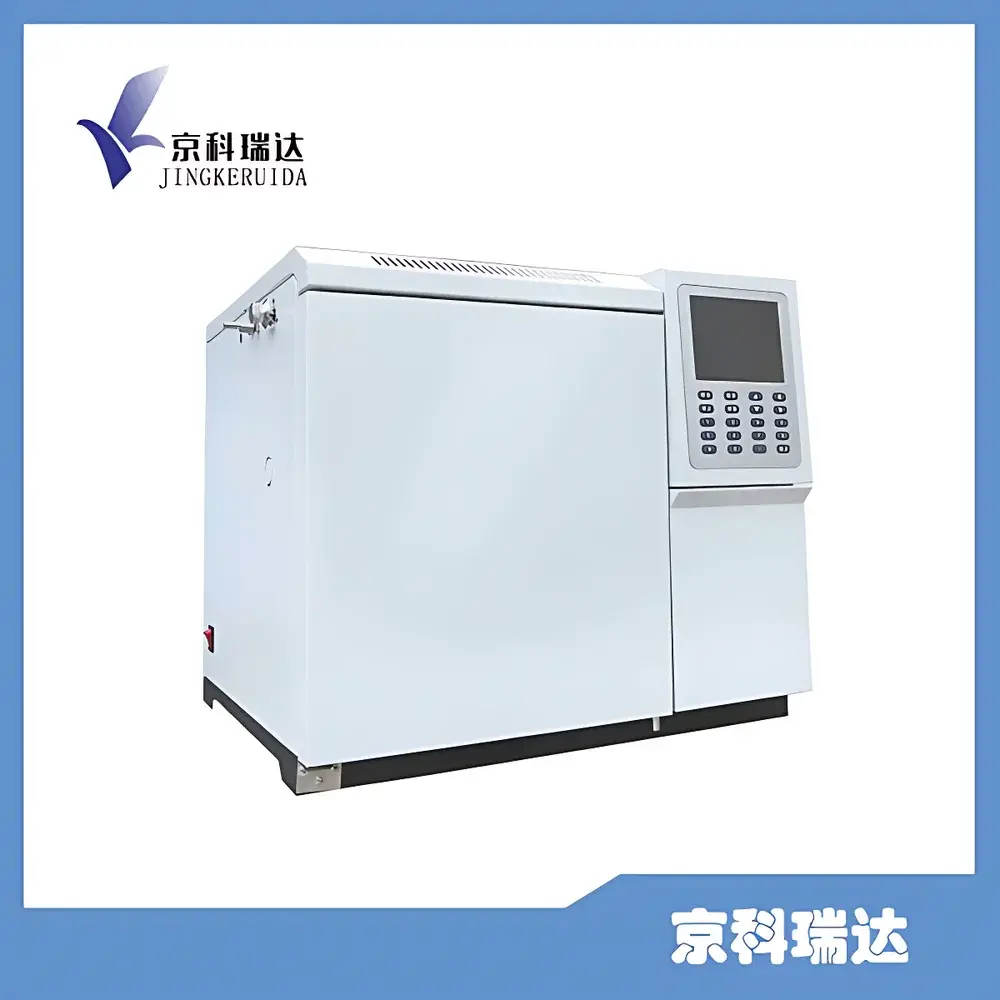
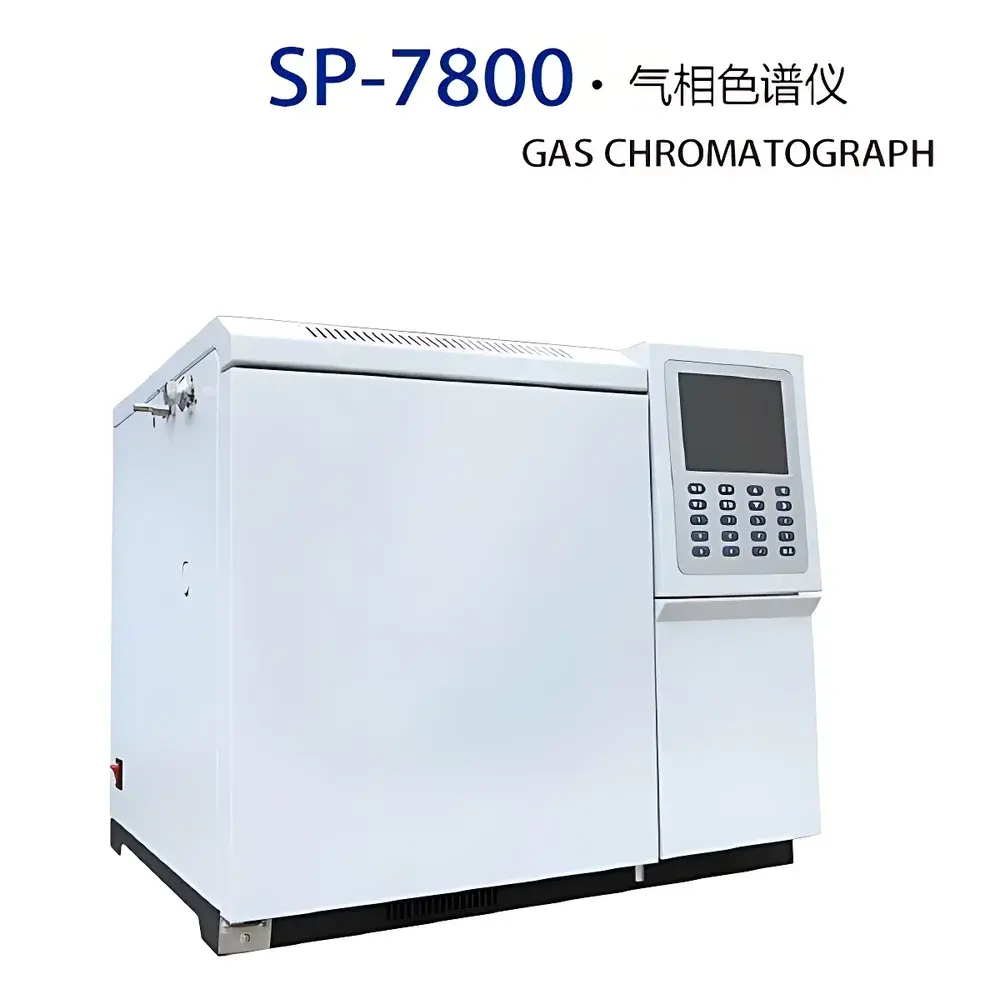
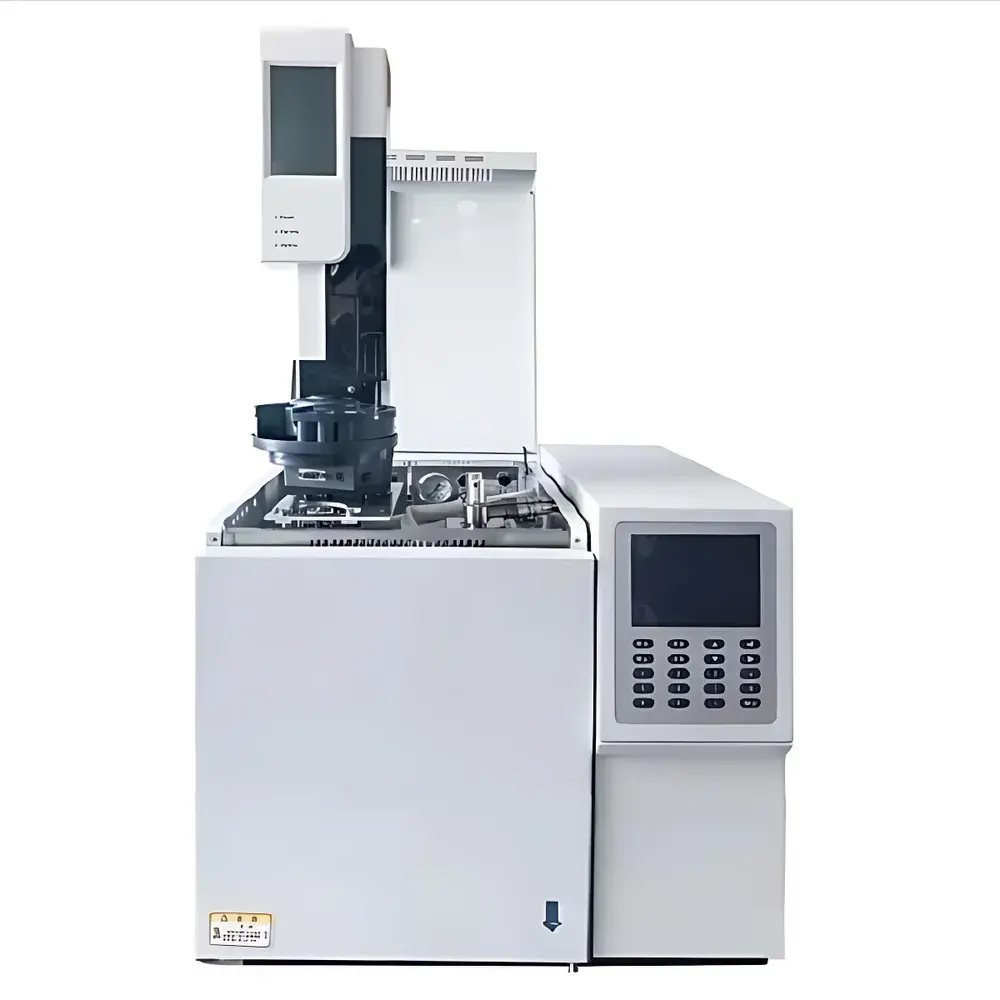
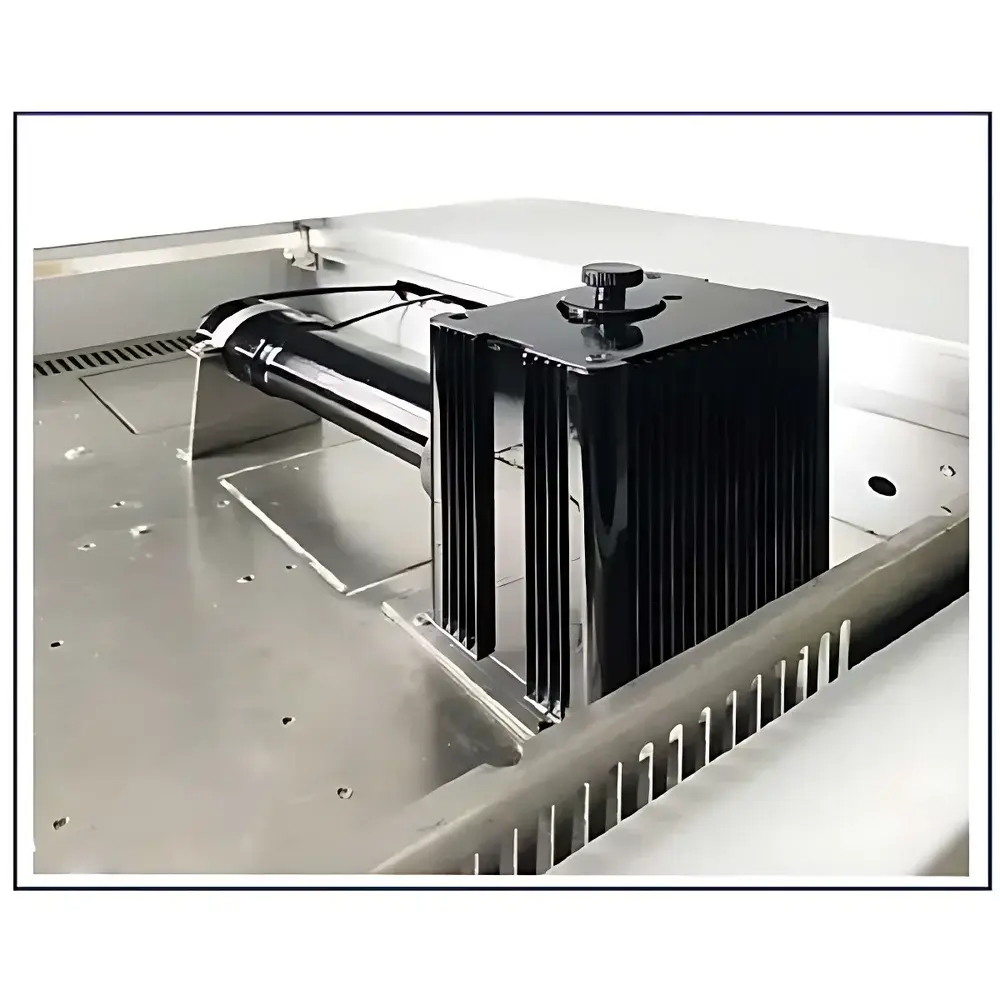
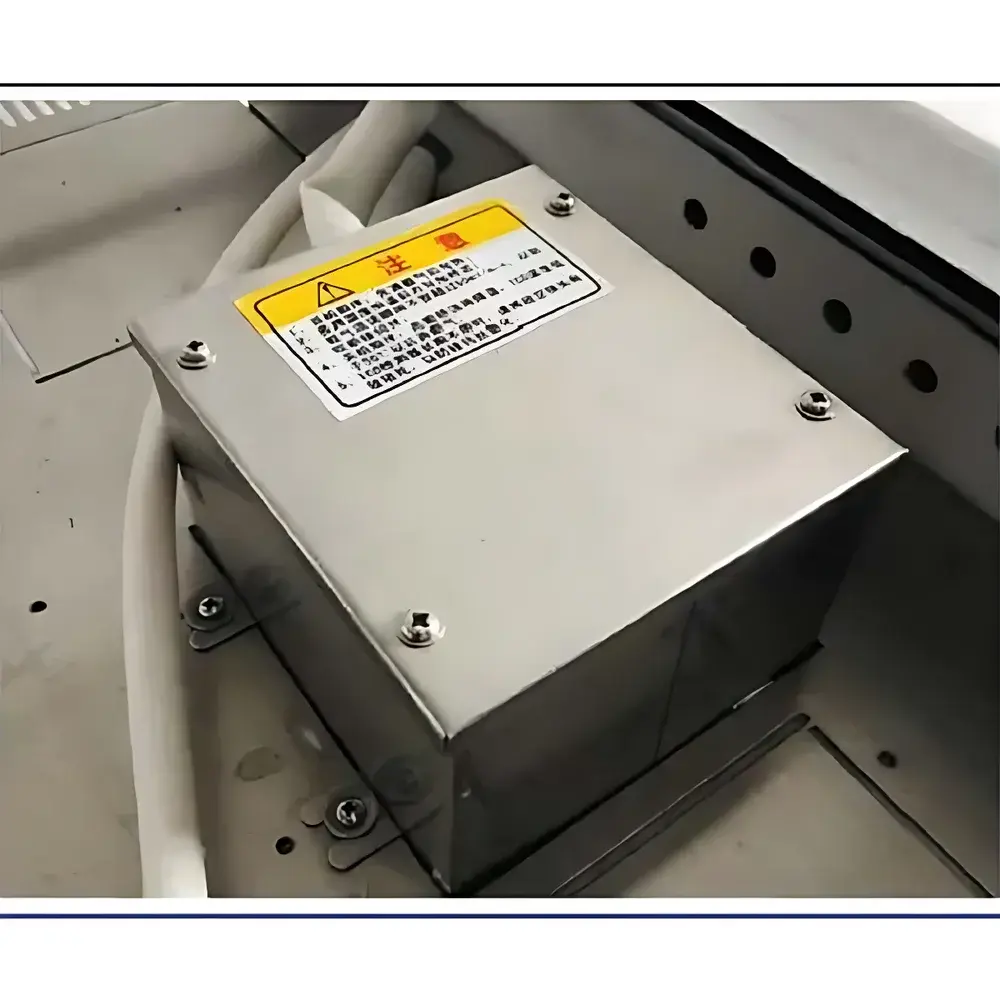
Kyocera SP-7800 Laboratory Gas Chromatograph
| Brand | Kyocera |
|---|---|
| Origin | Beijing, China |
| Manufacturer Type | Authorized Distributor |
| Origin Category | Domestic (PRC) |
| Model | SP-7800 |
| Instrument Type | Benchtop Laboratory Gas Chromatograph |
| Application Scope | General-Purpose Analytical GC |
| Oven Temperature Range | Ambient + 4 °C to 450 °C |
| Oven Ramp Rate | 0.1–40 °C/min |
| Oven Cool-Down Time | ~6 min (450 °C → 50 °C) |
| Carrier Gas Flow Range & Control | 0–200 mL/min (N₂), 0–1000 mL/min (H₂ or He) |
| Carrier Gas Pressure Range & Control | 0–970 kPa |
| Injector Maximum Operating Temperature | Ambient + 4 °C to 450 °C |
| Injector Pressure Setting Range | 0–100 psi (optional 0–150 psi) |
| Injector Total Flow Setting Range | 0–200 mL/min (N₂), 0–1000 mL/min (H₂ or He) |
Overview
The Kyocera SP-7800 is a benchtop laboratory gas chromatograph engineered for precision, stability, and operational flexibility in routine and method-development environments. It employs capillary column separation coupled with flame ionization detection (FID) or thermal conductivity detection (TCD) — configurations selected at installation — to resolve volatile and semi-volatile organic compounds across diverse matrices. Its modular oven architecture maintains ±0.1 °C temperature uniformity over the full 450 °C operating range, supporting both isothermal and programmable temperature gradient analyses. Designed for compliance-driven workflows, the SP-7800 supports retention time locking (RTL), peak tracking algorithms, and hardware-level retention index calibration — features critical for method transfer between instruments and long-term reproducibility in regulated laboratories.
Key Features
- Thermally optimized column oven with rapid heating (up to 40 °C/min) and accelerated cooling (~6 min from 450 °C to 50 °C), minimizing cycle time without compromising baseline stability.
- Dual independent temperature zones: programmable oven and separately controlled inlet(s), each with real-time PID feedback and digital pressure/flow regulation.
- Electronic pneumatic control (EPC) for carrier, makeup, and detector gases — enabling precise, repeatable flow and pressure settings across N₂, H₂, and He carrier options.
- Injector compatibility with split/splitless, on-column, and PTV (programmed temperature vaporizing) modes; maximum inlet temperature of 450 °C ensures robustness for high-boiling analytes and active compounds.
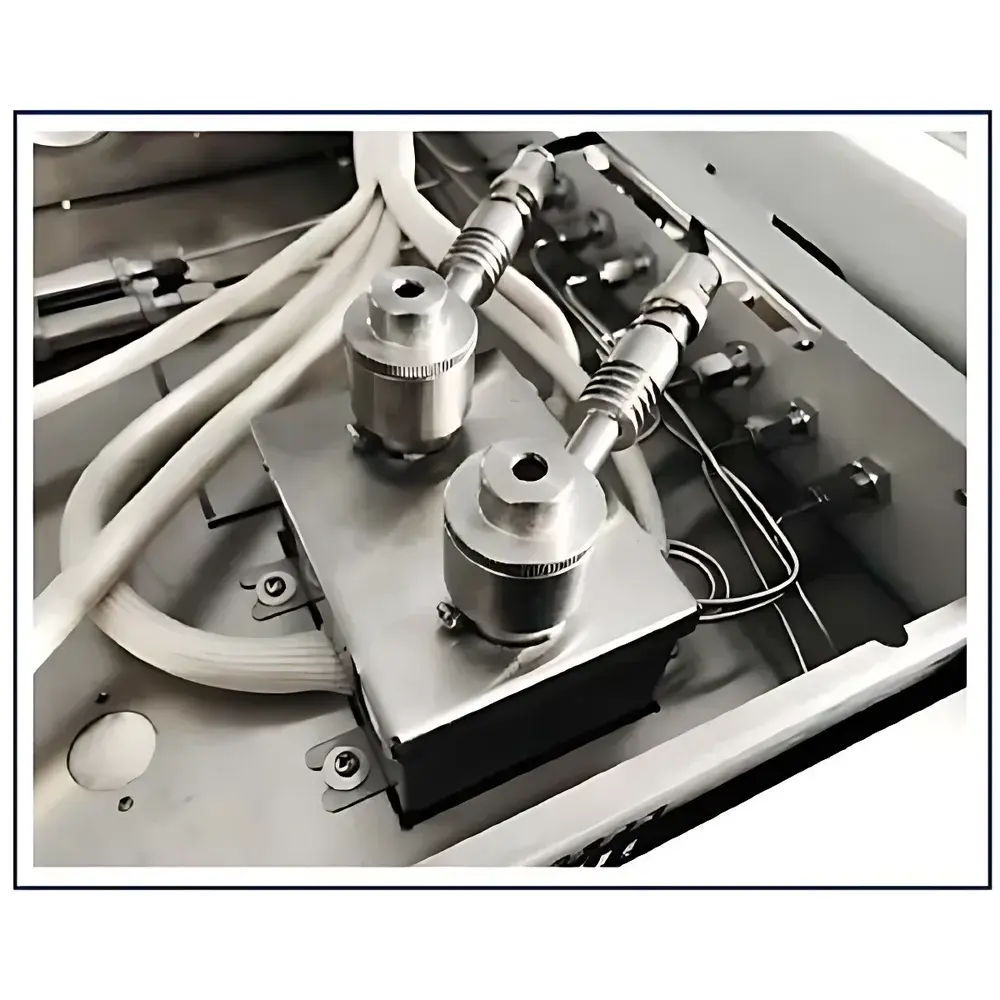
- Modular detector bays accommodating FID, TCD, ECD, or NPD — field-upgradable without OEM service intervention.
- Integrated USB and Ethernet interfaces for direct instrument control and data acquisition via third-party or vendor-supplied software platforms.
Sample Compatibility & Compliance
The SP-7800 accommodates liquid, gaseous, and headspace samples via standard 10–100 µL syringe injection or automated liquid sampler integration. It meets essential mechanical and electrical safety requirements per GB/T 18268.1–2010 (IEC 61326-1 equivalent) and electromagnetic compatibility standards per GB/T 18268.26–2010. While not pre-certified for FDA 21 CFR Part 11 out-of-the-box, its firmware architecture supports audit-trail-enabling software layers compliant with GLP and GMP documentation requirements when deployed with validated chromatography data systems (CDS). Method validation protocols align with ASTM D3699 (hydrocarbon analysis), ISO 11843 (detection capability), and USP (chromatographic separations).
Software & Data Management
Instrument control and data processing are performed via Kyocera’s GC Navigator v3.x suite — a Windows-based application supporting method creation, sequence definition, real-time monitoring, and quantitative reporting. Raw data files (.kyo) are exportable in open formats (e.g., .csv, .cdf) compatible with LIMS and enterprise analytics platforms. The software includes built-in tools for peak integration using tangent skim, valley-to-valley, and exponential curve fitting; retention time alignment across sequences; and system suitability assessment per USP criteria (e.g., resolution ≥2.0, tailing factor ≤2.0). Audit trail functionality, user role management, and electronic signature support are available upon configuration with validated CDS add-ons.
Applications
The SP-7800 serves as a foundational analytical platform in environmental testing labs (EPA Method 8260/8270 for VOCs/SVOCs), pharmaceutical QC (residual solvent analysis per ICH Q2(R2)), food safety (fatty acid methyl ester profiling, pesticide residue screening), and petrochemical QA (hydrocarbon group-type analysis by ASTM D5186). Its thermal robustness and flow precision also support method development for chiral separations, polymer additive quantification, and forensic toxicology screening where reproducible retention behavior is mandatory.
FAQ
Is the SP-7800 compatible with third-party chromatography data systems (CDS)?
Yes — it provides standard RS-232 and TCP/IP communication protocols; drivers are available for Thermo Chromeleon, Agilent OpenLab CDS, and Waters Empower via Kyocera’s API toolkit.
What detector configurations are factory-supported?
FID and TCD are standard; ECD and NPD require optional detector module installation and dedicated gas supply lines.
Does the instrument include validation documentation?
A Factory Acceptance Test (FAT) report and IQ/OQ templates are supplied; PQ execution requires site-specific protocol development and qualified personnel.
Can the SP-7800 operate under nitrogen purge for oxygen-sensitive analyses?
Yes — the detector chamber and oven cavity support continuous inert gas purging; purge flow rates are independently adjustable via front-panel controls.
What maintenance intervals are recommended for routine operation?
Column trimming every 50 injections, inlet liner replacement every 100 injections, and detector cleaning every 250 injections — frequency scales with sample matrix complexity and injection volume.




