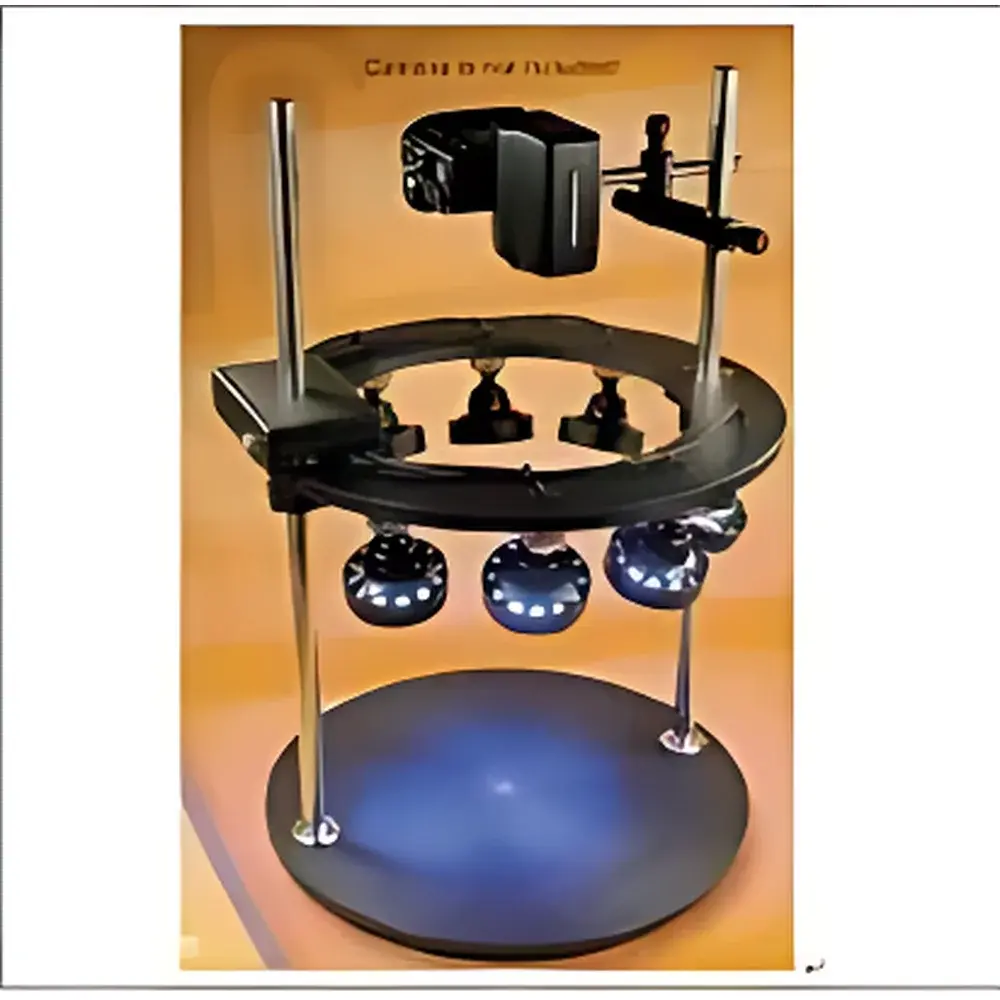
BLS GFP-MDS-96/BN Fluorescent Protein Excitation Light Source
| Brand | BLS |
|---|---|
| Model | GFP-MDS-96/BN |
| Input Voltage | 110/220 V AC |
| LED Configuration | 96 high-brightness LEDs (8 independently steerable excitation channels) |
| Filter Mount | Customizable barrier filter position ahead of objective lens |
| Camera Integration | Adjustable mounting bracket with lens-diameter-specific filter adapter support |
| Intended Use | In situ GFP/YFP visualization in live small-animal housing (e.g., mouse cages) within biosafety cabinets or laminar flow hoods |
| Compliance | Designed for GLP-aligned preclinical imaging workflows |
Overview
The BLS GFP-MDS-96/BN Fluorescent Protein Excitation Light Source is an engineered optical excitation platform designed for spatially resolved, non-invasive detection of green fluorescent protein (GFP) and yellow fluorescent protein (YFP) in live small-animal models under controlled laboratory environments. Unlike broad-spectrum transilluminators or fiber-coupled laser systems, the GFP-MDS-96/BN implements a modular array of 96 high-intensity LEDs organized into eight independently aimable excitation columns—each optimized for peak emission overlap with standard GFP (Ex ~470 nm) and YFP (Ex ~500 nm) variants. Its mechanical architecture positions the excitation optics upstream of the objective plane, enabling integration with custom barrier filters mounted directly in front of the microscope objective or observation lens. This configuration ensures precise spectral rejection of excitation light while preserving native fluorescence signal integrity—a critical requirement for quantitative longitudinal studies in transgenic rodent models.
Key Features
- Modular 96-LED array arranged in eight individually collimated excitation channels, supporting targeted illumination of discrete anatomical regions or cage compartments
- Front-mounted barrier filter holder compatible with user-specified optical density (OD), cut-on wavelength, and physical dimensions (e.g., 25 mm, 32 mm, or M27×0.75 threaded mounts)
- Dual ergonomic handle design with standardized 120 mm center-to-center spacing—engineered to accommodate standard IVC mouse cages (e.g., Allentown Caging Systems models) without disassembly
- Integrated power supply supporting universal 110–220 V AC input with internal current regulation to maintain LED output stability across voltage fluctuations
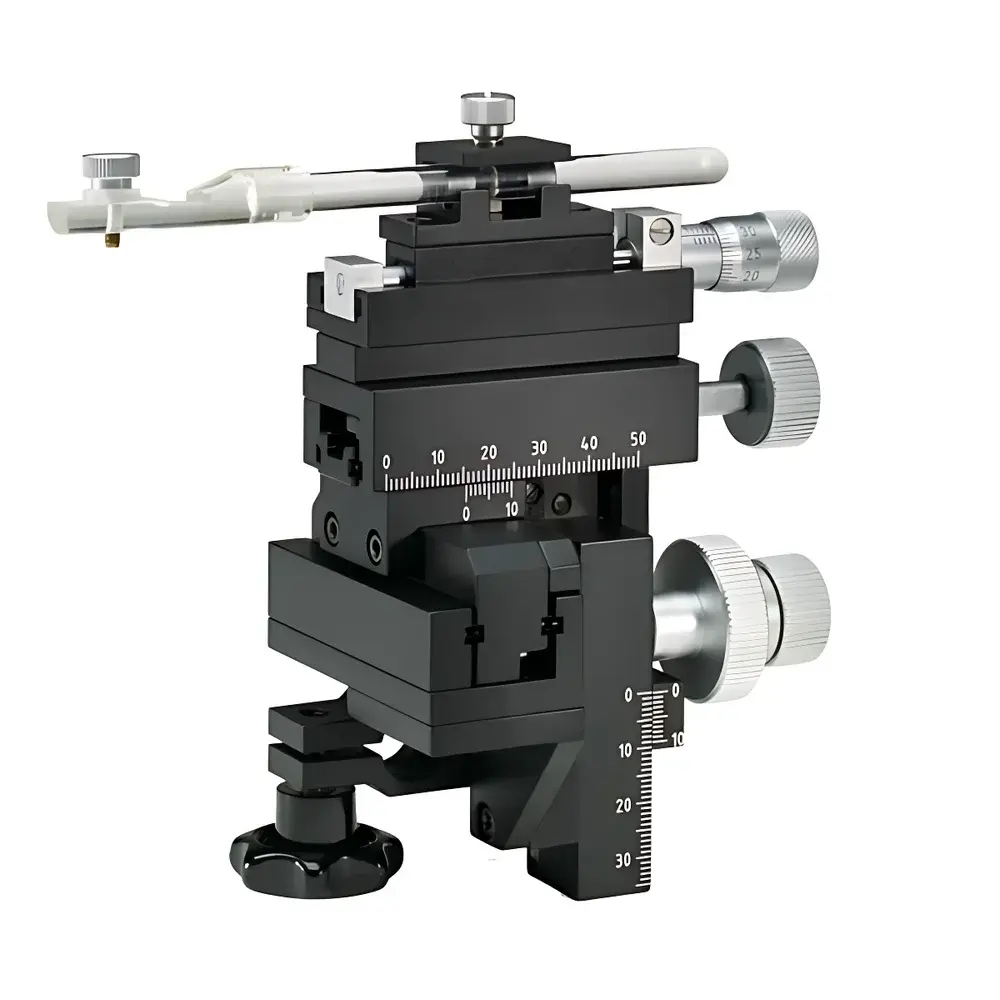
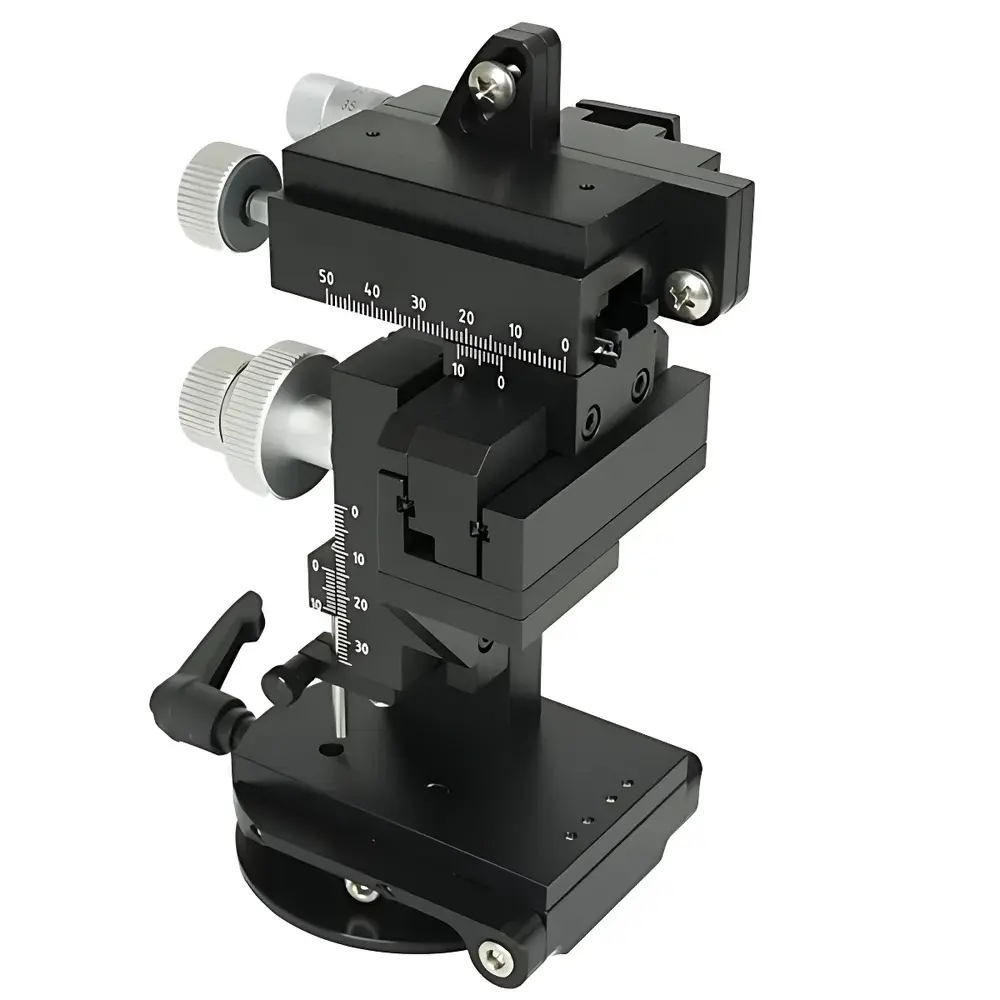
- Camera-mounting interface featuring three-axis adjustable bracket (X/Y/Z translation + pitch/yaw tilt) and lens-diameter-specific filter adapters (specify sensor format: 1/2″, 2/3″, or full-frame)
- Compatible with BLS GFsP-0 GFP Observation Goggles and YFsP-0 YFP Observation Goggles for real-time visual assessment under biosafety level 2 (BSL-2) containment conditions
Sample Compatibility & Compliance
The GFP-MDS-96/BN is validated for use with live, unrestrained small mammals housed in ventilated caging systems—including standard shoebox-style and individually ventilated cages (IVCs)—within ISO Class 5 laminar flow hoods or certified biological safety cabinets. Its low-heat LED architecture minimizes thermal stress during prolonged excitation, supporting repeated imaging sessions over multi-day experimental timelines. The system complies with IEC 61000-6-3 (EMC emission standards) and IEC 62471 (photobiological safety classification for LED light sources, Risk Group 1). While not a diagnostic medical device, its optical configuration aligns with CLSI EP17-A2 guidelines for limit-of-detection validation in fluorescence-based assays and supports audit readiness for GLP-compliant preclinical research facilities.
Software & Data Management
The GFP-MDS-96/BN operates as a hardware excitation module without embedded firmware or proprietary software control. It interfaces seamlessly with third-party imaging platforms including Hamamatsu ORCA-Fusion BT, Photometrics Prime BSI Express, and FLIR Blackfly S USB3 cameras via standard TTL trigger synchronization. All filter specifications—including transmission curves, blocking ranges, and substrate material (e.g., hard-coated fused silica vs. BK7 glass)—are documented per batch and supplied with NIST-traceable calibration reports upon request. Audit trails for filter installation, camera alignment, and excitation channel usage may be maintained manually or integrated into LabVantage LIMS or Thermo Fisher SampleManager environments using configurable metadata fields.
Applications
- In vivo GFP/YFP localization screening in transgenic mouse lines during colony expansion and genotype verification
- Longitudinal tumor xenograft monitoring in orthotopic or subcutaneous models without anesthesia-induced fluorescence quenching
- Real-time assessment of promoter activity in reporter mice housed under standard vivarium conditions
- Validation of viral vector transduction efficiency in immunocompetent models prior to terminal tissue harvest
- Quality assurance of fluorescent protein expression stability across breeding generations in core transgenic facilities
- Integration into automated phenotyping workflows where excitation timing must synchronize with behavioral tracking systems (e.g., EthoVision XT, ANY-maze)
FAQ
Is the GFP-MDS-96/BN suitable for quantitative intensity measurements?
Yes—when paired with a calibrated scientific CMOS camera and NIST-traceable neutral density filters, the system supports relative fluorescence quantification across timepoints. Absolute quantification requires concurrent reference standard imaging.
Can barrier filters be ordered with custom spectral profiles?
Yes—BLS provides OEM filter design services for dichroic, longpass, and bandpass configurations matching specific FP variants (e.g., mNeonGreen, Clover, SYFP2) and detector quantum efficiency curves.
What is the maximum continuous operating duration at full LED output?
Rated for uninterrupted operation up to 8 hours at ambient temperatures ≤25°C with adequate cabinet airflow; thermal derating begins above 30°C ambient.
Does the system meet FDA 21 CFR Part 11 requirements for electronic records?
As a standalone excitation source without data logging or user authentication, it does not fall under Part 11 scope. However, its integration into validated imaging systems may be included in broader Part 11 compliance documentation.
Are replacement LED modules field-serviceable?
Yes—individual LED columns are modular and replaceable using standard Torx T5 tools; full replacement kits include recalibration certificates and spectral verification reports.