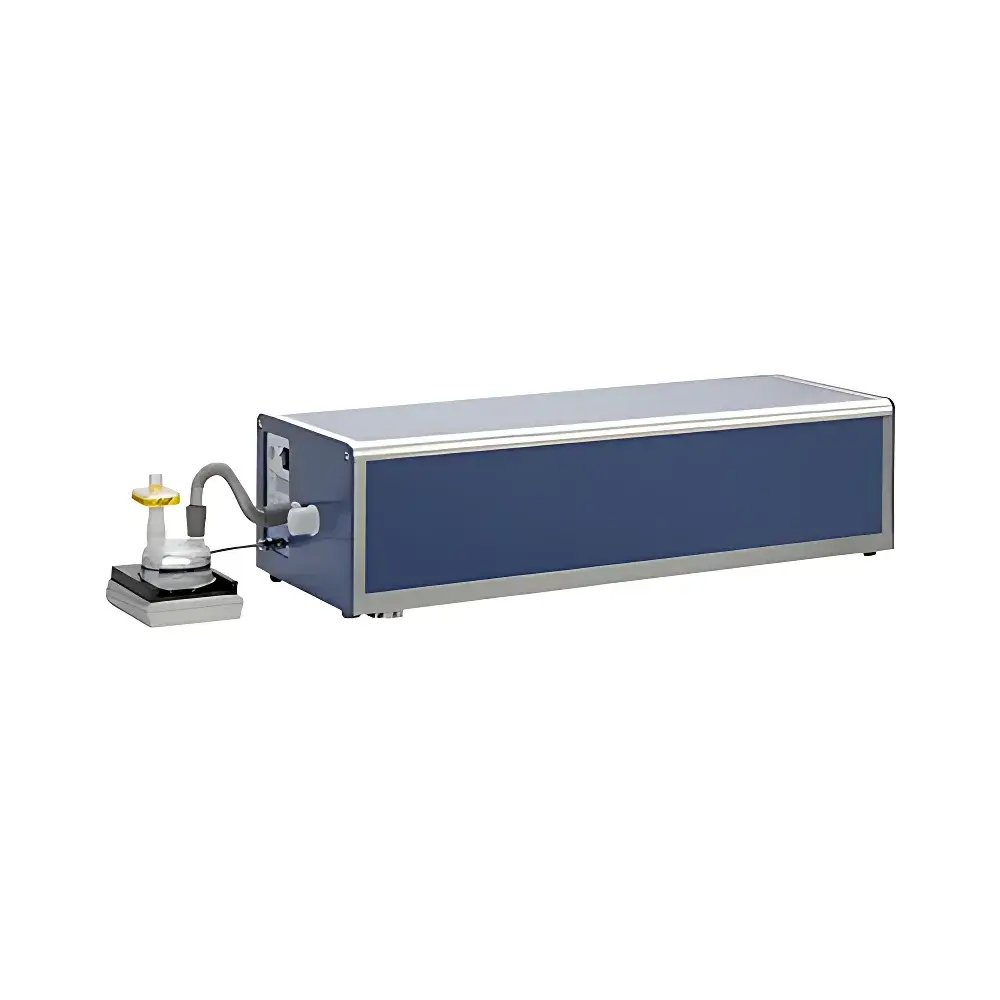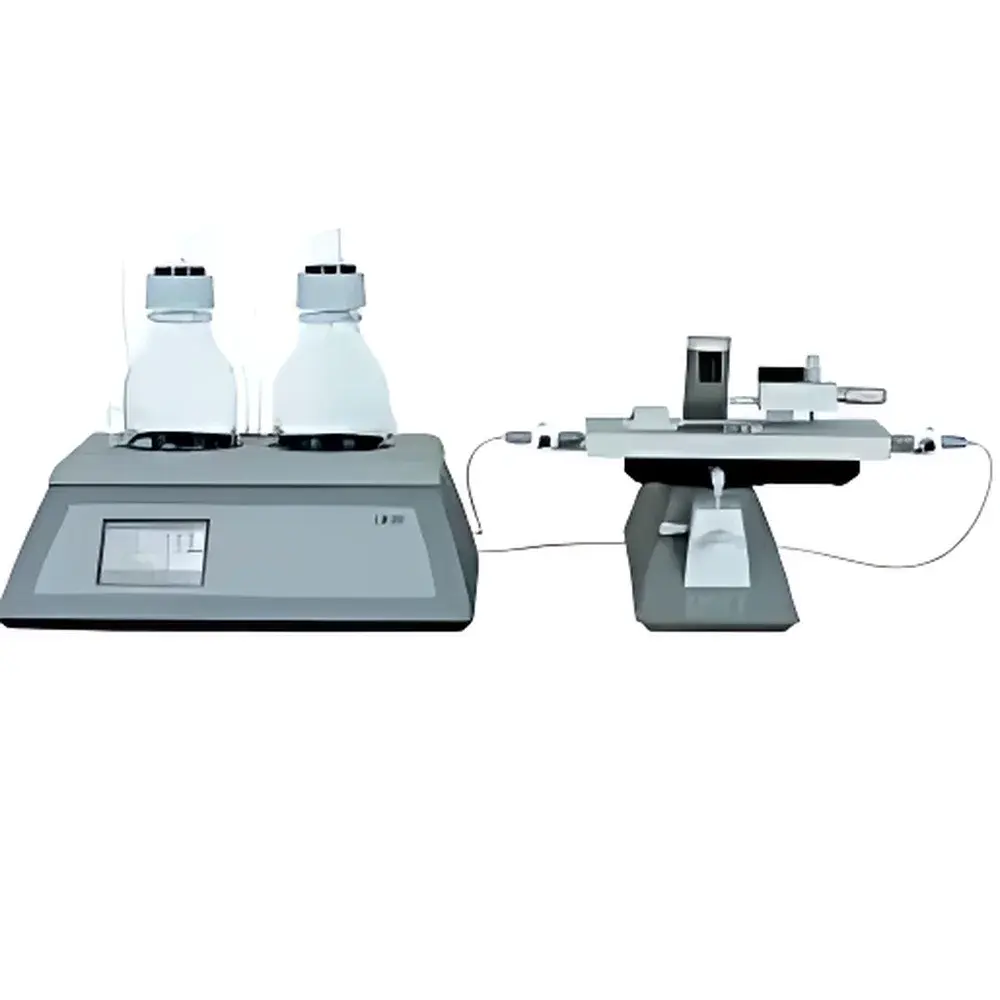
DMT 110P Pressure Myograph System for Ex Vivo Microvascular Diameter and Tone Analysis
| Origin | Denmark |
|---|---|
| Manufacturer Type | Authorized Distributor |
| Origin Category | Imported |
| Model | DMT 110P |
| Pricing | Upon Request |
Overview
The DMT 110P Pressure Myograph System is a precision-engineered platform designed for ex vivo functional assessment of resistance- and conduit-sized microvessels under near-physiological conditions. Operating on the principle of intraluminal pressure-controlled myography, the system enables quantitative measurement of vascular diameter, wall tension, distensibility, and reactivity in response to pharmacological agonists/antagonists, vasoactive peptides, shear stress, or electrical stimulation. Vessels with external diameters exceeding 60 µm—including cerebral, mesenteric, coronary, renal, and skeletal muscle arterioles—are mounted between dual glass cannulae, pressurized via hydrostatic or servo-controlled systems, and continuously monitored using high-resolution video microscopy. The integrated pressure–diameter relationship provides direct access to intrinsic myogenic tone, passive mechanical properties (e.g., incremental elastic modulus), and endothelium-dependent or -independent vasoreactivity—critical parameters in cardiovascular pathophysiology, hypertension research, and drug discovery pipelines.
Key Features
- Physiologically relevant vessel mounting: Dual-glass cannulation with manual X/Y/Z alignment for precise axial positioning and longitudinal stretch control
- High-fidelity pressure regulation: 0–250 mmHg range with ±0.1 mmHg resolution; compatible with external pressure sources and optional digital servo-control modules
- Digital video caliper system: Real-time, software-based inner/outer diameter tracking with sub-pixel accuracy and automated edge detection
- Integrated force transduction: ±50 mN tension measurement range with 0.01 mN resolution; supports longitudinal tone quantification during constant-pressure or constant-diameter protocols
- Temperature-stabilized bath environment: Electronically regulated heating (ambient to 50 °C) with ±0.1 °C stability; stainless-steel single-chamber bath (3 mL standard, up to 10 mL capacity)
- Modular compatibility: Native integration with fluorescence imaging systems (e.g., Ca²⁺ dyes such as Fura-2, pH indicators), electrophysiology rigs, and confocal platforms (via optional DMT 120CP configuration)
- Standardized analog/digital I/O: 12-bit analog output (1.0 V full scale), RS232/RS485 serial interface for synchronization with data acquisition systems (e.g., LabChart, PowerLab, Spike2)
Sample Compatibility & Compliance
The DMT 110P accommodates isolated microvessels ≥60 µm in external diameter, including first- to third-order resistance arteries and small muscular arteries. It supports both pressurized (isobaric) and wire-mounted (isometric) experimental paradigms, enabling comparative analysis across vessel types and disease models. The system conforms to internationally recognized standards for vascular physiology instrumentation, including ASTM F2923 (standard guide for evaluation of vascular tissue engineering scaffolds), ISO 10993-5 (biocompatibility testing), and GLP-compliant experimental design frameworks. All hardware components—including bath materials, cannulae, and fluidic interfaces—meet USP Class VI biocompatibility requirements. Optional accessories (e.g., peristaltic pump, pH meter, flowmeter) are CE-marked and calibrated per ISO/IEC 17025 traceable procedures.
Software & Data Management
Data acquisition and analysis are performed using DMT’s proprietary MyoVIEW™ software suite, which supports real-time visualization of pressure, diameter, wall thickness, calculated wall stress, and derived hemodynamic indices (e.g., myogenic index, distensibility coefficient). The software includes audit-trail functionality compliant with FDA 21 CFR Part 11 requirements when deployed in regulated environments, featuring user-level access controls, electronic signatures, and immutable raw-data archiving. Export formats include CSV, MATLAB (.mat), and HDF5 for downstream statistical modeling (e.g., nonlinear regression of concentration–response curves) and machine learning–enabled phenotype clustering. Batch processing tools enable reproducible analysis across multi-vessel datasets, supporting publication-ready figure generation aligned with journal standards (e.g., Circulation Research, Hypertension, American Journal of Physiology–Heart and Circulatory Physiology).
Applications
- Endothelial function assessment: NO-mediated dilation, prostacyclin release, EDHF signaling, and ROS modulation
- Smooth muscle ion channel pharmacology: L-type Ca²⁺ channel blockade, K⁺ channel activation (KATP, BKCa, KV), Rho-kinase inhibition
- Receptor characterization: GPCR ligand profiling (e.g., angiotensin II, endothelin-1, serotonin), allosteric modulator screening
- Hormonal and neurohumoral regulation: Insulin-induced vasodilation, norepinephrine sensitivity, aldosterone effects on vascular stiffness
- Disease mechanism studies: Hypertensive remodeling, diabetic microangiopathy, preeclampsia-associated endothelial dysfunction, aging-related stiffening
- Preclinical drug evaluation: ACE inhibitors, sGC stimulators, soluble epoxide hydrolase (sEH) inhibitors, novel vasoprotective biologics
FAQ
What vessel size range is supported by the DMT 110P?
The system is optimized for microvessels with external diameters ≥60 µm; the optional 110PXL variant extends compatibility to larger vessels (2.5–6.0 mm) and ring preparations.
Is temperature control fully automated and validated?
Yes—integrated electronic feedback heating maintains bath temperature within ±0.1 °C across 15–50 °C, with NIST-traceable external probe calibration support.
Can the DMT 110P be used for simultaneous Ca²⁺ imaging and pressure myography?
Absolutely—the optical design permits upright or inverted fluorescence microscopy integration; users routinely combine it with ratiometric dyes (Fura-2, Indo-1) and confocal line-scanning protocols.
Does the system meet regulatory requirements for preclinical contract research?
When configured with MyoVIEW™ audit trail mode and validated SOPs, the platform supports GLP-compliant study execution and 21 CFR Part 11–aligned data submission to regulatory agencies.
Are service and calibration support available globally?
DMT A/S and its authorized distribution network provide factory-certified recalibration, preventive maintenance, and application-specific training across EMEA, North America, and APAC regions.