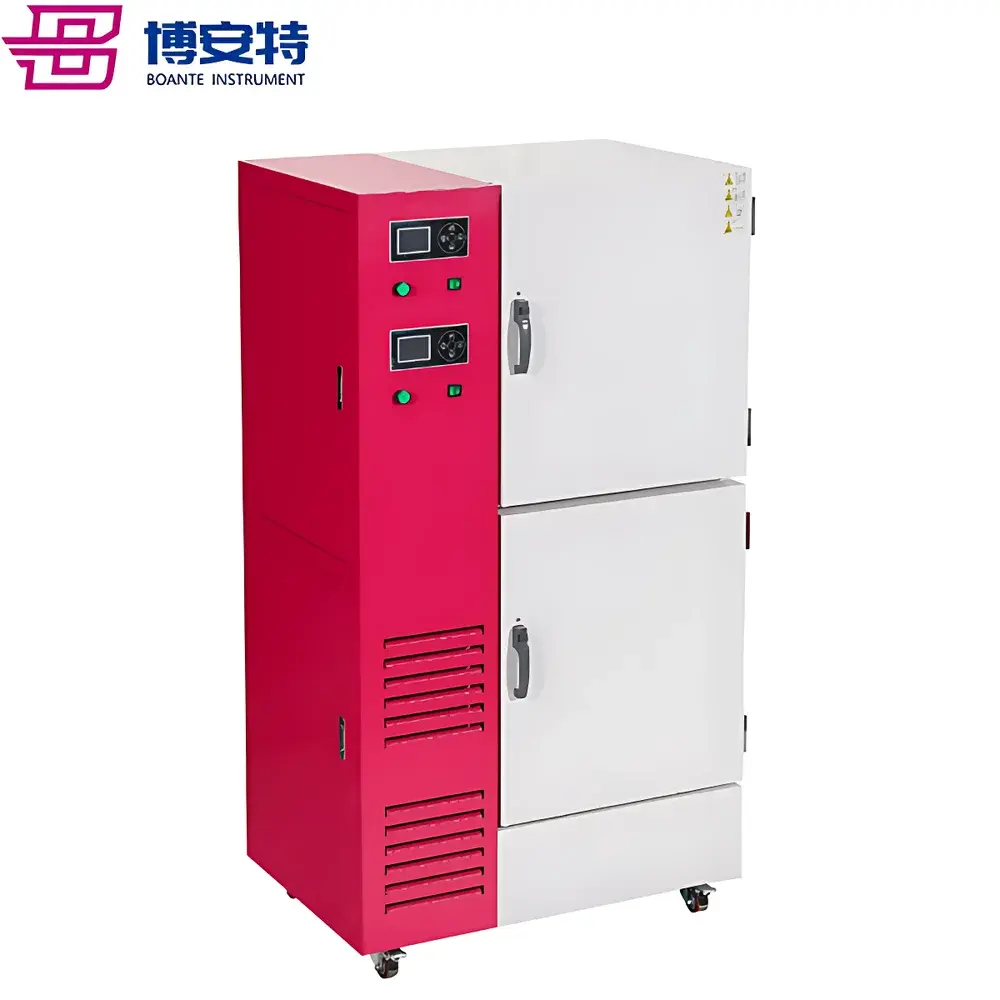
Intratracheal Inhalation Exposure System
| Origin | USA |
|---|---|
| Manufacturer Type | Distributor |
| Origin Category | Imported |
| Model | Intratracheal Inhalation Exposure System |
| Pricing | Upon Request |
Overview
The Intratracheal Inhalation Exposure System is a precision-engineered life science instrument designed for controlled, direct delivery of test agents into the trachea of small laboratory animals—primarily mice and rats—enabling highly reproducible pulmonary exposure studies. Unlike whole-body or nose-only inhalation chambers, this system bypasses upper airway filtration and deposition, delivering aerosols, dry powders, liquid droplets, or radiolabeled compounds directly into the lower respiratory tract with minimal variability in dosing kinetics. It operates on the principle of transient tracheal cannulation under brief anesthesia, followed by synchronized bolus or continuous infusion of the test substance via calibrated micro-syringe pumps or nebulization modules. This approach ensures accurate dose quantification at the alveolar level, making it indispensable for pharmacokinetic (PK), toxicokinetic (TK), and pulmonary disposition studies where regional lung deposition, epithelial uptake, macrophage interaction, and translocation to systemic circulation must be rigorously characterized.
Key Features
- Direct intratracheal administration enabling precise anatomical targeting of the distal airways and alveolar region
- Compatible with diverse aerosolized forms: submicron dry powders, micronized suspensions, nebulized liquids, and volatile organic compounds
- Integrated real-time flow control and pressure monitoring to maintain physiological breathing patterns during instillation
- Modular design supporting optional integration with mass spectrometry-coupled aerosol generators or radioactivity detectors for radiolabeled tracer studies
- Animal-compatible thermal and humidity regulation to minimize stress-induced physiological artifacts during exposure
- Compliance-ready hardware architecture supporting audit trails, user access levels, and electronic signature capability per FDA 21 CFR Part 11 requirements
Sample Compatibility & Compliance
This system accommodates standard rodent models (C57BL/6, Sprague-Dawley, Wistar, and CD-1) across weight ranges from 18–35 g (mice) and 200–300 g (rats). It supports exposure to pharmaceuticals, nanomaterials, environmental particulates (e.g., PM2.5, diesel exhaust particles), engineered nanoparticles, and 14C- or 3H-labeled compounds. All wetted components are constructed from USP Class VI-certified biocompatible materials (e.g., medical-grade silicone, PTFE, and borosilicate glass), ensuring chemical inertness and minimal adsorption losses. The system conforms to OECD Test Guideline 412 (Subacute Inhalation Toxicity) and supports study designs aligned with ISO 10993-11 (biological evaluation of medical devices) and ASTM E1711 (standard practice for conducting inhalation toxicity studies).
Software & Data Management
The system is operated via a dedicated Windows-based control interface that logs time-stamped exposure parameters—including instillation volume, flow rate, duration, animal ID, operator credentials, and ambient temperature/humidity—at 100 Hz resolution. Raw data exports in CSV and HDF5 formats support downstream integration with PK modeling platforms such as Phoenix WinNonlin or NONMEM. Audit trail functionality records all parameter modifications, session start/stop events, and calibration actions with immutable timestamps. Data integrity safeguards include automatic backup to network drives, role-based permissions (admin, technician, reviewer), and encryption-at-rest compliant with GLP and GMP documentation standards.
Applications
- Quantitative assessment of pulmonary absorption kinetics and first-pass metabolism in alveolar type I/II pneumocytes
- Distribution profiling of inhaled therapeutics (e.g., mRNA-LNPs, peptide conjugates) across lung lobes, bronchoalveolar lavage fluid (BALF), blood, liver, kidney, and brain
- Toxicity screening of inhaled nanomaterials using histopathology-correlated BALF cytokine panels (IL-6, TNF-α, KC/GRO)
- Validation of inhalable drug delivery systems against in vitro air–liquid interface (ALI) models
- Radiotracer biodistribution studies supporting regulatory submissions to the FDA, EMA, and PMDA
- Development of inhalation-based vaccine candidates targeting dendritic cell populations in lung-associated lymphoid tissue (LALT)
FAQ
Is surgical tracheostomy required for each exposure session?
No—this system utilizes a non-surgical, transient tracheal intubation technique with a flexible, tapered cannula inserted under brief isoflurane anesthesia; no permanent incision or suturing is performed.
Can the system deliver both liquid and dry powder aerosols?
Yes—via interchangeable modules: a precision micro-syringe pump for liquid bolus delivery and an aerodynamic particle sizer (APS)-calibrated dry powder disperser for monodisperse or polydisperse aerosol generation.
What animal welfare provisions are integrated?
The platform includes real-time capnography, pulse oximetry, and body temperature feedback loops; all protocols adhere to AAALAC International standards and NIH Guide for Care and Use of Laboratory Animals guidelines.
Does the system support Good Laboratory Practice (GLP) compliance?
Yes—full electronic record retention, 21 CFR Part 11-compliant audit trails, and IQ/OQ/PQ validation documentation packages are available upon request.
Is remote operation supported for biosafety level 2 (BSL-2) containment environments?
Yes—the control unit can be located outside the containment suite with fiber-optic signal transmission and HEPA-filtered exhaust routing to maintain biosafety integrity.