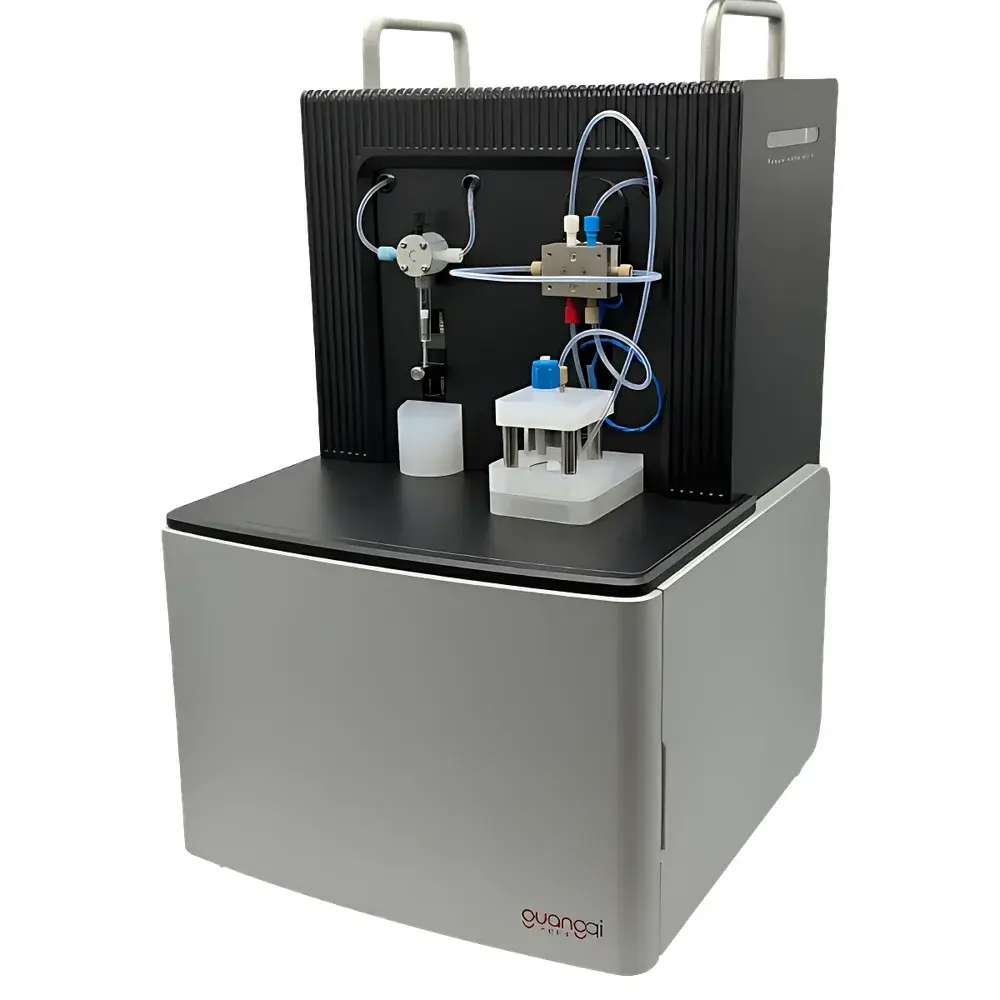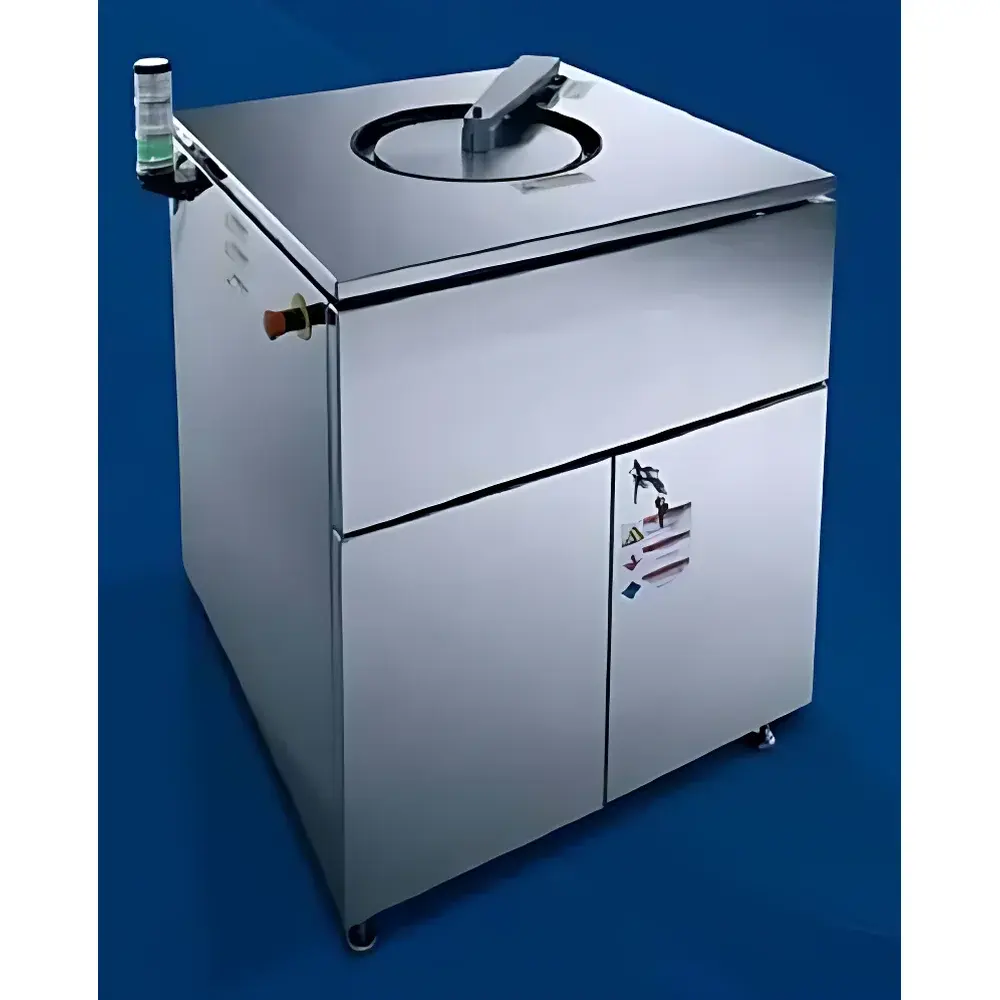
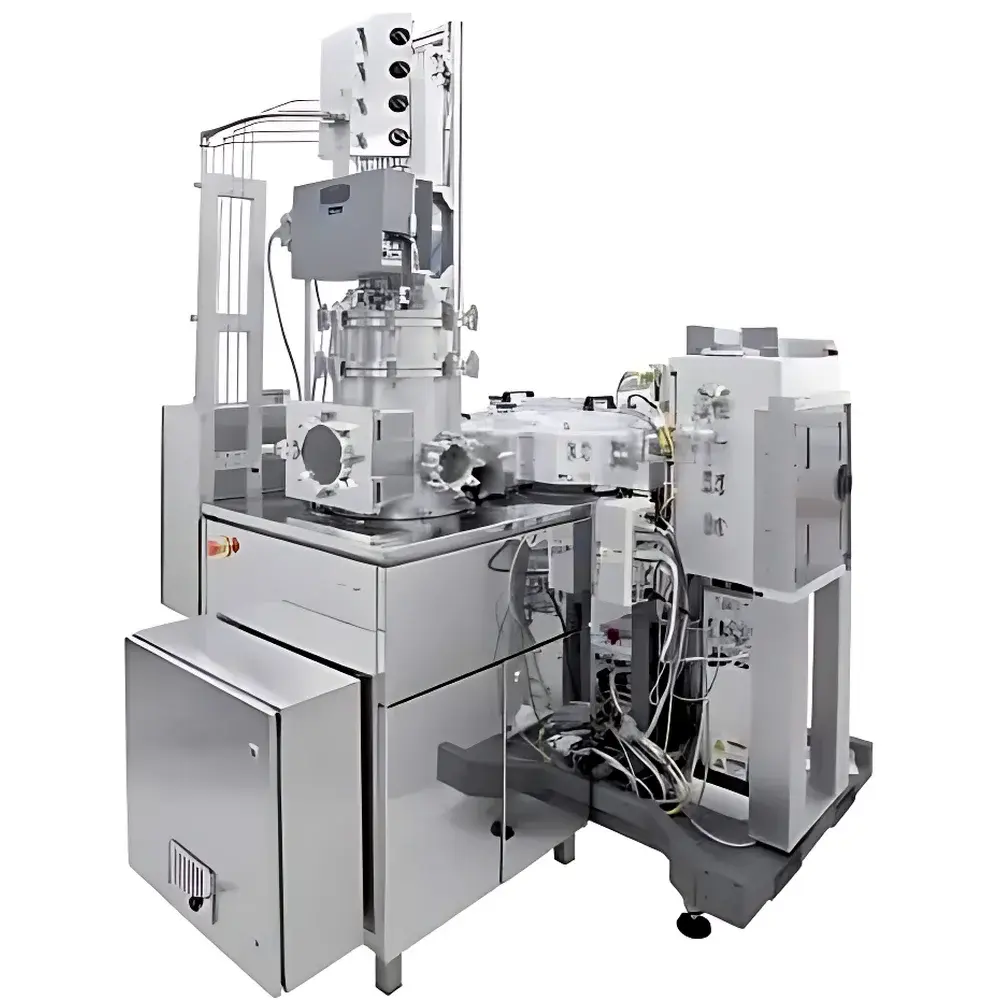
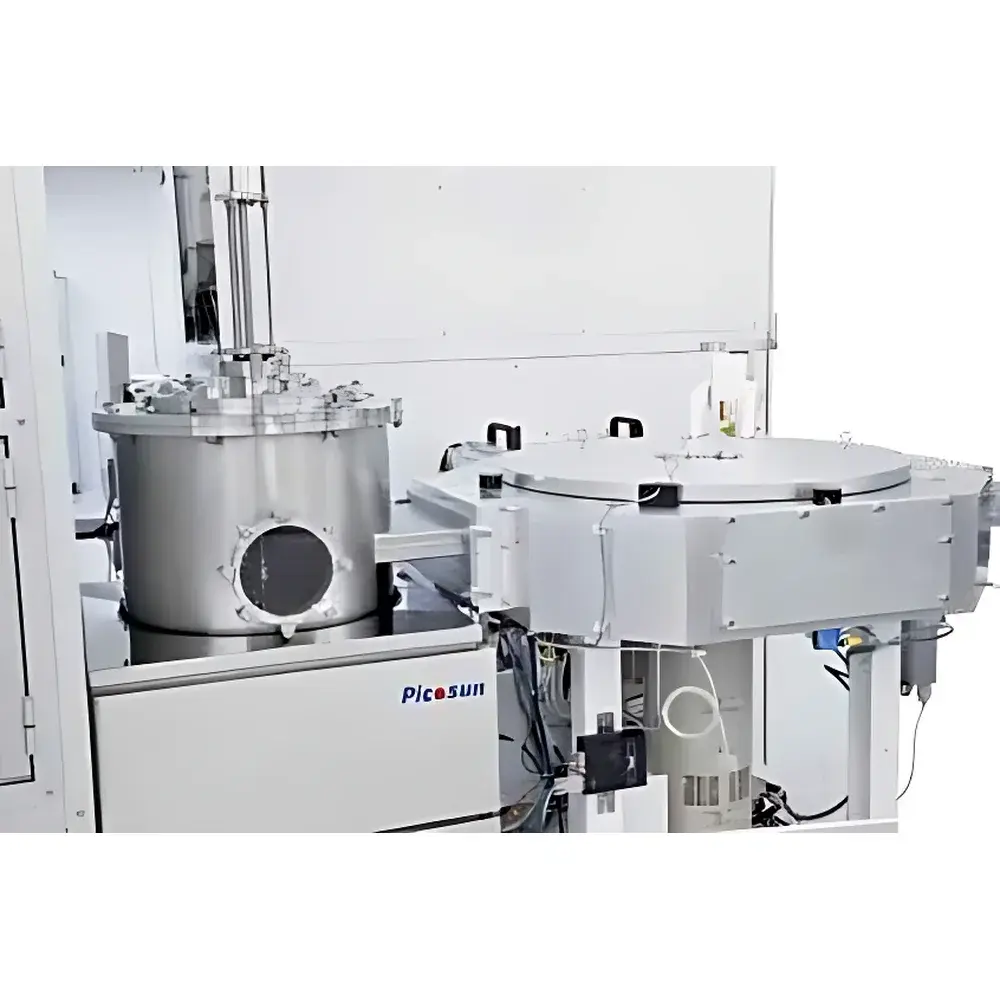
Picosun SUNALE™ R-Series Atomic Layer Deposition System
| Brand | Picosun |
|---|---|
| Origin | Finland |
| Model | R-Series |
| Substrate Size | 200 mm (8-inch) |
| Process Temperature | Up to 500 °C |
| Precursor Channels | 6 |
| Weight | 350 kg |
| Dimensions (W × H × D) | 146 cm × 146 cm × 84 cm |
| Thickness Uniformity | ±1% |
| Reactor Materials | 316 Stainless Steel, Titanium, Nickel, Aluminum, Quartz |
| Precursor States | Gas, Liquid, Solid |
| Load Lock | Picoloader™ Manual Transfer System with Pre-Vacuum Chamber and Gate Valve |
| Vacuum Pump Capacity | 30–80 m³/h |
| Carrier Gas | ≥99.999% N₂ or Ar, min. 2 slm |
| Power Supply | 100–240 V, 50/60 Hz, 1- or 3-phase, 3.7 kW |
| Cooling | Air-cooled (no external water required) |
| Exhaust | Dedicated for pump and precursor cabinets |
Overview
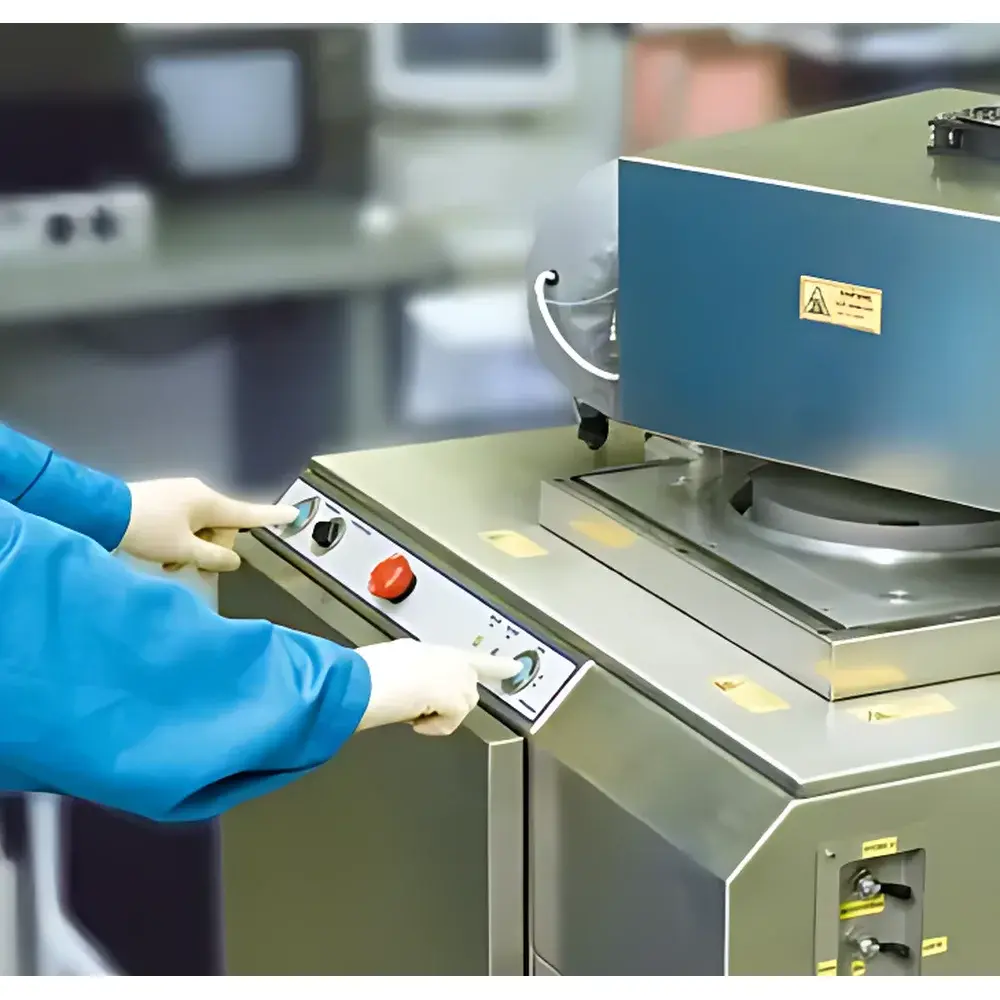
The Picosun SUNALE™ R-Series Atomic Layer Deposition (ALD) System is a high-precision, modular thin-film growth platform engineered for research, development, and pilot-scale manufacturing in semiconductor fabrication, advanced packaging, MEMS/NEMS, photovoltaics, and functional coatings. Based on the self-limiting surface reaction principle—where sequential, saturating pulses of gaseous, liquid, or solid precursors react with atomic monolayers—the R-Series delivers sub-nanometer thickness control, exceptional conformality over high-aspect-ratio structures (e.g., trenches >50:1), and repeatable stoichiometry across full 200 mm wafers. Designed and manufactured in Espoo, Finland, the system embodies over four decades of ALD engineering heritage rooted in the foundational work of Dr. Tuomo Suntola—the inventor of ALD—and sustained by Picosun’s in-house R&D team, which has contributed more than 100 ALD-specific patents and accumulated >200 person-years of reactor design experience.
Key Features
- Modular reactor architecture supporting scalable configurations—from compact R-100 (R&D) to R-300 (pilot production)—with interchangeable chamber liners (316 stainless steel, titanium, nickel, aluminum, or quartz) optimized for corrosive, high-temperature, or ultra-clean processes.
- Six independent, mass-flow-controlled precursor delivery lines enabling complex multi-component film synthesis (e.g., Al₂O₃/HfO₂ nanolaminates, doped metal oxides, nitrides, sulfides) with precise pulse timing (ms resolution) and purge synchronization.
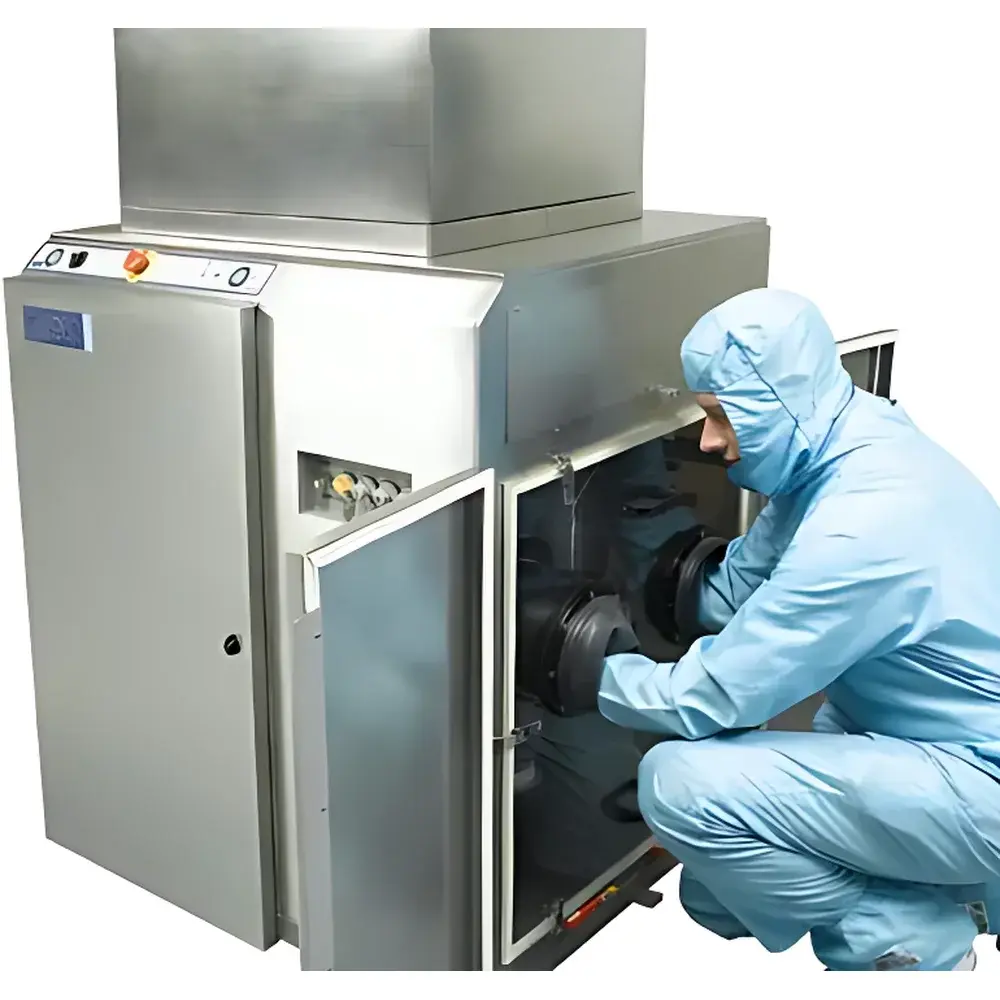
- Picoloader™ manual load-lock system featuring a dedicated pre-vacuum chamber and gate valve, ensuring <1×10⁻⁶ mbar base pressure prior to wafer transfer and minimizing process contamination during atmospheric loading.
- Integrated temperature control from ambient to 500 °C with ±0.5 °C stability across the entire 200 mm substrate stage, supported by real-time thermocouple feedback and uniform heating zone design.
- Full vacuum-integrated exhaust management with dedicated lines for pump exhaust and precursor cabinet venting, compliant with SEMI S2/S8 safety guidelines and local chemical handling regulations.
- Robust mechanical construction (350 kg total mass) with vibration-damped frame and ESD-safe enclosure, certified to CE, UL 61010-1, and ISO 14644-1 Class 5 cleanroom compatibility.
Sample Compatibility & Compliance
The R-Series accommodates substrates up to 200 mm (8-inch) diameter—including silicon, SiC, GaN, glass, polymer foils, and flexible electronics—with optional edge exclusion mapping and backside helium cooling for thermal-sensitive materials. All wetted surfaces are electropolished and passivated to minimize particle generation and metal contamination. The system meets GLP/GMP documentation requirements through configurable audit trails, user access levels, and electronic signature support—fully compatible with FDA 21 CFR Part 11 when integrated with validated LIMS or MES platforms. Process recipes adhere to ASTM F3262 (Standard Guide for ALD Process Characterization) and ISO/IEC 17025 traceability frameworks for metrology-critical applications.
Software & Data Management
Controlled via Picosun’s proprietary ALD Studio™ software suite, the R-Series provides intuitive recipe programming, real-time parameter monitoring (pressure, temperature, flow, valve status), and automated fault logging. All process data—including timestamps, setpoints, actuals, and alarm histories—are stored in encrypted SQLite databases with configurable export (CSV, XML, HDF5). Remote diagnostics, firmware updates, and preventive maintenance scheduling are accessible via secure HTTPS interface. Optional integration with OPC UA enables seamless connectivity to factory automation systems (SECS/GEM, CIM) and supports batch record generation aligned with ICH Q7 and ISO 9001 quality management standards.
Applications
- Semiconductor front-end: High-k gate dielectrics (HfO₂, Al₂O₃), interfacial layers (SiO₂), diffusion barriers (TiN, TaN), and etch-stop films.
- Advanced packaging: Conformal under-bump metallization (UBM), redistribution layer (RDL) encapsulation, and fan-out wafer-level packaging (FOWLP) passivation.
- MEMS & sensors: Hermetic sealing layers (Al₂O₃), piezoelectric thin films (AlN, ZnO), and anti-stiction coatings.
- Energy devices: Solid-state battery electrolytes (LiPON, LiNbO₃), perovskite solar cell hole/electron transport layers, and catalyst supports.
- Biomedical coatings: Antimicrobial TiO₂, hydroxyapatite for implants, and drug-eluting polymer-functionalized surfaces.
FAQ
What substrate sizes does the R-Series support?
Standard configuration supports 50–150 mm wafers; 200 mm (8-inch) processing is available as a factory-configured option with enhanced thermal uniformity calibration.
Can the system handle solid and liquid precursors?
Yes—six independently heated and temperature-controlled precursor lines accommodate gas-phase, bubbled liquid, and sublimed solid precursors, including metal-organic, halide, and amidinate chemistries.
Is remote operation and troubleshooting supported?
The system includes embedded Ethernet connectivity, TLS-secured web interface, and optional remote desktop access (with customer-defined firewall policies) for real-time diagnostics and software updates.
How is process repeatability ensured across multiple runs?
Each run records full parameter history with hardware-timestamped events; inter-run drift is mitigated via automatic chamber conditioning cycles, in-situ pressure calibration, and closed-loop temperature stabilization.
Does Picosun provide installation qualification (IQ) and operational qualification (OQ) documentation?
Yes—comprehensive IQ/OQ protocols, calibration certificates, and as-built mechanical drawings are supplied with every system, fully customizable to site-specific validation requirements.