
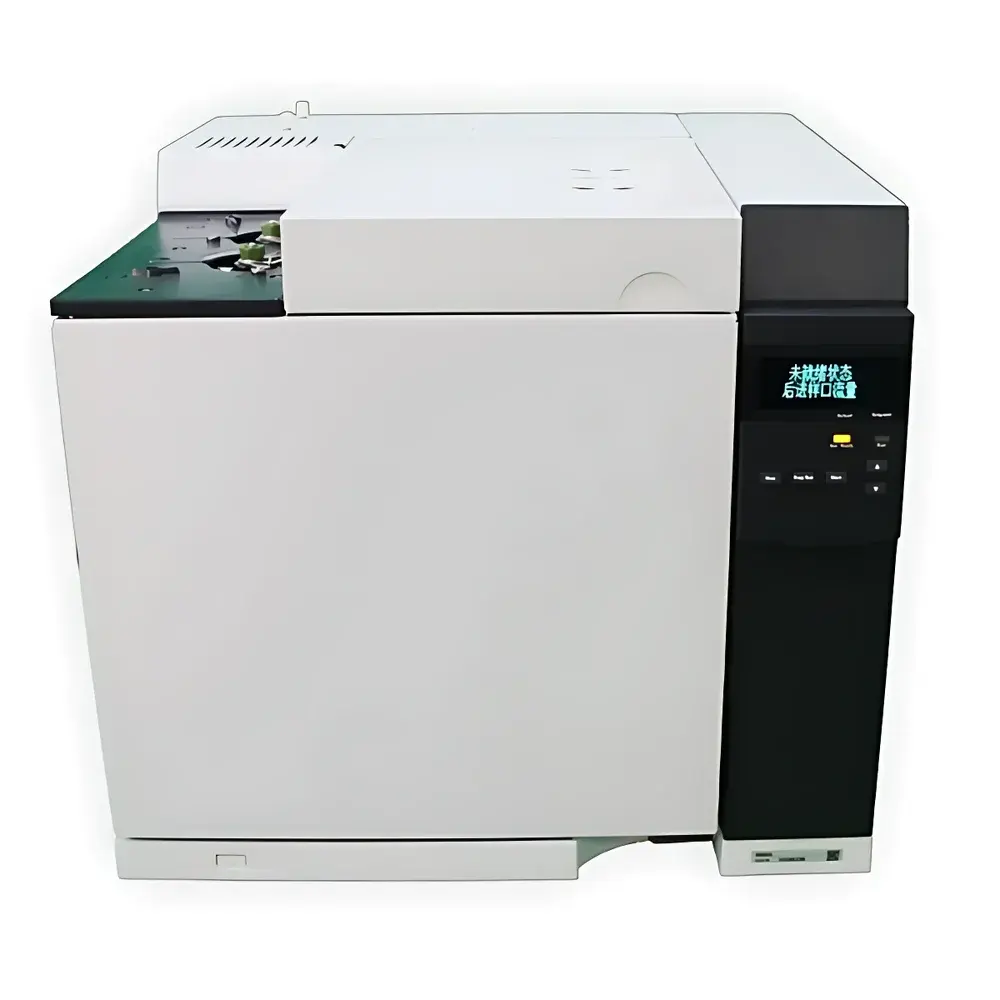
APL GC2022 Intelligent Gas Chromatograph
| Brand | APL |
|---|---|
| Origin | Shanghai, China |
| Manufacturer Type | Manufacturer |
| Instrument Type | Laboratory Gas Chromatograph |
| Temperature Control Range | 8°C above ambient to 425°C |
| Oven Ramp Rate | Up to 75°C/min |
| Carrier Gas Pressure Control Range | 0–689.47 kPa (0–100 psi) |
| Injector Maximum Operating Temperature | 400°C |
| Injector Pressure Setting Range | 0–689.47 kPa |
| Injector Total Flow Setting Range | 0–100 psi |
Overview
The APL GC2022 Intelligent Gas Chromatograph is a fully integrated, laboratory-grade gas chromatography system engineered for precision, regulatory compliance, and long-term operational stability. Built upon decades of chromatographic expertise, it employs advanced electronic pressure control (EPC) architecture across all gas flow paths—injector, column oven, and detector—to deliver exceptional retention time reproducibility (<0.008 min RSD) and peak area precision (<1.0% RSD). Its modular design supports multiple detection modalities—including FID, TCD, NPD, micro-ECD, and FPD Plus—and accommodates both capillary and packed column configurations. The system operates under ISO/IEC 17025-aligned workflows and is architected to support GLP/GMP environments through audit-trail-capable software, method validation templates, and secure user access controls.
Key Features
- Full Electronic Pressure Control (EPC): Digital regulation of carrier, makeup, and fuel gases at injector, column, and detector interfaces ensures method transferability and inter-laboratory consistency.
- High-Performance Oven System: Temperature range from 8°C above ambient to 425°C with programmable ramp rates up to 75°C/min and isothermal hold stability of ±0.01°C.
- Multi-Mode Injector Options: Standard split/splitless (SSL) inlet; optional PPIP for packed columns; programmable cool-on-column (PCOC) for thermally labile compounds (≥0.250 mm ID columns).
- Automated Valve Control: Integrated support for up to two heated switching valves—ideal for refinery gas analysis, simulated distillation, or heart-cutting applications per ASTM D7166 and ASTM D7213.
- Modular Detector Architecture: Hot-swappable detector bays enable rapid reconfiguration between FID (detection limit: 10⁵), micro-ECD (detection limit: <0.005 pg/mL lindane), and FPD Plus (sulfur sensitivity: <0.2 pg S/sec).
- Intuitive Human-Machine Interface: Five-button front-panel navigation with graphical LCD display; no external PC required for basic method execution or diagnostics.
Sample Compatibility & Compliance
The GC2022 accommodates volatile and semi-volatile organic compounds (VOCs/SVOCs) in matrices including environmental water and soil extracts, petrochemical fractions, pharmaceutical residual solvents (ICH Q3C), food contaminants (e.g., pesticides per EU 2021/2008), and polymer additives. It meets critical regulatory requirements including USP , EP 2.2.46, ASTM E260, ISO 10380, and EPA Methods 8021B, 8260D, and 8270E. All EPC parameters are traceable to NIST-calibrated pressure transducers, and firmware complies with IEC 62443-3-3 for industrial cybersecurity baseline protection.
Software & Data Management
Bundled APL ChromaSuite™ software provides full instrument control, sequence management, peak integration, calibration curve generation, and report export in PDF, CSV, and XML formats. The software supports 21 CFR Part 11 compliance via electronic signatures, role-based permissions, immutable audit trails, and automated backup to network storage. Method files embed complete hardware configuration metadata—including column dimensions, detector settings, and EPC valve states—enabling seamless method transfer between instruments. Optional LIMS integration is available via ASTM E1578-compliant API.
Applications
- Environmental testing: VOC screening in drinking water (EPA 524.4), pesticide residue quantification in produce (AOAC 2007.01)
- Petrochemical analysis: Hydrocarbon type analysis (HTA) per ASTM D5186, gasoline oxygenates per ASTM D4815
- Pharmaceutical QC: Residual solvent profiling per ICH Q3C guidelines using headspace-GC/FID
- Food safety: Mycotoxin derivatization and detection (e.g., aflatoxins via GC-EC)
- Forensic toxicology: Volatile substance identification in blood samples (SWGDAM guidelines)
FAQ
What regulatory standards does the GC2022 support out-of-the-box?
It ships with pre-validated methods aligned with USP , EP 2.2.46, ASTM D7166, and EPA 8260D—fully documented in the IQ/OQ/PQ protocol package.
Can the system operate unattended for extended sequences?
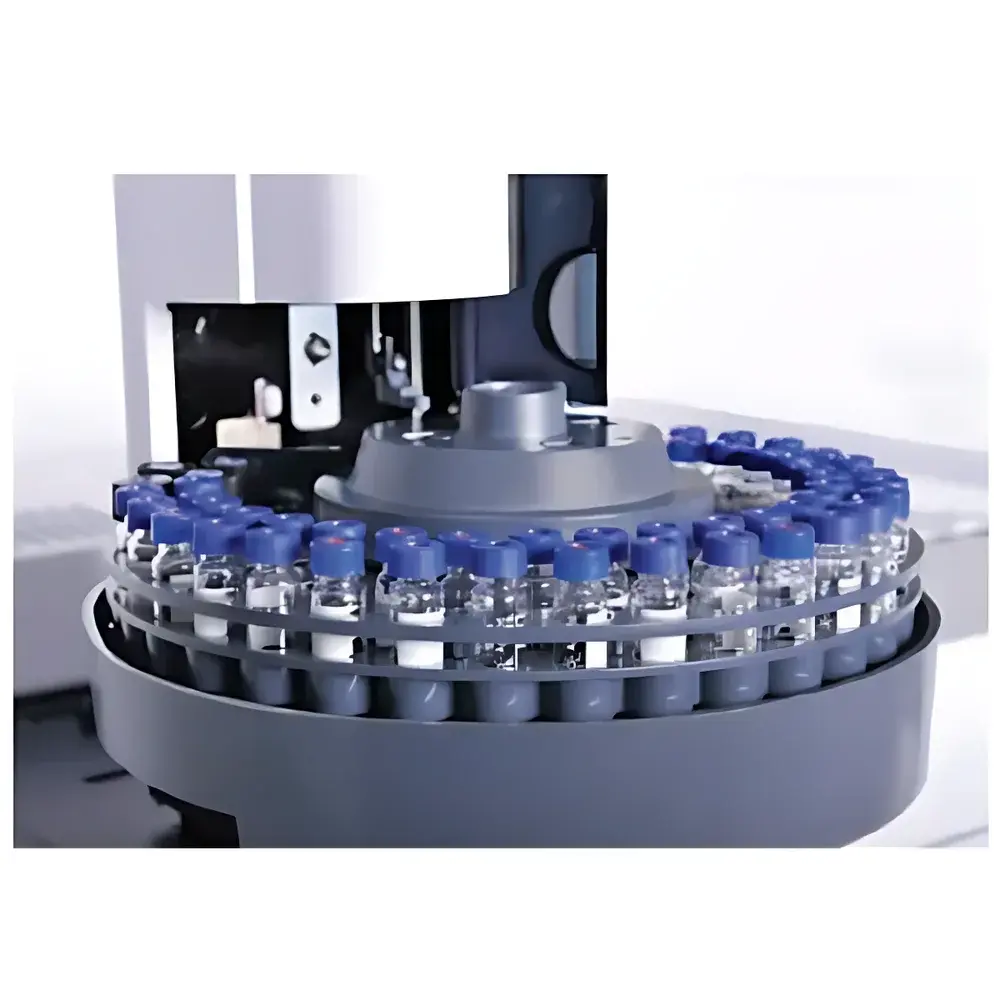
Yes—integrated autosampler compatibility (optional APL AS-200 series) enables 24/7 operation with automatic vial recognition, syringe wash cycles, and real-time leak detection.
Is firmware upgrade support provided remotely?
Firmware updates are delivered via encrypted HTTPS channel with SHA-256 signature verification; no physical service visit required for version maintenance.
How is detector performance verified during routine use?
Built-in diagnostic routines include FID flame stability monitoring, TCD filament resistance logging, and ECD baseline drift tracking—all accessible via the front-panel menu.
Does the system support legacy column hardware?
Yes—standard 1/4″ and 1/8″ column nuts, universal ferrule kits, and thermal desorption tube adapters are included in the standard accessory kit.







