MT Trees Ring Analysis Measurement System
| Origin | Czech Republic |
|---|---|
| Manufacturer Type | Distributor |
| Origin Category | Imported |
| Model | MT Trees Ring Analysis Measurement System |
| Price | Upon Request |
Overview
The MT Trees Ring Analysis Measurement System is a precision dendrochronological instrument engineered for high-resolution, non-destructive measurement and digital analysis of tree-ring widths in increment cores and small cross-sections. Based on the principle of optical micrometric displacement detection under stereo or compound microscopy, the system integrates a motorized translation stage with sub-micron positional feedback, enabling direct acquisition of annual growth increments at a resolution of 0.5 µm (0.0005 mm). Designed for field-deployable and laboratory-based dendroecological research, it supports rigorous chronology development, cross-dating validation, and quantitative growth response modeling—core requirements in tree-ring science, paleoclimatology, forest ecology, archaeological dating, and forest health diagnostics.
Key Features
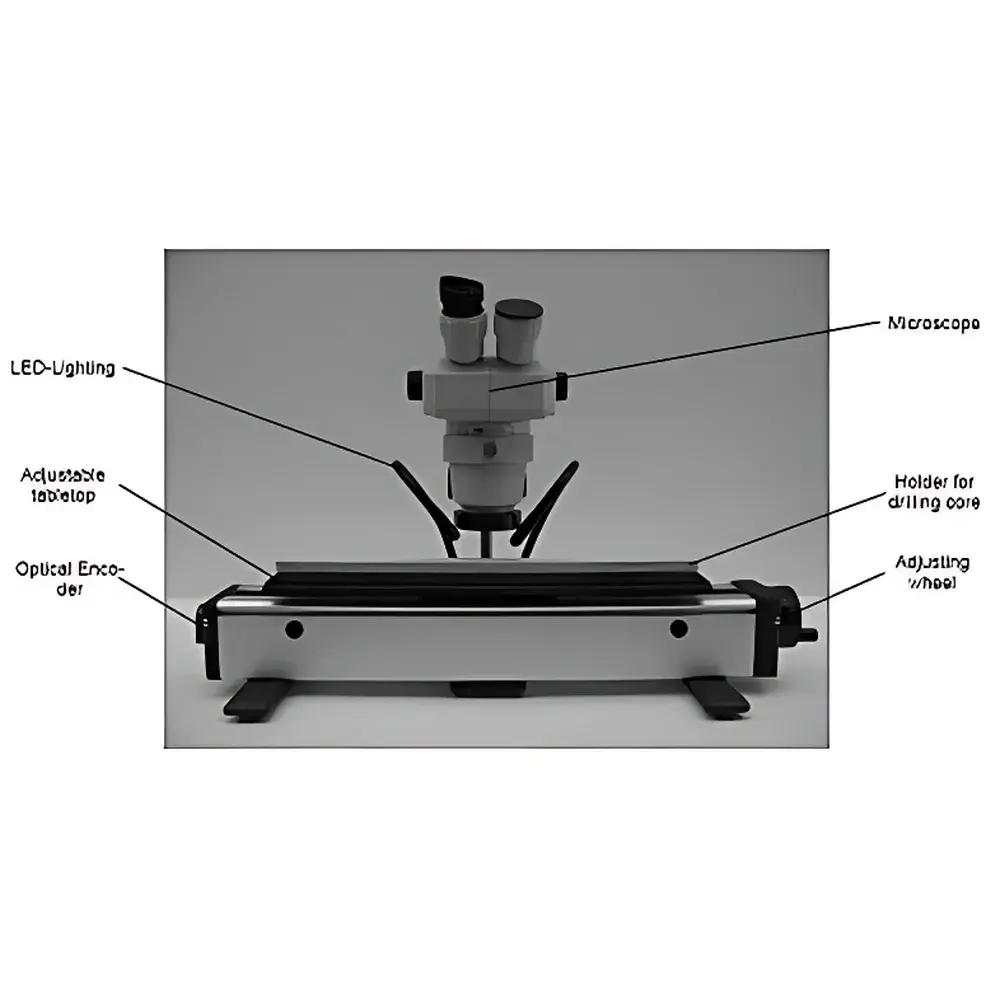
- High-precision mechanical translation stage with 0.5 µm resolution and calibrated linear encoder feedback
- Dual-mode operation: standalone data acquisition (up to 1,000 samples per session, 500 measurement points per core) and real-time online mode via USB connection to host PC
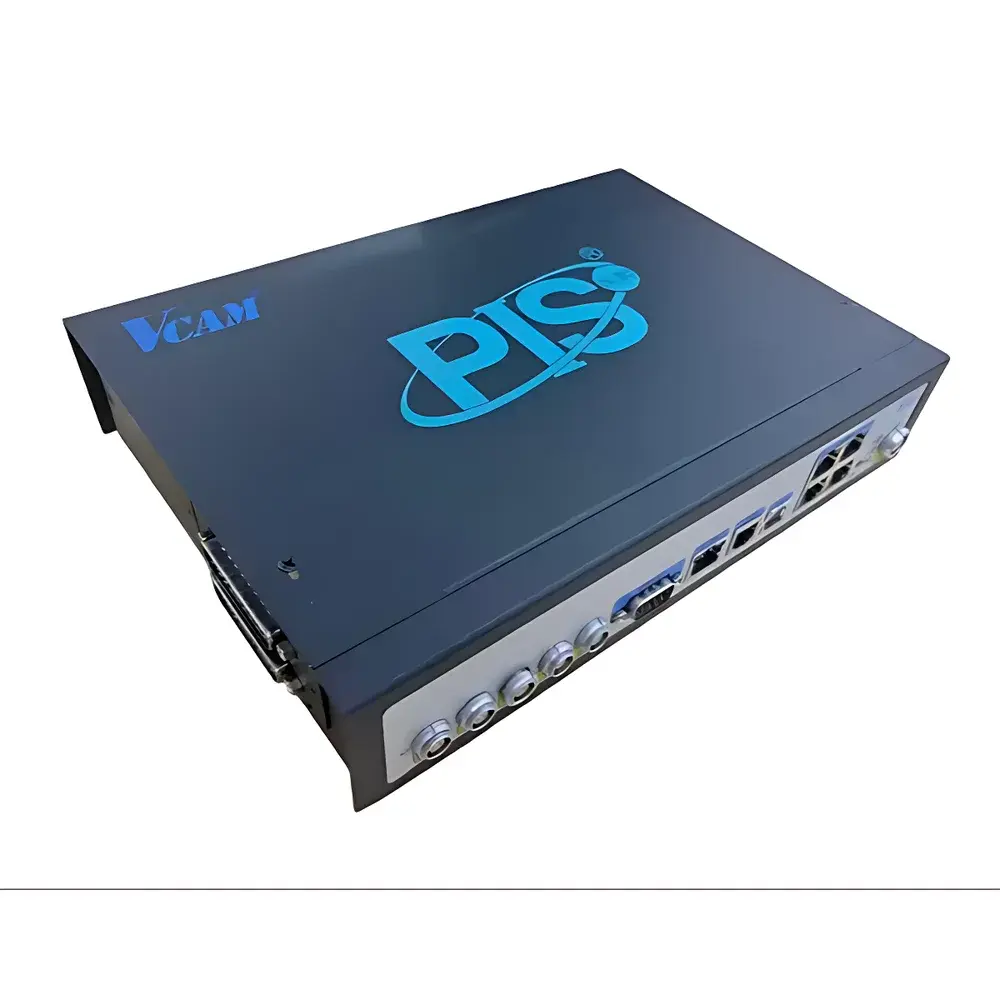
- Integrated electronic control unit with onboard display for immediate visualization of ring width, sample age, min/max/mean ring width, and cumulative growth profiles
- Modular design compatible with user-supplied stereo or compound microscopes (objective magnification ≥10× recommended)
- Robust thermal tolerance (0–50 °C), supporting both field-mobile deployments and controlled lab environments
- Configurable power input (DC 6–9 V), suitable for battery-powered operation during remote sampling campaigns
Sample Compatibility & Compliance
The system accommodates standard 5 mm diameter increment cores (Parker-type or Haglöf-style) as well as small wood discs (≤100 mm diameter). Sample fixation is achieved via a machined aluminum core slot with adjustable clamping pressure to prevent slippage or compression artifacts. All hardware components comply with CE marking requirements for electromagnetic compatibility (EMC Directive 2014/30/EU) and low-voltage safety (LVD Directive 2014/35/EU). Data handling workflows support GLP-aligned documentation practices—including timestamped measurement logs, operator ID tagging, and audit-ready metadata export—facilitating traceability in ISO/IEC 17025-accredited laboratories.
Software & Data Management
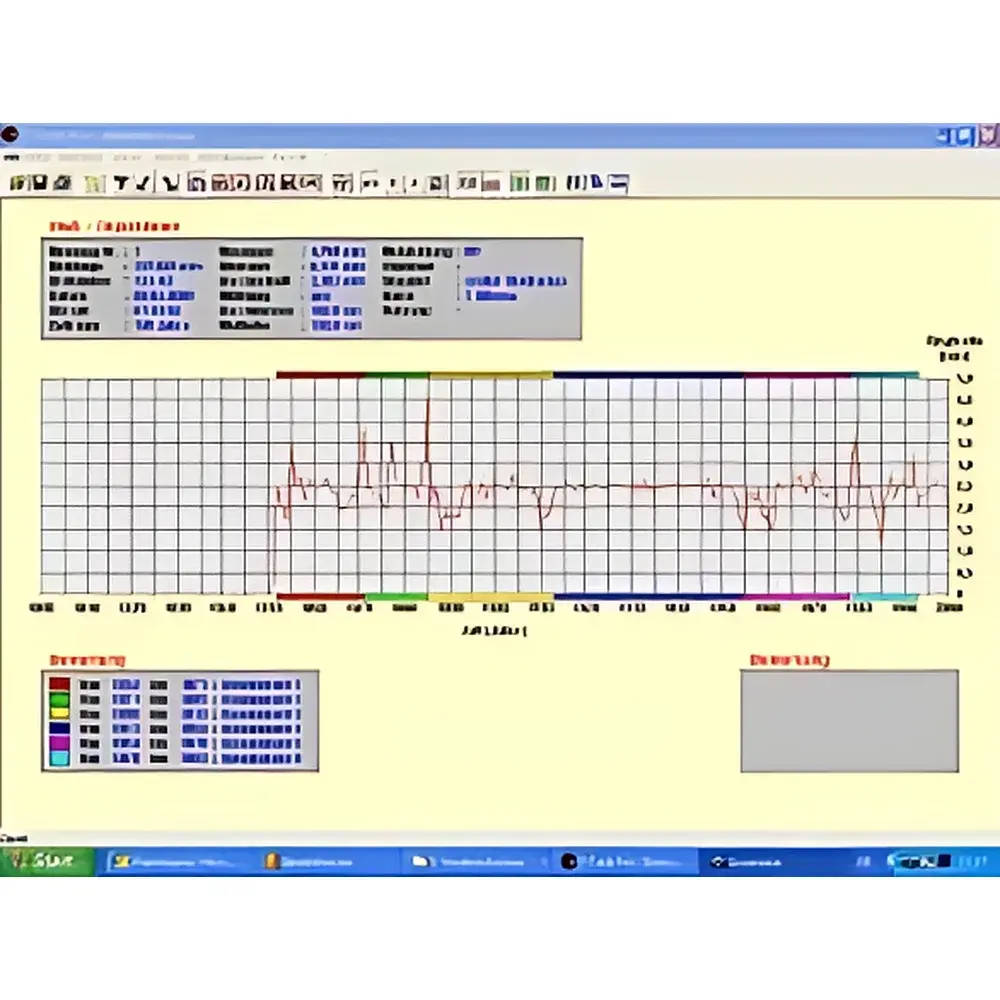
The system ships with two licensed software tiers: T-TOOLS LIGHT (entry-level data download and ASCII export) and T-TOOLS PRO (full-featured analysis suite). Both versions support import/export of ring-width series in ASCII (.txt), MST (.mst), and standardized ChronData-compatible formats. T-TOOLS PRO enables interactive ring marking, reference curve overlay (for cross-dating assessment), anomaly flagging (e.g., missing rings, false rings, frost damage), and preliminary environmental signal attribution (e.g., drought stress indicators, growth suppression events). Exported ASCII files are directly ingestible by industry-standard dendrochronological toolchains including COFECHA (for inter-series correlation and dating verification) and ARSTAN (for standardization and index calculation). Software architecture conforms to FDA 21 CFR Part 11 principles for electronic records—supporting user authentication, change tracking, and secure audit trails when deployed in regulated research contexts.
Applications
- Dendrochronological chronology building and cross-dating validation across temperate and boreal species
- Paleoclimatic reconstruction using ring-width indices correlated with instrumental climate records (e.g., precipitation, temperature, PDSI)
- Forest disturbance history analysis (fire scars, insect outbreaks, windthrow, logging)
- Archeological timber dating and provenance studies in historic structures and artifacts
- Long-term forest health monitoring, including responses to air pollution, soil acidification, and nitrogen deposition
- Calibration and validation of terrestrial biosphere models requiring empirical growth constraints
FAQ
What microscope specifications are recommended for optimal performance?
A stereo microscope with zoom optics (6.3–50×), integrated LED illumination, and a calibrated reticle is ideal. For high-resolution work on diffuse-porous species, a compound microscope with 10×/20× objectives and Köhler illumination may be used.
Can the system interface with third-party statistical packages like R or Python?
Yes—ASCII-exported ring-width series are plain-text tabular files compatible with R (dplR, dplRutils), Python (pandas, numpy), and MATLAB without conversion.
Is firmware upgradable in the field?
Firmware updates are delivered via T-TOOLS PRO and applied through the USB-connected electronic unit; no hardware modification is required.
Does the system support multi-core alignment for composite chronology development?
T-TOOLS PRO includes built-in Gleichläufigkeit (GLK) statistics and correlation matrix generation, enabling objective assessment of interseries agreement prior to chronology standardization.
What is the maximum physical length of sample that can be measured?
The translation stage travel range accommodates samples up to 100 mm in length; longer cores require sectioning or re-mounting.