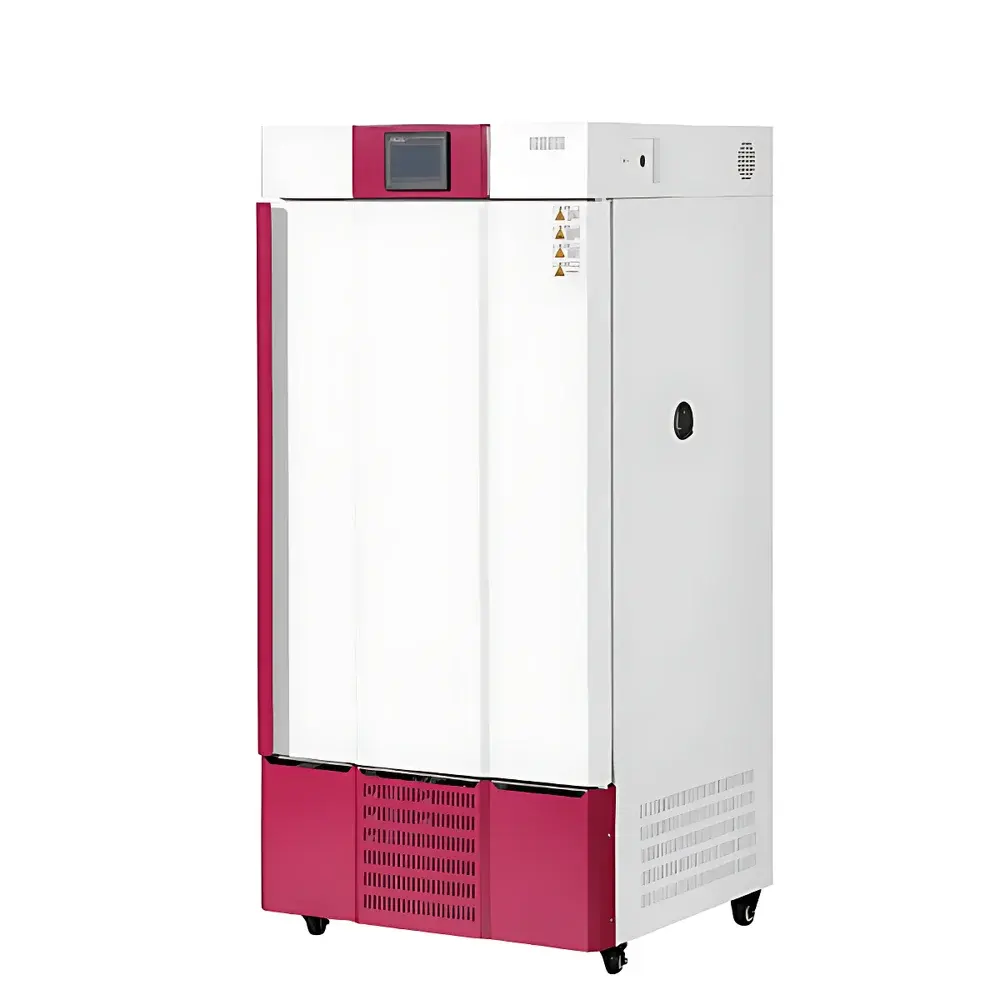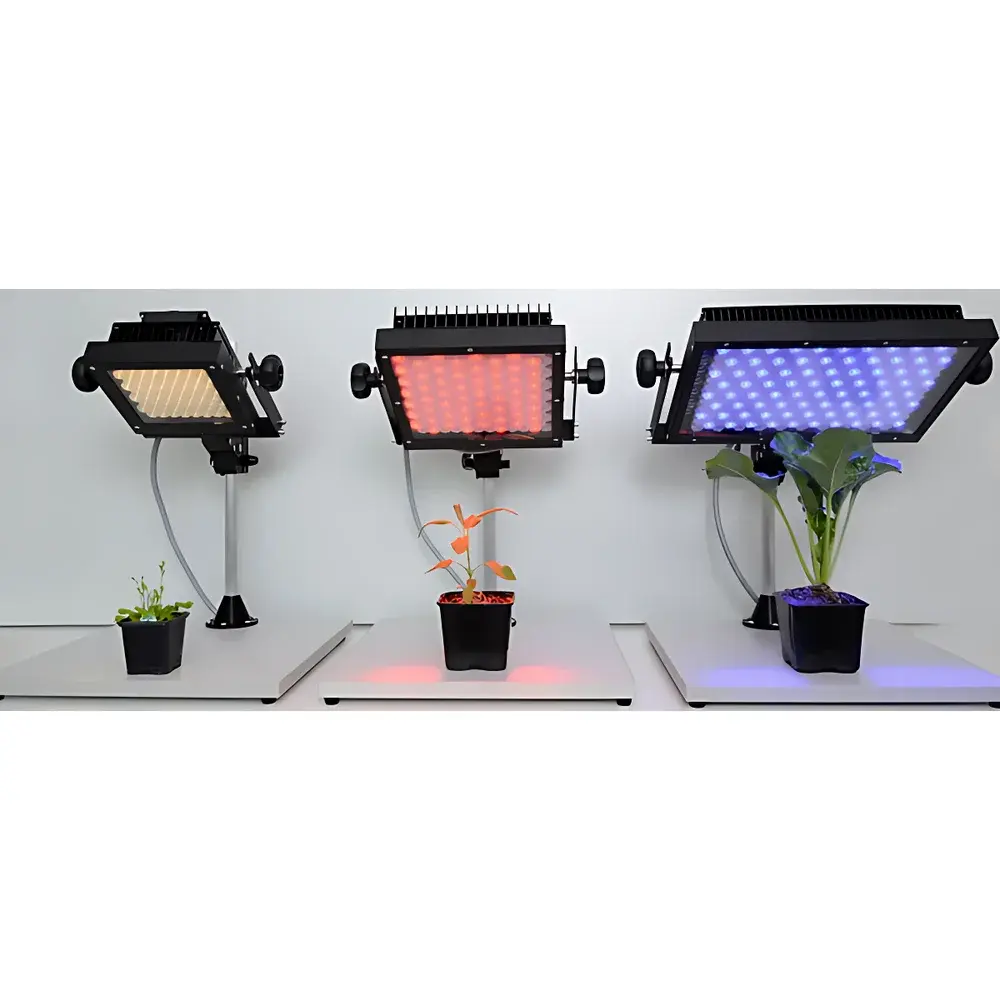
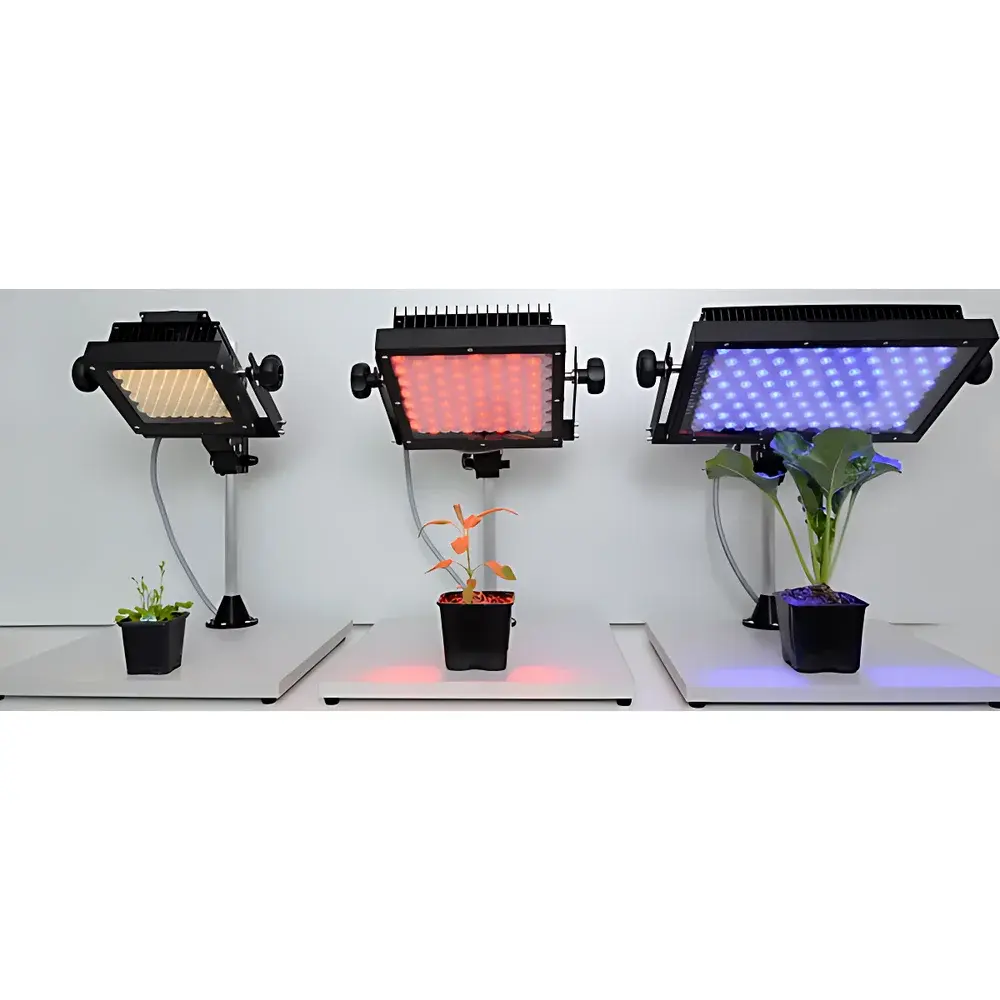
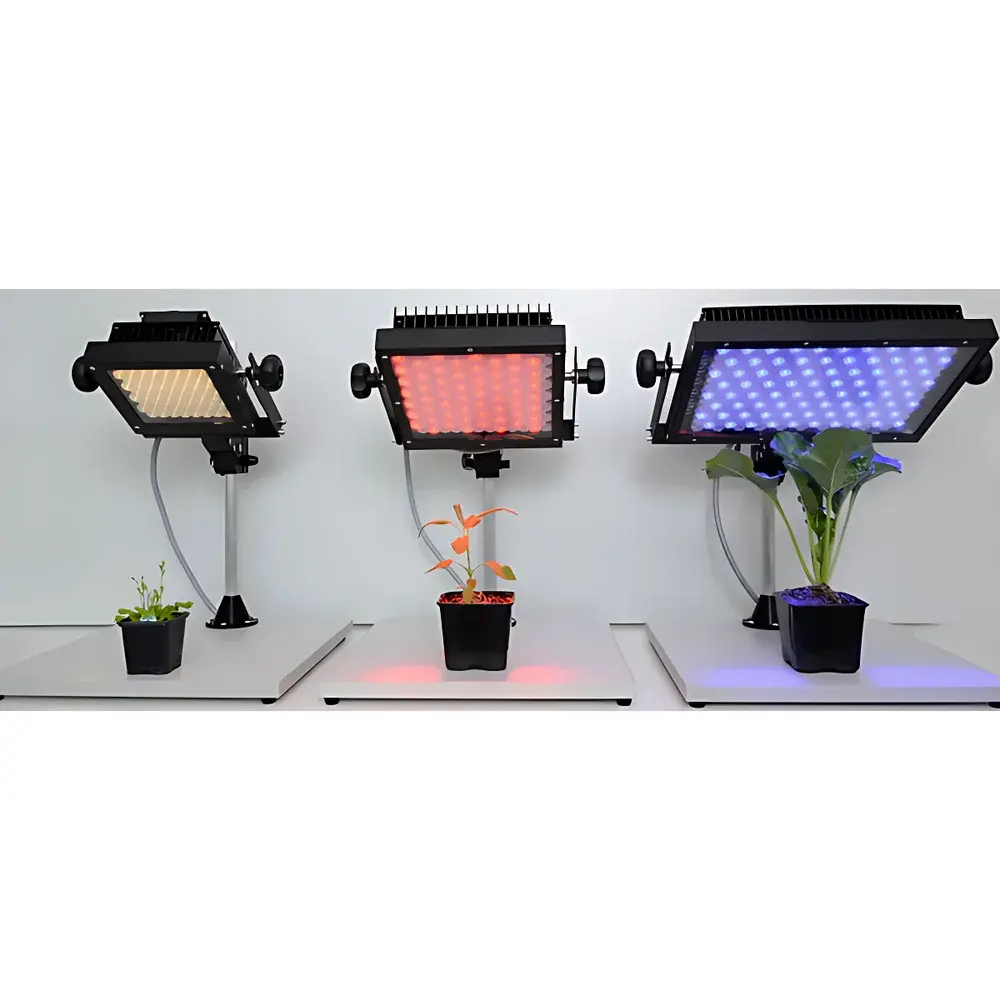
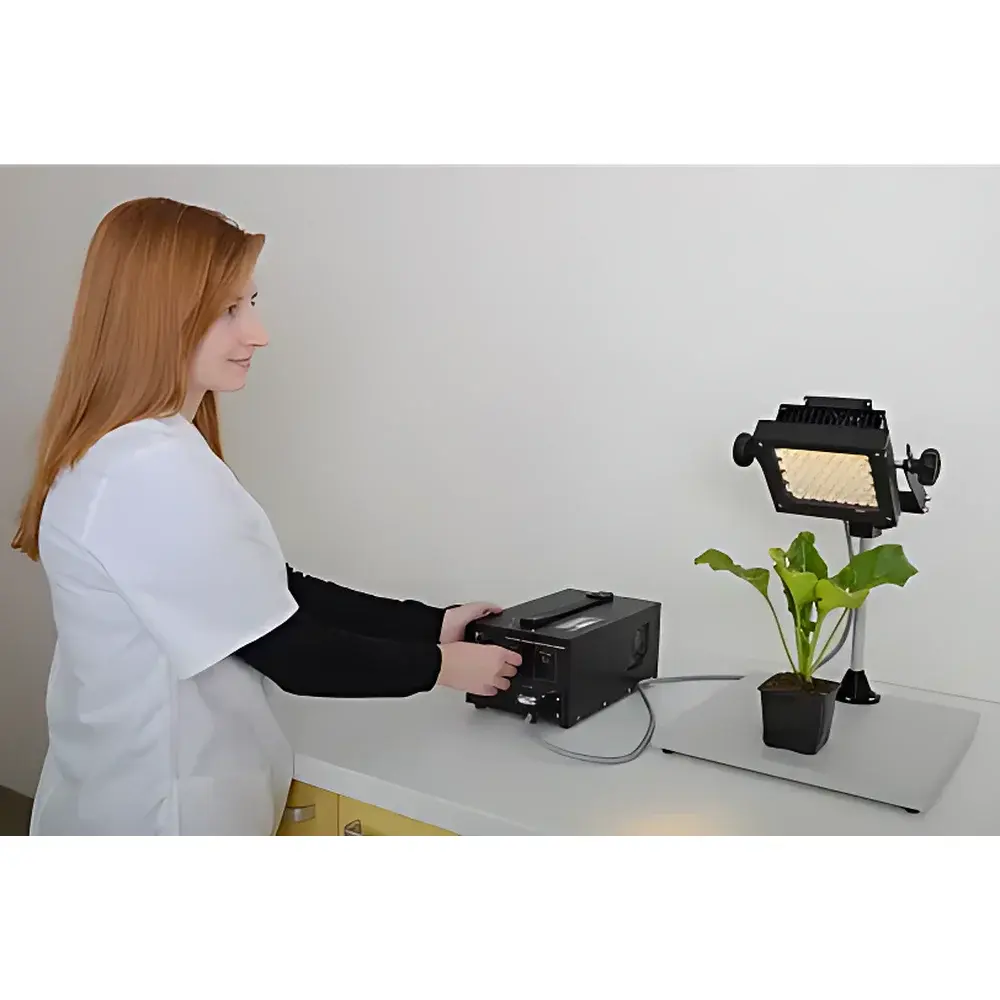
PSI SL3500 Intelligent LED Light Source
| Brand | PSI (Czech Republic) |
|---|---|
| Origin | Czech Republic |
| Model | SL3500 |
| Light Output | 0–3,000 µmol(photon)·m⁻²·s⁻¹ at 20 cm |
| Spectral Range | UVA to Far-Red (e.g., 447 nm, 617 nm, 627 nm, 530 nm, 735 nm) |
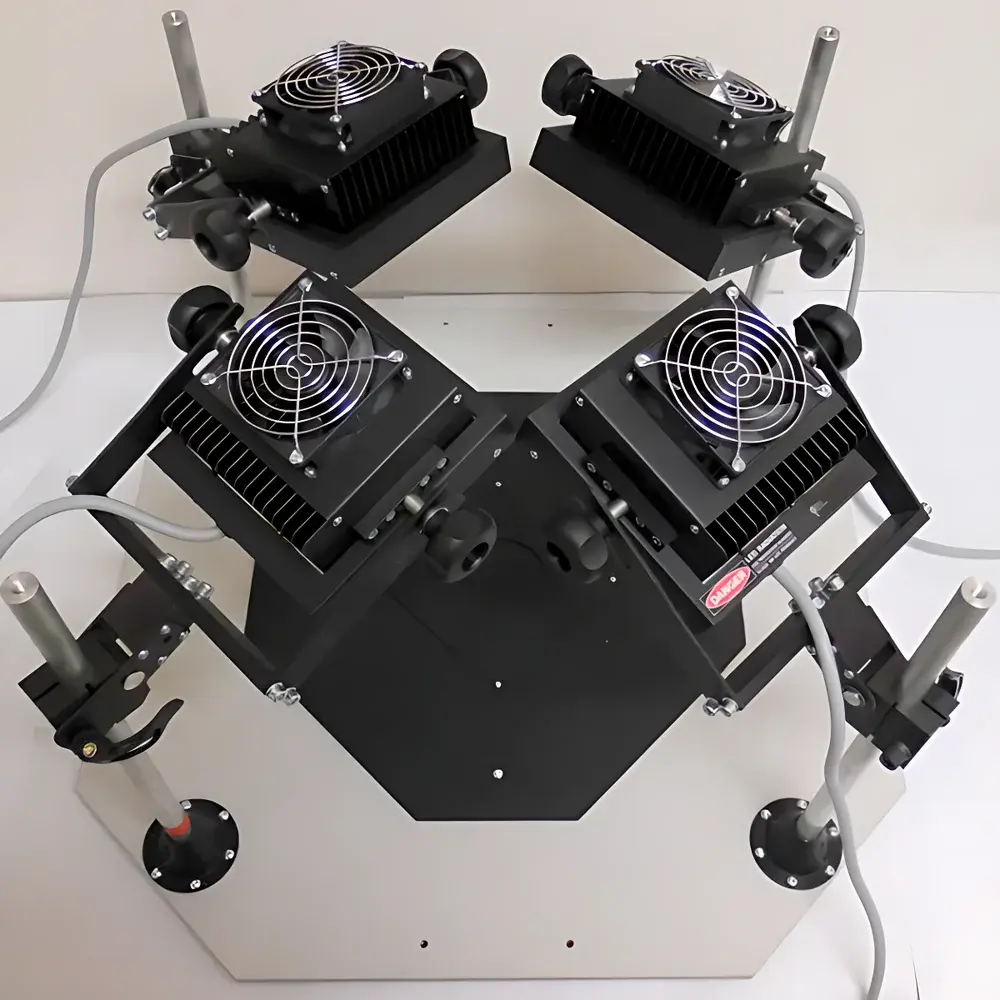
| LED Array Size Options | 13×13 cm (SL3500-A), 20×20 cm (SL3500-B/C), 30×20 cm (SL3500-D/E) |
| LED Count | 72–240 + 4 far-red LEDs (SL3500-E) |
| Control Precision | 1–100% continuous intensity modulation |
| Temporal Resolution | 50 µs flash pulses (with LC 500 controller) to multi-hour cycles |
| Communication Interface | I²C |
| Power Consumption | 75–300 W |
| Input Voltage | 90–240 V AC |
| LED Lifetime | 60,000–70,000 h |
| Cooling | Integrated active thermal management |
| Software | Light Studio 485 |
| Optional Controllers | LC 100 (4-channel, microsecond pulse), LC 500 (multi-channel, programmable waveform synthesis) |
Overview
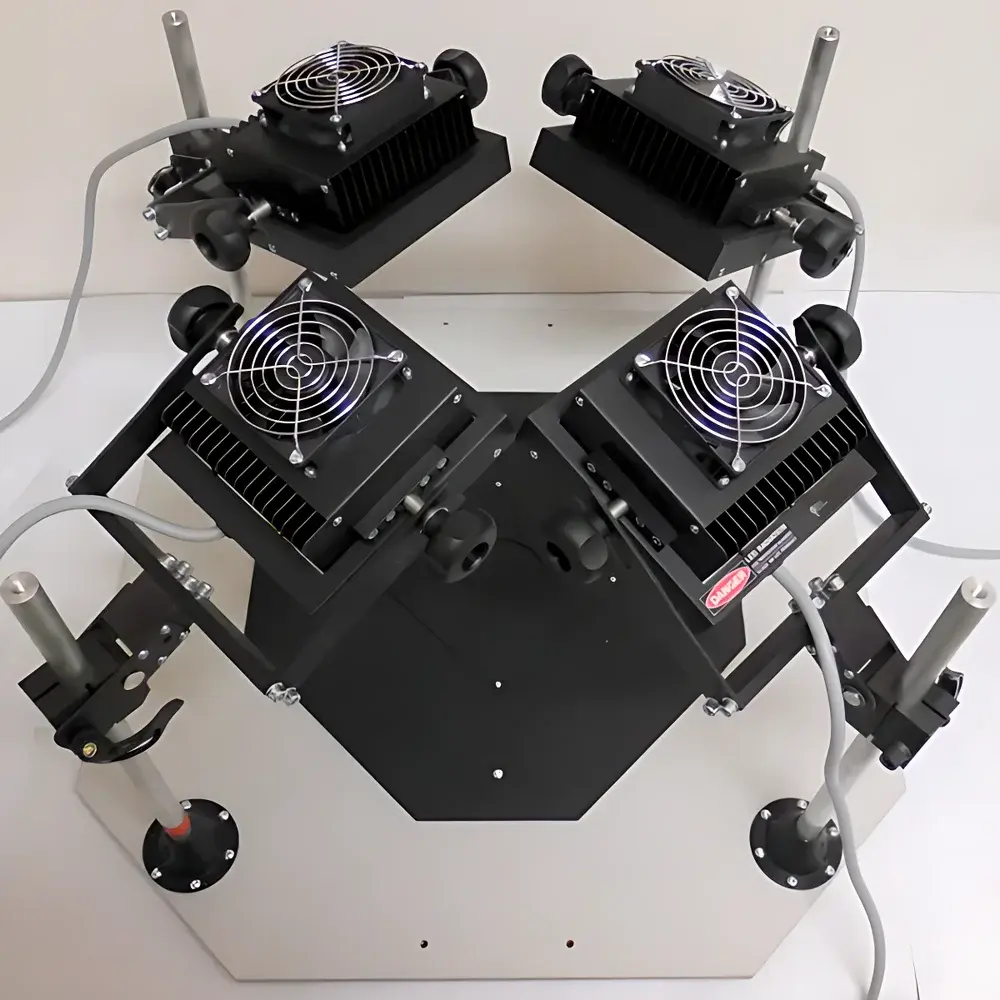
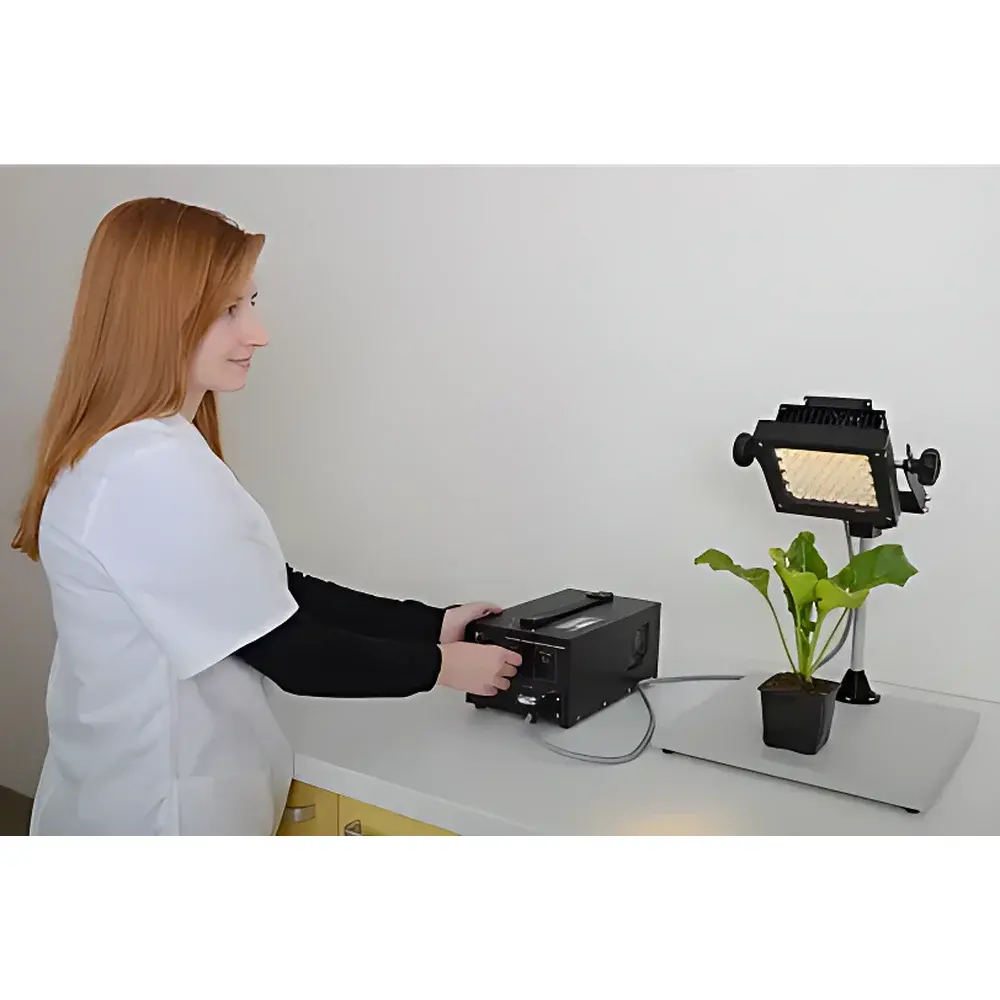
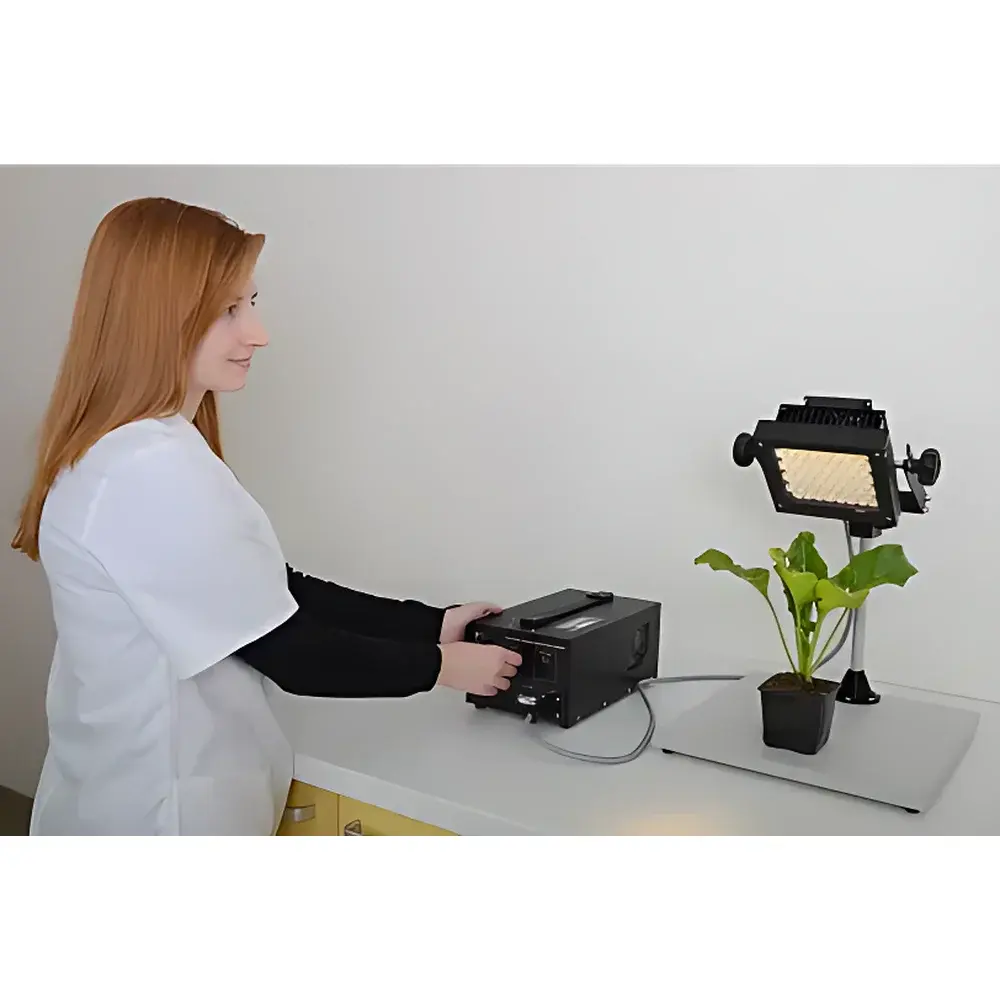
The PSI SL3500 Intelligent LED Light Source is a research-grade, spectrally configurable illumination system engineered for high-precision photobiological experimentation in plant physiology, photosynthesis research, and controlled-environment phenotyping. Built upon a modular array of high-power, narrow-band LEDs, the SL3500 delivers quantitatively defined photon flux densities across biologically relevant wavelengths—from UVA (365 nm) through visible light to far-red (735 nm)—enabling rigorous control over spectral quality, irradiance magnitude, and temporal dynamics. Its core architecture leverages photonic engineering principles to ensure spatial uniformity, spectral stability, and reproducible quantum yield delivery under both static and dynamic illumination regimes. Unlike conventional broad-spectrum lamps, the SL3500 operates on a photon-counting basis (µmol·m⁻²·s⁻¹), aligning directly with photosynthetic photon flux density (PPFD) standards used in plant science. It supports experimental paradigms requiring millisecond-scale pulse fidelity (e.g., chlorophyll fluorescence induction kinetics), circadian entrainment via programmable dawn/dusk transitions, or long-term photoperiodic simulation—making it suitable for GLP-compliant studies where illumination is a critical process parameter.
Key Features
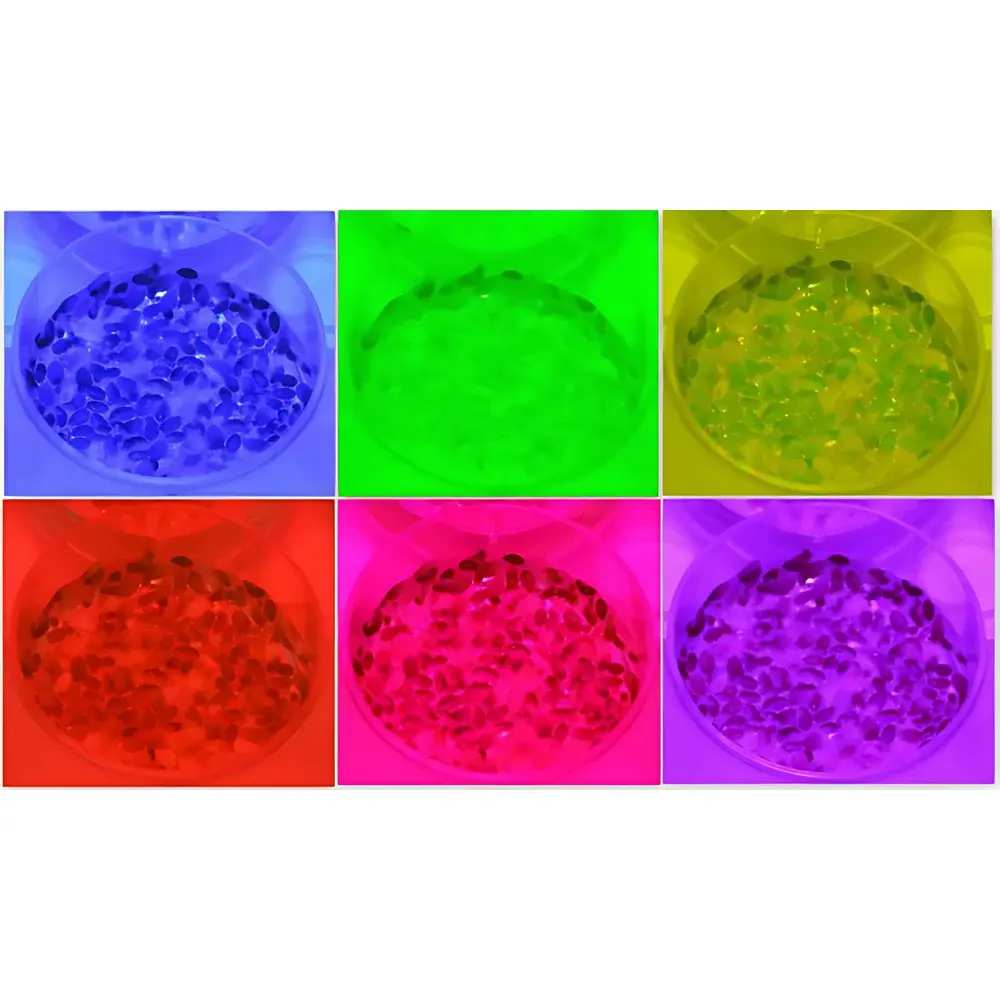
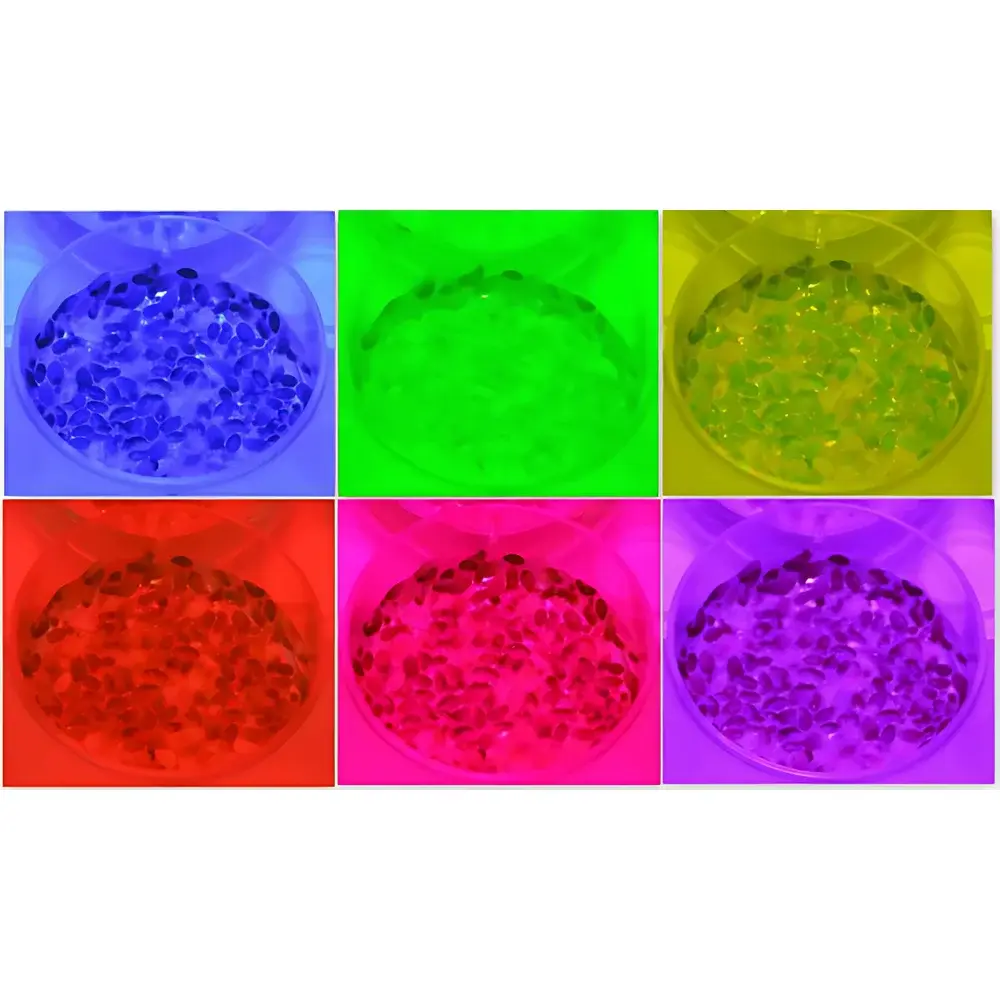
- Multi-wavelength spectral flexibility: Standard configurations include cool white, warm white, deep blue (447 nm), orange-red (617 nm), or RGB + far-red (627/530/447 + 735 nm); custom spectra available from 365 nm to 780 nm.
- Precise irradiance control: Linear 1–100% dimming across full output range (0–3,000 µmol·m⁻²·s⁻¹ at 20 cm), traceable to NIST-traceable photodiode calibration protocols.
- High temporal resolution: Sub-millisecond pulse generation (down to 50 µs) enabled by LC 500 controller; supports square-wave, sinusoidal, triangular, and user-defined modulation waveforms.
- Modular physical design: Five model variants (SL3500-A to SL3500-E) accommodate diverse chamber geometries and photon demand profiles, with active thermal regulation maintaining LED junction temperature within ±1.5 °C during extended operation.
- Dual-control architecture: Local operation via LC 100 (4-channel, menu-driven interface) or networked automation via Light Studio 485 software with I²C communication, supporting up to 254 physical devices and unlimited logical light channels.
- Robust firmware architecture: Firmware supports audit-trail logging (compliant with FDA 21 CFR Part 11 requirements when deployed in validated environments), scheduled program execution, and remote parameter validation.
Sample Compatibility & Compliance
The SL3500 is routinely deployed in ISO 17025-accredited plant phenotyping platforms, USDA-ARS growth chamber networks, and EU Horizon-funded photosynthesis consortia. Its spectral output adheres to CIE S 026/E:2018 photobiological safety guidelines and conforms to ASTM E2915–22 for accelerated light exposure testing of biological materials. When integrated into automated phenotyping systems (e.g., LemnaTec Scanalyzer, Phenospex), the SL3500 satisfies EN 12199:2021 requirements for reproducible light delivery in standardized plant response assays. All standard spectral modules are characterized per IEC 62471 for photobiological risk group classification (RG0 or RG1). The system supports GLP documentation workflows via exportable irradiance logs, timestamped program execution records, and controller firmware version traceability.
Software & Data Management
Light Studio 485 provides a graphical programming environment compliant with IEC 61131-3 structured text conventions. Users define illumination sequences using drag-and-drop waveform blocks (continuous, pulse, ramp, sine, triangle), assign spectral weights per channel, and schedule events from 50 µs to 24 h. Each program includes metadata fields for experiment ID, operator, calibration date, and instrument serial number—exportable as CSV or XML for LIMS integration. The LC 500 controller implements deterministic real-time scheduling with <100 ns jitter, enabling synchronization with fluorometers (e.g., Walz Imaging-PAM), gas exchange analyzers (e.g., Li-Cor 6800), or high-speed cameras. Audit trails record all parameter changes, user logins, and firmware updates, supporting 21 CFR Part 11 electronic signature compliance when paired with validated identity management.
Applications
- Photosynthetic acclimation studies: Controlled light-stress imposition (e.g., high-irradiance pulses mimicking sunflecks) to quantify non-photochemical quenching (NPQ) kinetics and PSII repair rates.
- Circadian and photoperiodic research: Simulation of natural daylength gradients, twilight transitions, and seasonal light quality shifts for Arabidopsis, rice, or crop species under controlled conditions.
- Chlorophyll fluorescence phenotyping: Integration with pulse-amplitude modulation (PAM) systems for rapid screening of >1000 genotypes under standardized actinic light regimes.
- Multispectral growth optimization: Quantitative assessment of biomass partitioning, anthocyanin accumulation, or hypocotyl elongation under RGB/far-red combinatorial lighting.
- Microalgal and cyanobacterial photobioreactor calibration: Reproducible spectral tuning for optimizing lipid yield, pigment synthesis, or nitrogen fixation efficiency.
- Photomedicine preclinical models: Delivery of defined UVA/visible/far-red doses in wound healing, photodynamic therapy, or circadian disruption models.
FAQ
What is the spectral accuracy specification for standard SL3500 modules?
Each factory-calibrated module reports peak wavelength tolerance of ±3 nm and FWHM ≤25 nm (for monochromatic LEDs) or CRI ≥85 (for white-light variants), verified using Ocean Insight QE Pro spectroradiometers traceable to PTB standards.
Can SL3500 units be synchronized across multiple growth chambers?
Yes—via I²C daisy-chaining or Ethernet-enabled LC 500 controllers with IEEE 1588 PTP time synchronization, enabling sub-millisecond inter-chamber timing alignment for multi-site phenotyping trials.
Is firmware update capability supported remotely?
Firmware updates are performed via secure USB or Ethernet connection using signed binary packages; rollback functionality and versioned configuration backups are included.
How is photometric uniformity validated across the emission surface?
Uniformity is measured per ISO 9241-307 using a 100-point grid at 20 cm working distance; all models achieve ≥90% spatial homogeneity (±5% deviation from center-point value).
Does the system support third-party API integration for LabVIEW or Python control?
Yes—Light Studio 485 exposes RESTful HTTP endpoints and a documented Python SDK (psisl3500-py) supporting asynchronous command queuing, real-time status polling, and event-triggered callbacks.
Related Products