
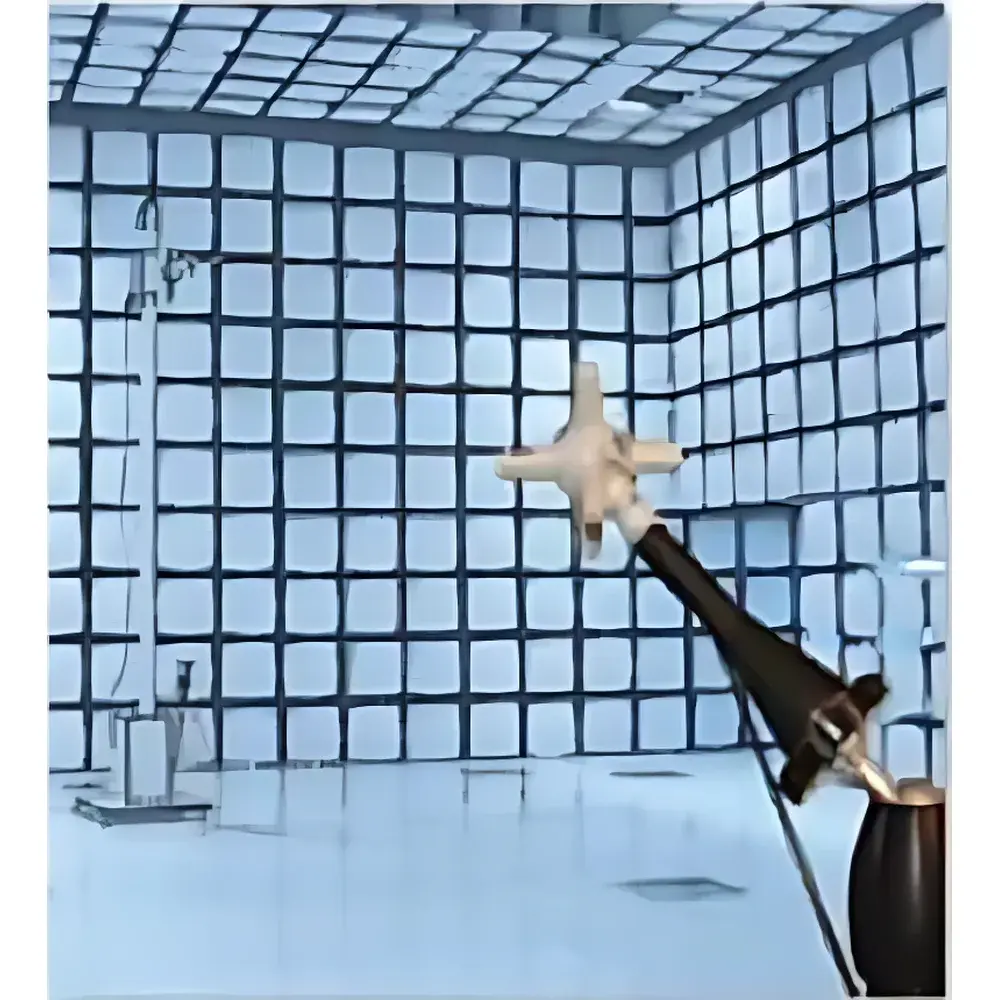
PMM EP-602 Electromagnetic Field Probe for RF Electric Field Measurement
| Brand | PMM |
|---|---|
| Origin | Italy |
| Model | EP-602 |
| Frequency Range | 5 kHz to 9.25 GHz |
| Electric Field Measurement Range | 1.5 V/m to 1500 V/m |
| Measurement Resolution | 0.01 V/m |
| Isotropy (Typical) | ±0.2 dB |
| Frequency Response Flatness (with correction enabled) | ±0.4 dB (50 MHz – 7.5 GHz) |
| Dynamic Range | >60 dB |
| Weight | 22 g |
| Operating Time | Up to 100 h (rechargeable Li-Mn battery) |
| Communication | Duplex optical fiber (up to 60 m) |
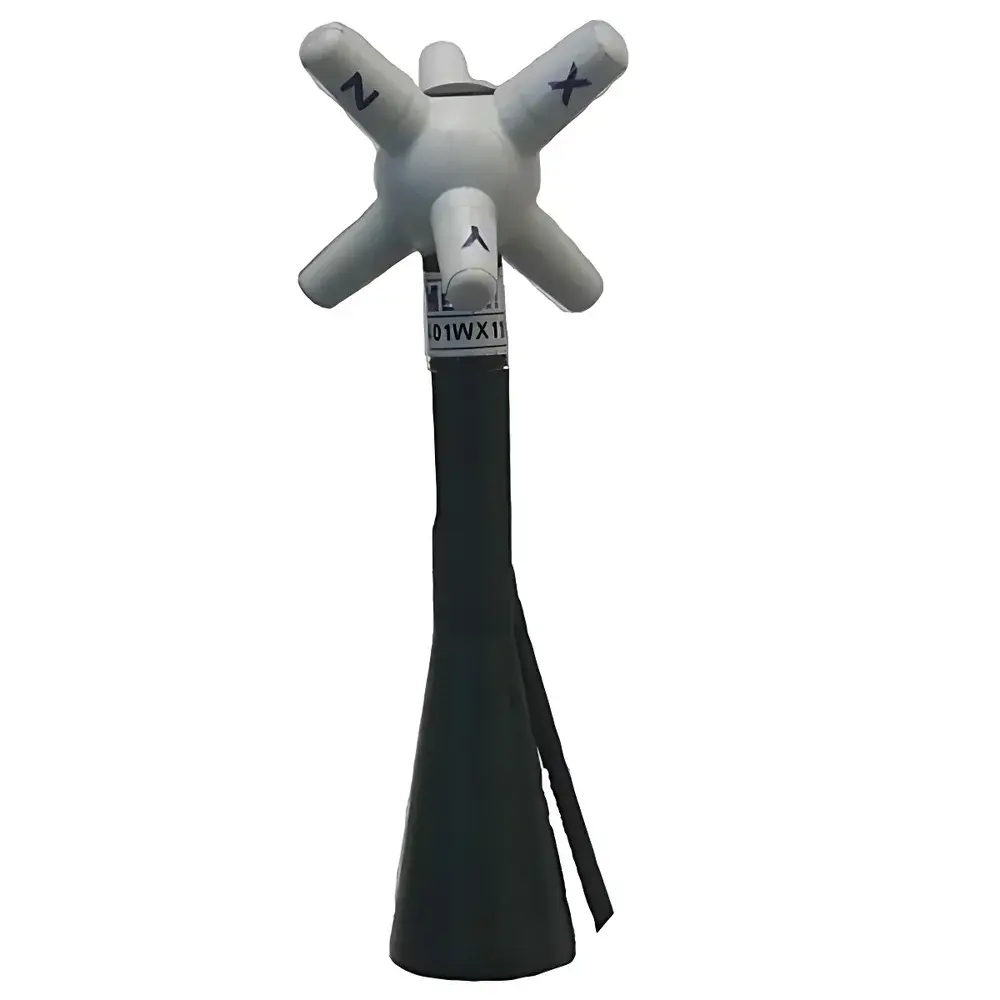
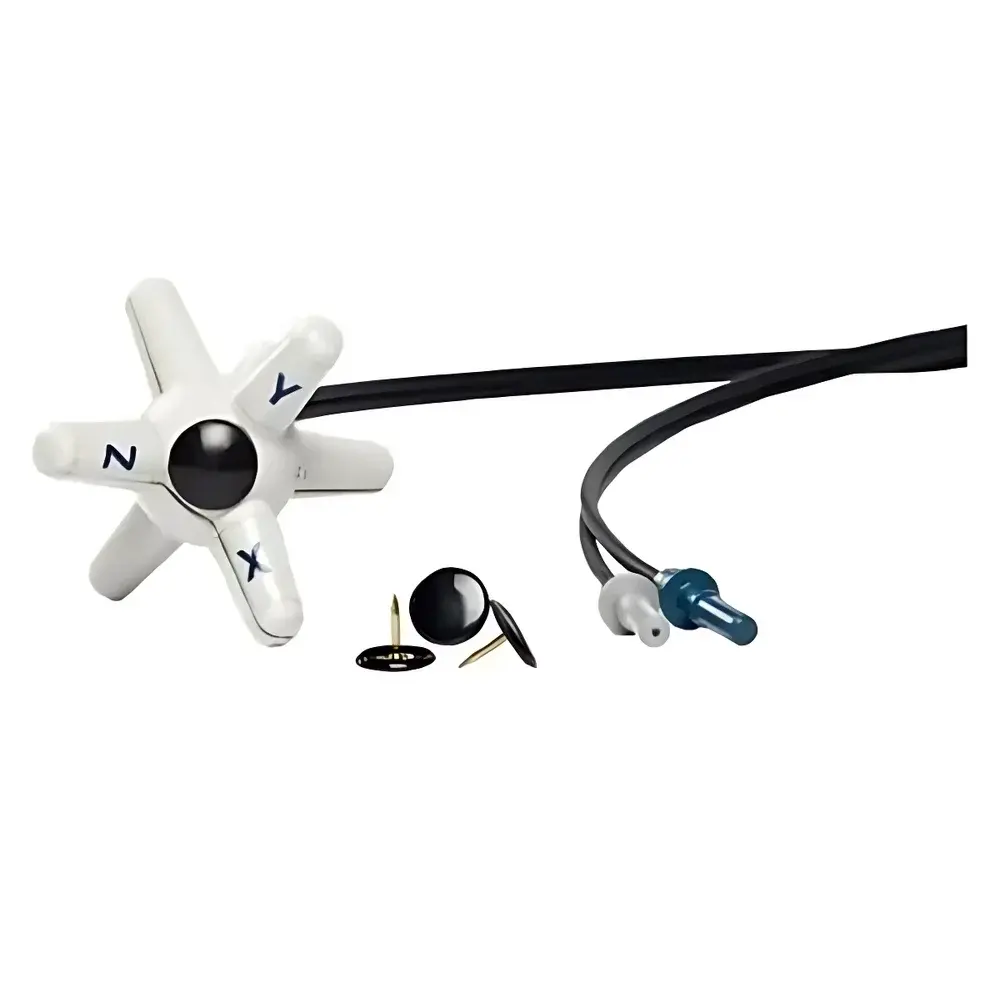
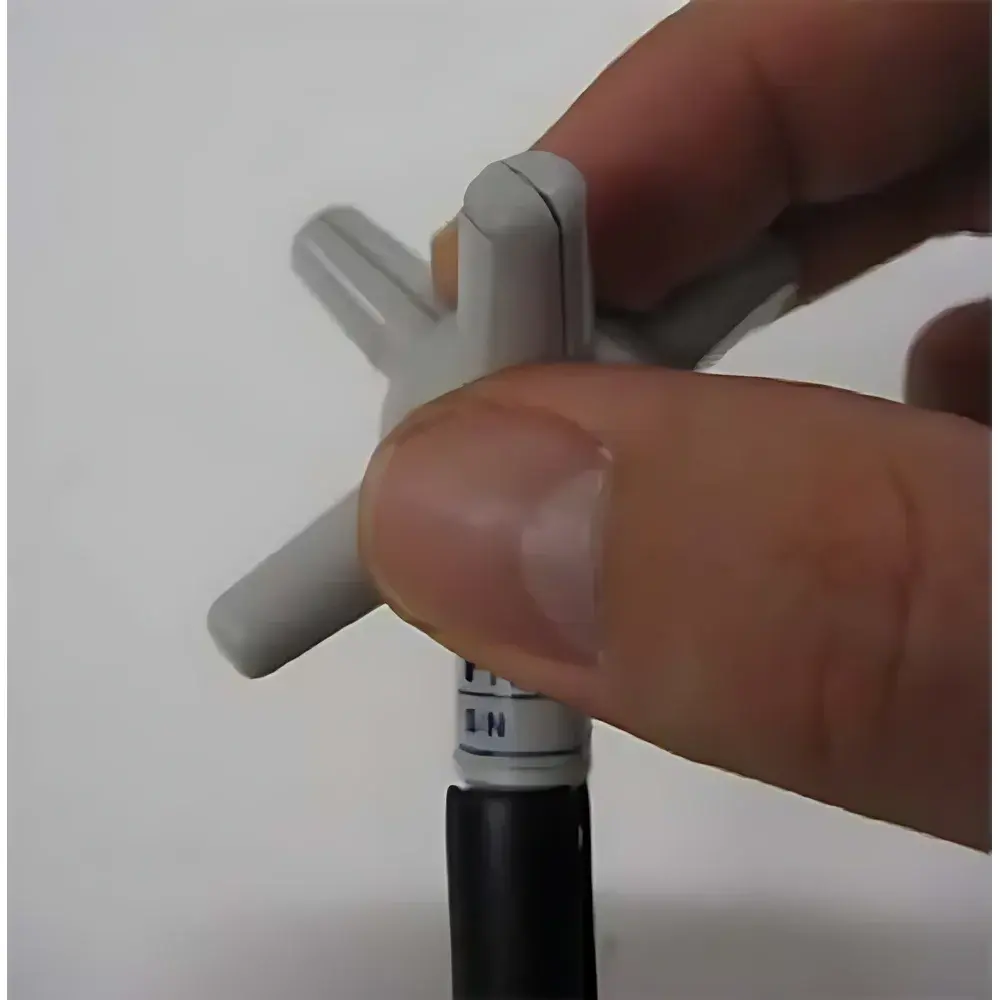
| Sensor Type | Spherical symmetric monopole array (6-axis isotropic sensing) |
| Overload Protection | >3000 V/m |
Overview
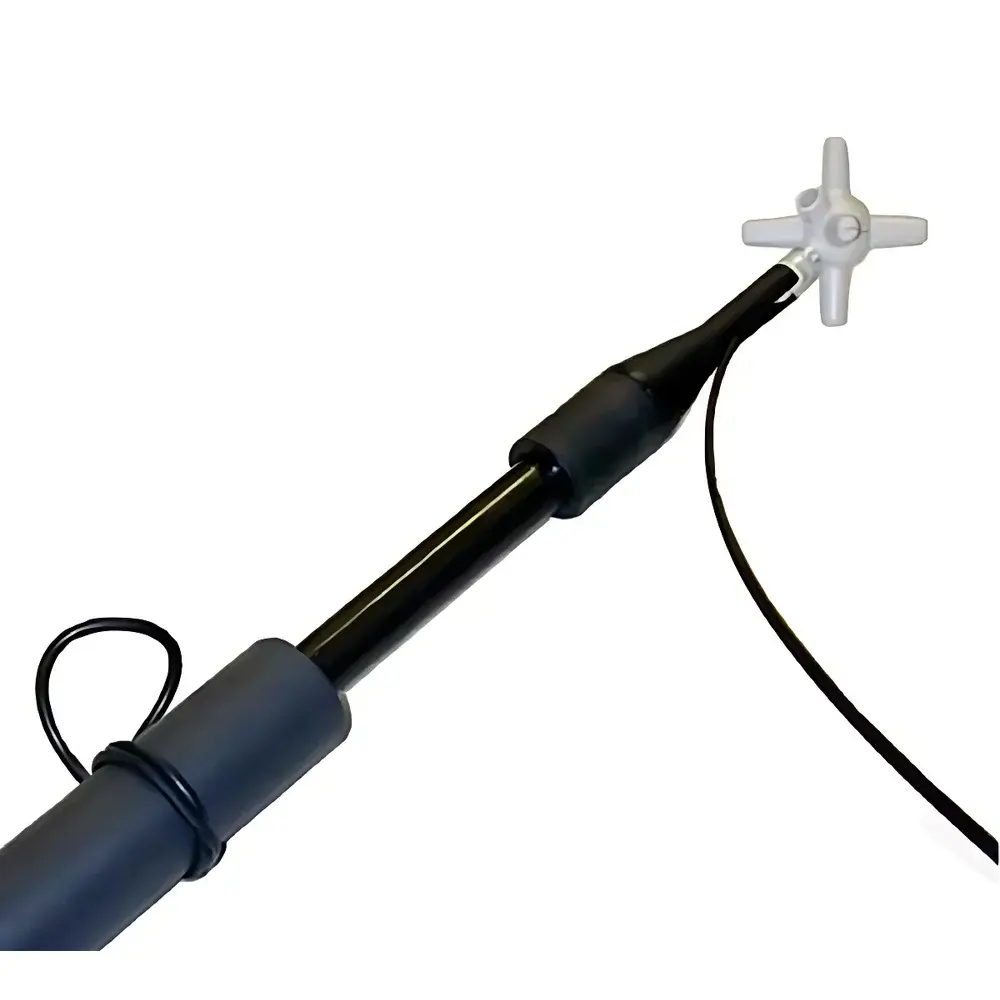
The PMM EP-602 is a high-fidelity, isotropic electric field probe engineered for precision electromagnetic field (EMF) characterization across an exceptionally broad frequency spectrum—from 5 kHz up to 9.25 GHz. Designed on the principle of spherical symmetry and calibrated monopole sensor geometry, the EP-602 employs six orthogonal single-pole sensors to deliver true vector-free, frequency-compensated E-field magnitude measurement. Its compact 53 mm diameter spherical housing minimizes field perturbation—critical in near-field EMC/EMI testing environments such as semi-anechoic chambers, TEM/GTEM cells, and radiated immunity test setups per IEC 61000-4-3 and MIL-STD-461. The probe operates without metallic shielding or internal active electronics in the sensing head, ensuring minimal loading effects and high spatial resolution. It is not a broadband meter but a traceable, calibration-grade transducer intended for integration into compliant test systems requiring metrological integrity and long-term stability.
Key Features
- Isotropic response with typical deviation ≤ ±0.2 dB across full operating band—validated per ISO/IEC 17025-accredited calibration procedures
- Optical fiber interface eliminates ground loops and RF pickup; supports bidirectional communication up to 60 meters without signal degradation
- Rechargeable lithium-manganese oxide battery provides ≥100 hours of continuous operation under typical sampling conditions (0.4 samples/s with 28 Hz low-pass filter)
- Full protocol openness: native support for SCPI-like command structure compatible with Keysight PathWave, Rohde & Schwarz EMCO, and LabVIEW-based custom automation frameworks
- Integrated temperature and battery voltage monitoring with 0.1 °C and 10 mV resolution respectively—enabling real-time environmental drift compensation
- Overload resilience exceeding 3000 V/m ensures operational safety during high-field transient exposure, including radar pulse and burst-mode immunity testing
Sample Compatibility & Compliance
The EP-602 is certified for use in accredited electromagnetic compatibility laboratories performing conformance testing to international standards including IEC 61000-4-3 (radiated RF immunity), IEC 61000-4-20 (transverse electromagnetic cell testing), and ANSI C63.4 (EMI emission measurements). Its mechanical design meets IP54 ingress protection requirements when used with standard fiber-optic feedthroughs. Calibration certificates are issued with NIST-traceable uncertainty budgets and include full-frequency isotropy matrix data. The probe complies with EU Directive 2013/35/EU on occupational EMF exposure assessment and supports GLP-compliant data acquisition workflows when paired with validated software platforms.
Software & Data Management
The EP-602 communicates via ASCII-based serial protocol over USB-RS232 adapter or directly through optical fiber using PMM’s OR-03 opto-electronic converter. Raw sensor outputs are delivered at up to 22 samples per second, with configurable digital filtering options: adjustable low-pass cutoff (2.3–28 Hz), 50/60 Hz notch (80 dB rejection), and programmable averaging windows. All firmware and correction coefficients—including frequency-dependent sensitivity tables and isotropy correction matrices—are stored onboard and auto-applied during measurement. Export formats include CSV (time-stamped E-field magnitude + XYZ components), binary .epd files for post-processing, and direct integration with MATLAB and Python via open API documentation.
Applications
- Radiated immunity test site validation and field uniformity mapping in accordance with IEC 61000-4-3 Annex A
- Near-field scanning of PCBs, antennas, and wireless modules for EMI source localization
- Biological exposure assessment in laboratory settings (e.g., in vitro RF dosimetry studies)
- Material characterization under RF excitation, including dielectric loss tangent estimation
- Calibration transfer between reference field generators and working standards in national metrology institutes
- Real-time four-channel synchronized monitoring using optional C4 multi-probe controller for spatial gradient analysis
FAQ
What is the recommended calibration interval for the EP-602?
Annual calibration is advised under routine laboratory use; however, recalibration is required after any mechanical impact, exposure beyond 3000 V/m, or if temperature-corrected drift exceeds ±0.5 dB over baseline.
Can the EP-602 be used in pulsed RF fields?
Yes—the probe’s passive sensor architecture and fast rise time (<1 ns) enable accurate peak and RMS detection of modulated and pulsed signals, provided sampling rate and filter settings match the pulse repetition frequency.
Does the EP-602 require external power at the probe head?
No—only the remote interface unit (OR-03 or compatible host) requires power; the probe itself is entirely passive and powered solely by its internal battery for onboard processing and telemetry.
Is the EP-602 suitable for outdoor environmental monitoring?
It is not rated for unenclosed outdoor deployment; however, it may be used inside weatherproof enclosures with optical feedthroughs for fixed-site RF survey applications, subject to thermal derating above 40 °C.
How is traceability maintained during field use?
Each unit ships with a unique calibration certificate referencing EURAMET cg-19 guidelines, including full-frequency isotropy data, linearity verification points, and uncertainty contributions from temperature, cable flex, and optical coupling loss.
Related Products







