
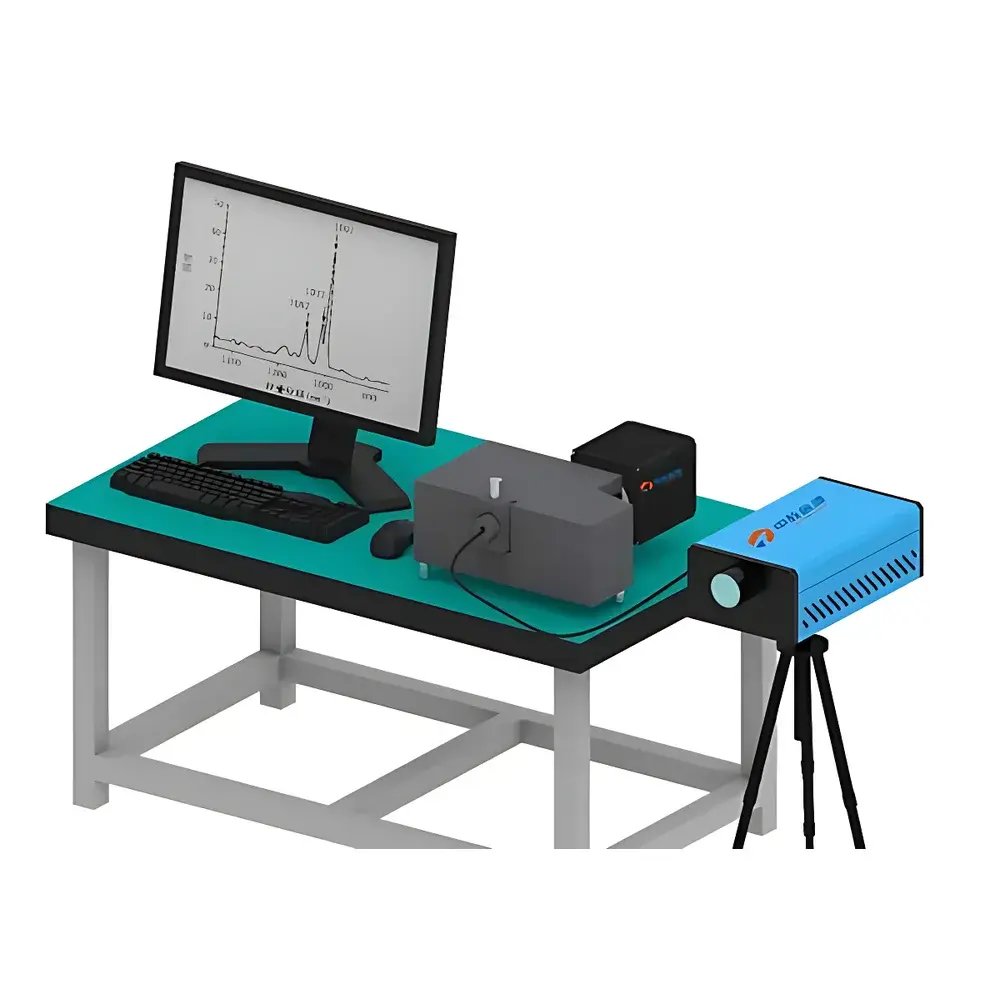
CEL-BRS BrightRaman Remote Online Raman Spectroscopy System
| Brand | CEL (Zhongjiaojinyuan) |
|---|---|
| Origin | Beijing, China |
| Manufacturer Type | Direct Manufacturer |
| Product Category | Domestic |
| Model | CEL-BRS |
| Price Range | USD 280,000 – 420,000 |
| Instrument Type | Remote/Online Raman Spectrometer |
| Spectral Range | −200 to 4000 cm⁻¹ |
| Spectral Resolution | <3 cm⁻¹ |
| Spatial Resolution | 1920 × 1200 pixels |
| Minimum Wavenumber | −200 cm⁻¹ |
| Laser Repetition Rate | 1 kHz |
| Detection Distance | 0.05–2 m (customizable for extended range) |
| Collection Aperture | 100 mm diameter |
| Background/Environmental Light Suppression Ratio (CEL-BRS-XXX-S) | ~10⁻⁶ |
| Fluorescence Suppression Ratio (CEL-BRS-XXX-S) | ~10⁻² |
| Excitation Wavelength Options | 266 nm / 355 nm / 532 nm |
| Pulse Energy | >5 µJ (266 nm), >10 µJ (355 nm), >15 µJ (532 nm) |
| Laser Type | Active Q-switched microchip (CEL-BRS-XXX-S) or Passive Q-switched microchip (CEL-BRS-XXX) |
| Detector | 2D Single-Photon Counting (SPC) Camera |
| Minimum Gating Width | <3 ns |
| Timing Synchronization Resolution | 10 ps |
Overview
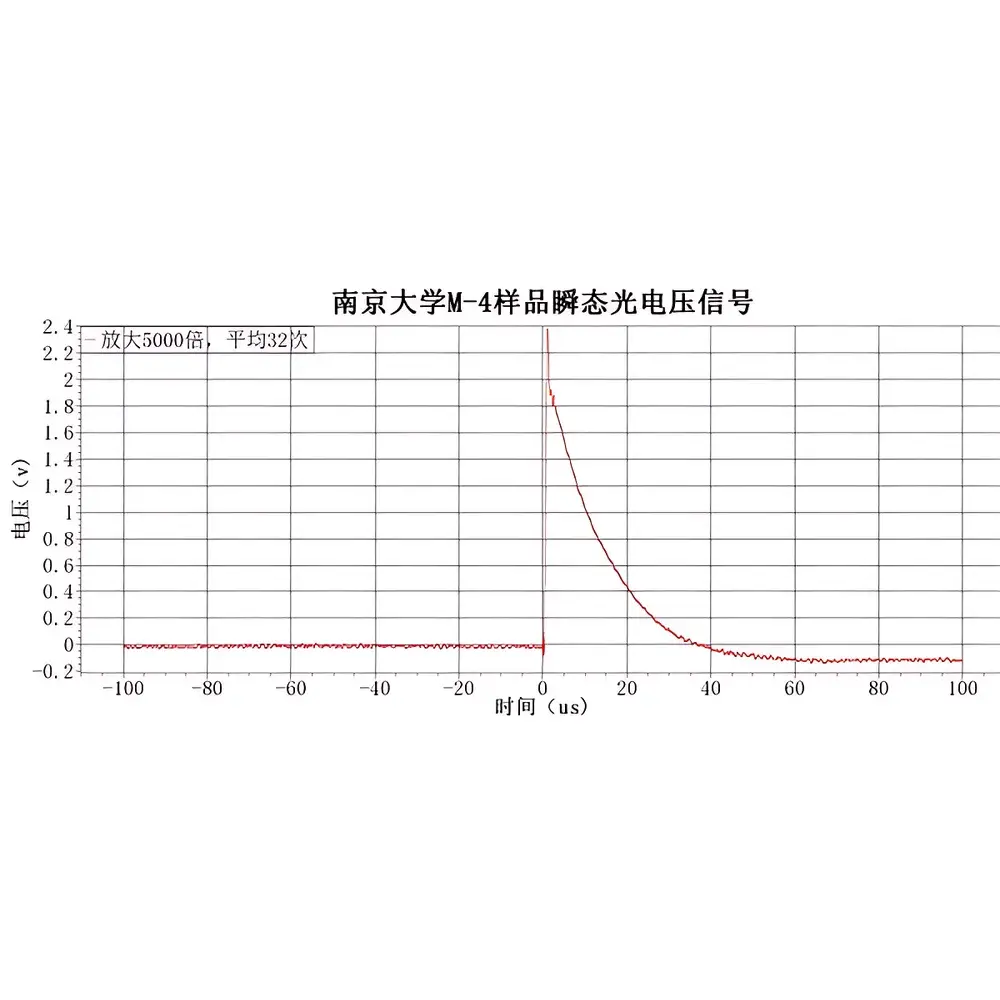
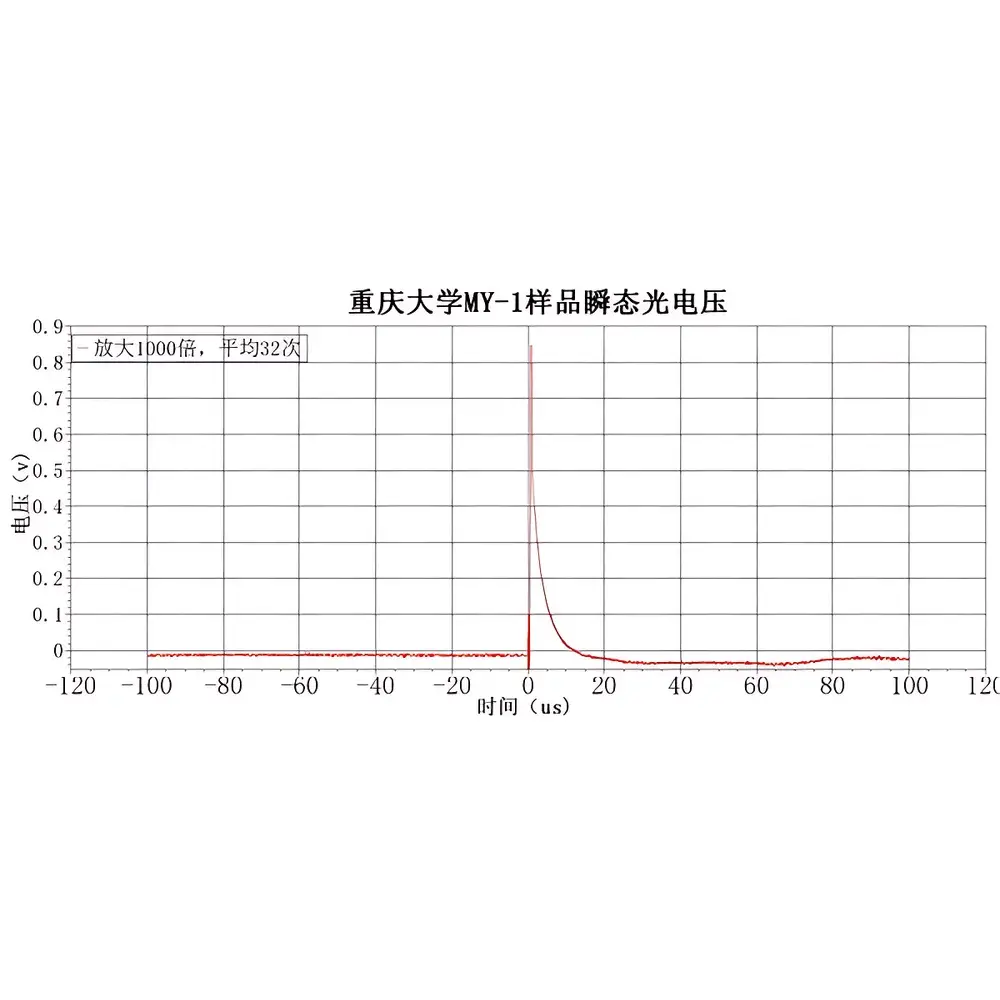
The CEL-BRS BrightRaman Remote Online Raman Spectroscopy System is an engineered solution for non-contact, real-time, in situ molecular identification under challenging ambient conditions. Unlike conventional dispersive Raman spectrometers reliant on continuous-wave lasers and charge-coupled device (CCD) detectors, the CEL-BRS implements time-gated single-photon detection synchronized with high-repetition-rate pulsed laser excitation (1 kHz). This architecture leverages nanosecond-scale optical gating to isolate Raman scattering events from broadband background radiation—including solar illumination, thermal emission, and fluorescence—enabling robust spectral acquisition even under direct daylight exposure at standoff distances up to 2 meters. The system operates on the fundamental principle of inelastic light scattering, where monochromatic laser photons interact with molecular vibrational modes, producing frequency-shifted Stokes and anti-Stokes signals that constitute a chemically specific “fingerprint.” Its design eliminates the need for sample containment, vacuum environments, or cryogenic cooling, supporting true process-integrated spectroscopic monitoring.
Key Features
- Time-resolved Raman detection using sub-3 ns optical gating and 10 ps timing synchronization precision
- 2D single-photon counting (SPC) camera with 1920 × 1200 pixel resolution and intrinsic zero-read-noise performance
- Modular laser platform offering three excitation wavelengths: 266 nm, 355 nm, and 532 nm—with active or passive Q-switched microchip laser options
- Background suppression ratio exceeding 10⁶ (CEL-BRS-XXX-S variant) and fluorescence rejection optimized for short-lived emitters
- Field-deployable optical head with 100 mm collection aperture and adjustable focus for variable working distances (0.05–2 m standard)
- Real-time spectral accumulation and dynamic baseline correction algorithms embedded in acquisition firmware
Sample Compatibility & Compliance
The CEL-BRS supports direct interrogation of solids, powders, liquids, gels, and heterogeneous catalysts without physical contact or sample preparation. It has been validated for in situ monitoring of zeolite-catalyzed reactions (e.g., methanol-to-dimethyl ether conversion over ZSM-5), high-temperature industrial surfaces (>500 °C), and mineral phases in ambient lighting. While not certified to IEC 61000-4 electromagnetic compatibility standards out-of-the-box, its optical architecture inherently complies with ISO 8573-1 (compressed air purity) and ASTM E1840 (Raman spectral calibration) requirements when operated with NIST-traceable reference standards. Data integrity protocols align with GLP/GMP principles through timestamped spectral metadata, hardware-enforced acquisition logs, and optional audit trail configuration per FDA 21 CFR Part 11 guidelines.
Software & Data Management
The system ships with BrightRaman Control Suite—a cross-platform application supporting Windows and Linux environments. It provides live spectral preview, automated peak fitting (Lorentzian/Gaussian deconvolution), spectral library matching against commercial databases (e.g., RRUFF, ICDD), and batch processing for time-series datasets. Raw data are stored in HDF5 format with embedded instrument parameters, environmental metadata (ambient temperature, humidity), and laser stability metrics. Export options include CSV, JCAMP-DX, and mzML-compatible spectra for integration into LIMS or ELN platforms. Software updates are delivered via secure HTTPS channels with SHA-256 signature verification.
Applications
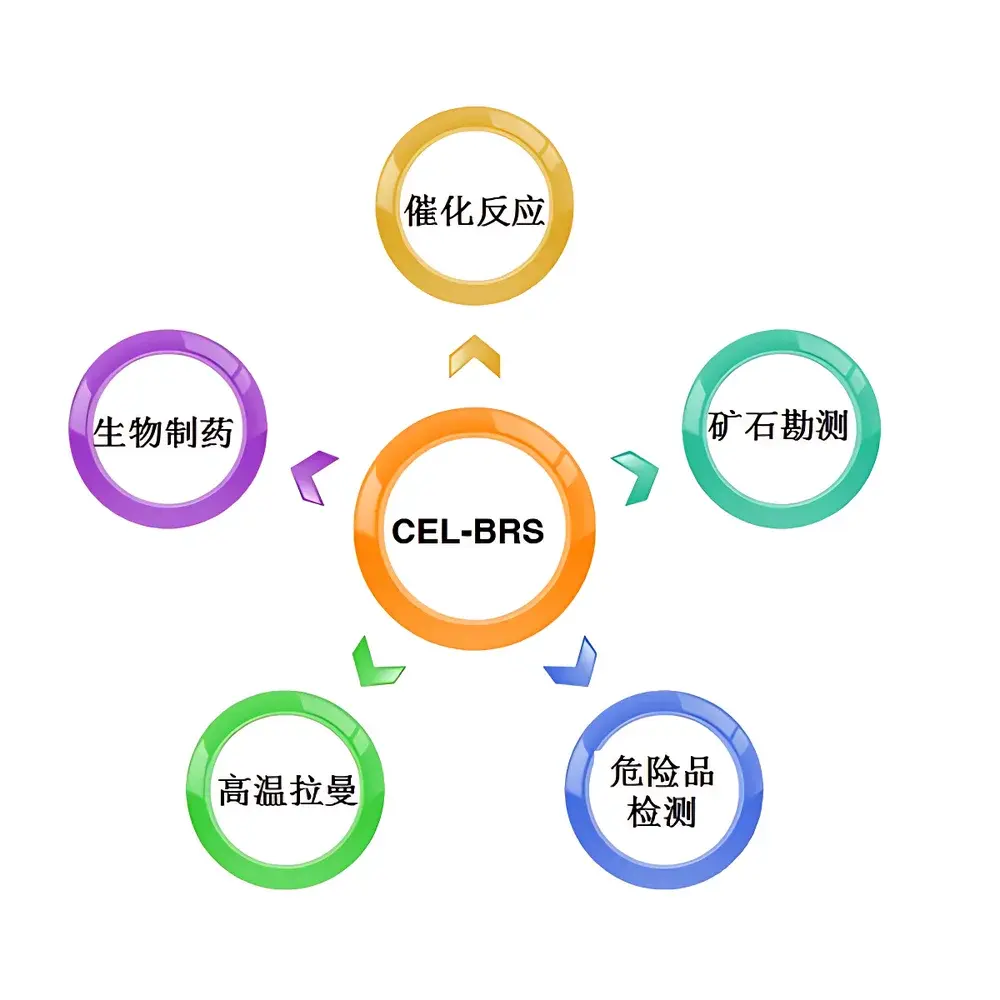
- Real-time catalytic reaction monitoring in fixed-bed and fluidized-bed reactors
- In-line quality control of pharmaceutical intermediates during crystallization or drying
- Remote identification of hazardous materials in open-air environments (e.g., port security, hazmat response)
- In situ analysis of battery electrode degradation under operational voltage cycling
- Mineralogical mapping of geological core samples under natural lighting conditions
- High-temperature surface chemistry studies on furnace linings or turbine blades
FAQ
Can the CEL-BRS operate outdoors under full sunlight?
Yes—the nanosecond time-gating capability and single-photon detection architecture enable reliable signal extraction even under unshielded solar irradiance.
Is spectral calibration traceable to NIST standards?
Calibration is performed using certified polystyrene and silicon reference standards; users may implement additional NIST-traceable secondary standards per ASTM E1840.
What is the minimum detectable Raman shift uncertainty?
Wavenumber accuracy is ±0.5 cm⁻¹ across the −200 to 4000 cm⁻¹ range when calibrated with internal references and corrected for thermal drift.
Does the system support quantitative analysis?
Quantitative modeling requires empirical calibration curves; the system provides stable intensity reproducibility (<2% RSD over 8-hour acquisitions) suitable for relative concentration tracking.
Can the detection distance be extended beyond 2 meters?
Yes—custom configurations with larger collection optics (e.g., 200 mm reflector assemblies) and higher pulse energy lasers are available upon request.




