Lei-Tech LK-90 Inverted Biological Microscope
| Brand | Lei-Tech |
|---|---|
| Origin | Tianjin, China |
| Manufacturer Type | Direct Manufacturer |
| Product Category | Inverted Microscope |
| Model | LK-90 |
| Eyepiece Configuration | Trinocular |
| Optical System | Infinity-Corrected Achromatic Optics |
| Total Magnification Range | 40×–400× |
| Illumination | Critical Illumination with Long-Life Halogen Lamp (Adjustable Brightness, Variable Aperture Diaphragm) |
| Condenser | NA 0.3, 72 mm Working Distance, Centerable, Removable for Köhler Illumination |
| Objective Mount | 5-Position Revolving Nosepiece |
| Focus Mechanism | Coaxial Coarse/Fine Adjustment (Coarse Travel: 9 mm |
| Fine Resolution | 0.002 mm) |
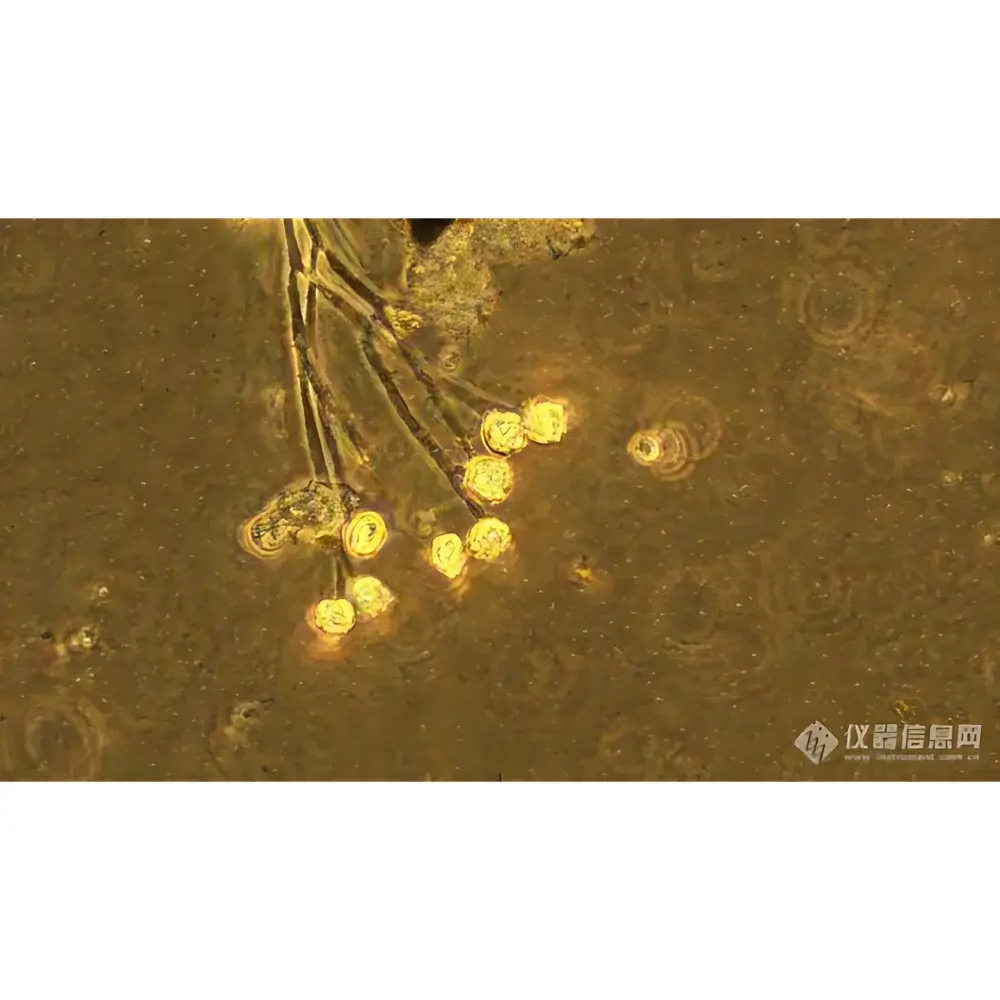
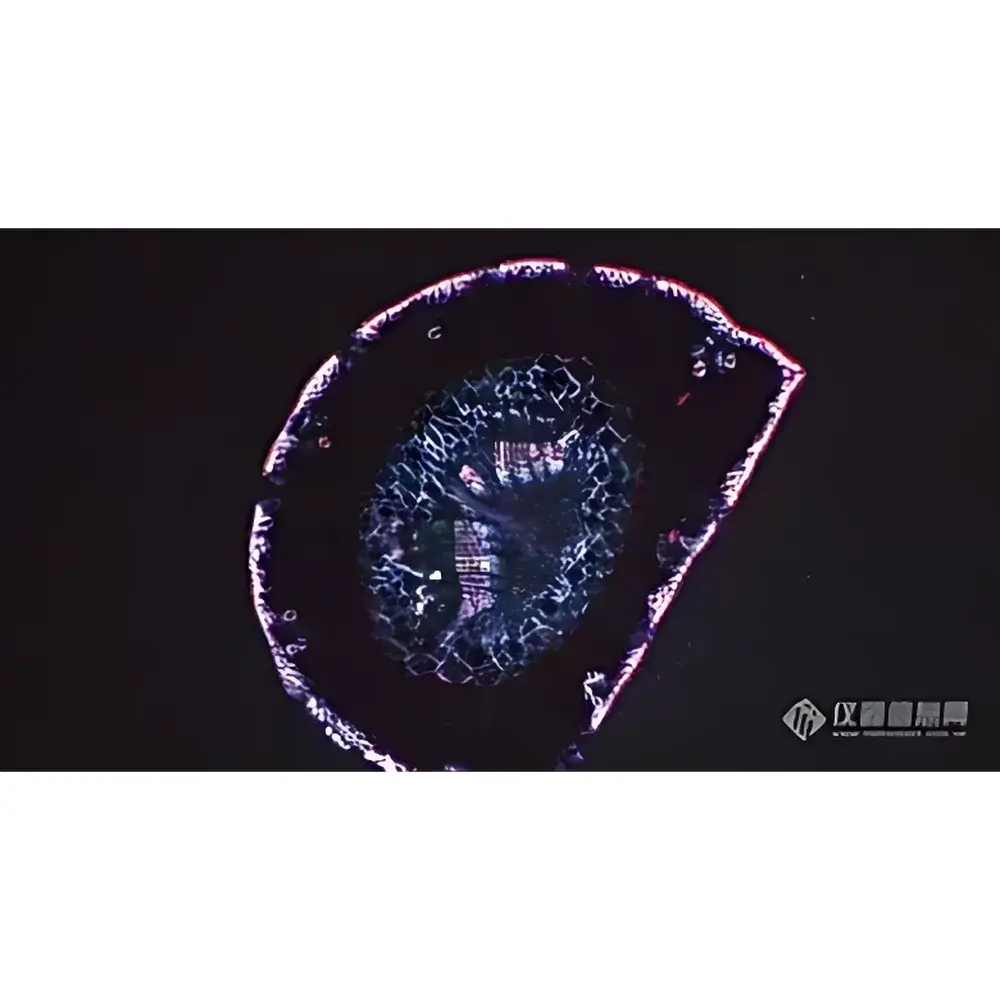
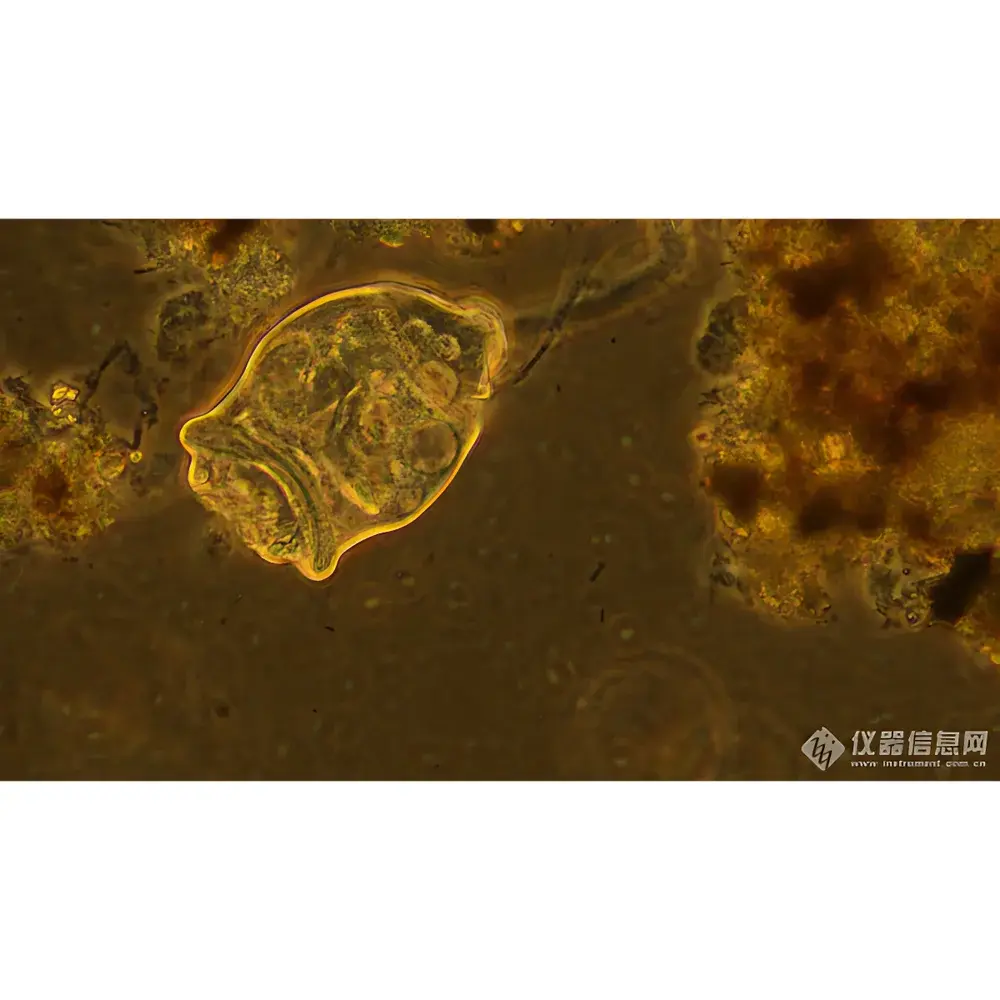
| Included Contrast Modes | Brightfield (BF), Phase Contrast (PC), Polarization (POL) |
| Eyepieces | PL10×/22 Wide-Field High-Eye-Point |
| Objectives | Infinity-Corrected Long Working Distance Achromatic Phase Contrast Objectives (10×, 20×, 40×) |
| Image Capture | 20 MP CMOS Sensor (5440 × 3648), 1× CCTV Adapter |
| Accessories | Adjustable Phase Contrast Annuli (10×–40×), LBD & IF550 Filter Set, Multi-Platform Stage (Glass/Metal/Petri Dish Support), Extended Mechanical Stage with Vernier Scale |
Overview
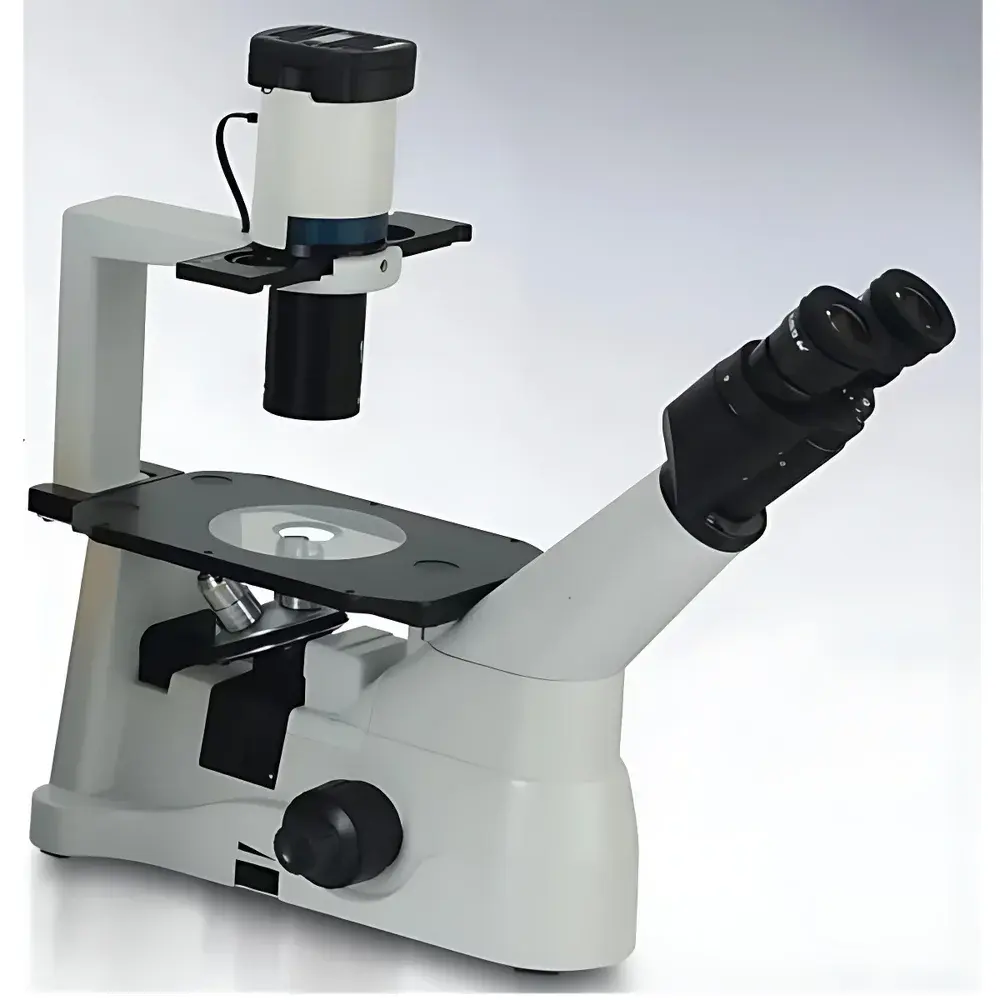
The Lei-Tech LK-90 Inverted Biological Microscope is engineered for rigorous life science applications requiring stable, high-fidelity optical performance in live-cell and tissue culture observation. Designed around an infinity-corrected achromatic optical system (UISC architecture), the LK-90 eliminates chromatic and spherical aberrations across its full magnification range (40×–400×), ensuring consistent resolution and contrast—critical for longitudinal studies of adherent cells, organoids, and suspension cultures. Its inverted configuration places the objective lenses beneath the specimen stage, enabling direct access to culture vessels—including standard Petri dishes, multi-well plates, and flasks—without disturbing sample integrity or workflow continuity. The microscope supports three fundamental contrast modalities: brightfield (BF), phase contrast (PC), and polarization (POL), each optimized via matched optical components—including a removable NA 0.3 condenser with 72 mm working distance, precision-aligned phase annuli, and calibrated polarizing filters. This multimodal capability allows users to switch between structural visualization (BF), label-free cellular morphology assessment (PC), and birefringence-based identification of crystalline or fibrous biomaterials (POL)—all without mechanical realignment or hardware reconfiguration.
Key Features
- Infinity-corrected achromatic optics with UISC (Universal Infinity Space Correction) design ensures minimal wavefront distortion and high image fidelity across all magnifications.
- Trinocular 45° inclined head with 80%:20% beam-splitting ratio enables simultaneous visual observation and high-resolution digital imaging—compatible with C-mount adapters and industry-standard 20 MP CMOS cameras (5440 × 3648).
- Long-working-distance phase contrast objectives (10×, 20×, 40×) provide ≥5.2 mm clearance between lens front element and coverslip—essential for observing thick specimens or culture vessels with lids.
- Critical illumination system features a centerable 12 V/50 W halogen lamp with continuous brightness control, variable aperture diaphragm, and integrated LBD color temperature balancing and IF550 green interference filters for enhanced contrast in unstained samples.
- Robust mechanical stage includes vernier-scaled mechanical X-Y translation (76 × 50 mm travel), interchangeable platform inserts (glass, metal with kidney-shaped slot, Petri dish holder), and optional extension plate for oversized vessels.
- Coaxial coarse/fine focusing mechanism delivers 9 mm total coarse travel and 0.002 mm fine step resolution, with independent tension adjustment for ergonomic operation during extended sessions.
Sample Compatibility & Compliance
The LK-90 is routinely deployed in GLP-compliant academic labs, biotech QC environments, and teaching facilities where reproducibility and regulatory traceability are essential. Its optical design conforms to ISO 8578:2017 (microscopes — requirements and test methods) and supports documentation workflows aligned with FDA 21 CFR Part 11 when paired with validated image acquisition software. The system accommodates standard ANSI/ISO-compliant glass slides (26 × 76 mm), #1.5 coverslips (0.17 mm thickness), and commercial cultureware—including Corning, Falcon, and Thermo Fisher formats—without adapter modification. Phase contrast compatibility extends to unstained mammalian cells (e.g., HeLa, NIH/3T3), primary neurons, and microbial suspensions; polarization mode validates collagen fiber orientation, urate crystal morphology, and starch granule birefringence per ASTM E3022-16 guidelines for biological birefringence analysis.
Software & Data Management
While the LK-90 operates as a standalone optical instrument, its trinocular port and standardized C-mount interface enable integration with third-party imaging platforms supporting DICOM, TIFF, and OME-TIFF export. When used with compliant software (e.g., NIS-Elements, ZEN Blue, or open-source MicroManager), the system supports time-lapse acquisition, multi-channel overlay, and metadata embedding—including objective ID, magnification, exposure settings, and user-defined annotations. HDR (High Dynamic Range) image processing—implemented via real-time pixel-level luminance mapping—reduces glare from high-contrast interfaces (e.g., air–medium boundaries in Petri dishes) and improves quantitative segmentation accuracy. Optional real-time extended depth-of-field (EDF) stacking and multi-field mosaic stitching further enhance morphometric analysis of heterogeneous monolayers or confluent tissues—functions validated against NIST-traceable calibration targets.
Applications
The LK-90 serves as a foundational tool in cell biology laboratories conducting routine passage monitoring, transfection efficiency assessment, and cytotoxicity screening. Its phase contrast capability eliminates fixation and staining steps required by conventional brightfield protocols—preserving viability for downstream assays (e.g., flow cytometry, RNA extraction). In pathology training programs, it supports comparative analysis of fixed vs. live tissue explants under polarization to distinguish amyloid deposits, gout crystals, or myelin sheaths. Industrial microbiology labs utilize its long-working-distance objectives for real-time biofilm formation tracking in flow chambers. Educational institutions leverage its intuitive ergonomics and modular contrast modules to teach core microscopy principles—including Köhler illumination alignment, numerical aperture optimization, and artifact recognition—without reliance on proprietary software locks or subscription-based feature gating.
FAQ
Does the LK-90 support Köhler illumination?
Yes—the condenser is fully centerable and features a removable mount to engage Köhler illumination geometry, ensuring uniform field illumination and optimal resolution.
Is the phase contrast system adjustable for different objective magnifications?
Yes—supplied with a 10×–40× tunable phase annulus set, allowing precise matching to each phase objective’s back focal plane requirements.
Can the microscope be used with motorized stages or automated focus systems?
The LK-90’s mechanical stage uses standard M4 threading and 1/4″-20 mounting holes, enabling retrofitting with third-party motorized XY/Z actuators compatible with TTL or USB control protocols.
What regulatory documentation is provided for quality assurance purposes?
Each unit ships with a factory calibration certificate referencing ISO 8578 test procedures, optical path length verification report, and CE-marked power supply compliance documentation.
Is service and technical support available outside mainland China?
Lei-Tech maintains authorized service partners in Southeast Asia, the Middle East, and Eastern Europe; remote diagnostics and firmware updates are supported via encrypted SSH session upon customer registration.
Related Products