
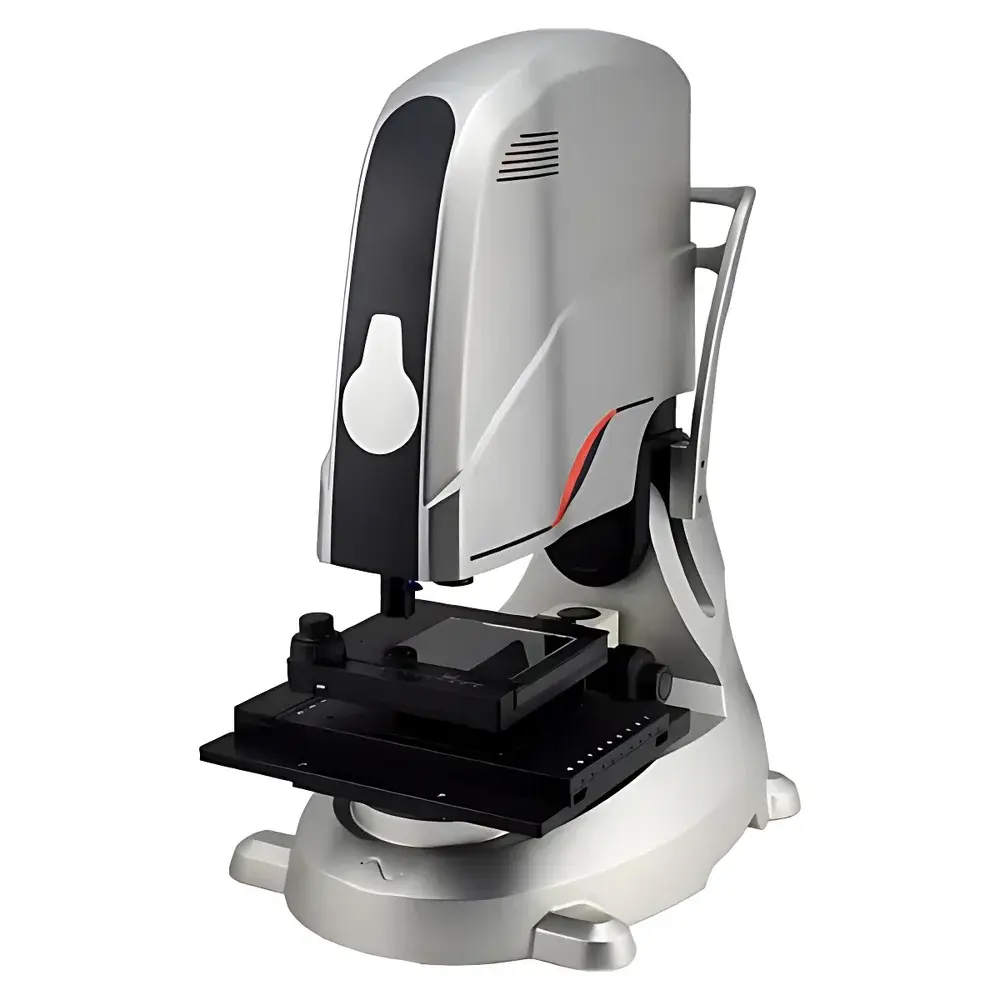
LEI-TECH LK-JS8500 Computational 3D Extended Depth-of-Field Microscopy System
| Brand | LEI-TECH |
|---|---|
| Origin | Tianjin, China |
| Manufacturer Type | Direct Manufacturer |
| Model | LK-JS8500 |
| Focus Drive | Motorized Zoom |
| Frame Rate | 60 fps |
| Zoom Ratio | 12:1 |
Overview
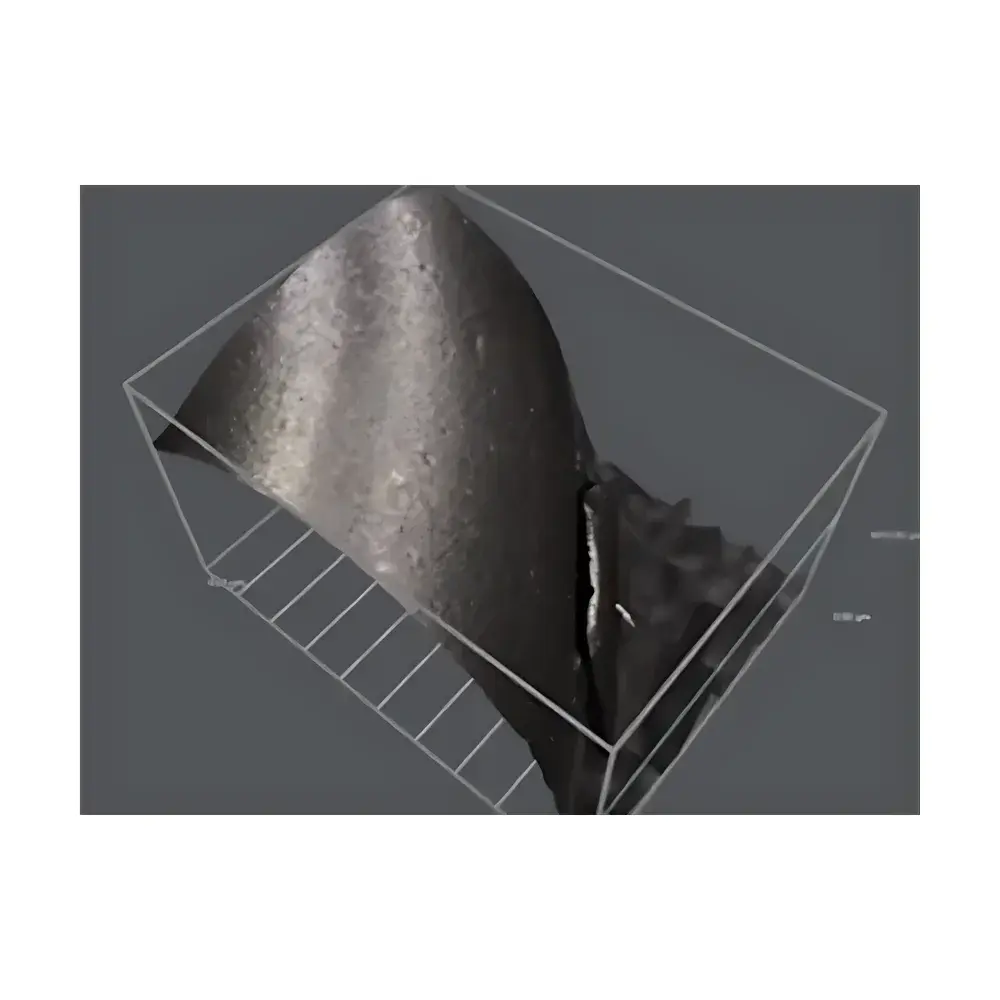
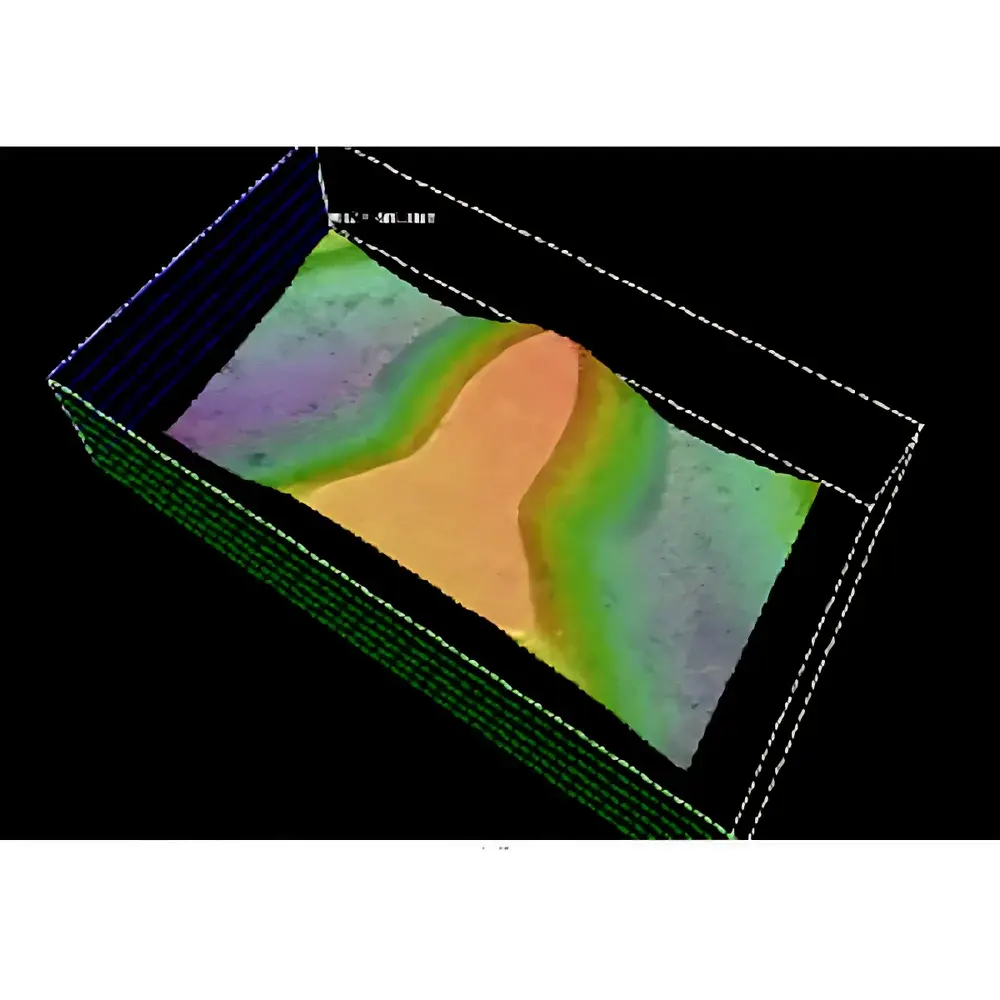
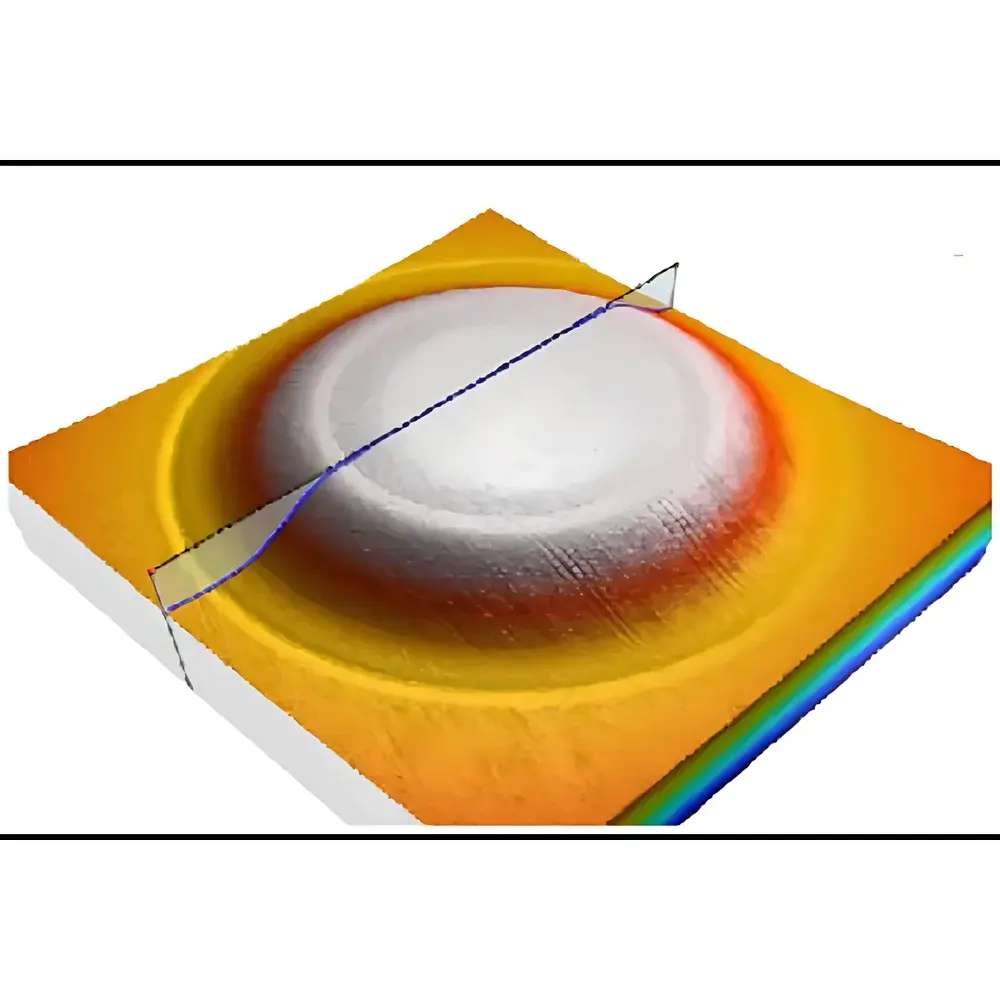
The LEI-TECH LK-JS8500 Computational 3D Extended Depth-of-Field Microscopy System is an engineered solution for high-fidelity, non-contact surface metrology and volumetric imaging in industrial QA/QC, materials science, failure analysis, and precision manufacturing. Unlike conventional optical microscopes constrained by the physical limits of depth of field and diffraction-limited resolution, the LK-JS8500 employs computational imaging—integrating synchronized motorized zoom, multi-focus image stacking, sub-pixel edge-aware alignment, and spectral confocal Z-sensing—to reconstruct true-color, metrologically traceable 3D topographic models in under 10 seconds per field of view. Its hybrid architecture supports dual operational modes: (1) extended depth-of-field (EDOF) optical imaging at magnifications up to 7,000× (optical) / 10,000× (digital), and (2) spectral confocal profilometry with axial resolution <10 nm—enabling quantitative measurement on reflective, transparent, or highly curved surfaces where traditional focus-stacking fails. Designed for ISO/IEC 17025-compliant laboratories and GMP-regulated environments, the system delivers reproducible, audit-ready 3D data without vacuum, conductive coating, or sample preparation.
Key Features
- Motorized 12:1 continuous zoom optics with real-time magnification encoding and autofocus compensation
- Spectral confocal Z-sensing module (optional) based on white-light chromatic dispersion, enabling nanoscale vertical resolution on glass, polished metals, thin films, and transparent adhesives
- APO apochromatic objective lens series (1×–100×) with NA up to 0.8, correcting chromatic aberration, spherical aberration, and secondary spectrum for diffraction-limited lateral resolution down to 0.4 µm
- Long working distance (up to 34 mm at 1×) with LDM optical design, facilitating deep cavity inspection and integration with auxiliary tools (e.g., micromanipulators, environmental chambers)
- SONY 1/1.8″ HDR CMOS sensor (10 MP, 60 fps) with Ultra-Fine™ color engine, dynamic range extension, and hardware-level noise suppression for low-illumination fidelity
- Integrated XYZ motorized stage with ±45° tilt capability and 360° rotation—enabling full-degree-of-freedom multi-angle acquisition and seamless 3D optical stitching
- Intelligent illumination suite: coaxial, ring, diffuse, polarized, and quadrant-configurable LED sources (30,000+ hr lifetime), each programmable via software for contrast-optimized feature extraction
Sample Compatibility & Compliance
The LK-JS8500 accommodates diverse sample geometries and material classes—including metallic alloys, ceramics, polymers, semiconductors, biological specimens (non-living), composites, and optically transparent layers—without contact or vacuum requirements. Its spectral confocal mode meets ASTM E2923-22 (Standard Guide for Confocal Microscopy) and ISO 25178-603 (Surface Texture — Part 603: Optical Profiling Methods). All measurement workflows support GLP/GMP traceability: timestamped metadata, user-access logs, instrument calibration records, and 21 CFR Part 11–compliant electronic signatures are embedded within exported reports. The system conforms to CE, RoHS, and IEC 61000-6-3 EMC standards.
Software & Data Management
The proprietary LEI-VISION™ software platform provides a unified interface for acquisition, reconstruction, analysis, and reporting. Core modules include: (1) Real-time displacement correction and sub-pixel edge refinement algorithms that eliminate stair-stepping artifacts; (2) Multi-layer fusion engine combining optical EDOF images with spectral confocal point clouds into metrological-grade colored 3D models; (3) ISO 25178-compliant surface parameter calculation (Sa, Sq, Sz, Sdr, etc.) with uncertainty estimation per ISO/IEC Guide 98-3; (4) Batch processing pipeline supporting automated report generation in PDF, CSV, and STEP formats; (5) Audit trail database with immutable event logging (user actions, parameter changes, calibration events) compliant with FDA 21 CFR Part 11 Annex 11 requirements.
Applications
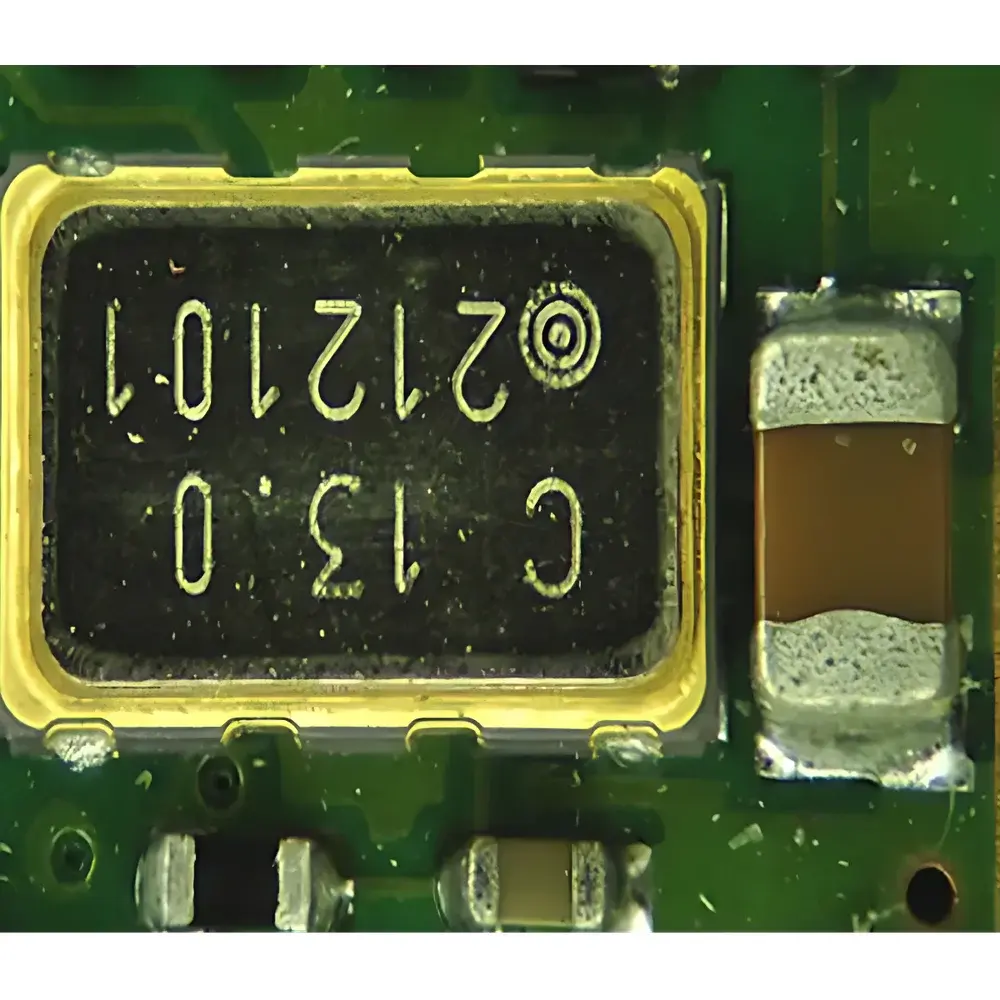
- Microelectronics: Bond wire height profiling, solder paste volume quantification, PCB pad coplanarity, MEMS device deformation analysis
- Advanced Manufacturing: Tool wear assessment (micro-end mills, inserts), turbine blade leading-edge erosion mapping, additive manufacturing layer fidelity validation
- Materials Science: Corrosion pit depth measurement, grain boundary visualization, fracture surface topography (SEM alternative), thin-film thickness uniformity
- Quality Control: Thread pitch/angle verification, gasket compression set analysis, polymer weld seam integrity, medical device surface roughness certification
- Forensics & Cultural Heritage: Ink layer sequencing (Vanderbilt method), toolmark striation analysis, ceramic glaze microcrack propagation, parchment fiber orientation mapping
FAQ
What is the difference between EDOF imaging and spectral confocal mode?
EDOF relies on focus stacking across Z-heights using optical zoom; it excels in speed and color fidelity for general morphology. Spectral confocal uses wavelength-encoded axial position detection and is essential for nanoscale Z-resolution on specular or transparent surfaces.
Can the system measure step heights on silicon wafers?
Yes—when equipped with the spectral confocal module and piezo-driven Z-stage, it achieves ≤10 nm repeatability on SiO₂/Si interfaces per ISO 25178-603.
Is calibration traceable to national standards?
All optical and mechanical calibrations are performed using NIST-traceable reference artifacts (step height standards, pitch standards, color charts), with certificates issued per ISO/IEC 17025.
Does the software support automated pass/fail decision logic?
Yes—customizable tolerance zones, GD&T callouts (e.g., flatness, profile of a surface), and conditional reporting rules can be scripted and deployed across production lines.
What training and service options are available internationally?
LEI-TECH offers remote commissioning, on-site application engineering support, annual preventive maintenance contracts, and ISO 17025-aligned calibration services through authorized regional service centers in EU, APAC, and North America.



