
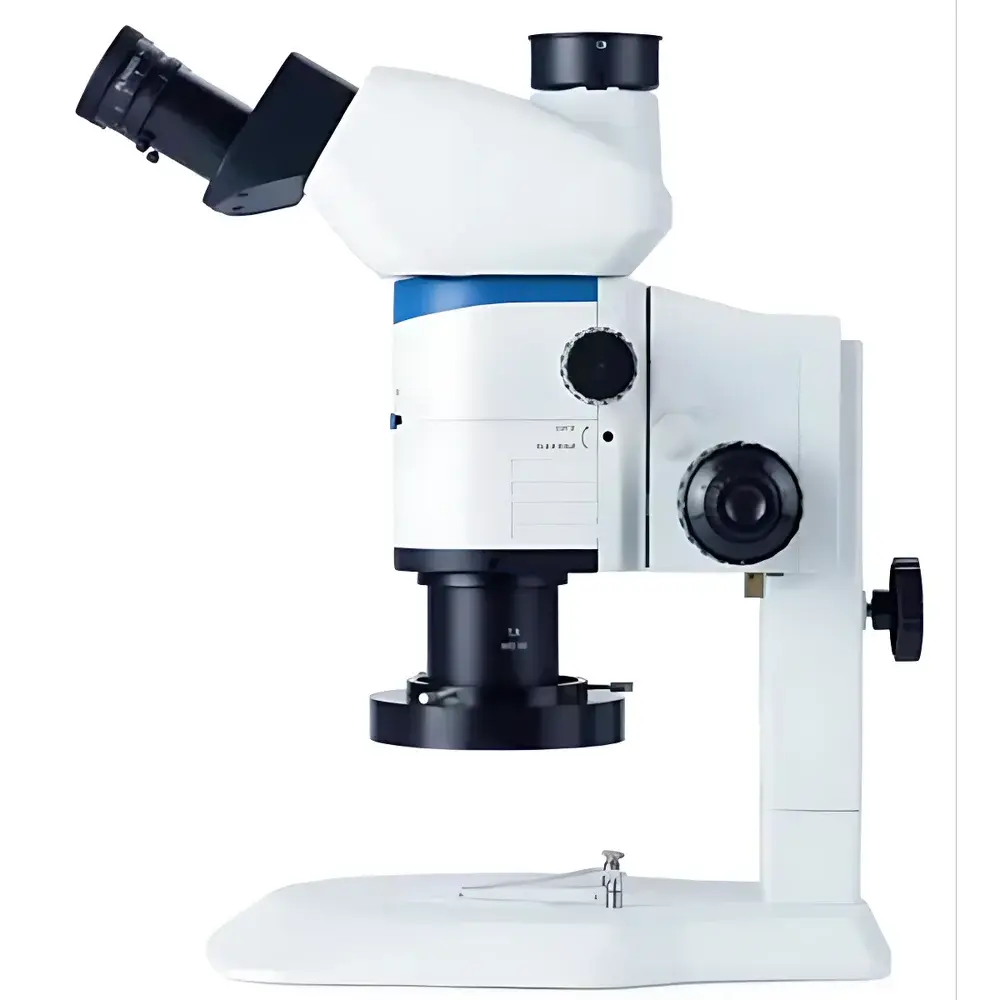
LEI-TECH LK-TS12-TRF Research-Grade Stereo Microscope
| Brand | LEI-TECH |
|---|---|
| Origin | Tianjin, China |
| Manufacturer Type | Direct Manufacturer |
| Product Category | Domestic |
| Model | LK-TS12-TRF |
| Total Magnification Range | 6.3×–80× |
| Zoom Ratio | 12.5:1 |
| Working Distance | 80 mm |
| Illumination | Long-Life LED |
Overview
The LEI-TECH LK-TS12-TRF is a research-grade stereo microscope engineered for high-fidelity visual inspection and documentation in both industrial quality control and life science laboratories. Built upon a precision Galilean optical architecture—distinct from conventional Greenough designs—the instrument delivers parallel optical paths with a shared primary objective, ensuring exceptional image flatness, minimal distortion, and true stereoscopic depth perception across the entire zoom range. This optical configuration enables consistent resolution and color fidelity without parallax shift, making it particularly suitable for quantitative morphological analysis, micro-assembly verification, metallurgical surface evaluation, and developmental biology specimen observation. The system supports modular integration with digital imaging platforms and complies with fundamental ergonomic and optical performance benchmarks aligned with ISO 10934-1 (stereomicroscope terminology) and ISO 9335 (optical resolution testing methodology).
Key Features
- Galilean parallel-optical design with 1× apochromatic primary objective, delivering flat-field imaging and superior chromatic correction across red, green, blue, and violet wavelengths
- 12.5:1 continuous zoom optics (0.63×–8×), with 11 calibrated magnification stops (0.63×, 0.8×, 1×, 1.25×, 1.6×, 2×, 2.5×, 3.2×, 4×, 5×, 6.3×, 8×) and manual release mechanism for seamless low-to-high magnification transitions
- Ergonomic trinocular observation tube with adjustable inclination (5°–45°), dual-mode beam-splitting (100:0 or 0:100 binocular:trinocular), interpupillary adjustment (50–76 mm), and locking eyepiece sleeves
- High-eyepoint wide-field plan eyepieces (PL10×/22 mm) with independent diopter compensation for each ocular
- Coaxial coarse/fine focusing mechanism with 50 mm vertical travel and 2 µm fine-focus graduation; tactile damping ensures stable positioning during extended use
- Integrated aperture diaphragm control for real-time depth-of-field optimization and contrast enhancement
- Adjustable color-temperature LED illumination (3000–5600 K), digitally displayed on base housing, with independent brightness control and ring-light configuration for uniform shadow-free illumination
- Vertical column arm with height-locking knob and 0.5×/0.65×/1× C-mount TV adapter compatibility for standardized camera coupling
Sample Compatibility & Compliance
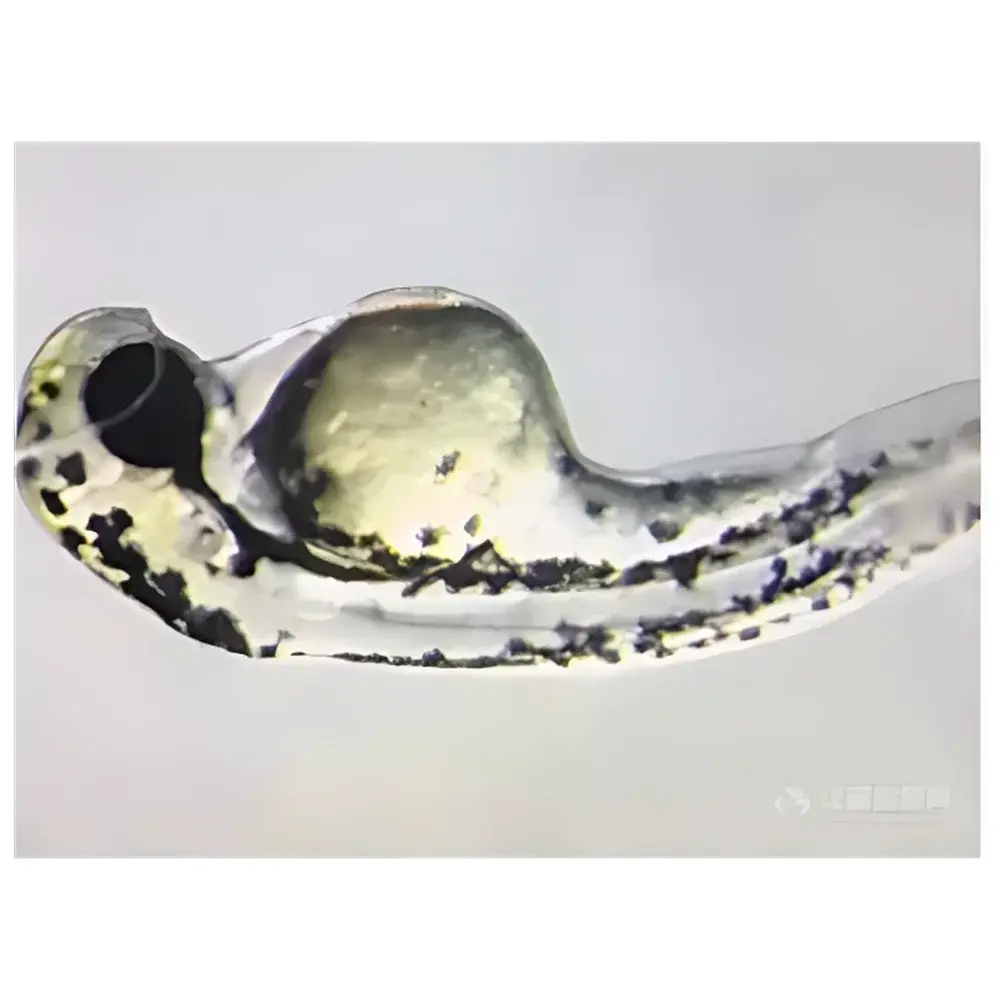
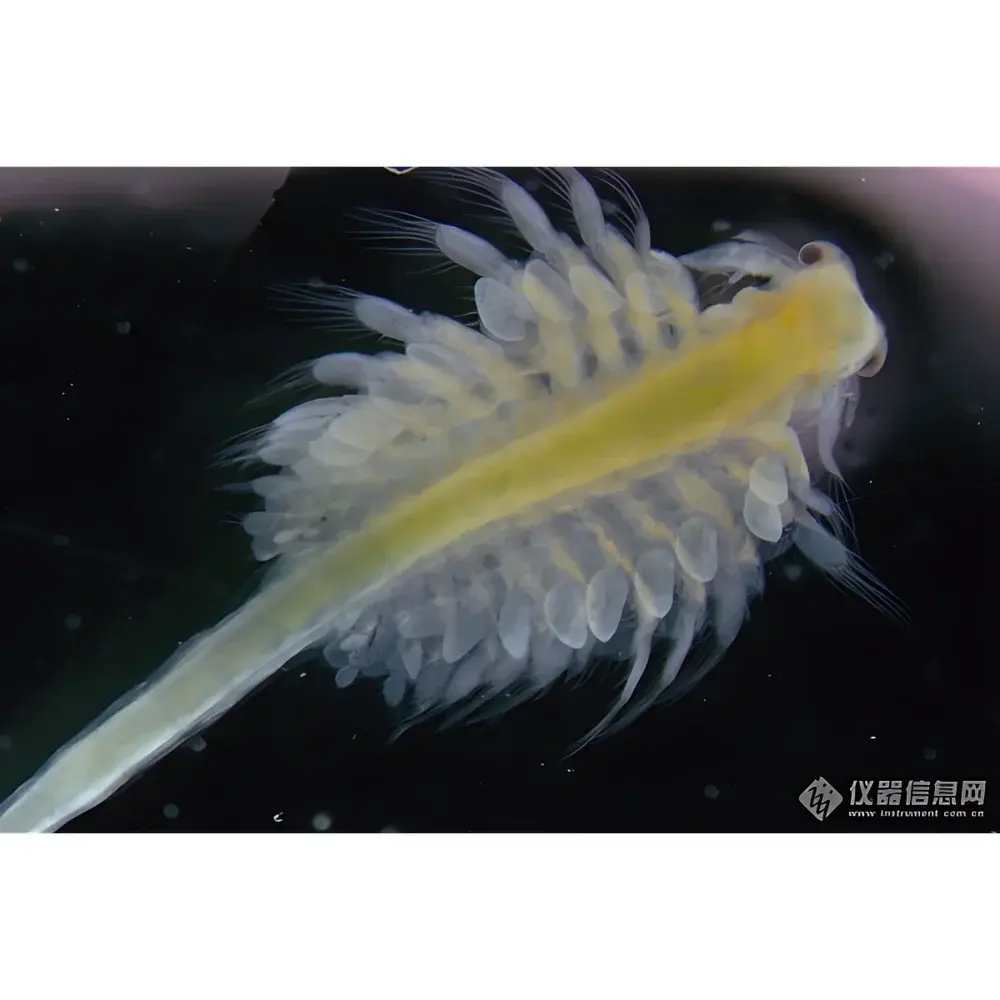
The LK-TS12-TRF accommodates specimens up to 120 mm in height and 150 mm in width, supporting diverse sample types including PCB assemblies, solder joints, semiconductor wafers, botanical sections, insect morphology, histological tissue blocks, and small-animal embryonic models. Its 80 mm working distance enables unobstructed tool access during micro-manipulation tasks. While not certified to ISO/IEC 17025 as a metrology instrument, its optical stability, repeatability of magnification calibration, and mechanical rigidity meet GLP-aligned laboratory practice requirements for routine visual inspection documentation. The LED light source conforms to IEC 62471 (photobiological safety) and exhibits <0.5% intensity drift over 10,000 hours of operation.
Software & Data Management
The microscope is compatible with industry-standard USB 3.0 CMOS cameras (e.g., FLIR Blackfly S, Basler ace) and third-party imaging software suites such as Olympus cellSens, Zeiss ZEN Blue, and open-source alternatives like Fiji/ImageJ. Optional firmware-enabled measurement modules support pixel calibration, length/area annotation, multi-point distance mapping, and export of annotated TIFF/PNG sequences with embedded metadata (magnification, illumination settings, timestamp). Audit trails for image acquisition parameters are retained locally when used with compliant software adhering to FDA 21 CFR Part 11 principles—though native electronic signature functionality requires external validation of the host imaging platform.
Applications
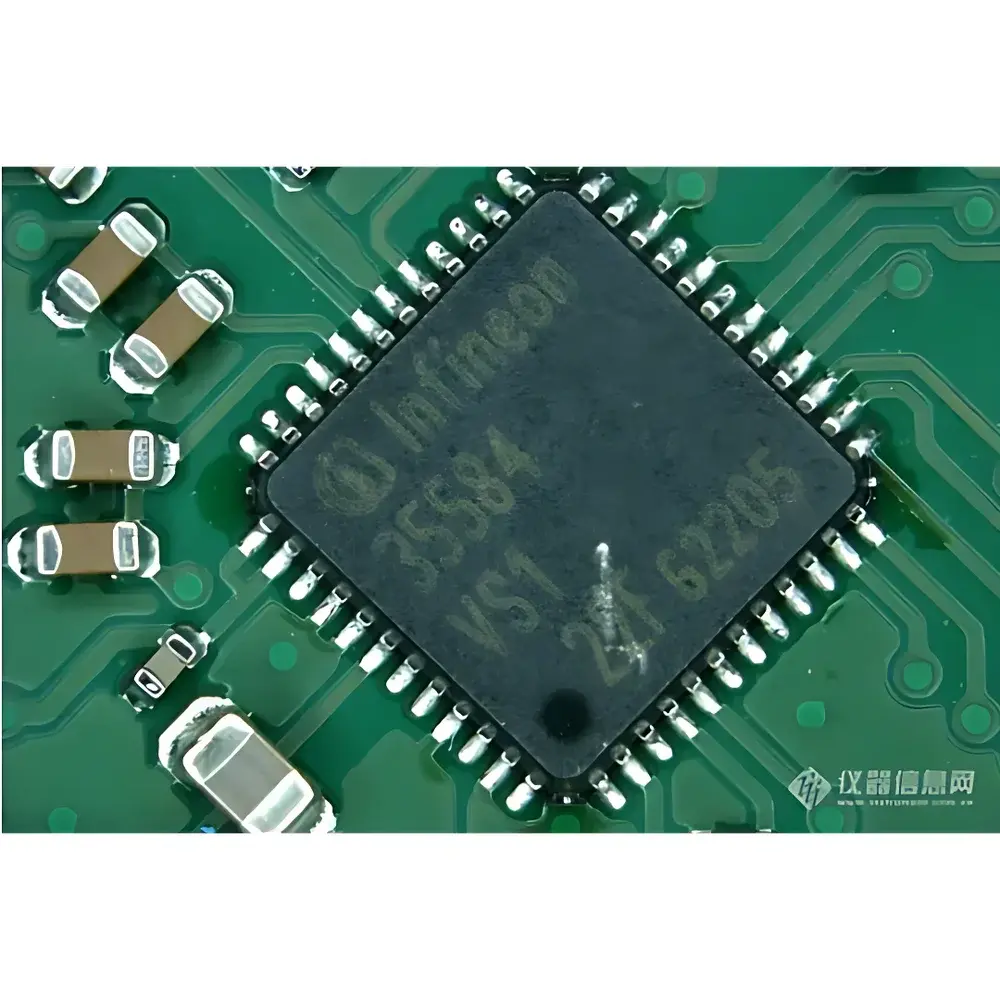
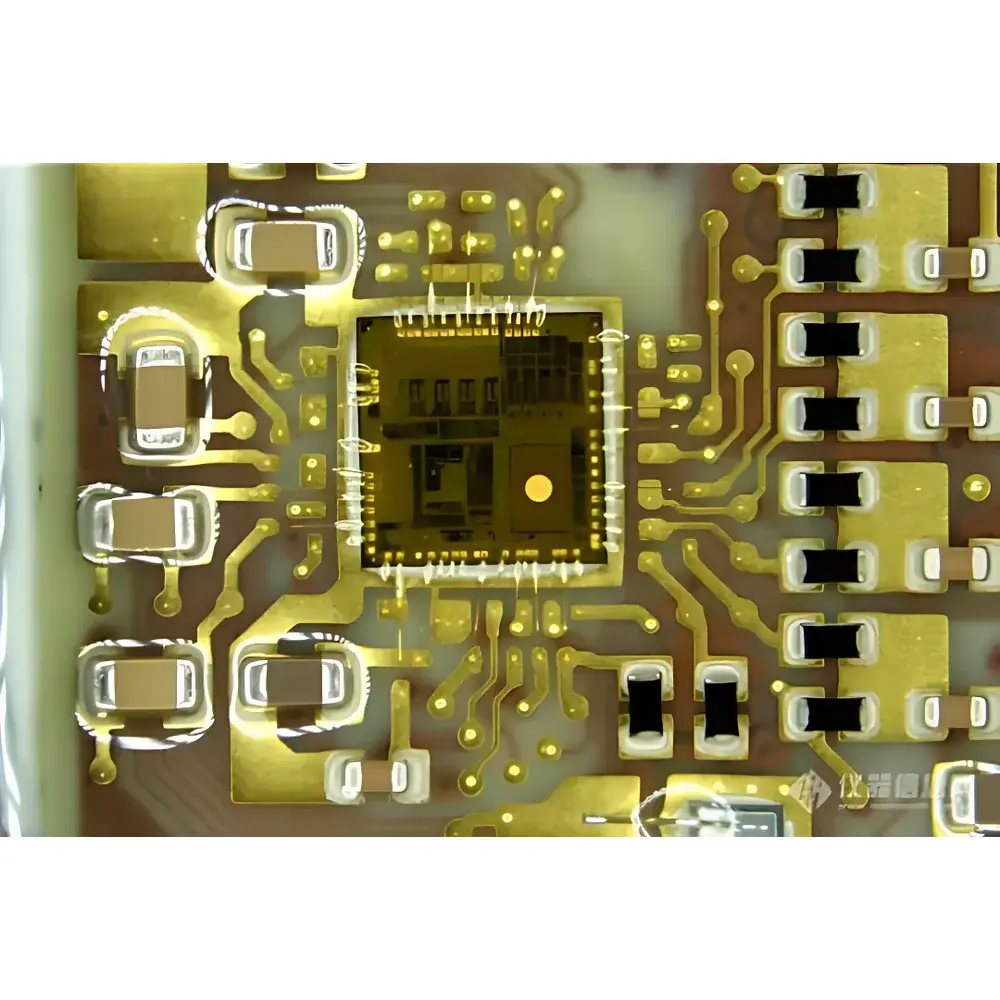
- Electronics manufacturing: SMT defect identification, wire bond inspection, conformal coating uniformity assessment
- Materials science: Grain structure analysis, fracture surface characterization, corrosion pattern documentation
- Academic research: Drosophila dissection, zebrafish embryo staging, plant stomatal density quantification
- Forensic science: Fiber comparison, toolmark replication, gunshot residue particle morphology
- Quality assurance labs: ISO 26262-compliant component visual audits, ASTM E2900-compliant microstructural review
- Medical device R&D: Catheter tip geometry verification, stent strut alignment validation, hydrogel swelling behavior monitoring
FAQ
What is the optical path difference between Galilean and Greenough stereo microscope designs?
The Galilean system uses a single shared objective lens and parallel light paths, eliminating convergence-related distortion and enabling superior field flatness and depth consistency. Greenough systems employ two separate objective lenses angled toward the specimen, introducing inherent perspective asymmetry at higher magnifications.
Can the LK-TS12-TRF be integrated into automated inspection workflows?
Yes—via C-mount interface and programmable LED control signals (TTL/0–10 V), the system supports synchronization with motion stages, autofocus algorithms, and machine vision triggers when paired with compatible controllers.
Is the 80 mm working distance maintained across the full zoom range?
Yes—the optical design preserves constant working distance throughout the 0.63×–8× zoom range, critical for maintaining clearance during microsurgery or probe-based measurements.
Does the microscope support polarization contrast without external accessories?
It includes built-in polarizer/analyzer capability for simple polarized light observation; full retardation control requires optional quarter-wave plates.
What is the warranty coverage and service response protocol?
LEI-TECH provides a 24-month limited warranty covering optical and mechanical components. Technical support is available 7×24 via remote diagnostics; on-site service is dispatched within 72 business hours for Tier-1 regions (China, EU, North America).




