
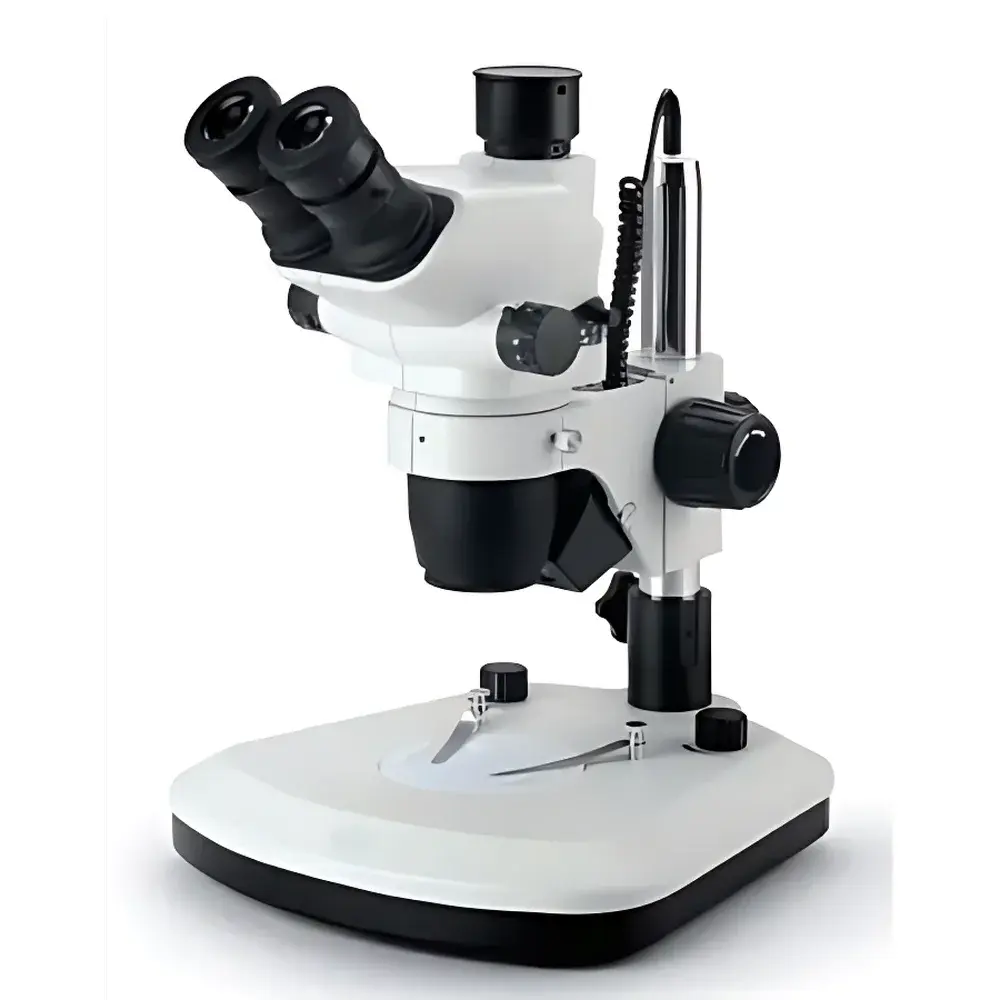
Lei-Tech LK-XZTS-71 Zebrafish Observation Stereo Microscope
| Brand | Lei-Tech |
|---|---|
| Origin | Tianjin, China |
| Manufacturer Type | Direct Manufacturer |
| Product Category | Domestic |
| Model | LK-XZTS-71 |
| Total Magnification Range | 7×–45× |
| Zoom Ratio | 1:6.7 |
| Working Distance | 110 mm |
| Objective Type | Achromatic |
| Illumination Options | Fluorescence, Halogen, LED |
| Eyepiece Field of View | 22 mm |
| Eyepiece Magnification | 10× (High-Eye-Point Plan) |
| Viewing Head | Trinocular, 45° Inclined, Interpupillary Adjustment Range: 52–76 mm |
| Focusing Mechanism | Precision Linear-Guide Vertical Focus with Dual-Side Coaxial Knobs |
| Base Type | Upright Column-Type Flat Platform Base (Compatible with ST70A1 Stand) |
Overview
The Lei-Tech LK-XZTS-71 Zebrafish Observation Stereo Microscope is an ergonomically engineered dual-optical-path instrument designed specifically for live specimen observation in developmental biology, toxicology screening, and preclinical zebrafish research. It operates on the principle of Greenough-style stereoscopic optics—employing two separate objective-lens pathways with a fixed angular separation—to deliver true three-dimensional depth perception, essential for precise microinjection, embryo manipulation, and larval phenotyping. Unlike compound microscopes optimized for thin-section histology, this system prioritizes long working distance (110 mm), wide field flatness, and high-resolution peripheral image fidelity across its full zoom range (7×–45×). Its optical architecture integrates achromatic objectives with high-transmission anti-reflection coatings to minimize chromatic aberration and maximize contrast in transmitted-light and reflected-light configurations—critical for distinguishing subtle morphological features in transparent zebrafish embryos and juveniles.
Key Features
- Continuous zoom optics with 1:6.7 magnification ratio, enabling seamless transition from gross anatomical survey (7×) to fine-detail visualization (45×) without mechanical repositioning
- Trinocular viewing head with 45° inclination, interpupillary adjustment (52–76 mm), and integrated parfocal locking mechanism for stable imaging during camera coupling or multi-user workflows
- High-eye-point plan eyepieces (PL10×/22 mm) with diopter compensation—designed for extended use with or without corrective eyewear, reducing ocular fatigue during prolonged observation sessions
- Modular illumination platform supporting interchangeable light sources: long-life white LED ring light (standard), 12 V/50 W halogen lamp (for high-CRI brightfield), and optional fluorescence excitation modules (e.g., DAPI/GFP/RFP filter sets)
- Precision linear-guide focusing system with dual-side coaxial focus knobs; adjustable tension control ensures consistent resistance across users and minimizes drift during fine focusing
- Ergonomic upright column base (compatible with ST70A1 accessory stand) providing mechanical stability and vibration damping—essential for time-lapse imaging and microinjection applications
Sample Compatibility & Compliance
The LK-XZTS-71 accommodates live zebrafish embryos (0–120 hpf), larvae, adult specimens in Petri dishes, glass-bottom culture plates, agarose-embedded mounts, and custom microfluidic chips. Its 110 mm working distance permits unobstructed access for micropipettes, microelectrodes, and environmental control chambers (e.g., temperature-regulated stages). The microscope meets ISO 10934-1:2003 (optical microscopy—nomenclature and definitions) and conforms to IEC 61000-6-3:2019 (EMC emission standards) for laboratory-grade instrumentation. While not certified under FDA 21 CFR Part 11, its hardware design supports integration with compliant digital imaging systems that implement audit trails, user authentication, and electronic signatures—enabling alignment with GLP and GMP documentation requirements in regulated academic core facilities and contract research organizations.
Software & Data Management
The LK-XZTS-71 is fully compatible with third-party machine vision software platforms including NIS-Elements (Nikon), ZEN Blue (Zeiss), and open-source solutions such as Micro-Manager and Fiji/ImageJ. When paired with a C-mount adapter and CMOS sensor (e.g., 5 MP USB3.0 camera), it enables real-time video capture, z-stack acquisition, and calibrated linear measurement (µm/pixel scaling via stage micrometer calibration). All firmware-independent controls—including brightness, contrast, and white balance—are managed externally through host software, ensuring reproducibility across operators and experimental replicates. Metadata embedding (date/time, magnification, illumination mode) follows TIFF/OME-XML standards for FAIR data compliance.
Applications
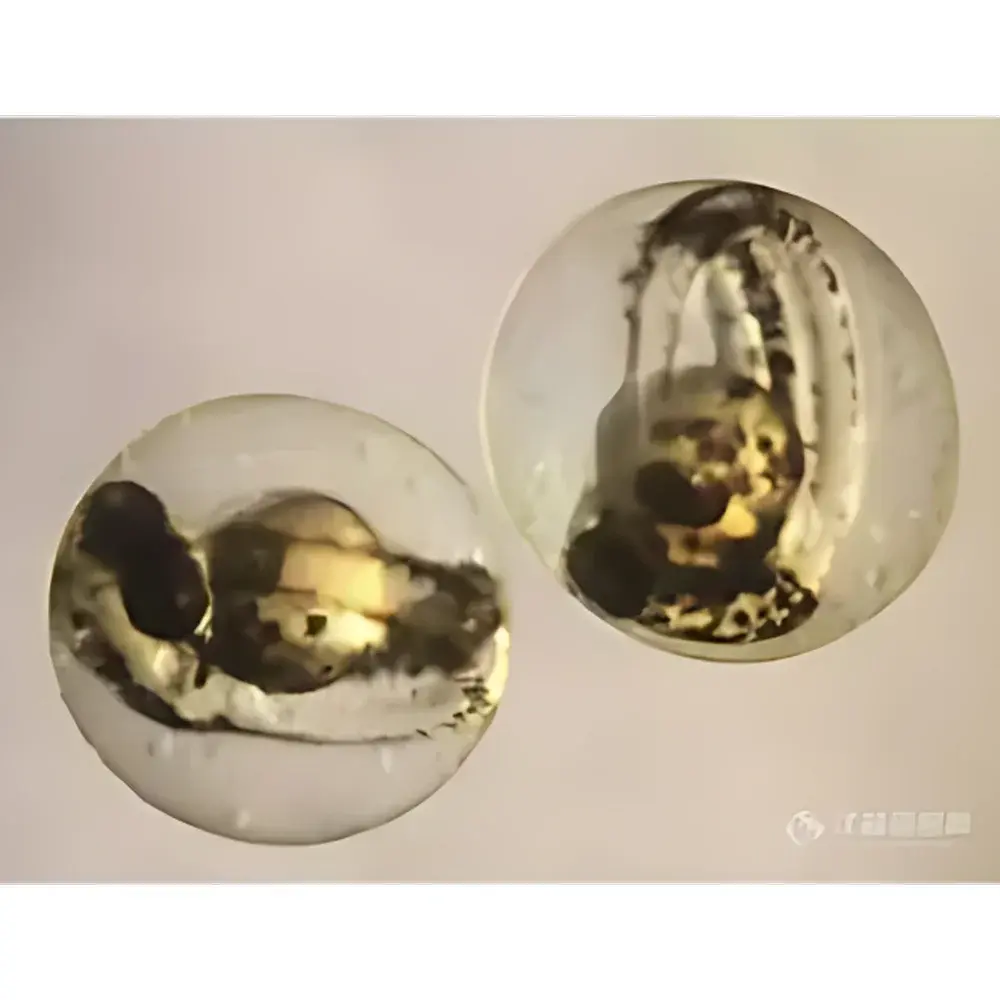
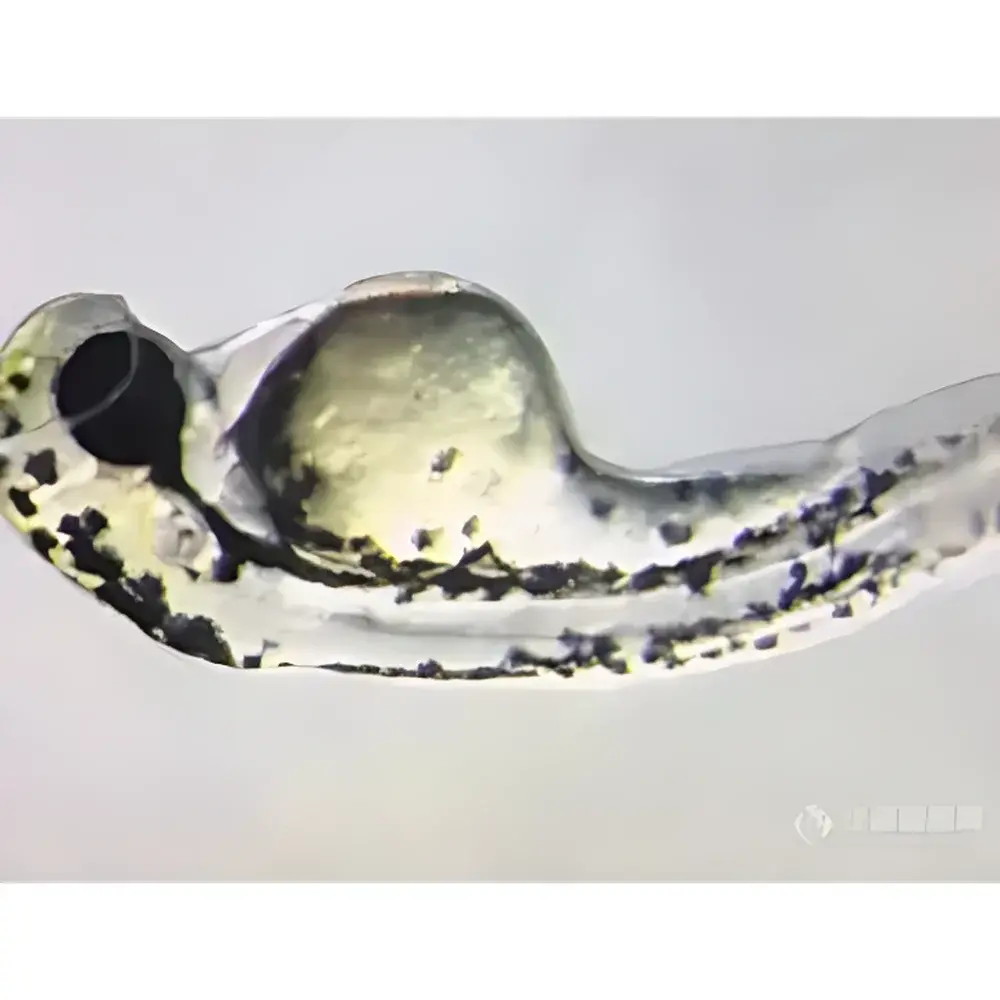
- Zebrafish embryogenesis staging and morphological phenotyping (e.g., somite count, heart rate, yolk sac absorption)
- Microinjection of mRNA, CRISPR/Cas9 ribonucleoproteins, or fluorescent tracers into 1–4 cell-stage embryos
- Live imaging of vascular development, neuronal outgrowth, or immune cell migration in transgenic reporter lines
- Toxicity assays involving behavioral tracking (swim bladder inflation, touch response) and teratogenic endpoint scoring
- Quality control in aquaculture breeding programs and genetic stock maintenance
- Non-destructive inspection of microelectronics packaging and MEMS devices where depth perception and large working volume are required
FAQ
What is the maximum usable field diameter at 45× magnification?
At 45× total magnification, the field of view measures approximately 4.9 mm in diameter using the standard PL10×/22 mm eyepieces.
Can this microscope be used for fluorescence imaging of transgenic zebrafish lines?
Yes—when equipped with optional fluorescence modules (e.g., GFP/DAPI/TRITC filter cubes) and a high-sensitivity monochrome camera, the system supports low-light epifluorescence detection of common zebrafish reporter constructs.
Is the LED illumination intensity adjustable?
Yes—the integrated LED ring light features continuous analog dimming via front-panel rotary control, maintaining color temperature stability across intensity levels.
Does the microscope support motorized focusing or zoom control?
No—LK-XZTS-71 is manually operated to ensure tactile feedback and cost-effective reliability; however, it accepts OEM motorization kits from third-party vendors (e.g., Prior Scientific, Ludl Electronic Products) via standard M42 threading.
What service and warranty terms apply to international customers?
Lei-Tech provides a 24-month limited warranty covering parts and labor, with remote technical support available 7×24 via encrypted email and screen-sharing tools; on-site service is coordinated through authorized regional partners in North America, EU, and APAC regions.




