
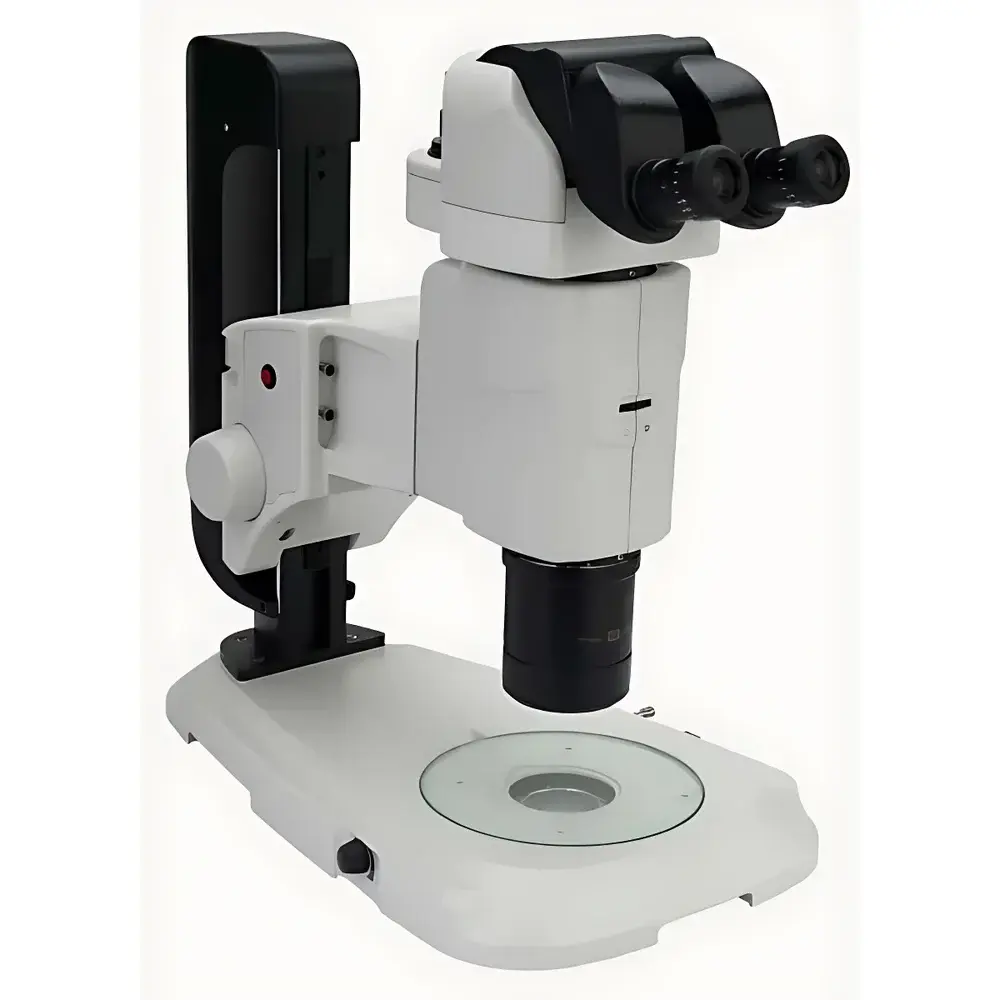
LEI-TECH LK-TSFX-888 Research-Grade Parallel-Beam Apochromatic Stereo Microscope
| Brand | LEI-TECH |
|---|---|
| Origin | Tianjin, China |
| Manufacturer Type | Direct Manufacturer |
| Country of Origin | China |
| Model | LK-TSFX-888 |
| Total Magnification Range | 7.5×–135× |
| Zoom Ratio | 1:18 |
| Working Distance | 60 mm |
| Objective Type | Apochromatic Plan (APO) Objective |
Overview
The LEI-TECH LK-TSFX-888 is a research-grade parallel-beam apochromatic stereo microscope engineered for high-fidelity 3D visualization in demanding scientific, industrial, and quality assurance environments. Its optical architecture is based on a true parallel-beam (Galilean-type) zoom system with apochromatic correction across the visible spectrum — minimizing longitudinal and lateral chromatic aberration while preserving flatness of field and consistent resolution throughout the entire magnification range. Unlike conventional Greenough-style stereo microscopes, the parallel-beam design enables seamless integration with auxiliary optical modules (e.g., fluorescence, coaxial illumination, or machine vision cameras) without introducing parallax-induced misalignment or image distortion. The system delivers a continuous magnification range from 7.5× to 135× (with 1× APO objective and 10× widefield eyepieces), supporting both macro-level contextual assessment and micron-scale morphological analysis within a single optical path.
Key Features
- Apochromatic Plan (APO) 1× Objective: Engineered with multi-layer broadband anti-reflection coatings and precision-assembled lens groups to achieve ≤0.001% axial color error and >1000 lp/mm resolution at Nyquist-limited contrast.
- 1:18 Continuous Zoom Ratio: Provides uninterrupted magnification scaling from 0.75× to 13.5× at the objective level — eliminating the need for objective turret exchanges and ensuring optical train stability during dynamic inspection workflows.
- 60 mm Extended Working Distance: Maintains ample clearance between objective front lens and sample surface — critical for handling tall, irregular, or fragile specimens (e.g., PCB assemblies, biological tissue blocks, or additive-manufactured components) without risk of collision or vibration-induced defocus.
- Ergonomic Adjustable Trinocular Head: Fixed-inclination (20°) or motorized tilt-adjustable (0–30°) head with independent interpupillary distance (55–75 mm) and diopter compensation (±5 dpt) per ocular; C-mount interface compliant with ISO 8039 standards for digital imaging integration.
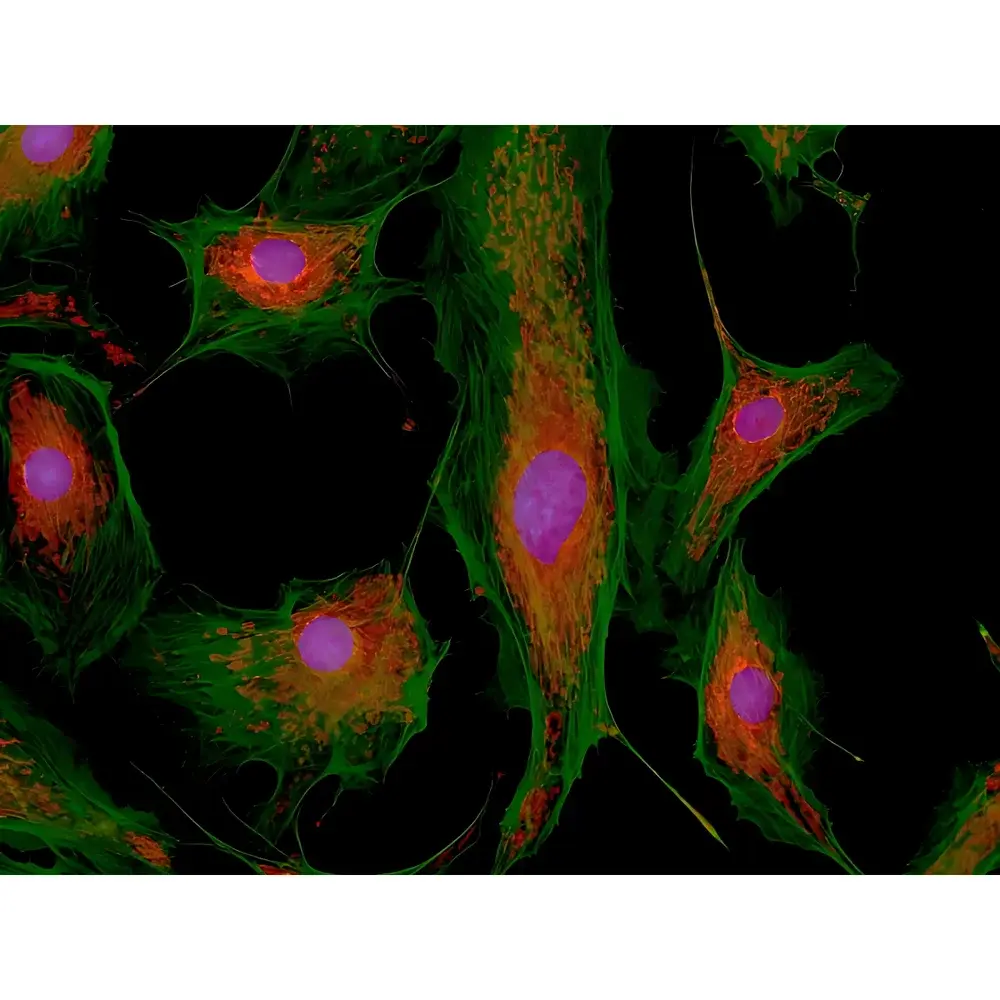
- Modular Illumination Architecture: Integrated LED transmitted base illumination with sliding prism mechanism for oblique illumination switching; optional fiber-coupled coaxial, ring LED, and high-stability LED fluorescence excitation modules with dual-band dichroic filter sets (e.g., FITC/TRITC, DAPI/GFP).
- Motorized Function Control: Optional programmable controller supports Z-axis focus drive (110 mm travel), zoom actuation, brightness regulation, and illumination mode selection — all accessible via tactile rotary encoder or RS-232/USB interface for automation compatibility.
Sample Compatibility & Compliance
The LK-TSFX-888 accommodates diverse specimen geometries and optical properties — including reflective metals, translucent polymers, anisotropic crystals, live biological preparations, and multi-layer electronic substrates. Its large depth-of-field (>10 mm at 7.5×) and high NA (0.15) objective ensure consistent edge definition and minimal spherical distortion across heterogeneous surfaces. The system complies with ISO 10934-1 (microscope nomenclature), ISO 8578 (stereomicroscope performance testing), and IEC 61000-6-3 (EMC emission limits). When equipped with audit-trail-enabled motorized controllers and timestamped image capture firmware, it supports GLP/GMP-aligned documentation requirements per FDA 21 CFR Part 11 when deployed in regulated QC laboratories.
Software & Data Management
The microscope interfaces natively with LEI-TECH’s proprietary ImageCapture Pro v4.x software suite — supporting real-time measurement annotation (length, angle, area, particle count), multi-focus extended-depth-of-field (EDF) stacking, and batch export in TIFF/OME-TIFF formats compliant with OMERO metadata standards. Optional SDK integration enables bidirectional communication with LabVIEW, Python (via PyVISA), or MATLAB for custom script-driven acquisition protocols. All captured data includes embedded EXIF tags indicating magnification, working distance, illumination mode, and objective identification — facilitating traceable metrology workflows in ISO/IEC 17025-accredited facilities.
Applications
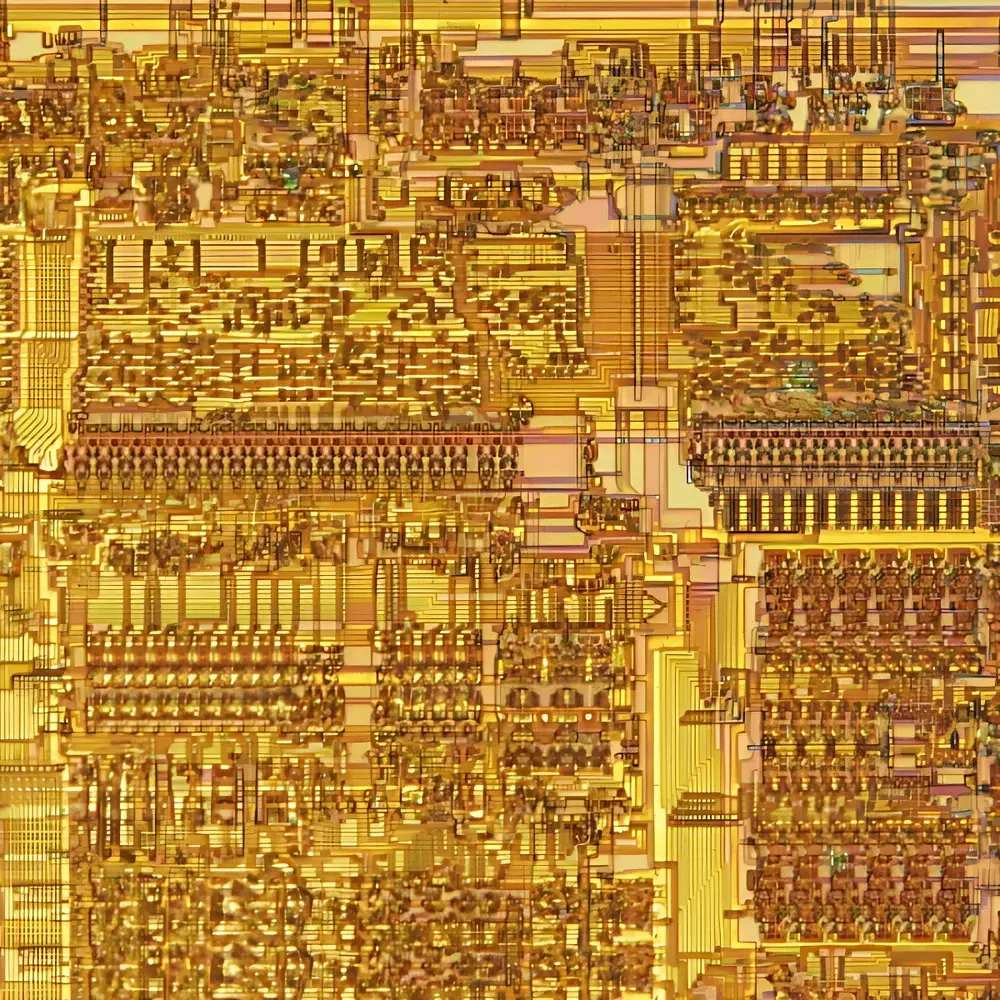
- Electronics Manufacturing: Solder joint inspection, BGA underfill void analysis, flex circuit trace continuity verification, and micro-defect mapping on high-density PCBs.
- Materials Science: Grain boundary characterization in sintered ceramics, fracture surface topography analysis, and coating thickness estimation via shadow-edge profiling.
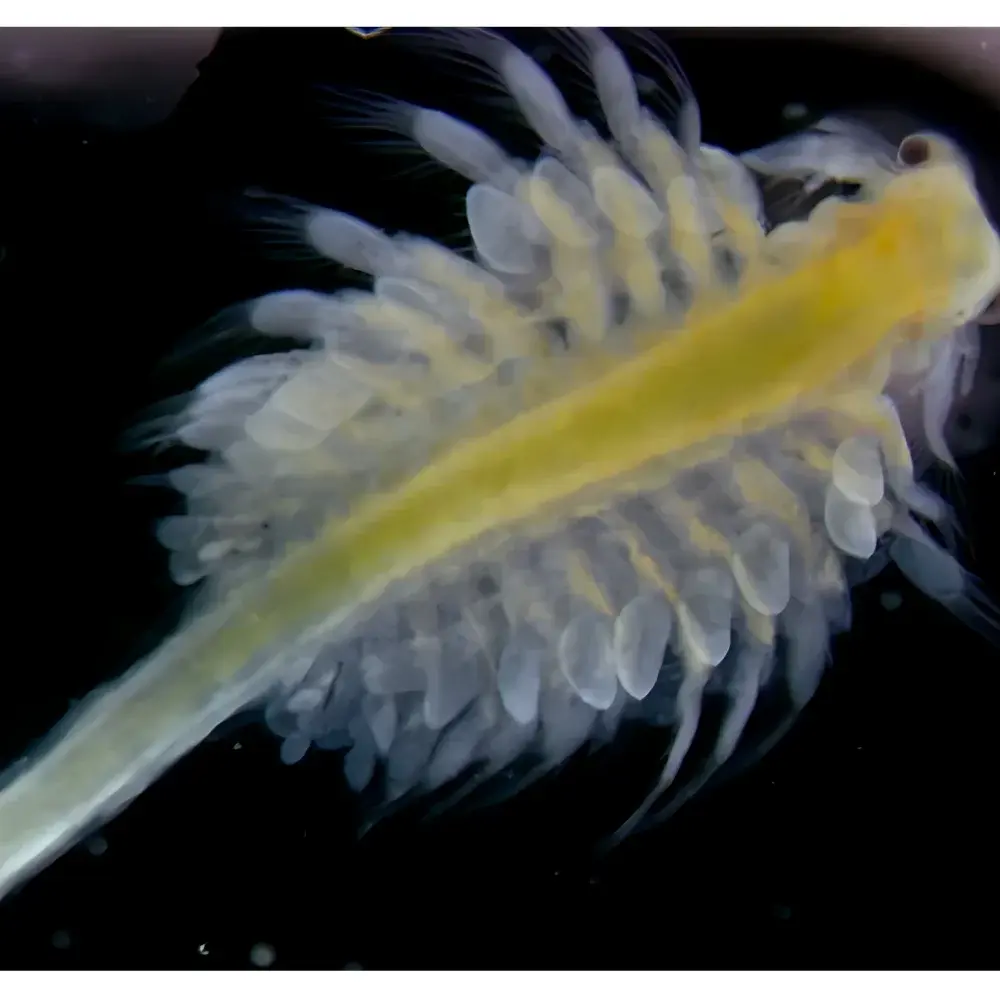
- Life Sciences: Dissection of model organisms (e.g., zebrafish embryos, Drosophila larvae), histological section screening, and fluorescence-guided microinjection setup.
- Precision Metrology: Calibration artifact verification (gauge blocks, step height standards), thread pitch measurement, and surface finish evaluation per ISO 4287.
- Forensic & Document Examination: Ink differentiation, paper fiber morphology, latent fingerprint development monitoring, and security feature validation (holograms, microprinting).
FAQ
What distinguishes a parallel-beam optical system from a Greenough-style stereo microscope?
A parallel-beam design uses matched objective lenses aligned along parallel optical axes, enabling consistent magnification scaling and superior compatibility with external optical components — unlike Greenough systems where each eyepiece views the specimen from a slightly divergent angle, limiting modularity and introducing inherent parallax.
Is the LK-TSFX-888 suitable for quantitative measurement applications?
Yes — when calibrated with NIST-traceable stage micrometers and used with ImageCapture Pro’s measurement module, it achieves repeatability of ±0.5% across its full magnification range under controlled environmental conditions (23 ± 1 °C, 40–60% RH).
Can the system be integrated into automated production lines?
Absolutely — the optional motorized controller supports TTL-triggered image capture, RS-485 command protocol, and PLC-compatible I/O signals for synchronization with conveyor belts, robotic arms, or AOI stations.
Does the APO 1× objective support oil immersion or water immersion configurations?
No — this objective is dry-corrected for air medium only; immersion variants are not available due to the fundamental optical constraints of parallel-beam stereo architecture.
What service and calibration support is provided internationally?
LEI-TECH maintains certified service centers in Germany, Singapore, and the United States, offering biennial factory recalibration, ISO 17025-compliant certification reports, and remote diagnostics via secure VPN-assisted access to embedded system logs.






