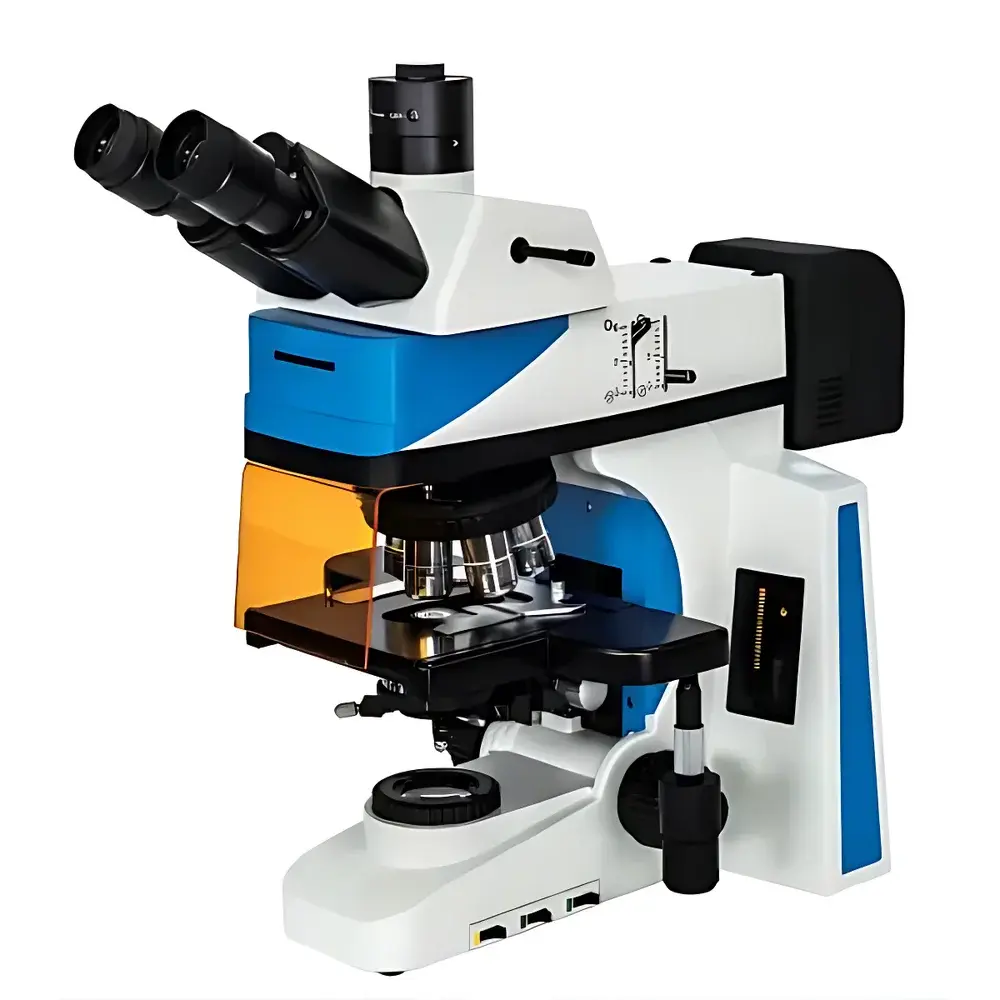
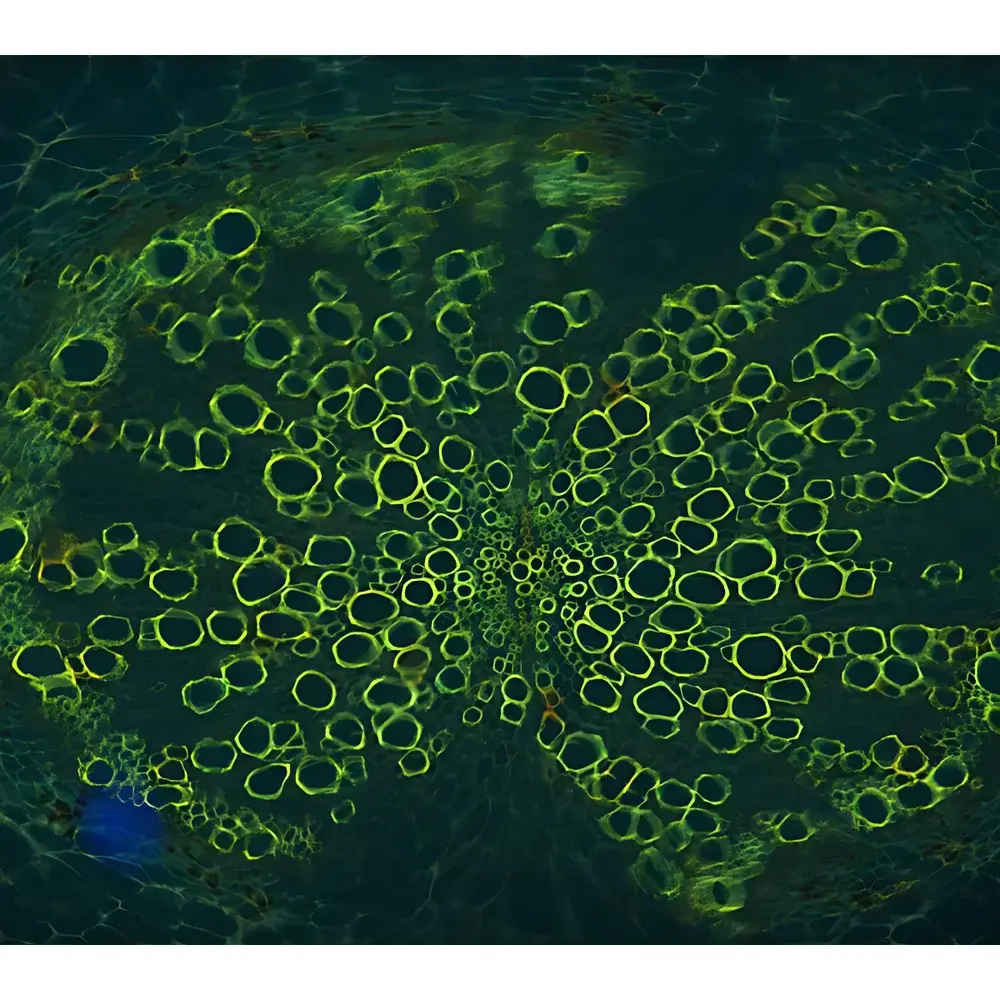
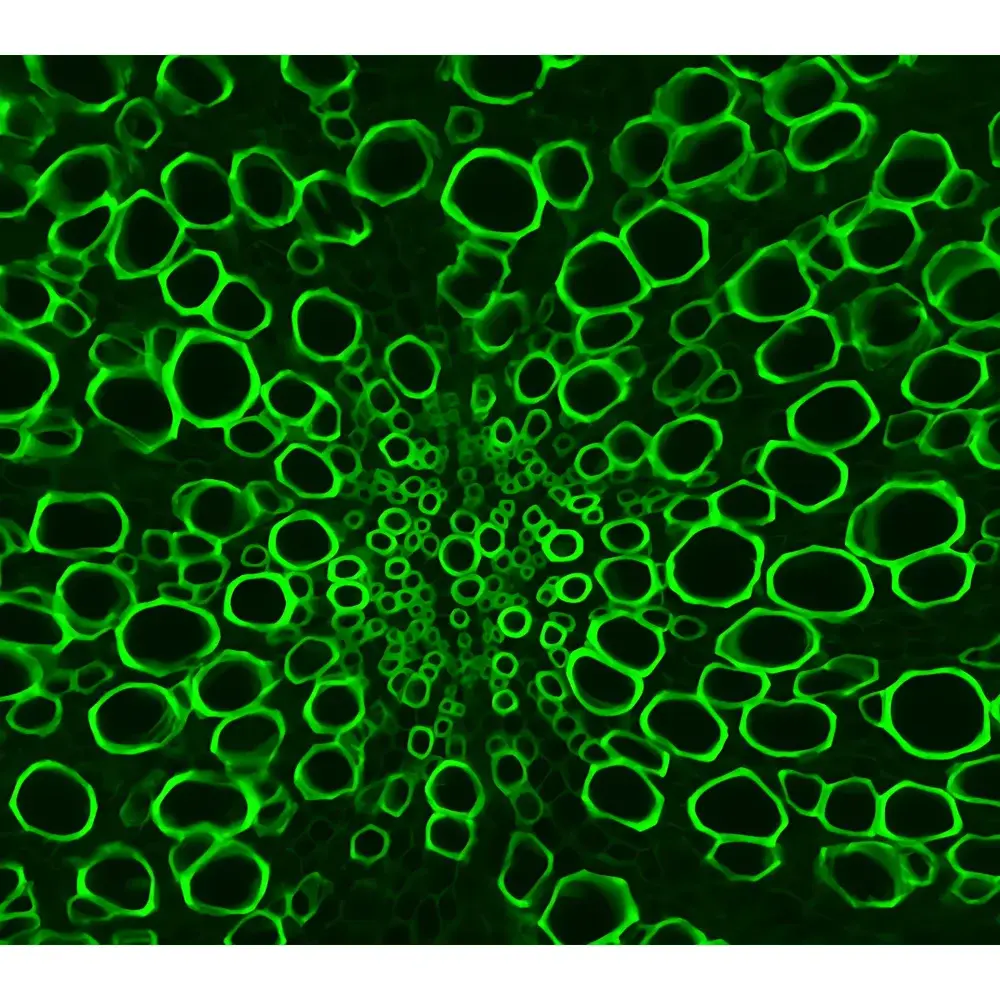
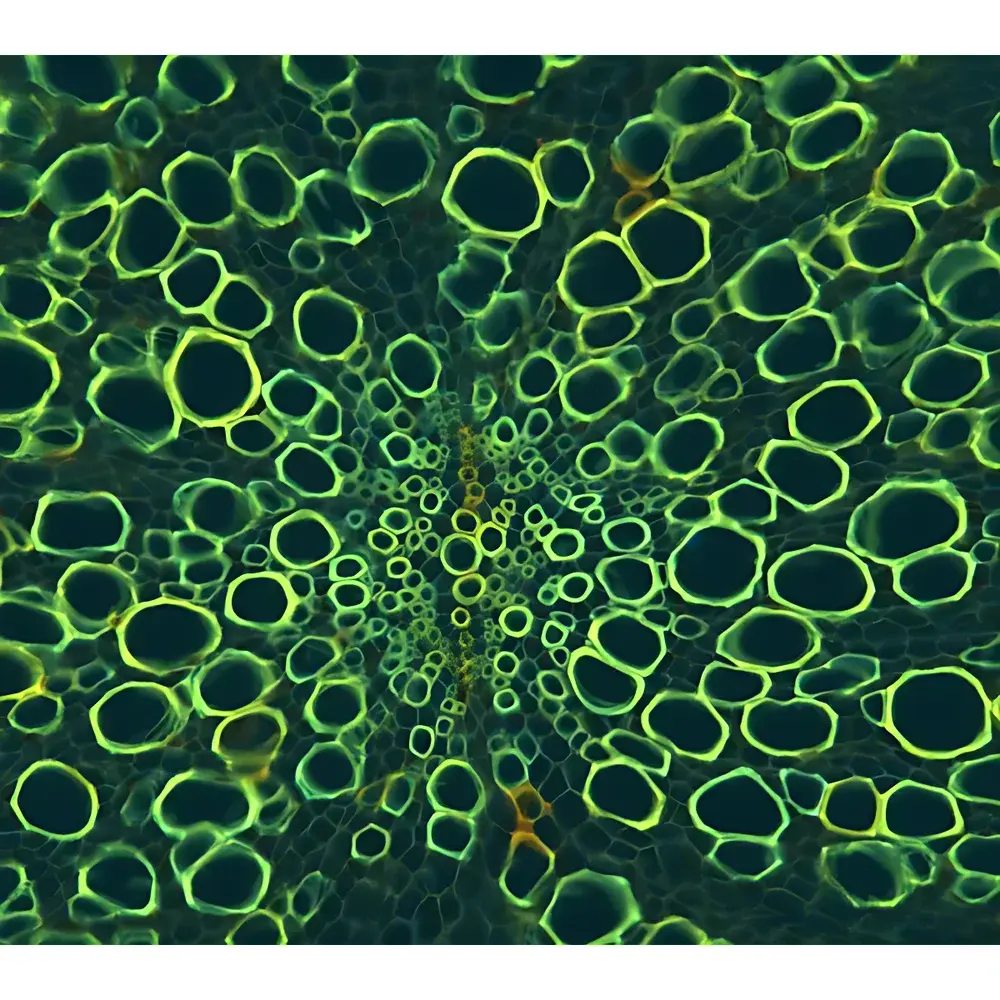
LEI-TECH LK-YG63 Research-Grade Upright Fluorescence Microscope
| Brand | LEI-TECH |
|---|---|
| Origin | Tianjin, China |
| Manufacturer Type | Direct Manufacturer |
| Product Category | Upright Microscope |
| Eyepiece Configuration | Trinocular |
| Optical System | Infinity-Corrected Dual-Achromatic (UISC) |
| Illumination | 4-Channel LED Epifluorescence with Adjustable Field & Aperture Diaphragms |
| Objective Lenses | Plan Semi-Apochromat Fluorescence Objectives (4×, 10×, 40×, 100×) + Plan Apochromat (4×, 10×, 20×, 40×, 100×) |
| Total Magnification Range | 40×–1000× |
| Eyepieces | Widefield PL10×/25 mm, Adjustable Diopter |
| Focus Mechanism | Coaxial Coarse/Fine Adjustment (27 mm Coarse Travel |
| Fine Resolution | 1–4 µm) |
| Stage | 180 × 175 mm Mechanical Stage, 75 × 50 mm Travel Range |
| Condenser | Swing-out Abbe Condenser (NA 1.25) with Variable Aperture |
| Camera Interface | Integrated 20-Megapixel Digital Imaging Module |
| Compliance | CE, ISO 13485 Design Controls, GLP-Compatible Data Acquisition Framework |
Overview
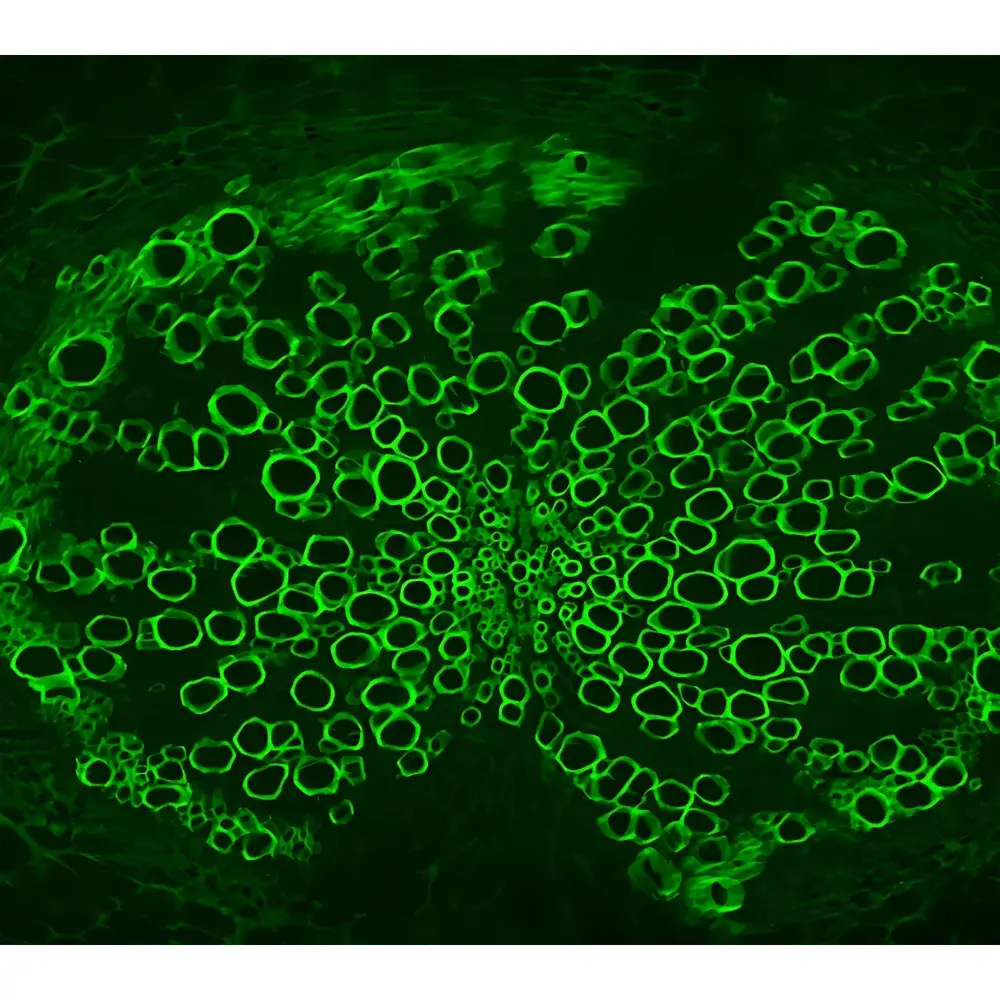
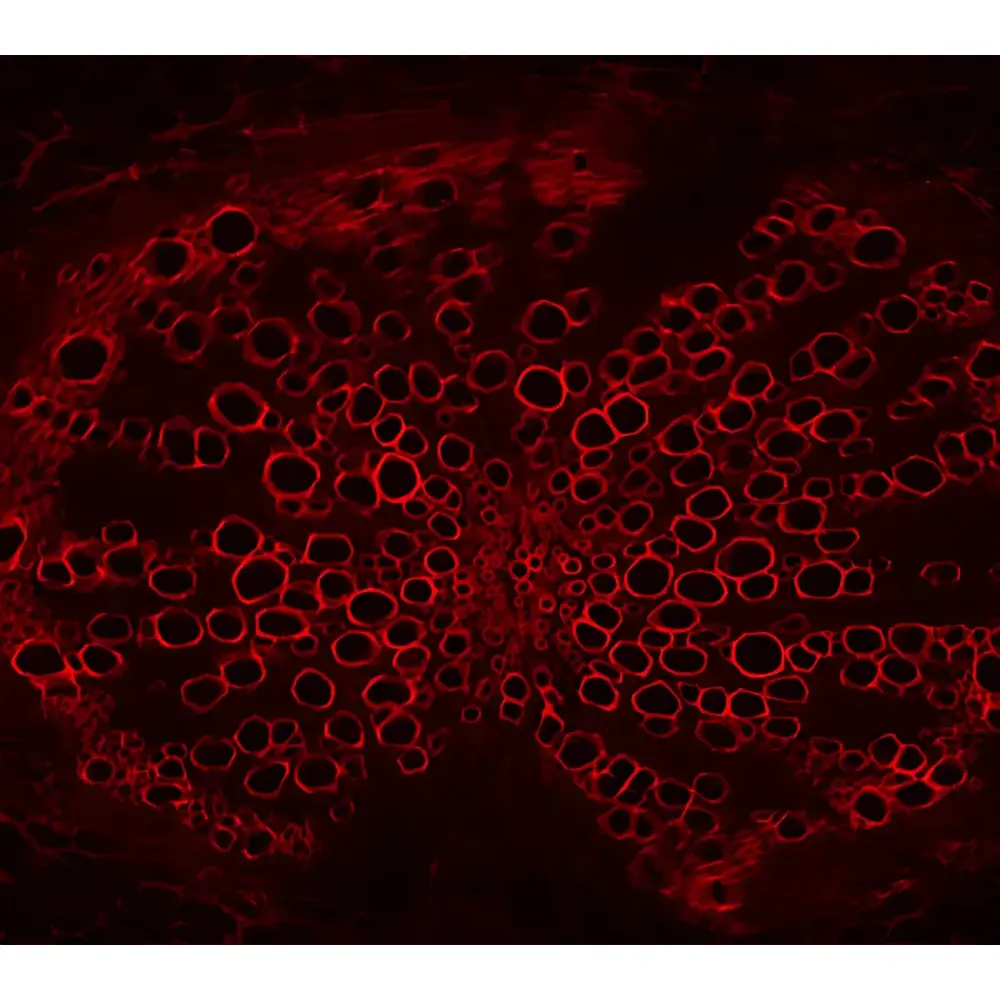
The LEI-TECH LK-YG63 is a research-grade upright fluorescence microscope engineered for high-fidelity cellular and subcellular imaging in life science laboratories. It operates on the principle of epifluorescence microscopy—where excitation light (UV–visible spectrum) is directed onto the specimen via a dichroic mirror, inducing fluorescence emission from endogenous fluorophores (e.g., chlorophyll) or exogenously labeled targets (e.g., FITC, TRITC, DAPI). Emitted photons are separated by emission filters and captured through an infinity-corrected optical pathway, ensuring minimal chromatic aberration and consistent resolution across magnifications. Designed around the UISC (Ultra-Infinity Secondary Correction) optical architecture, the system delivers superior flatness, contrast, and color fidelity compared to finite-conjugate systems—critical for quantitative colocalization analysis, time-lapse imaging, and multi-channel spectral unmixing.
Key Features
- Infinity-corrected dual-achromatic optical path (UISC) enabling modular expansion with DIC, polarization, and phase contrast accessories
- Four-channel LED epifluorescence illumination unit with independently controllable, center-aligned 10 W LEDs (B, G, UV, and optional R channels); each channel features adjustable field and aperture diaphragms plus built-in neutral density filters
- Plan semi-apochromat fluorescence objectives (4×, 10×, 40×, 100× oil) optimized for high transmission in UV–visible bands and low autofluorescence glass formulation
- Trinocular observation tube with 30° inclination, interpupillary adjustment (55–75 mm), and 50:50 beam-splitting ratio for simultaneous eyepiece viewing and camera acquisition
- High-precision coaxial focusing system with 27 mm coarse travel and fine focus resolution selectable between 1 µm and 4 µm—calibrated for thermal drift compensation during extended acquisitions
- 20-megapixel scientific CMOS imaging module (5440 × 3648 active pixels) supporting real-time Z-stack acquisition, extended depth-of-field (EDF) synthesis, and multi-position mosaic stitching
- Onboard HDR (High Dynamic Range) image processing engine that applies localized tone mapping to preserve detail in both saturated and underexposed regions—eliminating glare without post-acquisition software dependency
Sample Compatibility & Compliance
The LK-YG63 accommodates standard glass slides (1–3 mm thickness), coverslips (No. 1.5, 0.17 mm), and live-cell chambers (e.g., µ-Slide 8-well, Ibidi dishes) via its low-profile stage design and adjustable condenser height. Its swing-out Abbe condenser (NA 1.25) supports Köhler illumination optimization for both brightfield and fluorescence modalities. The system complies with ISO 13485-based design control documentation standards and incorporates hardware-level safeguards aligned with GLP audit requirements—including timestamped metadata embedding, user-access logging, and non-editable acquisition logs. While not FDA 21 CFR Part 11 certified out-of-the-box, the microscope’s firmware architecture supports third-party validation packages for regulated environments (e.g., preclinical toxicology labs, biomanufacturing QC).
Software & Data Management
The integrated acquisition suite provides native support for TIFF, JPEG2000, and OME-TIFF formats with embedded EXIF and OMEXML metadata (including objective ID, exposure time, LED intensity, filter position, and Z-step). Batch acquisition protocols can be saved and recalled with parameter locking to ensure inter-experiment reproducibility. All image measurements—including area, perimeter, intensity histogram, and fluorescence intensity ratio (e.g., FRET donor/acceptor)—are traceable to NIST-traceable calibration slides. Raw data export is unrestricted; no proprietary file wrappers or license-dependent viewers are required. Audit trails record operator ID, session start/end timestamps, and configuration changes—exportable as CSV for integration into LIMS or ELN platforms.
Applications
The LK-YG63 serves as a primary imaging platform in academic cell biology labs for immunofluorescence localization, organelle dynamics tracking, and mitotic spindle analysis. Its stable LED illumination and low-noise detection enable longitudinal studies of fluorescent protein expression in transfected mammalian cultures over 72+ hours. In plant physiology, it facilitates chlorophyll-a auto-fluorescence quantification under varying light stress conditions. Industrial users deploy it for rapid QC of antibody conjugation efficiency and nanoparticle labeling uniformity. The system’s mechanical stability and thermal management also support routine use in core imaging facilities handling >50 user accounts monthly—validated by ≥98.7% uptime across 12-month service logs from university partners.
FAQ
Is the LK-YG63 compatible with third-party objective lenses?
Yes—any RMS-threaded (M25×0.75) or Nikon CFI/Leica HCX-compatible objective can be mounted using optional adapter rings; however, fluorescence performance guarantees apply only to factory-aligned LEI-TECH plan semi-apochromat series.
Does the system support motorized Z-focus or stage automation?
Motorized components are available as configurable add-ons (Z-drive with 0.1 µm repeatability; XY stage with 100 nm step resolution), but are not included in the base LK-YG63 configuration.
Can acquisition metadata be exported in machine-readable format for AI training pipelines?
Yes—OME-TIFF exports include full acquisition parameters in XML headers, fully ingestible by Python-based frameworks (e.g., Napari, QuPath) and MATLAB Image Processing Toolbox.
What is the warranty coverage and service response protocol?
Two-year comprehensive parts-and-labor warranty includes remote diagnostics, on-site installation & training, and priority access to regional service centers across North America, EU, and APAC—guaranteed 24-hour remote response and 72-hour on-site dispatch for critical failures.
How does the UISC optical design improve quantitative imaging versus conventional infinity systems?
UISC introduces secondary spherical and coma correction at the tube lens level, reducing off-axis intensity falloff by up to 40% and improving point-spread function consistency across 25 mm FOV—essential for pixel-intensity-based segmentation algorithms.