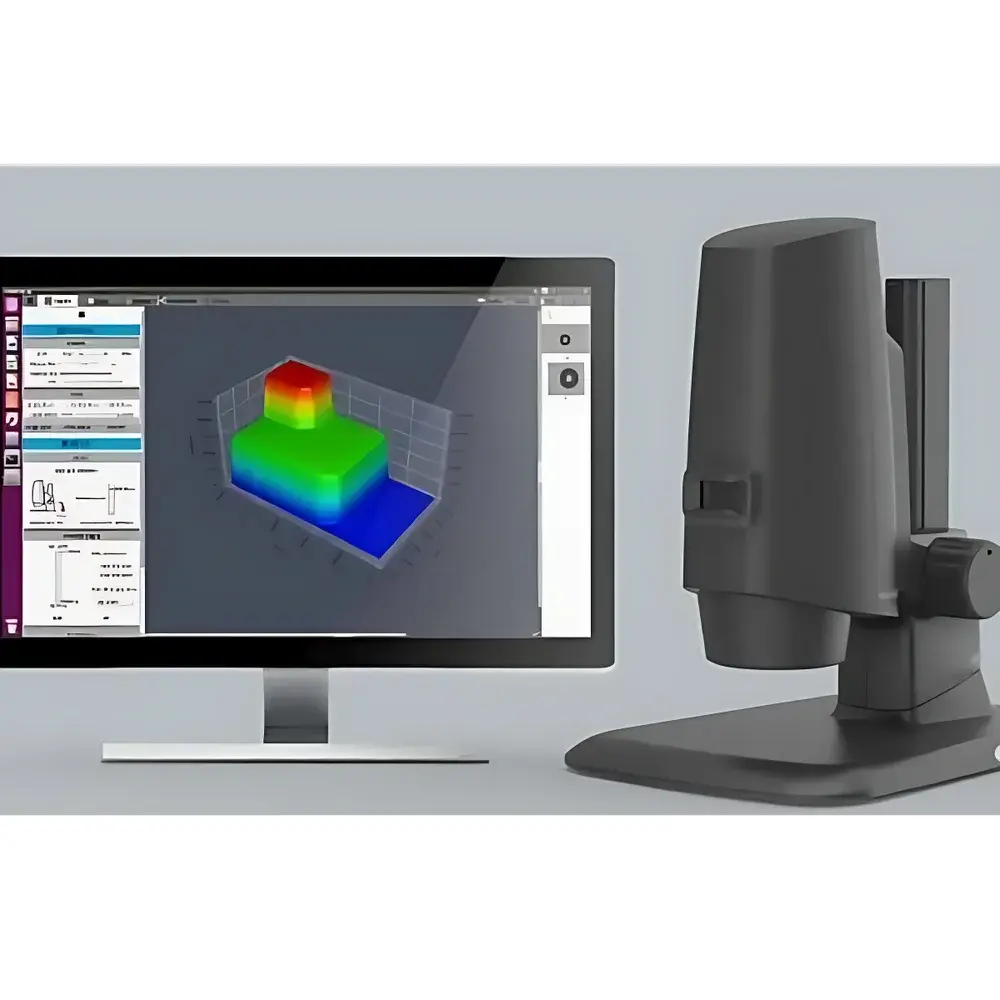
LEI-TECH LK-CJS211 Digital Extended Depth-of-Field 3D Stereo Microscope
| Brand | LEI-TECH |
|---|---|
| Origin | Tianjin, China |
| Manufacturer Type | Original Equipment Manufacturer (OEM) |
| Model | LK-CJS211 |
| Magnification Range | 165×–3300× |
| Optical Resolution | 2 µm (at 10× objective) |
| Z-Axis Measurement Accuracy | ±2 µm |
| Sensor | Sony 1/2″ Color CMOS, 2 MP |
| Illumination | LED Coaxial Light Source (40,000 h lifetime) |
| Focus Mechanism | Coaxial Coarse/Fine Adjustment, 50 mm Travel, 0.002 mm Fine Step |
| Stage Travel | 65 mm × 55 mm |
| Base Dimensions | 330 mm × 300 mm |
| Column Height | 382 mm |
| Field of View (at 10×) | 3 mm × 1.68 mm |
| Core Capabilities | Real-time Extended Depth of Field (EDF), Wide Dynamic Range (WDR), 3D Surface Reconstruction, Automated 2D/3D Metrology, AI-assisted Edge Detection & Batch Measurement |
Overview
The LEI-TECH LK-CJS211 is a high-precision digital extended depth-of-field (EDF) stereo microscope engineered for non-contact 3D surface metrology and quantitative microstructural analysis in industrial quality control, precision manufacturing, and R&D laboratories. Unlike conventional optical microscopes limited by shallow depth of field at high magnifications, the LK-CJS211 employs real-time focus-stacking algorithms combined with synchronized motorized Z-axis control to synthesize fully focused images across variable focal planes—enabling true volumetric visualization and sub-micron vertical metrology without mechanical scanning artifacts. Its optical architecture integrates a modular tri-band magnification system (low/mid/high zoom paths), liquid lens autofocus, and coaxial LED illumination optimized for reflective and semi-transparent specimens—including polished metals, semiconductor wafers, MEMS devices, and layered filtration media. Designed for ISO/IEC 17025-compliant environments, the system delivers traceable dimensional data aligned with ASTM E2921 (Standard Guide for 3D Imaging Systems) and supports audit-ready measurement workflows.
Key Features
- Real-time Extended Depth of Field (EDF): Eliminates defocus blur during dynamic observation; maintains edge fidelity across steep topographies without motion-induced ghosting.
- Wide Dynamic Range (WDR) Imaging: Suppresses specular glare from metallic or coated surfaces through adaptive exposure fusion—critical for inspecting machined gears, watch components, and PCB solder joints.
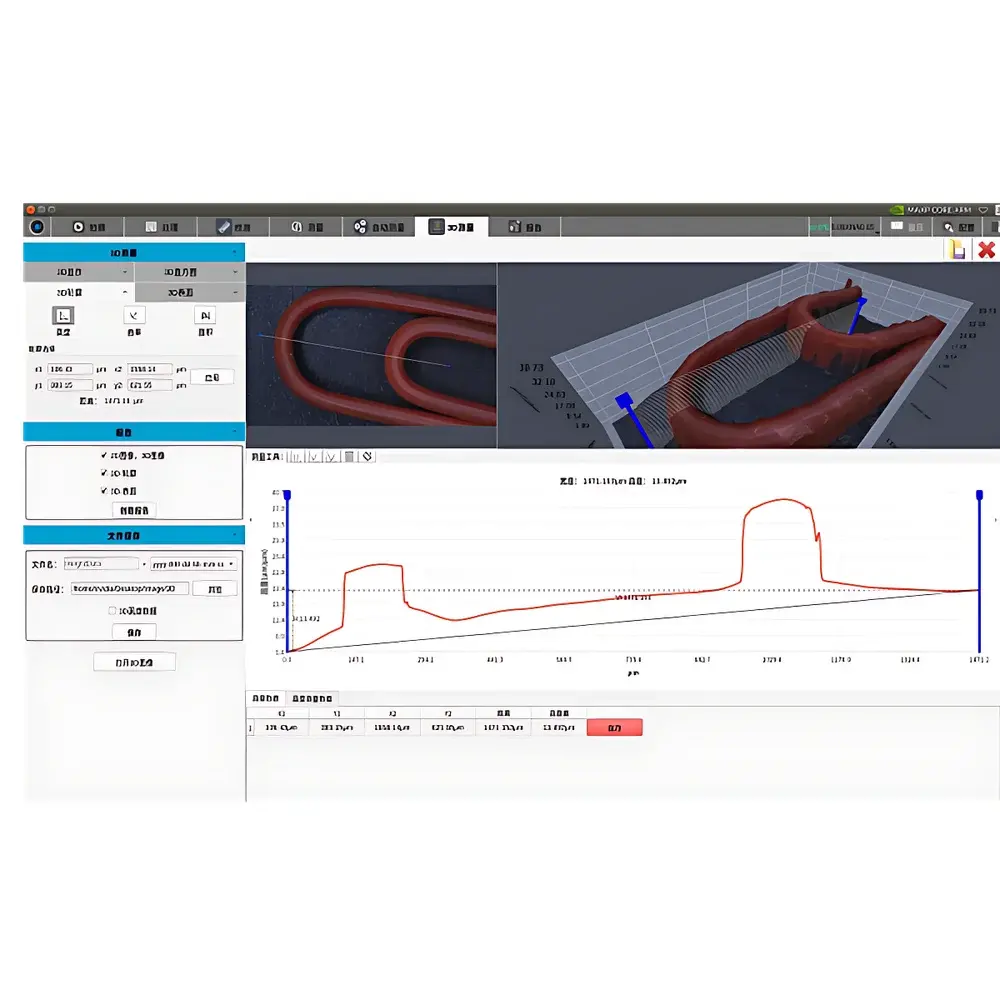
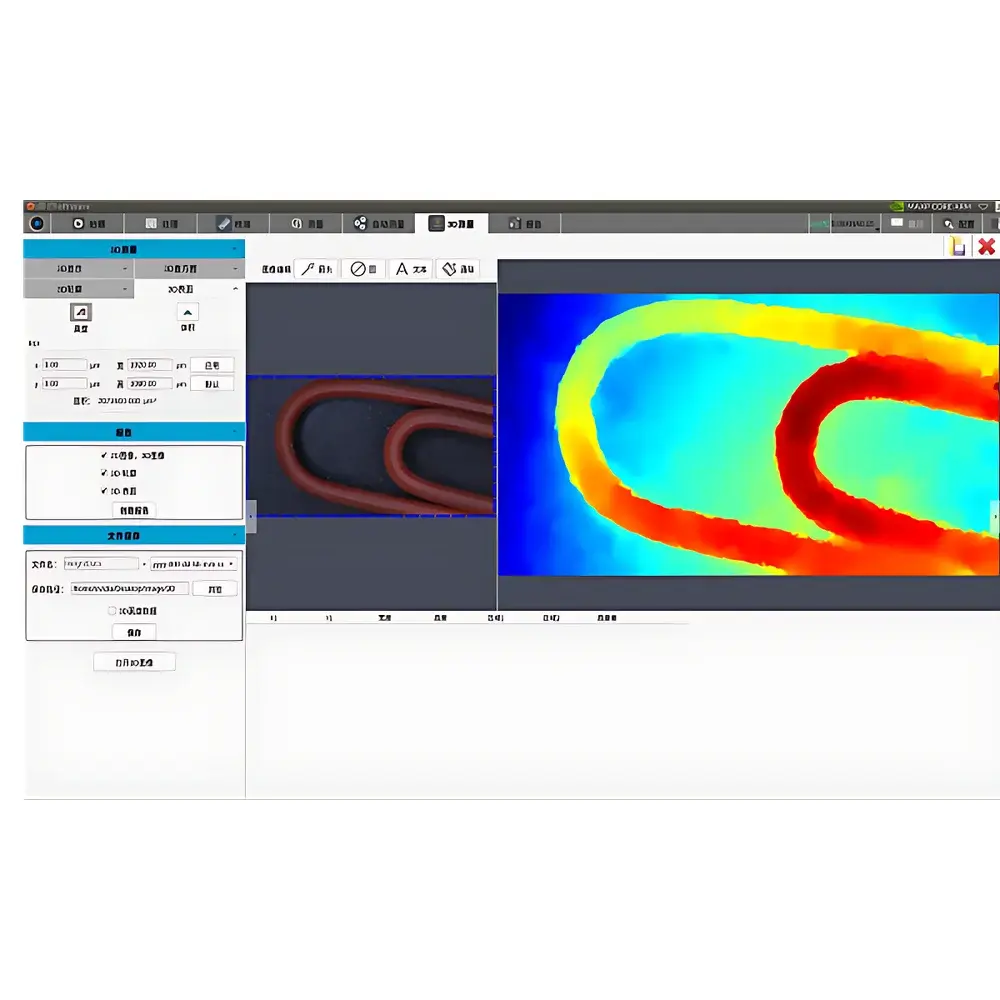
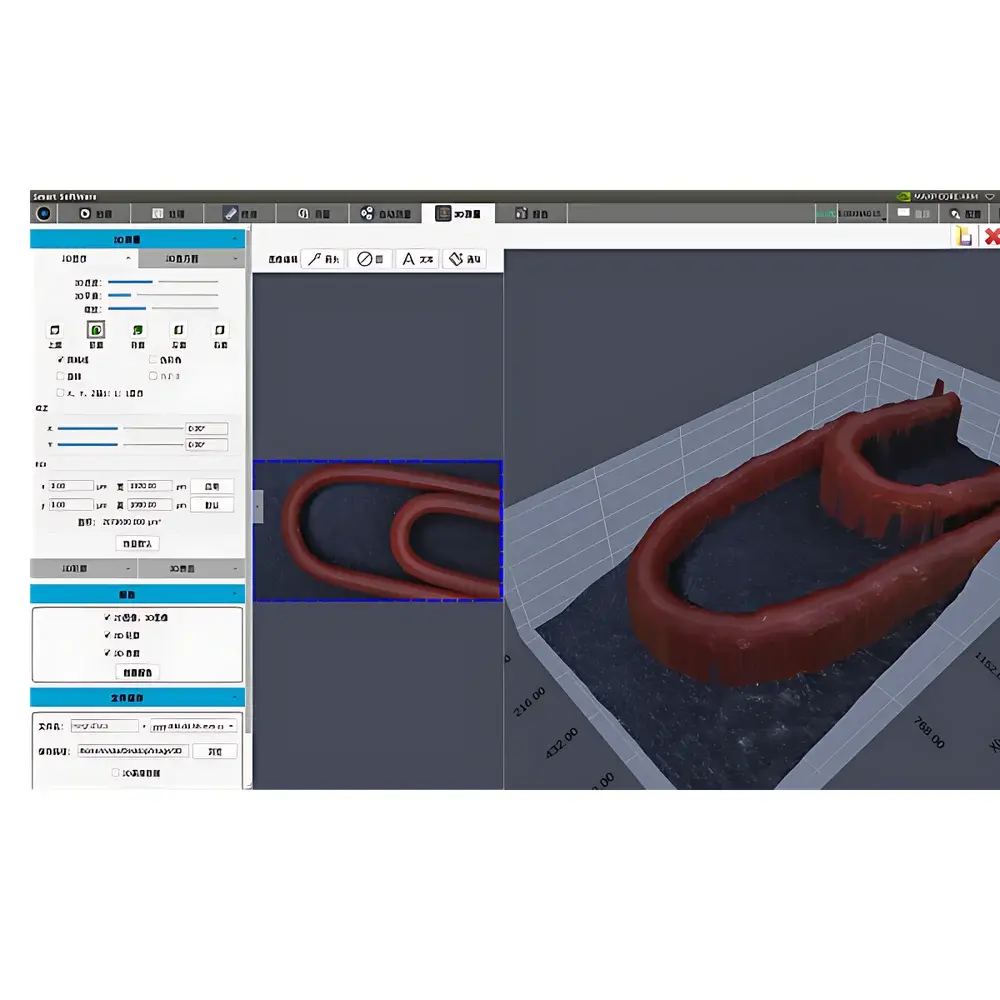
- Automated 3D Surface Reconstruction: Generates dense point clouds and mesh models directly from optical image stacks; supports STL export for CAD integration and GD&T validation.
- Sub-2-µm Z-Axis Metrology: Achieves ±2 µm vertical accuracy at 10× magnification, verified per VDI/VDE 2634 Part 3 guidelines for optical 3D measuring systems.
- Intelligent 2D Batch Measurement: Uses template-based pattern recognition to auto-locate features across multiple fields of view; eliminates operator-dependent alignment and reduces repeatability variance to ≤2 µm.
- Fully Integrated Software Suite: Includes calibrated coordinate mapping, GD&T annotation tools (flatness, parallelism, step height), and statistical process control (SPC) charting with Cp/Cpk calculation.
Sample Compatibility & Compliance
The LK-CJS211 accommodates specimens up to 4 mm in maximum Z-height and 65 mm × 55 mm in XY footprint—ideal for small-batch inspection of watch gears, medical stents, microfluidic chips, and battery electrode coatings. Its coaxial illumination and WDR algorithm ensure consistent contrast on highly reflective (e.g., stainless steel, gold-plated contacts) or low-contrast (e.g., polymer films, textile fibers) surfaces. The system complies with IEC 61000-6-3 (EMC emissions) and IEC 61000-6-2 (immunity), and its measurement software adheres to FDA 21 CFR Part 11 requirements for electronic records and signatures when configured with user authentication, audit trail logging, and electronic signature modules. All calibration procedures follow ISO 9001:2015 and GLP principles, with documented traceability to NIST-traceable reference standards.
Software & Data Management
The proprietary LEI-Vision™ software platform provides a unified interface for acquisition, analysis, and reporting. It supports multi-layer image registration for cross-sectional correlation, automated report generation in PDF/Excel formats, and direct database export (ODBC-compatible). Measurement data includes timestamped metadata, environmental conditions (if external sensors are connected), and full audit trails compliant with ISO/IEC 17025 clause 7.7. Software updates are delivered via secure HTTPS channels with SHA-256 signature verification. Optional modules include Gage R&R analysis, MSA-compatible capability studies, and API access for integration into MES or LabVantage LIMS environments.
Applications
- Precision machining QA: Measuring gear tooth profile deviation, burr height on CNC-milled parts, and surface finish parameters (Ra, Rz) without stylus contact.
- Electronics manufacturing: Quantifying solder paste volume, BGA ball coplanarity, and die attach void percentage in IC packaging.
- Medical device inspection: Validating micro-needle array geometry, stent strut thickness uniformity, and hydrogel film thickness gradients.
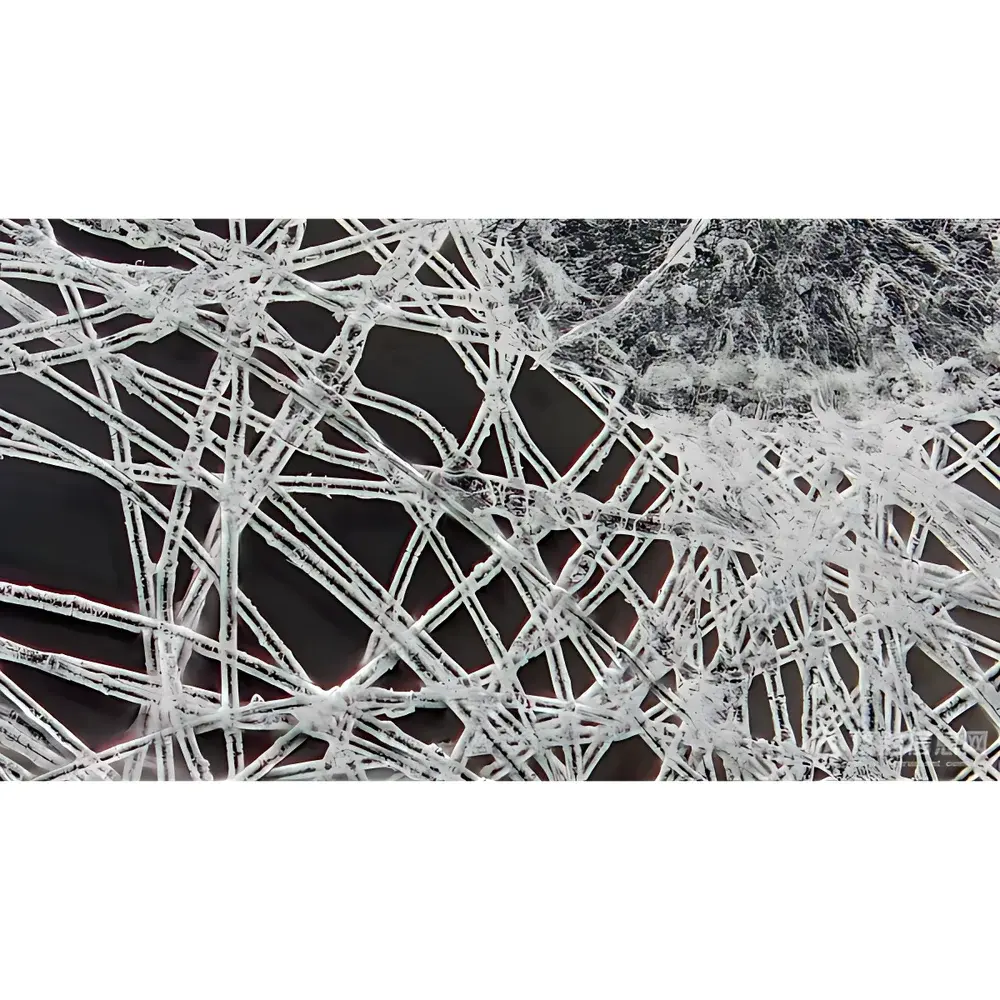
- Materials science research: Characterizing pore structure in battery separators, fiber orientation in composites, and crack propagation in thin-film coatings.
- Forensic document analysis: Capturing ink layer stratigraphy, paper fiber topology, and embossed seal relief profiles at micron-scale resolution.
FAQ
Does the LK-CJS211 support calibration certificate issuance per ISO/IEC 17025?
Yes—calibration services are available through LEI-TECH’s accredited metrology lab, including uncertainty budgets and traceability documentation.
Can the system interface with third-party automation platforms (e.g., PLCs or robotic arms)?
Yes—the software provides TCP/IP and RS-232 communication protocols with documented command sets for OEM integration.
Is the 3D reconstruction algorithm compatible with ISO 5725 repeatability standards?
Yes—repeatability testing per ISO 5725-2 confirms ≤1.8 µm standard deviation across 30 repeated measurements on certified step-height standards.
What is the maximum file size supported for 3D model export?
STL exports are limited only by system RAM; typical 1024×768 stack reconstructions generate files <120 MB with adjustable mesh density.
How is software validation handled for regulated industries (e.g., pharmaceuticals or aerospace)?
A complete IQ/OQ/PQ validation package—including test scripts, acceptance criteria, and summary reports—is provided upon request for GxP environments.