
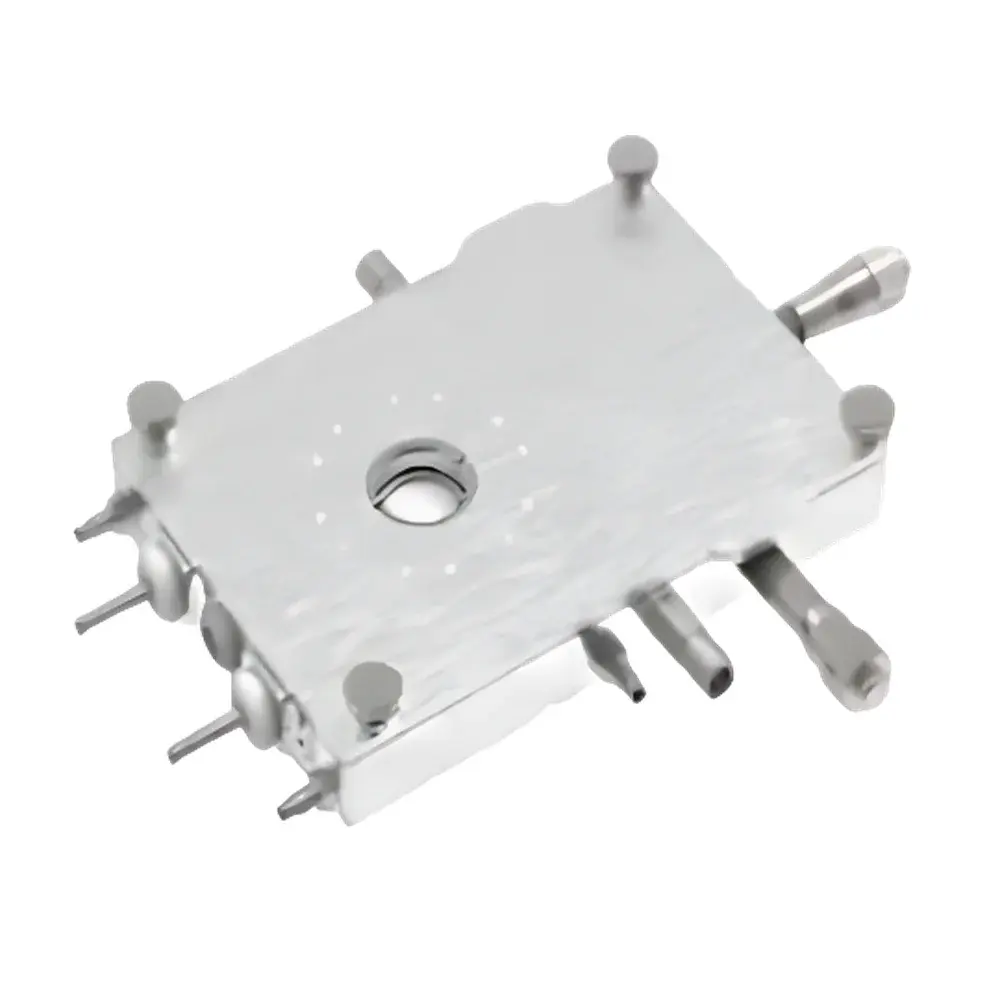
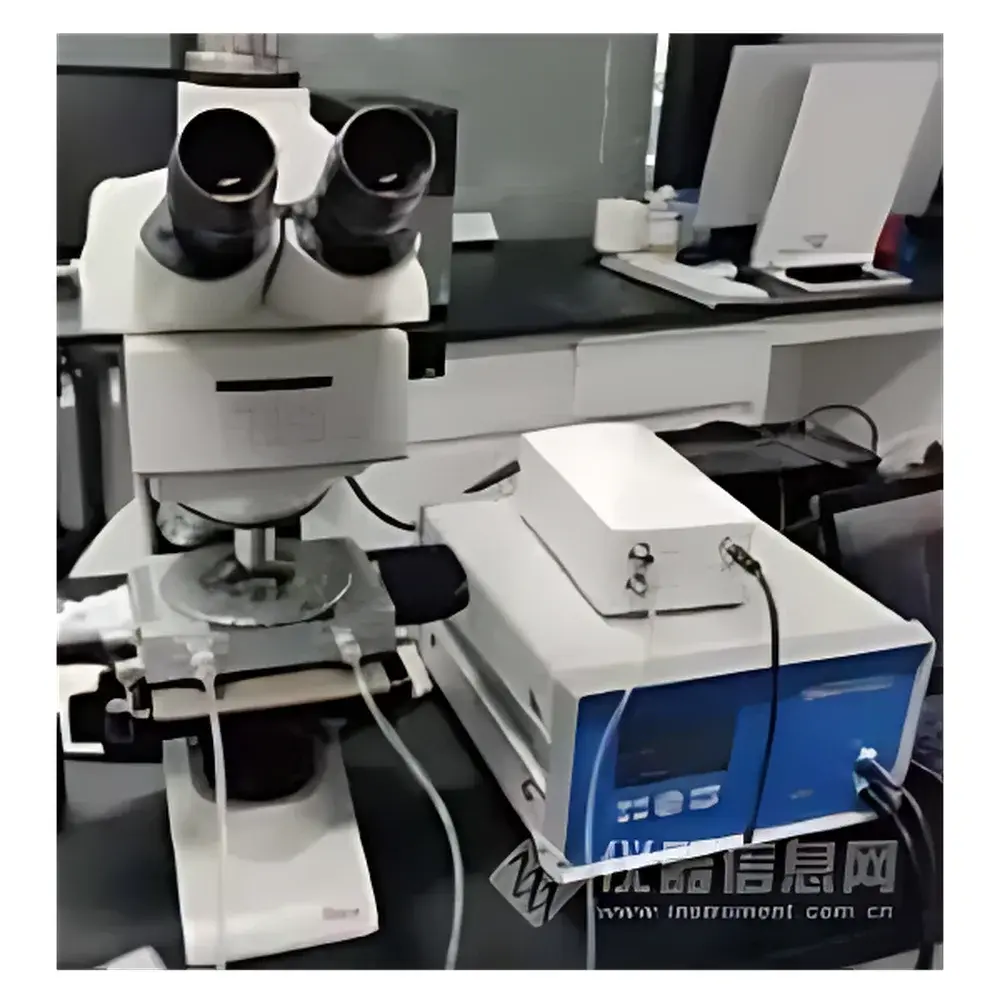
Lei-Tech LK-T600C-YD Polarized Light Microscope Heating-Cooling Stage
| Brand | Lei-Tech |
|---|---|
| Origin | Hubei, China |
| Manufacturer Type | Direct Manufacturer |
| Model | LK-T600C-YD |
| Cooling Method | Liquid Nitrogen |
| Temperature Range | −196 °C to 600 °C |
| Temperature Display Resolution | 0.1 °C |
| Temperature Control Accuracy | ±0.1 °C |
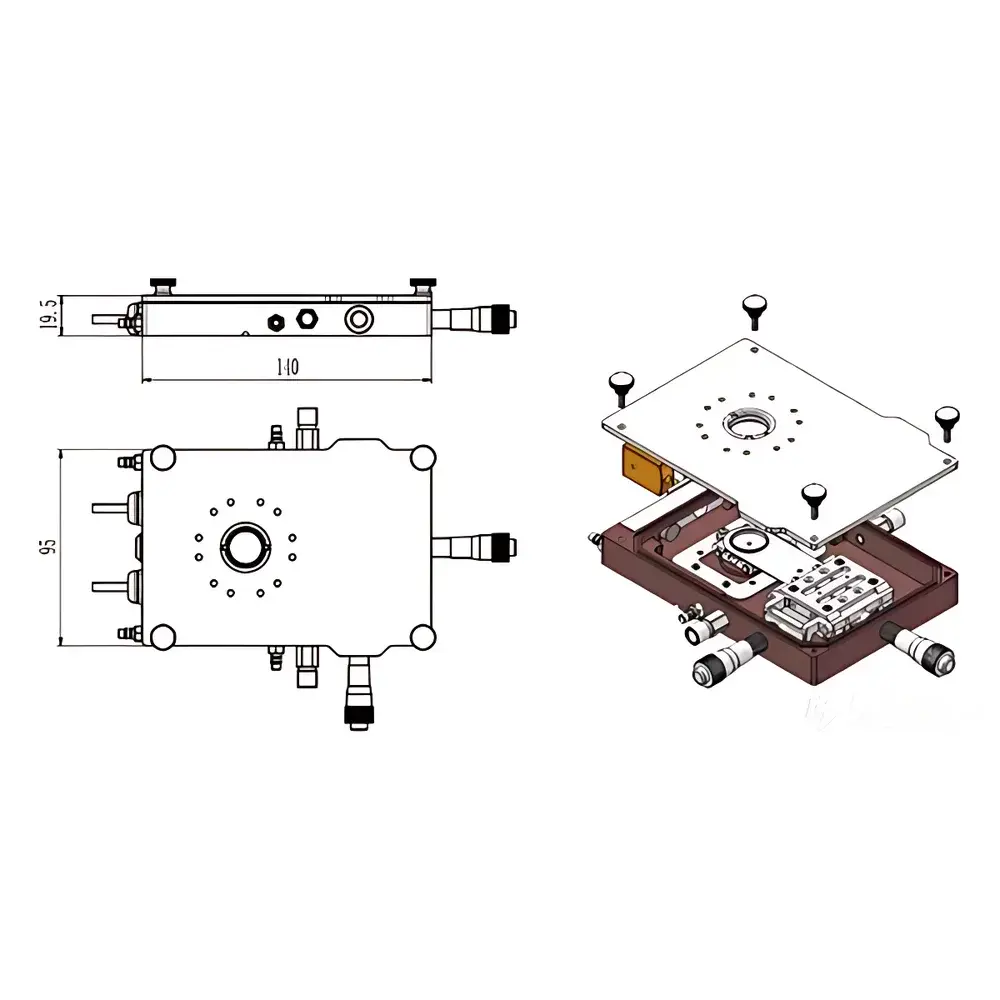
| Sample Area Diameter | 16 mm |
| Optical Aperture Diameter | 2 mm |
| Minimum Objective Working Distance | 4.5 mm |
| Minimum Condenser Working Distance | 11 mm |
| X-Axis Translation Range | ±6 mm |
| Y-Axis Translation Range | ±6 mm |
| Max. Heating Rate | 50 °C/min |
| Max. Cooling Rate | −25 °C/min |
Overview
The Lei-Tech LK-T600C-YD is a high-precision, compact heating-cooling stage engineered for integration with polarized light microscopes (PLM), metallurgical microscopes, and infrared spectroscopy systems. It operates on a dual-mode thermal control architecture—combining liquid nitrogen cryogenic cooling with resistive high-temperature heating—to deliver continuous, stable temperature regulation from −196 °C to 600 °C. Its design adheres to fundamental requirements of thermo-microscopy: minimal thermal lag, optical transparency across visible and near-IR spectra, and mechanical stability under thermal cycling. The stage enables in situ observation of thermally induced phase transitions, solid-state reactions, crystal nucleation, fluid inclusion behavior, and anisotropic thermal expansion—critical for geological petrology, materials science, pharmaceutical polymorph screening, and semiconductor defect analysis.
Key Features
- Ultra-wide operational temperature range: −196 °C (liquid nitrogen base) to +600 °C, with independent calibration traceable to NIST-traceable reference standards.
- High-fidelity thermal control: ±0.1 °C stability at setpoint, supported by dual-sensor feedback (RTD and thermocouple) and adaptive PID algorithm optimized for rapid ramping and dwell precision.
- Optically optimized platform: 2 mm central aperture ensures unobstructed light path for transmitted PLM, reflected metallurgical, and FTIR coupling; compatible with objectives down to 4.5 mm working distance and condensers ≥11 mm WD.
- Integrated XY micrometer translation: ±6 mm travel per axis with 1 µm vernier resolution, enabling precise repositioning of regions of interest without stage removal or realignment.
- Compact, low-profile form factor (≤25 mm height): minimizes interference with microscope nosepiece rotation and accommodates inverted and upright configurations.
- Robust thermal isolation: vacuum-compatible flange design (optional) and multi-layer insulation reduce ambient heat leakage and improve cooling efficiency during cryogenic operation.
Sample Compatibility & Compliance
The LK-T600C-YD accommodates standard 24 × 50 mm or 25 mm round glass slides, thin-section mounts, metallographic specimens, and IR-transmissive windows (e.g., CaF₂, BaF₂). Its sample chamber supports both ambient-atmosphere and inert-gas-purged environments (N₂, Ar) via optional gas inlet port. All thermal protocols are fully documented and support GLP/GMP-aligned workflows: temperature logs include timestamp, setpoint, actual reading, ramp rate, and sensor status—exportable in CSV/Excel format. The system complies with IEC 61000-6-3 (EMC emissions) and IEC 61010-1 (safety for laboratory equipment); temperature calibration procedures align with ASTM E220 and ISO/IEC 17025 requirements for accredited testing laboratories.
Software & Data Management
The stage interfaces via USB 2.0 with Lei-Tech’s proprietary ThermoStage Control Suite (v3.2+), a Windows-based application supporting automated thermal profiling (ramp-hold-cool sequences), real-time graphing, and synchronized image capture triggering (via TTL output to camera or spectrometer). Audit trail functionality records all parameter changes, user logins, and session metadata—fully compliant with FDA 21 CFR Part 11 for electronic records and signatures when configured with user authentication and electronic signature modules. Data export supports time-stamped .csv, .tdms (NI LabVIEW), and .mat formats for post-processing in MATLAB, Python (NumPy/Pandas), or OriginLab.
Applications
- Geological fluid inclusion thermobarometry: direct observation of homogenization, freezing, and decrepitation events across cryogenic to magmatic temperatures.
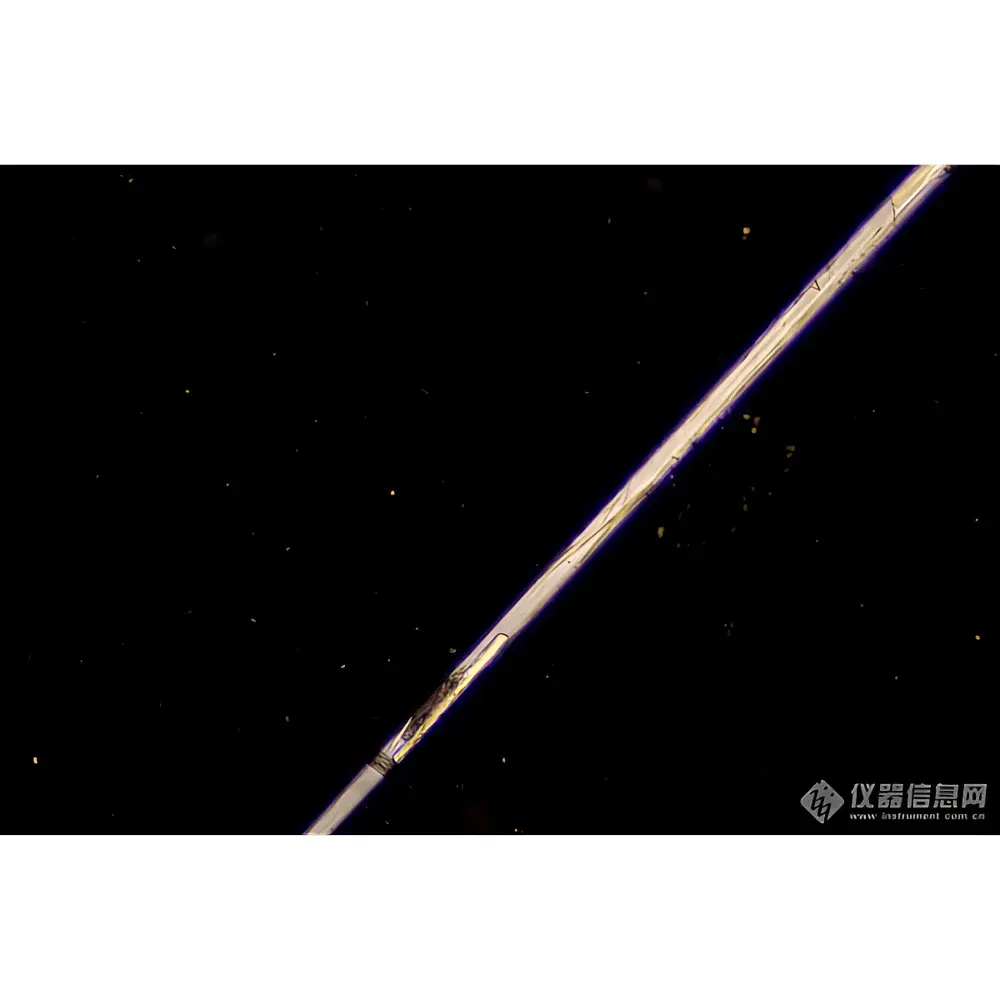
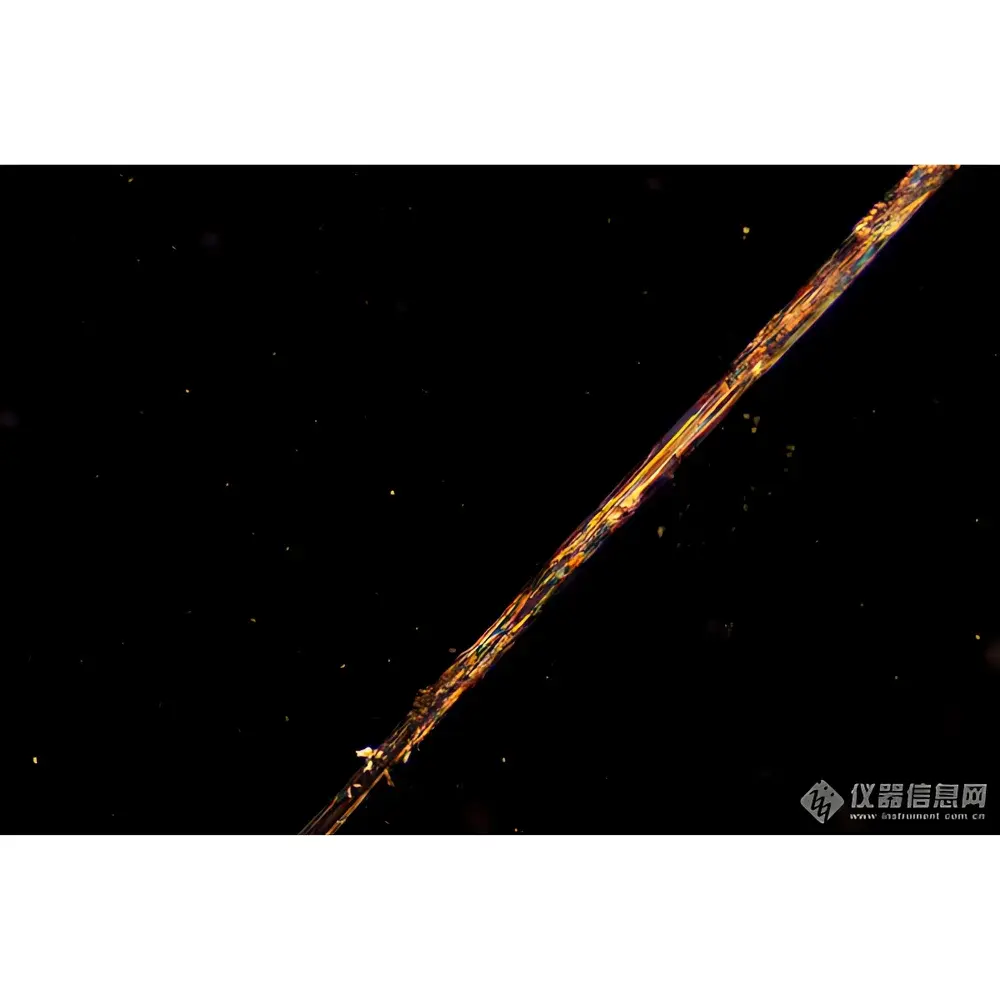
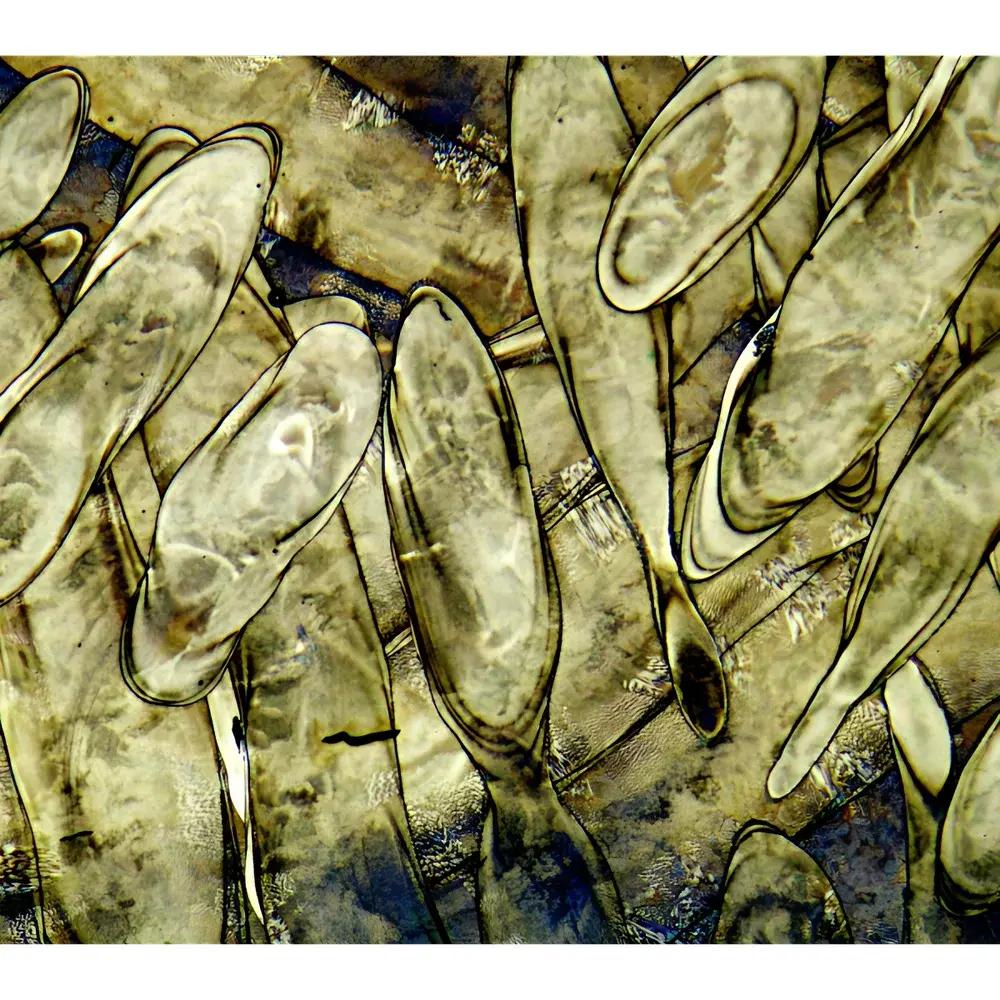
- Polymorphic transition analysis: tracking birefringence extinction, spherulite growth, and mesophase formation in pharmaceutical APIs and liquid crystals.
- Metallurgical phase transformation: in situ study of austenite–martensite kinetics, grain boundary migration, and oxide scale evolution under controlled oxidation atmospheres.
- Thermally stimulated luminescence (TSL) and photoluminescence (PL) mapping: correlation of spectral shifts with lattice strain and defect activation energy.
- Calorimetric validation: cross-referencing DSC onset temperatures with microscopic morphological changes observed simultaneously.
FAQ
What microscope brands and models is the LK-T600C-YD compatible with?
It integrates with standard trinocular ports on Olympus BX series, Zeiss Axio Imager, Leica DM series, Nikon Eclipse Ci-L, and most OEM metallurgical and polarizing microscopes featuring ≥4.5 mm objective clearance and standard DIN 25 mm mounting threads.
Can the stage operate under vacuum or controlled atmosphere?
Yes—optional vacuum flange (KF-25 or CF-35) and gas purge adapter kits are available; maximum vacuum rating is 1 × 10⁻³ mbar when equipped with vacuum-grade seals and low-outgassing insulation.
Is temperature calibration performed at the sample surface or sensor location?
Calibration is conducted using a calibrated micro-thermocouple placed directly on the sample holder surface; factory certificates report deviation ≤±0.15 °C across the full range (−196 °C to 600 °C).
Does the system support third-party software control (e.g., LabVIEW, Python)?
Yes—DLL and SCPI command sets are provided; Python API wrappers and LabVIEW VIs are included in the SDK package for custom automation and integration into larger experimental platforms.
What maintenance is required for long-term cryogenic performance?
Annual inspection of O-rings, nitrogen delivery tubing integrity, and heater element resistance is recommended; no consumables beyond LN₂ are required. Lei-Tech provides certified recalibration services traceable to national metrology institutes.





