
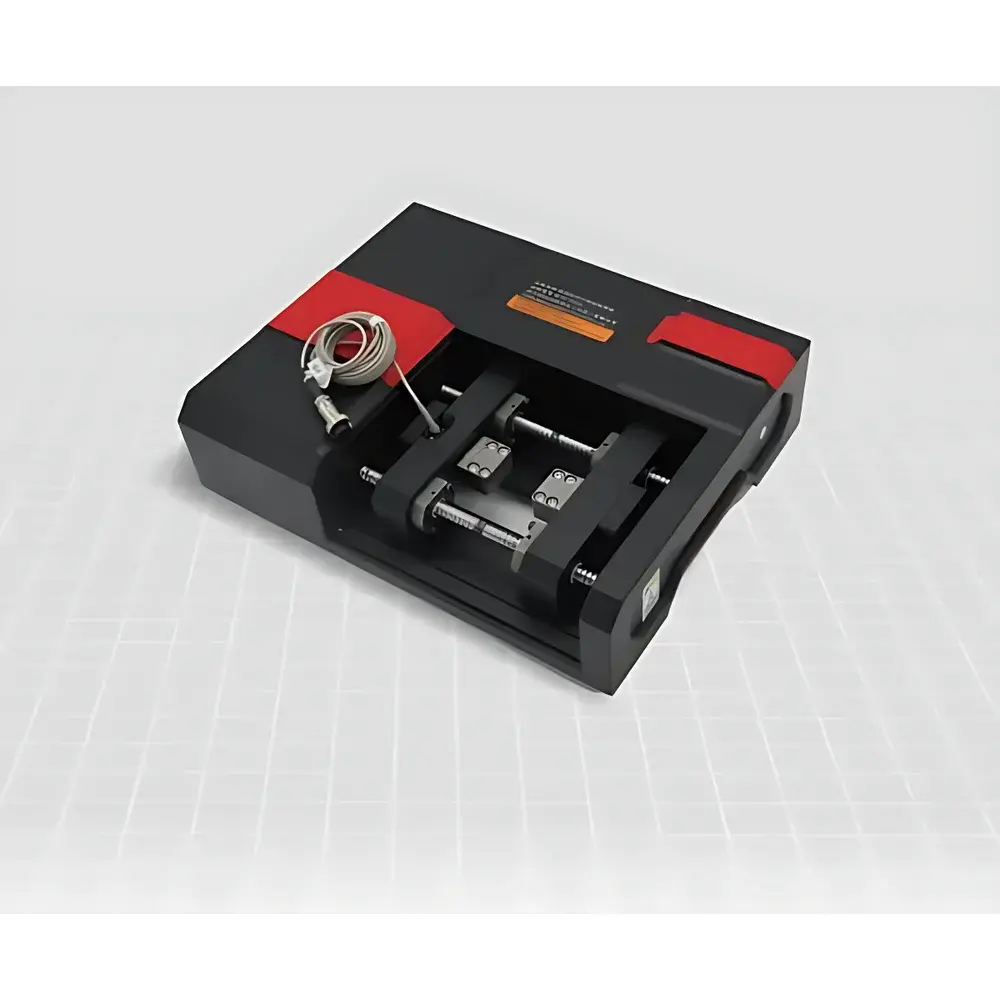
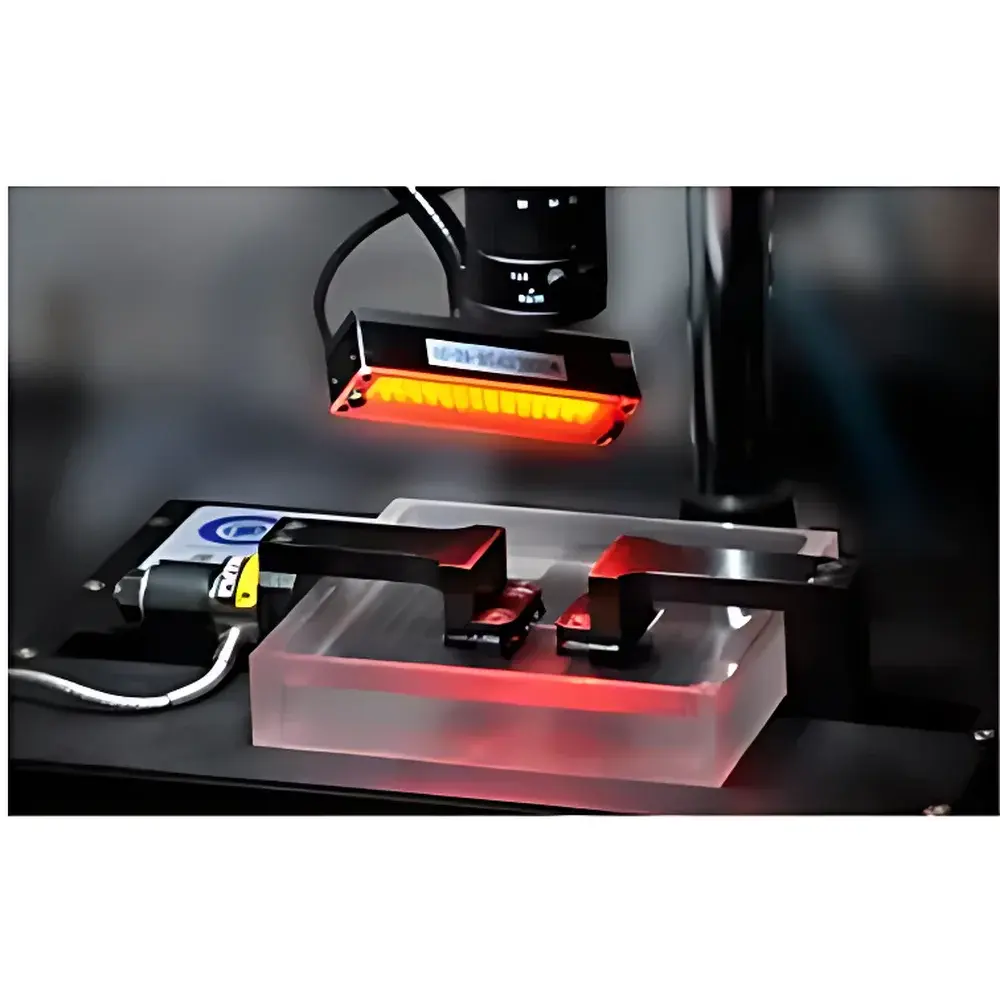
IBTC-2000 In Situ Tensile-Compression Mechanical Testing System by LEI-TECH
| Brand | LEI-TECH |
|---|---|
| Origin | Tianjin, China |
| Manufacturer Type | Direct Manufacturer |
| Country of Origin | China |
| Model | IBTC-2000 |
| Price | USD 28,000 (FOB Tianjin) |
Overview
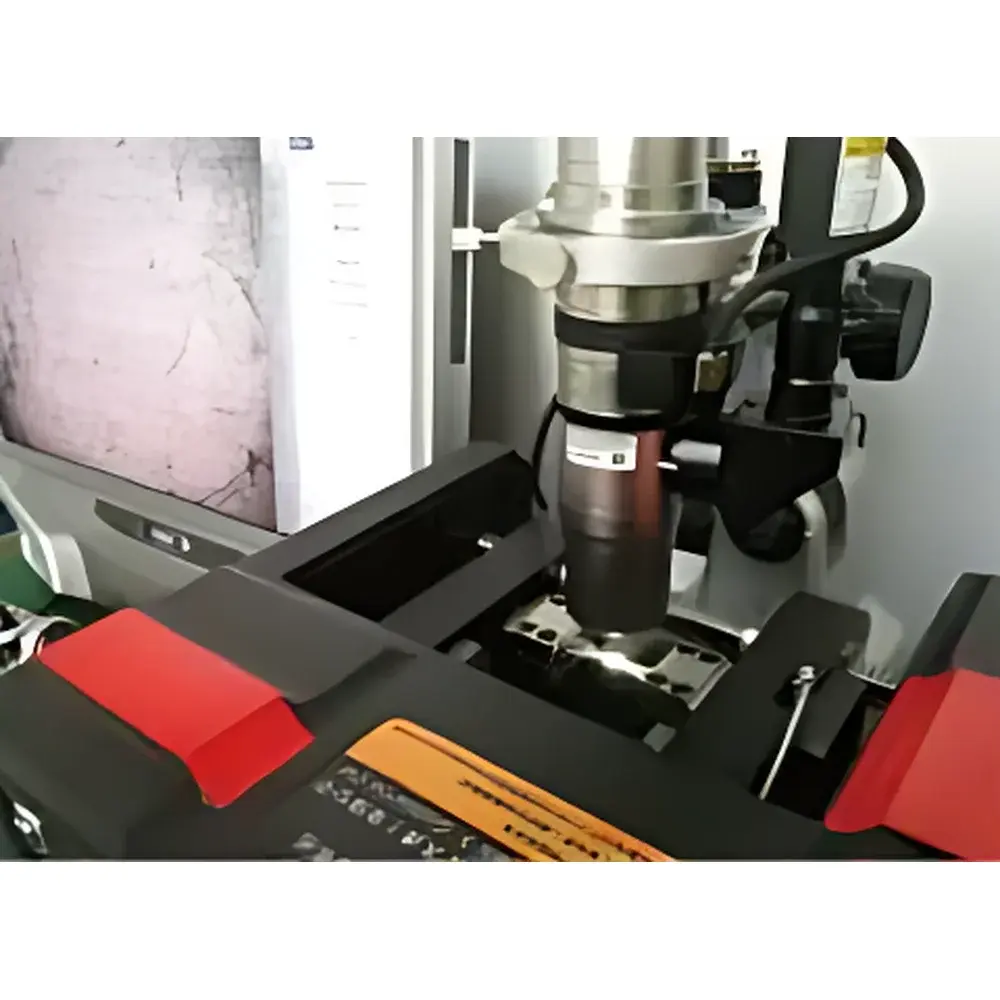
The IBTC-2000 In Situ Tensile-Compression Mechanical Testing System is an electromechanically actuated, high-precision modular platform engineered for real-time mechanical characterization of materials inside analytical instruments—most commonly coupled with optical microscopy (OM), scanning electron microscopy (SEM), transmission electron microscopy (TEM), and X-ray diffraction (XRD) chambers. Unlike conventional post-test mechanical analysis, the IBTC-2000 enables synchronized acquisition of stress–strain response and concurrent microstructural evolution under controlled uniaxial loading. Its core architecture integrates a closed-loop servo-controlled linear actuator with sub-micron displacement resolution, calibrated load cell feedback (±0.5% full scale), and thermally stable kinematic mounting interfaces compatible with vacuum-rated and inert-atmosphere sample stages. Designed for laboratory-scale R&D environments, the system supports quasi-static to low-rate dynamic loading protocols (0.001–10 mm/min), making it suitable for investigating deformation mechanisms in metals, polymers, composites, thin films, and brittle ceramics.
Key Features
- Modular in situ integration: Standardized flange interfaces (CF-63, CF-100, or custom) enable direct mounting into SEM/TEM/XRD chambers without compromising vacuum integrity (≤1×10⁻⁶ mbar operational tolerance).
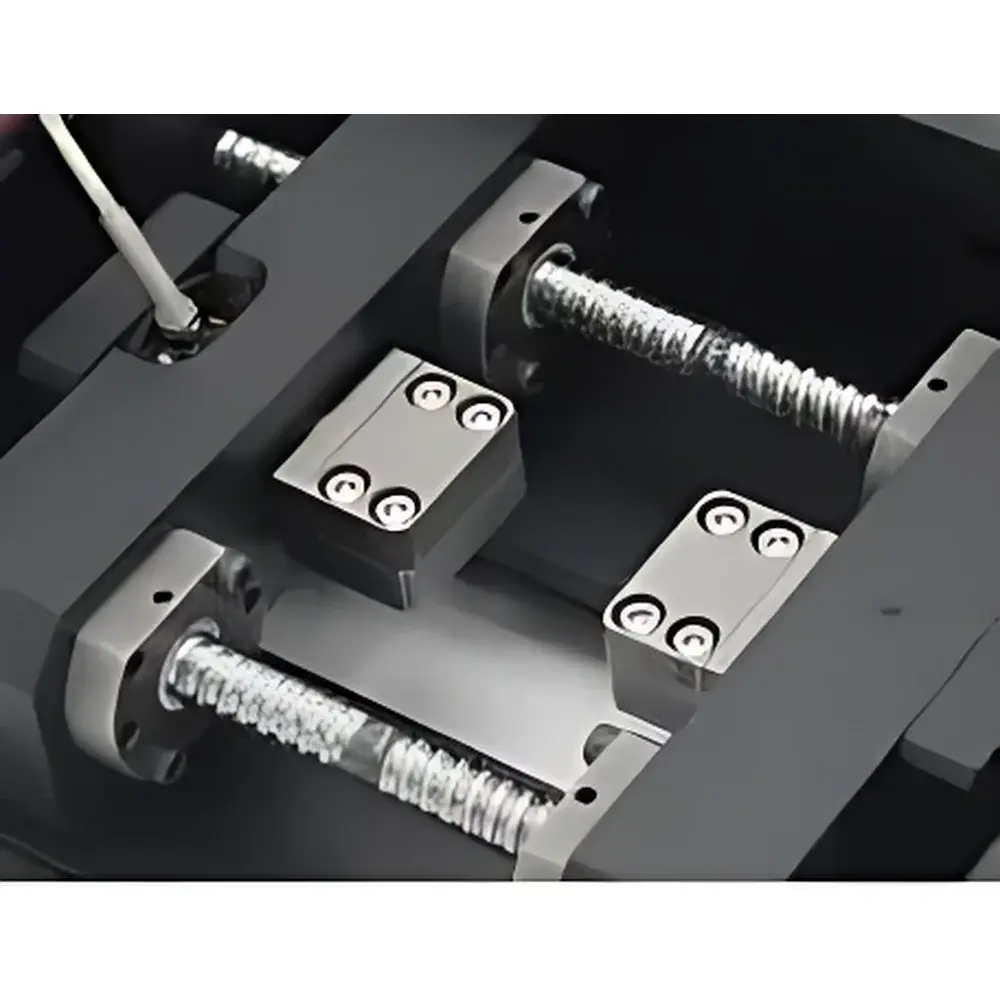
- Precision electromechanical actuation: Brushless DC motor with harmonic drive reduction delivers repeatable force application (range: 0–2000 N) and displacement control (resolution: 50 nm, repeatability: ±100 nm).
- Integrated dual-sensor feedback: Simultaneous acquisition of true engineering stress (via calibrated S-type load cell) and axial strain (via non-contact digital image correlation or optional capacitive displacement transducer).
- Thermally compensated frame: Aluminum alloy chassis with CTE-matched components minimizes thermal drift during long-duration tests (>4 h at ambient ±1°C stability).
- Open communication protocol: EtherCAT-based real-time control interface supports synchronization with third-party acquisition systems (e.g., Gatan K3, Bruker EDS, Dectris EIGER) via TTL triggers and analog voltage outputs.
Sample Compatibility & Compliance
The IBTC-2000 accommodates standardized tensile specimens (ASTM E8/E21, ISO 6892-1 dog-bone geometries) as well as custom microspecimens (down to 100 µm gauge length) fabricated via FIB or laser micromachining. Specimen holders are interchangeable—flat-clamp, wedge-grip, and pin-loaded configurations support metallic foils, fiber bundles, MEMS devices, and freestanding nanowires. All structural components comply with ISO 9001:2015 manufacturing standards; load cell calibration certificates are traceable to NIM (National Institute of Metrology, China) and optionally available with DKD/DAkkS accreditation. The system meets CE safety directives (2006/42/EC Machinery Directive) and electromagnetic compatibility requirements per EN 61326-1.
Software & Data Management
Control and data acquisition are managed through LEI-TECH’s proprietary IBTC Control Suite v3.2—a Windows-based application supporting scriptable test sequences, real-time PID parameter tuning, and multi-channel synchronized logging (force, displacement, temperature, external trigger signals). Raw data export is available in HDF5 and ASCII formats, ensuring compatibility with MATLAB, Python (NumPy/Pandas), and commercial FE postprocessors (e.g., Thermo-Calc, Digimat). Audit-trail functionality logs all user actions, parameter changes, and calibration events in accordance with GLP and FDA 21 CFR Part 11 requirements when configured with electronic signature modules and role-based access control.
Applications
- In situ SEM tensile testing of aluminum alloy microstructures to correlate slip band formation with local stress concentration.
- Real-time TEM observation of dislocation nucleation and pile-up in Ni-based superalloys under monotonic loading.
- Mechano-optical coupling studies in piezoelectric polymer films using synchronized Raman spectroscopy and load cycling.
- Creep–fatigue interaction analysis in additively manufactured Ti-6Al-4V lattice structures under elevated temperature (with optional furnace integration).
- Fracture toughness evaluation of brittle intermetallic thin films via controlled crack propagation monitoring in XRD-compatible stages.
FAQ
Is the IBTC-2000 compatible with high-vacuum SEM chambers?
Yes—the system is rated for operation at ≤1×10⁻⁶ mbar and includes vacuum-compatible lubricants, metal-sealed feedthroughs, and outgassing-tested materials per ASTM E595.
Can I integrate my existing DIC system with the IBTC-2000?
Absolutely—the system provides programmable GPIO ports and time-synchronized camera triggers (TTL) for hardware-level synchronization with commercial DIC platforms (e.g., Correlated Solutions VIC-2D, LaVision StrainMaster).
Does LEI-TECH provide calibration documentation compliant with ISO/IEC 17025?
Standard delivery includes NIM-traceable calibration reports; ISO/IEC 17025-accredited calibration is available as an optional service through our partner metrology lab in Tianjin.
What is the lead time for custom specimen holder design?
Typical turnaround for CAD-reviewed, CNC-machined custom grips is 12–15 business days after final approval of mechanical drawings.
Is remote diagnostics and firmware update supported?
Yes—via secure SSH tunneling and encrypted OTA (over-the-air) update capability, subject to customer network policy and firewall configuration.



