
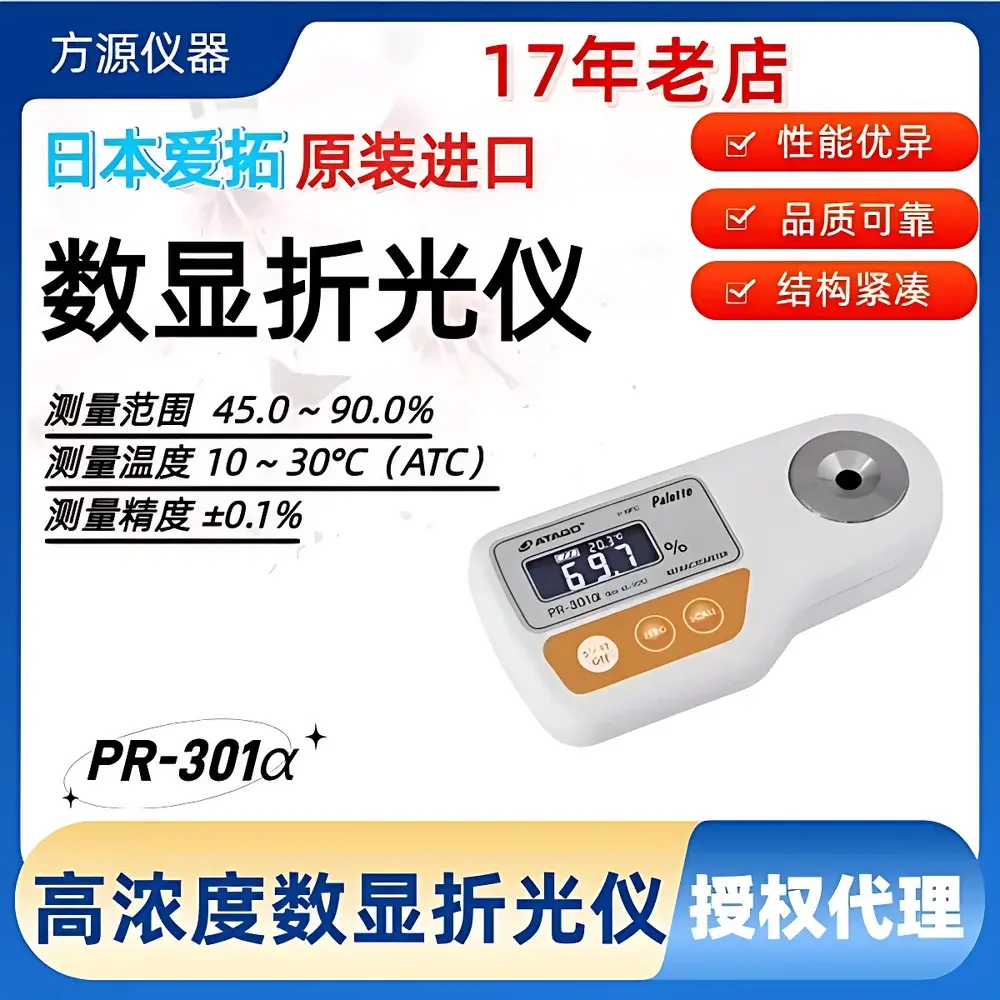
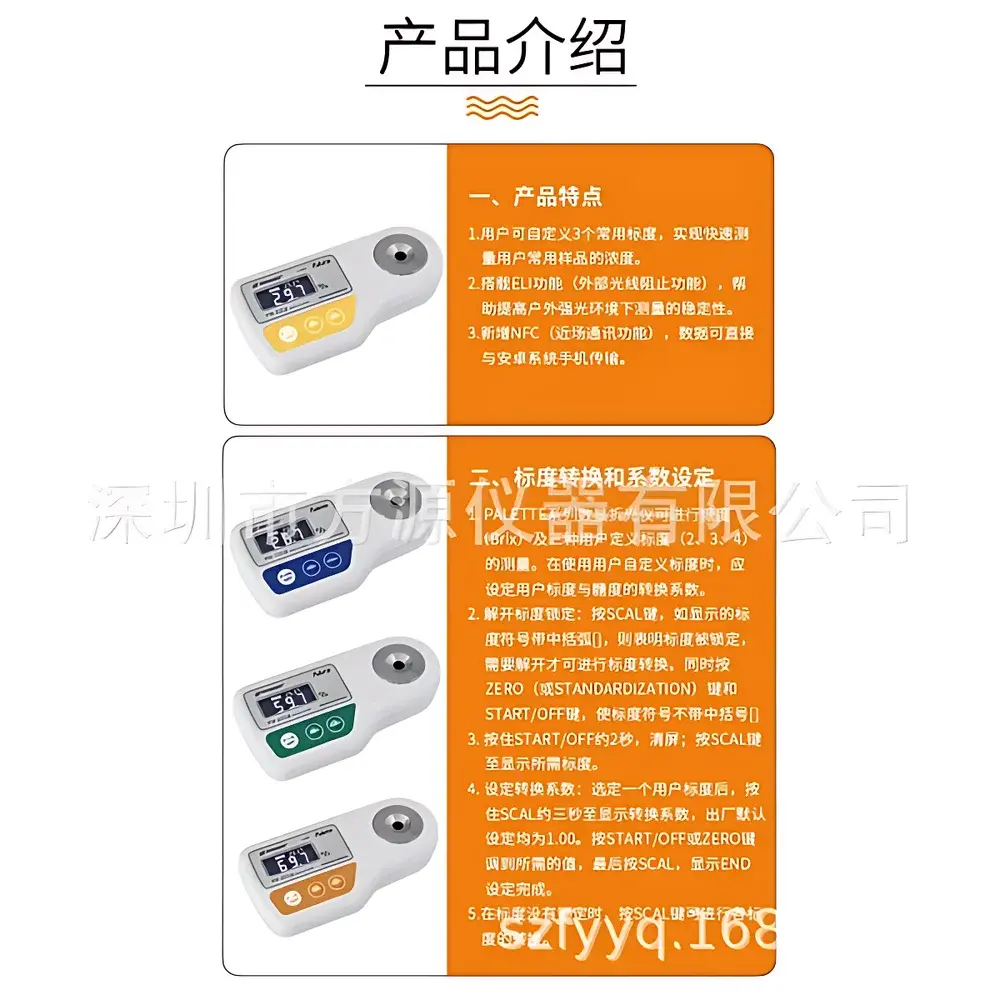
ATAGO PR-301α High-Concentration Digital Refractometer
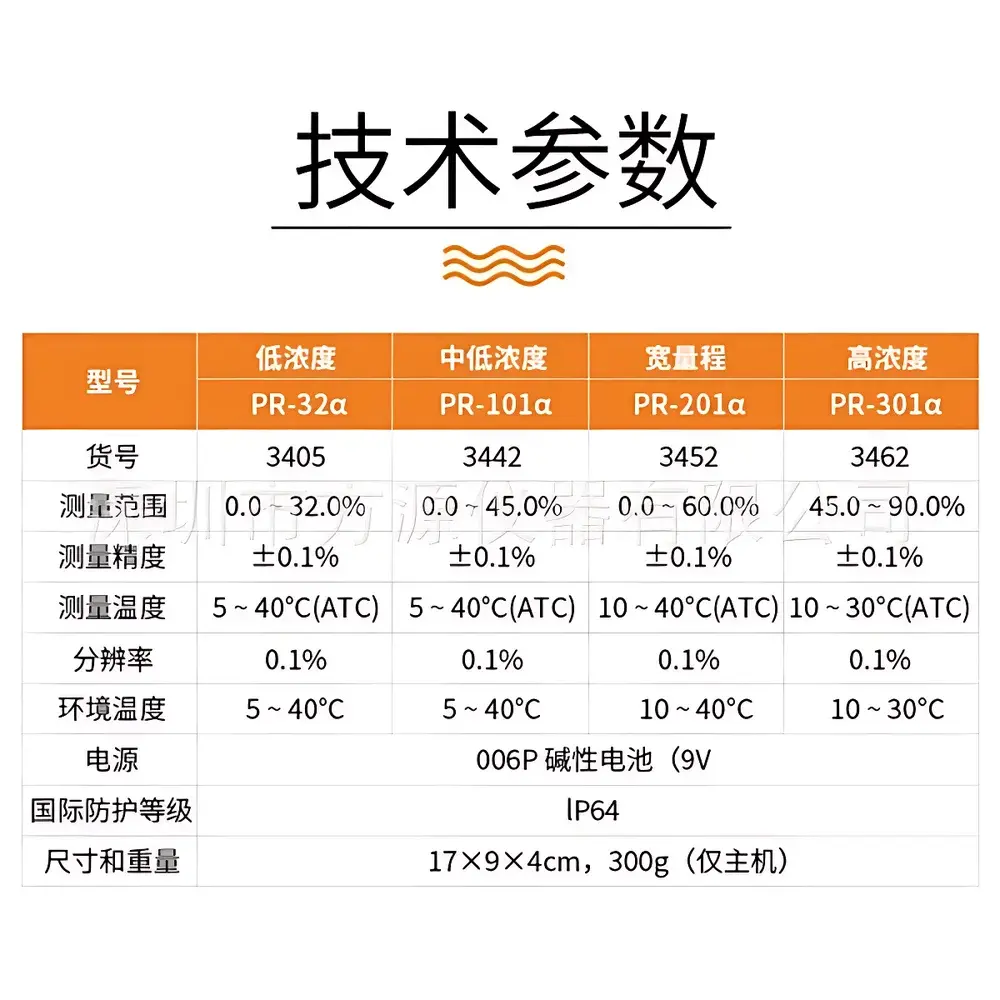
| Brand | ATAGO |
|---|---|
| Origin | Japan |
| Model | PR-301α |
| Sample Measurement Range | 45.0–90.0% w/w (Brix-equivalent concentration scale) |
| Accuracy | ±0.1% |
| Temperature Compensation | Automatic (ATC), 10–30°C |
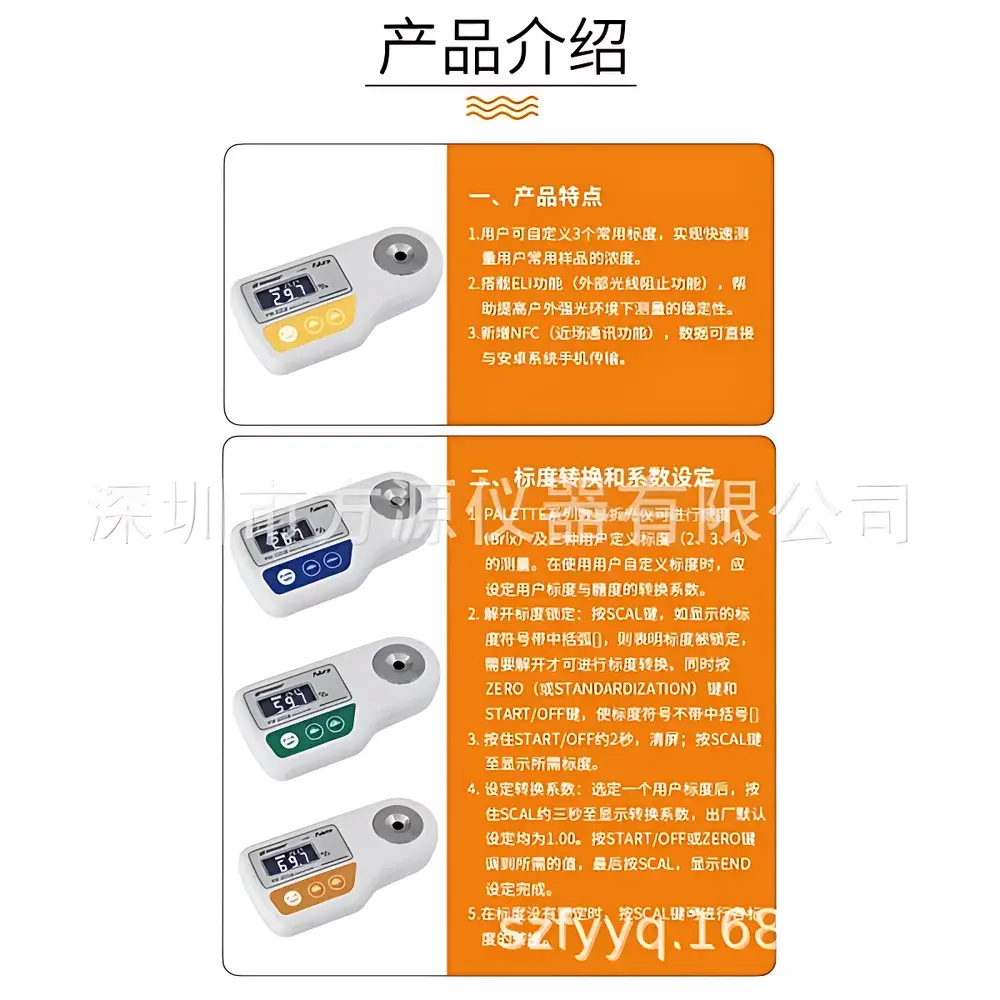
| Display | Digital LCD |
| Instrument Type | Handheld Refractometer |
| Compliance | CE-marked, ISO/IEC 17025-aligned calibration traceability |
Overview
The ATAGO PR-301α High-Concentration Digital Refractometer is an optical instrument engineered for precise, rapid quantification of solute concentration in highly viscous or saturated aqueous solutions—particularly those exhibiting refractive indices beyond the range of conventional Brix refractometers. Based on the principle of total internal reflection at the prism–sample interface, the PR-301α measures the critical angle of refraction and converts it into a digital concentration readout expressed as mass percentage (w/w %), calibrated against standardized sucrose solutions per ISO 21527-1 and AOAC Official Method 932.12. Unlike Abbe-type benchtop units, this handheld device integrates a sapphire-coated measurement prism and temperature-compensated optical path design to maintain measurement integrity across ambient lab or production-floor conditions (10–30°C). Its fixed optical geometry eliminates user-dependent alignment errors, ensuring high inter-operator reproducibility—critical for QC release testing in food, pharmaceutical, and chemical manufacturing environments.
Key Features
- High-concentration optical detection range: 45.0–90.0% w/w, optimized for concentrated syrups, glycerol solutions, honey, molasses, and industrial brines where standard 0–32% Brix instruments saturate.
- Digital LCD display with 0.1% resolution and ±0.1% full-scale accuracy—validated per ATAGO’s internal QA protocol compliant with ISO/IEC 17025 requirements for measurement uncertainty estimation.
- Automatic Temperature Compensation (ATC) using integrated thermistor sensing; compensates refractive index drift across 10–30°C without external thermostating or manual correction tables.
- Robust ergonomic housing with IP65-rated sealing against dust and water splashes—suitable for use in humid processing areas or field-deployed quality audits.
- Sapphire-coated measuring prism (Vickers hardness >2000 HV) resistant to scratching by crystalline or abrasive samples, extending calibration stability over extended service intervals.
- No battery replacement required during typical shift operations: powered by two AAA alkaline cells with >10,000 measurements per set under normal usage conditions.
Sample Compatibility & Compliance
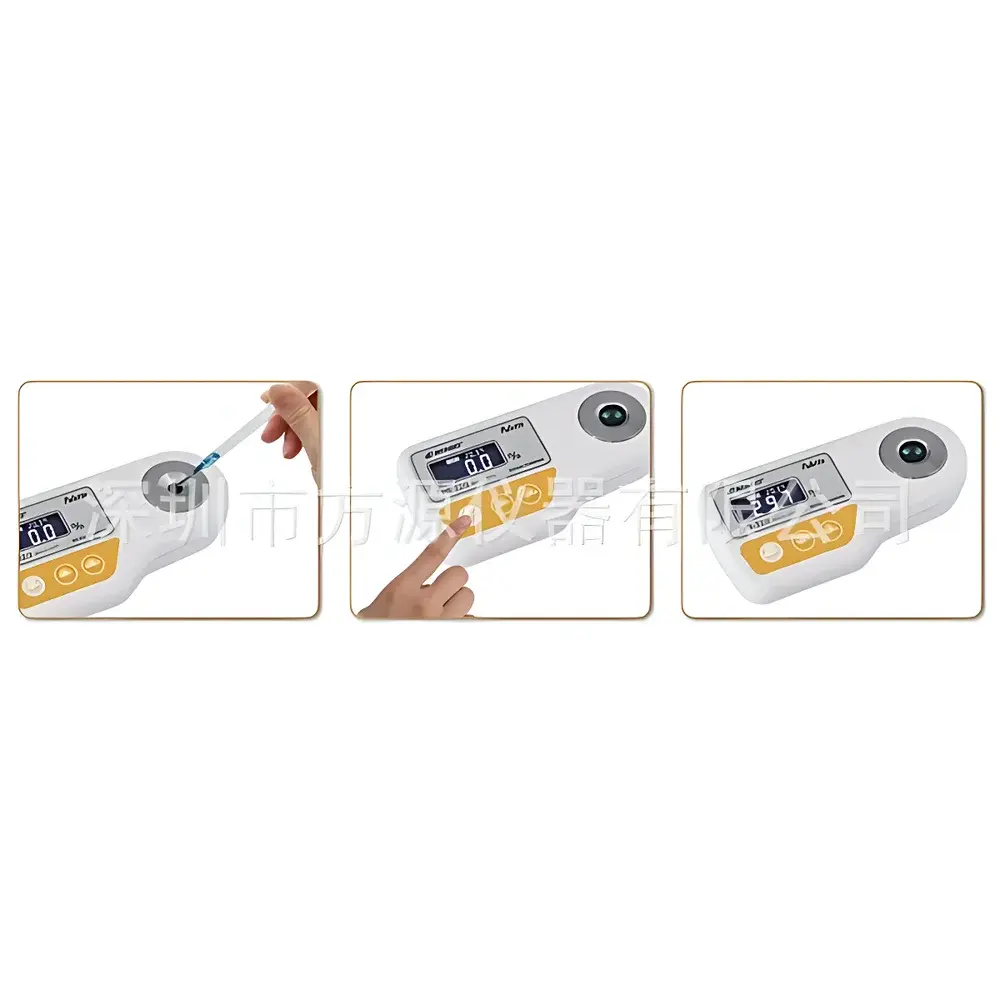
The PR-301α accepts liquid, semi-viscous, or suspension-based samples requiring minimal volume (0.3 mL) and no dilution—ideal for non-destructive inline verification of final product concentration prior to packaging. It is routinely employed in facilities operating under GMP, HACCP, and FDA 21 CFR Part 11 frameworks; while the instrument itself does not generate electronic audit trails, its analog optical core ensures compliance with GLP documentation standards when paired with controlled logbook entries. The device meets CE marking requirements for electromagnetic compatibility (EN 61326-1) and safety (EN 61010-1), and its calibration certificate references NIST-traceable sucrose standards. It is not intended for volatile, strongly acidic, or organic solvent-based matrices without prior validation per ASTM D1218 or ISO 21527-2.
Software & Data Management
As a standalone optical instrument, the PR-301α operates without embedded firmware, drivers, or connectivity interfaces—eliminating cybersecurity vulnerabilities and software validation burdens common in regulated laboratories. All measurement data are recorded manually or transcribed into LIMS via validated SOPs. For enterprises requiring digital integration, ATAGO offers optional RS-232 output modules (sold separately) compatible with third-party data acquisition systems that support ASCII serial protocols. When used with such accessories, raw output conforms to ASTM E1382 guidelines for instrument-to-computer data transfer integrity, enabling timestamped capture and automated report generation under 21 CFR Part 11-compliant configurations.
Applications
- Quality control of high-Brix food products: honey grading (≥75% w/w), corn syrup solids, invert sugar solutions, and concentrated fruit purees.
- In-process monitoring of pharmaceutical excipient solutions: polyethylene glycol (PEG) concentrates, glycerin-based vehicles, and hypertonic saline preparations.
- Industrial chemical process verification: sodium hydroxide lye concentration (up to 50%), calcium chloride brines, and ethylene glycol antifreeze formulations.
- R&D formulation development where rapid iteration demands immediate feedback on solute loading without centrifugation or titration delays.
- Third-party inspection agencies performing on-site verification of contract manufacturing batch records per ISO 9001 Clause 8.6.
FAQ
Does the PR-301α require factory recalibration after routine cleaning?
No—routine prism cleaning with lens tissue and distilled water does not affect calibration. Recalibration is recommended only after physical impact, exposure to temperatures outside 5–40°C, or quarterly as part of a site-specific PQ protocol.
Can it measure non-sucrose-based solutions accurately?
Yes, provided a custom calibration curve is established using certified reference materials matching the analyte’s molecular refractivity (e.g., NaCl for brines, glycerol for humectants), per ISO 21527-2 Annex B guidance.
Is the ATC function programmable for non-aqueous solvents?
No—the ATC algorithm is fixed for aqueous sucrose solutions and cannot be reconfigured. For non-aqueous systems, manual temperature correction using published dn/dT coefficients is required.
What is the minimum sample layer thickness needed for valid measurement?
A continuous, bubble-free film ≥0.1 mm thick must fully cover the 12 mm × 8 mm prism surface; insufficient coverage triggers inconsistent critical angle detection and invalid readings.
How does the PR-301α compare to Abbe refractometers in terms of measurement uncertainty?
Under identical ambient conditions, the PR-301α achieves expanded uncertainty (k=2) of ≤±0.15% w/w, comparable to mid-tier Abbe instruments—but with significantly reduced operator dependency and no collimation alignment drift over time.






